Cultivating Crunchy Broccoli Sprouts at Home
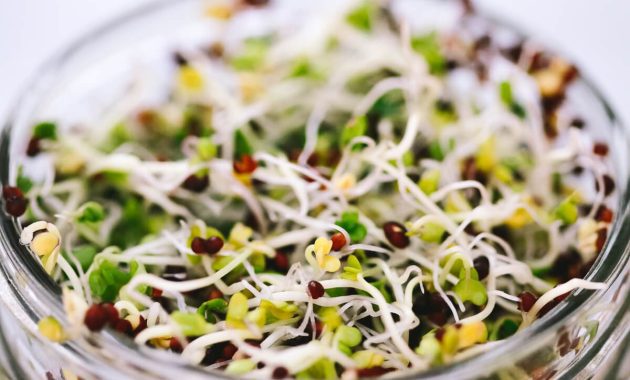
Unlock a world of vibrant nutrition and culinary versatility with broccoli sprouts! These tiny powerhouses are not only a delicious addition to countless dishes but also incredibly easy to grow right in your own kitchen. This comprehensive guide will walk you through everything you need to know, from understanding their exceptional health benefits and nutritional profile to a simple, step-by-step process for cultivating your own fresh sprouts from seeds. Get ready to elevate your salads, sandwiches, smoothies, and more with this superfood sensation.
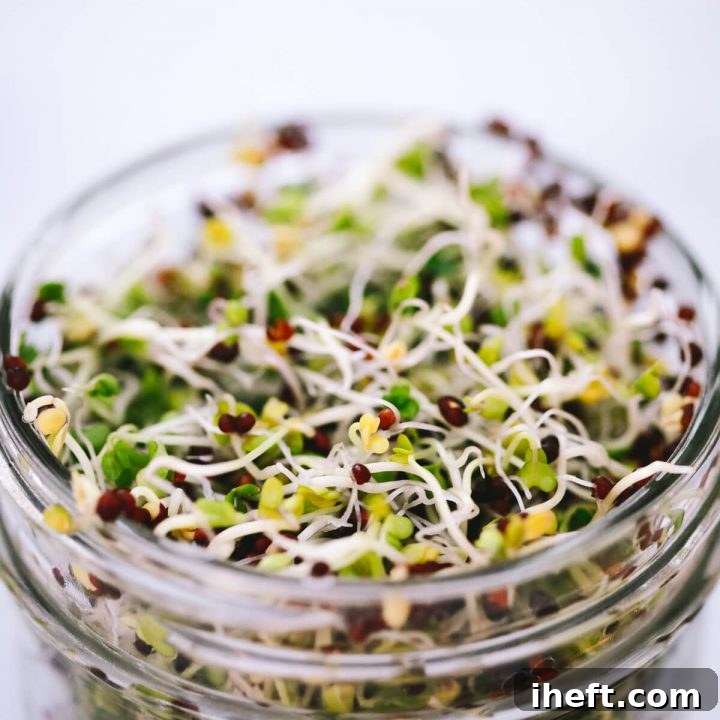
Often mistaken for microgreens due to their appearance and similar applications, broccoli sprouts are distinct. They are simply the immature plants of the common broccoli vegetable, harvested at a very early stage of growth – typically when they are just 3 to 5 days old. While they share a delicate taste and crisp texture with microgreens, their nutritional potency is uniquely linked to their status as a cruciferous vegetable, packing an impressive array of vitamins and minerals. Think of them as concentrated doses of healthy goodness!
You might encounter broccoli sprouts at your local natural food grocery stores or farmers’ markets. However, the true joy and cost-effectiveness come from sprouting your own seeds at home. It’s a simple, rewarding, and surprisingly quick process that yields fresh, organic sprouts ready for consumption in less than a week. In this article, we’ll delve deep into the remarkable nutrition of broccoli sprouts, guide you through the effortless sprouting process, and share creative ways to incorporate them into your daily diet.
Exceptional Broccoli Sprouts Health Benefits: A Deep Dive into Sulforaphane
It’s widely known that mature cruciferous vegetables like broccoli are nutritional powerhouses, celebrated for their cancer-fighting properties and overall health benefits. However, broccoli sprouts take this a step further. These miniature greens are often regarded as a superior source of certain beneficial compounds, containing anywhere from 10 to 100 times more glucoraphanin – the precursor to the potent phytochemical sulforaphane – than their mature counterparts. This astonishing concentration makes broccoli sprouts a truly extraordinary superfood.
Sulforaphane is the star compound found in abundance in broccoli sprouts, and it’s responsible for many of their lauded health benefits. Numerous scientific studies have highlighted sulforaphane’s potential in offering significant cellular protection against various diseases, including certain types of cancer. Its mechanism involves activating the body’s natural defense systems, helping to neutralize toxins, reduce inflammation, and combat oxidative stress at a cellular level.
Beyond its promising role in cancer prevention and support, sulforaphane is also extensively associated with a range of other crucial health advantages:
- Potent Detoxification: Sulforaphane significantly enhances the body’s natural detoxification pathways, particularly Phase 2 detoxification enzymes in the liver. This helps the body efficiently eliminate harmful toxins, environmental pollutants, and carcinogens. Many health enthusiasts incorporate broccoli sprouts into their routines for their powerful detoxification support, complementing practices like consuming detox drinks.
- Enhanced Brain Health: Emerging research suggests a strong link between sulforaphane and cognitive function. It may help protect brain cells from damage, reduce neuroinflammation, and potentially support overall brain health, offering neuroprotective benefits that could be crucial for long-term mental well-being.
- Powerful Anti-Cancer Properties: As mentioned, the cancer-fighting potential of sulforaphane is perhaps its most studied benefit. It works by inhibiting the growth of cancer cells, inducing programmed cell death (apoptosis) in malignant cells, and blocking the enzymes that activate carcinogens. Regular consumption of broccoli sprouts may play a role in reducing cancer risk and supporting overall cellular integrity.
- Anti-inflammatory Effects: Chronic inflammation is at the root of many modern diseases. Sulforaphane has demonstrated significant anti-inflammatory properties, helping to reduce systemic inflammation throughout the body, which can alleviate symptoms of various inflammatory conditions.
- Gut Health Support: A healthy gut microbiome is fundamental to overall health. Broccoli sprouts and their sulforaphane content can positively influence gut health by promoting the growth of beneficial gut bacteria and supporting the integrity of the gut lining, potentially leading to improved digestion and nutrient absorption.
- Cardiovascular Health: Some studies indicate that sulforaphane may contribute to cardiovascular health by protecting blood vessels, improving blood pressure regulation, and reducing oxidative stress within the cardiovascular system.
Incorporating broccoli sprouts into your diet is an excellent way to harness these impressive health benefits, providing a concentrated burst of protective compounds in a small, palatable package.
Broccoli Sprouts Nutrition: A Snapshot of Vitality
Despite their small size, broccoli sprouts boast a robust nutritional profile, especially considering their minimal caloric impact. They are an excellent source of dietary fiber and plant-based protein, making them a fantastic addition to any healthy eating plan. According to reliable sources like Leasa and Cronometer, a single 1/2 cup serving (approximately 42 grams) of broccoli sprouts delivers a significant punch of essential nutrients:
- Calories: Just 18 calories – a truly guilt-free way to boost your nutrient intake.
- Protein: 1 gram – contributing to muscle repair, satiety, and overall body function.
- Carbohydrates: 1/2 gram – a very low-carb option, making them suitable for various dietary approaches.
- Fiber: 8% Daily Value (DV) – crucial for digestive health, promoting regularity, and helping to maintain healthy blood sugar levels. Fiber also contributes to a feeling of fullness, aiding in weight management.
- Vitamin C: 24% Daily Value (DV) – a powerful antioxidant vital for immune system function, collagen production (for healthy skin and joints), and protecting cells from damage caused by free radicals.
- Vitamin A: 11% Daily Value (DV) – essential for vision, immune health, and proper cell growth and differentiation. This vitamin is key for maintaining healthy skin and mucous membranes.
- Iron: 2% Daily Value (DV) – important for oxygen transport in the blood and energy production. While not a primary source, it contributes to your daily intake.
- Calcium: 3% Daily Value (DV) – fundamental for strong bones and teeth, nerve function, and muscle contraction.
This impressive nutritional composition underscores why broccoli sprouts are considered a superfood. They offer a concentrated dose of vitamins, minerals, and beneficial compounds like sulforaphane, all while being low in calories and carbohydrates. Incorporating them into your diet is a simple yet effective way to enhance your overall health and well-being.
Selecting the Right Broccoli Sprout Seeds
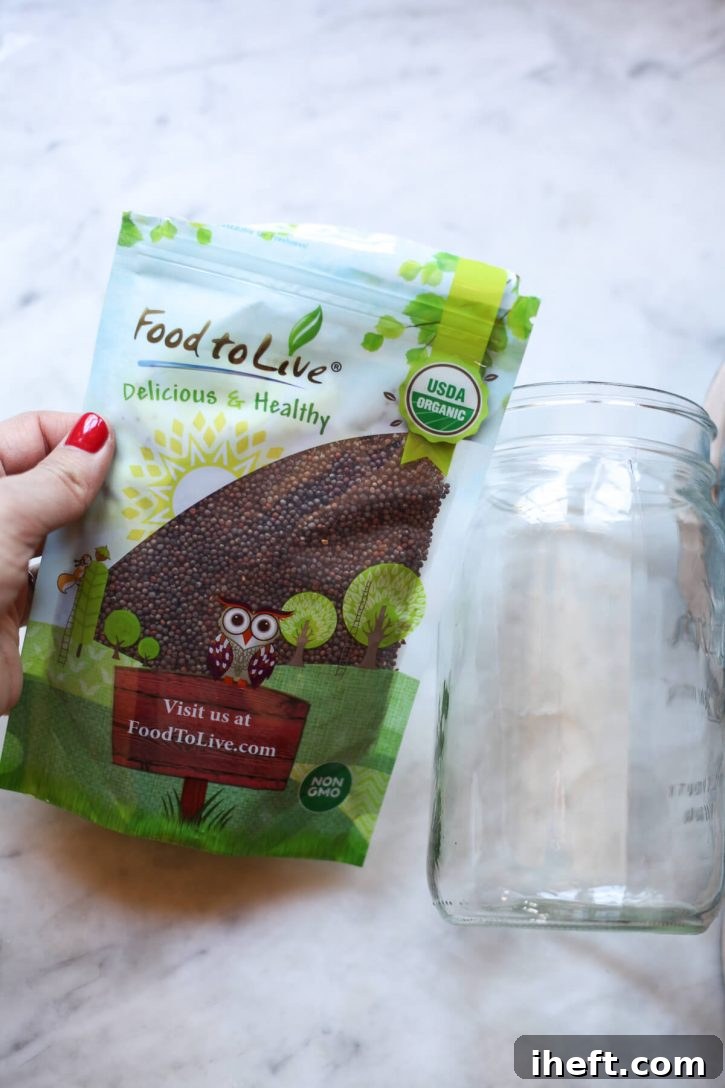
The journey to growing your own fresh broccoli sprouts begins with selecting the correct seeds. It’s crucial to understand that not all broccoli seeds are created equal for sprouting purposes. You’ll want to use seeds specifically designated for sprouting, often labeled as “sprouting seeds” or “culinary seeds,” rather than the type intended for planting mature broccoli in a garden nursery.
Sprouting seeds are typically tiny, dark brown, and are processed and tested for high germination rates and cleanliness, ensuring they are free from harmful pathogens that could flourish in the warm, humid sprouting environment. While you might find sprouting seeds at specialty natural grocery stores or health food shops, online retailers like Amazon offer a vast array of options from various reputable brands. Please note that the links provided are affiliate links, meaning a small commission may be earned if you make a purchase through them, at no extra cost to you. Always prioritize organic, non-GMO seeds from trusted suppliers to ensure the highest quality and safety for your homemade sprouts.
Why Grow Your Own Broccoli Sprouts? The Benefits of Home Cultivation
Beyond the simple satisfaction of growing your own food, cultivating broccoli sprouts at home offers a multitude of practical and health-related advantages. Firstly, it provides unparalleled freshness. Sprouts bought from stores have often traveled, reducing their peak freshness and potentially their nutritional value. Home-grown sprouts go from seed to plate in just a few days, retaining all their vibrant energy and nutrient density.
Secondly, it’s incredibly cost-effective. A small bag of sprouting seeds can yield numerous batches of sprouts for a fraction of the cost of purchasing pre-packaged ones. This makes high-nutrient food accessible on a budget. Thirdly, you have complete control over the growing conditions, ensuring organic practices, sterile environments, and optimal hydration – all crucial for safety and quality. It’s also an engaging and educational activity, perfect for anyone looking to connect more deeply with their food sources and introduce a simple, daily dose of concentrated nutrition into their life. The quick turnaround time means you can always have a fresh supply on hand with minimal effort.
How to Grow Broccoli Sprouts: A Simple Step-by-Step Guide
Growing your own broccoli sprouts is a remarkably straightforward process that requires minimal equipment and time. With just a few days, you can transform tiny seeds into a nutrient-packed superfood. Here’s what you’ll need and how to do it:
Essential Equipment:
- High-Quality Broccoli Sprouting Seeds: Ensure they are specifically for sprouting, not gardening.
- Quart-sized Wide-Mouth Canning Jar: A standard Mason jar works perfectly.
- Sprouting Lid or Cheesecloth: A dedicated sprouting lid with a mesh screen makes draining easier, but a piece of cheesecloth secured with a rubber band or the jar’s ring works just as well.
- Filtered Water: For best results and to avoid contaminants.
The Sprouting Process:
Step 1: Initial Soak – Prepare Your Seeds for Growth
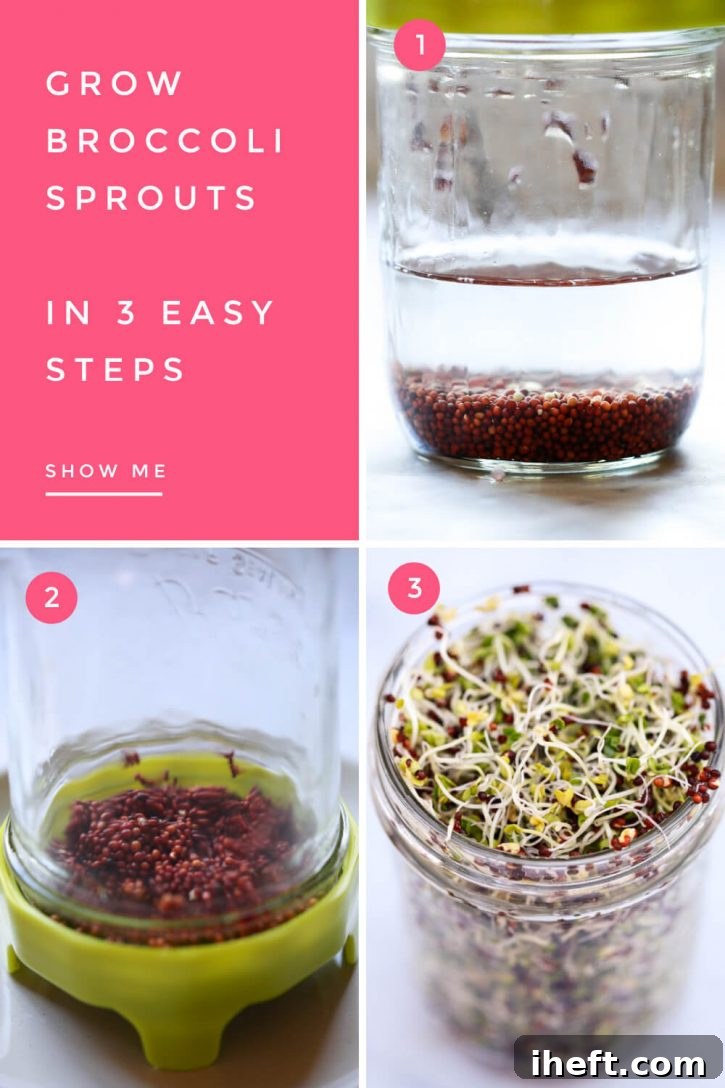
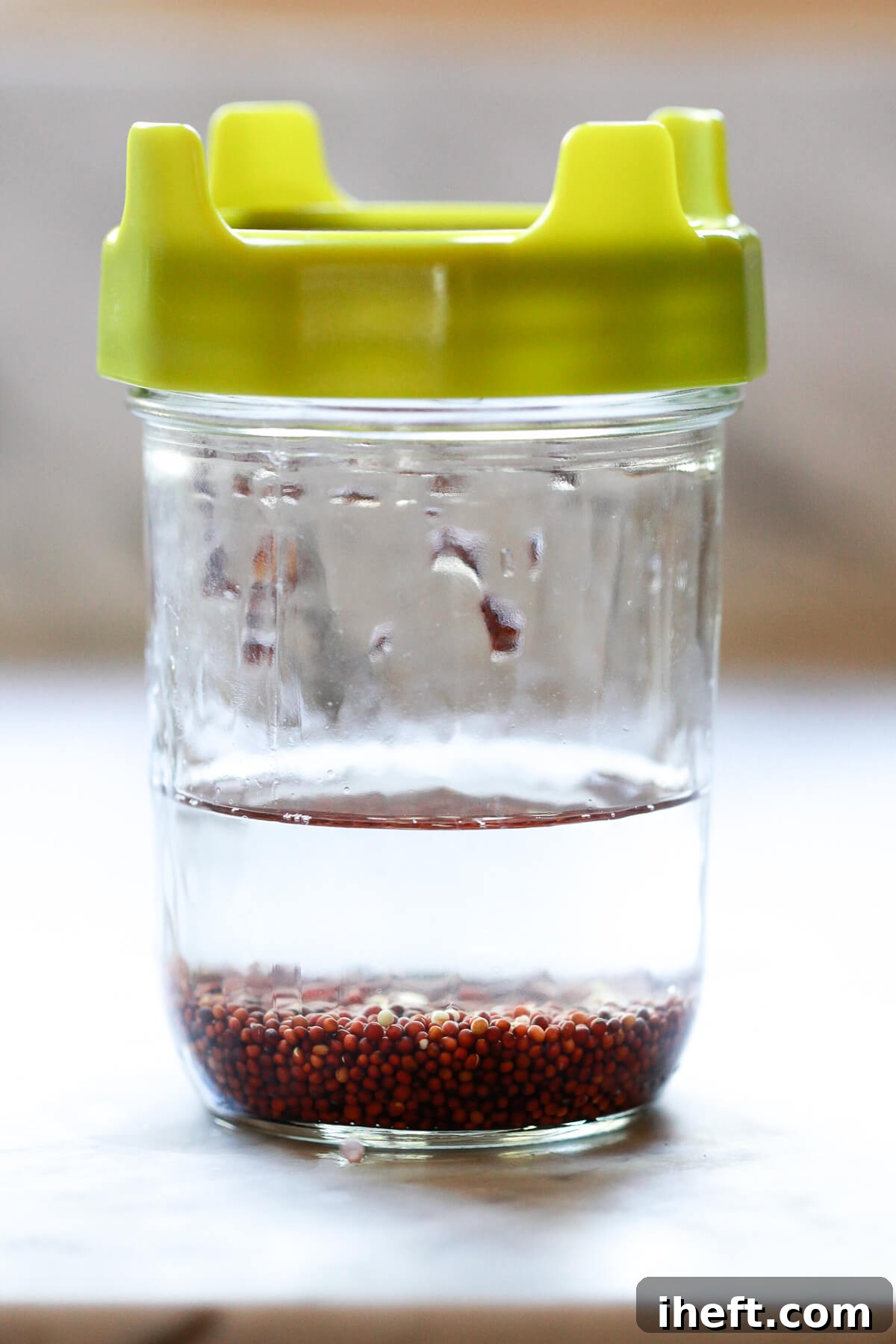
Begin by placing 1-2 tablespoons of broccoli sprouting seeds into your clean quart-sized canning jar. Fill the jar with about 1 cup of cool, filtered water, ensuring all seeds are submerged. Cover the mouth of the jar with your sprouting lid or secure a piece of cheesecloth with a rubber band. Give the jar a gentle swirl to mix the seeds and water. Allow the seeds to soak overnight, typically for 8 to 12 hours. This initial soaking phase rehydrates the seeds, kickstarting the germination process and signaling them to awaken from dormancy. It’s crucial not to soak them for too long, as this can lead to mold.
Step 2: Drain and Position – Create the Ideal Sprouting Environment
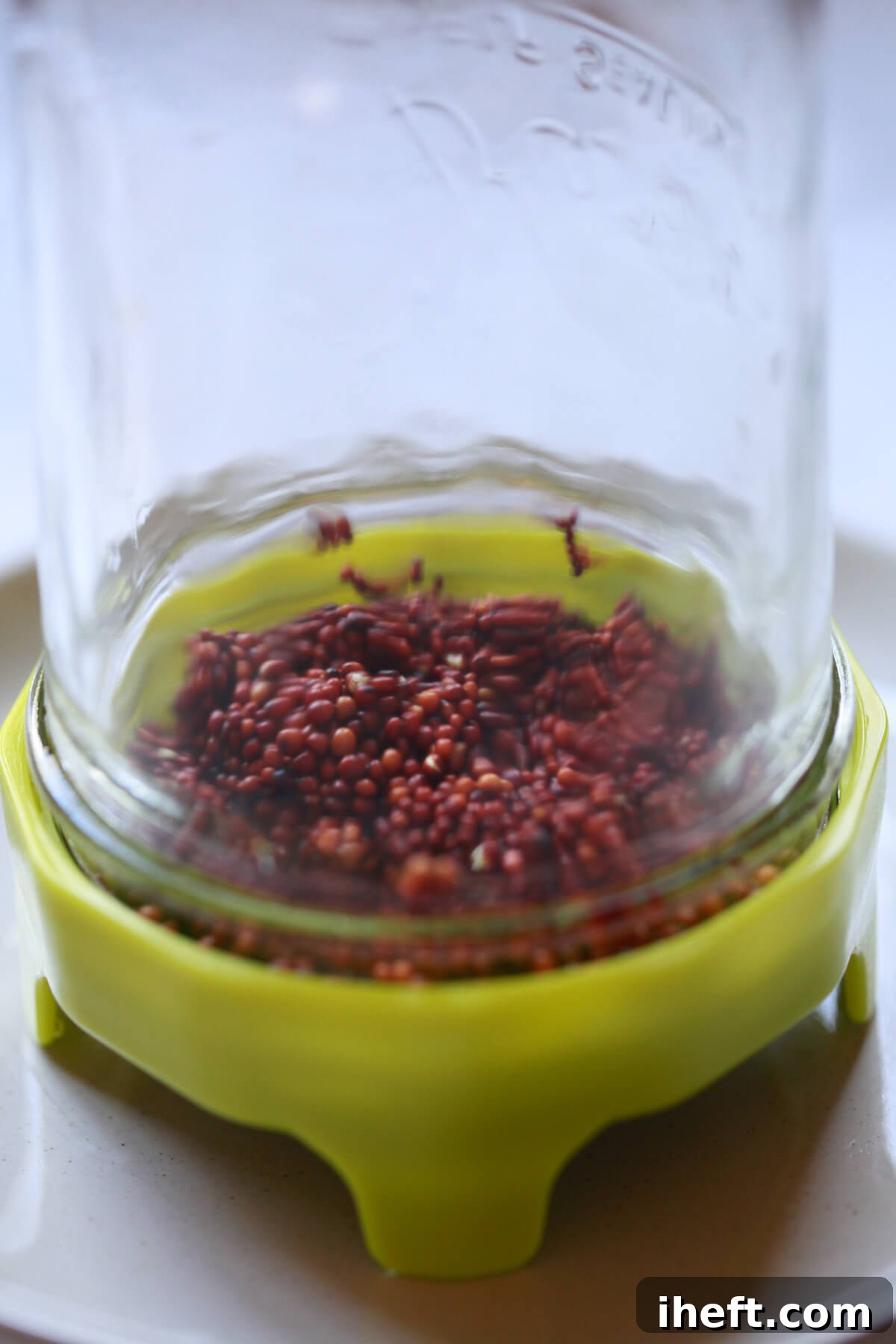
After the overnight soak, thoroughly drain all the soaking water from the jar through your sprouting lid or cheesecloth. It’s important to remove as much water as possible. Next, rinse the seeds generously with cool, filtered water. Gently swirl the jar and then drain again, ensuring no standing water remains. Turn the jar upside down and prop it at an angle in a dish rack or a bowl to allow any residual water to continue draining. This inverted, angled position is key to preventing waterlogging and promoting air circulation, which are vital for healthy sprout growth and to deter mold. Store the jar in a spot with good airflow, away from direct sunlight, at room temperature (ideally between 68-75°F or 20-24°C).
Step 3: Rinse, Drain, Repeat – Nurturing Your Growing Sprouts
This is the most critical and consistent step. You will need to rinse and drain your sprouts twice a day, approximately every 8-12 hours. Each rinse should be thorough: fill the jar with cool, filtered water, gently swirl, then drain completely. Once drained, return the jar to its inverted, angled position. Consistency is key here; regular rinsing keeps the sprouts hydrated and clean, while thorough draining prevents bacterial growth.
Over the next 3 to 5 days, you’ll observe exciting changes. Around day 2-3, tiny white roots will begin to emerge, followed by the appearance of small green leaves (cotyledons). By day 5, your broccoli sprouts should be fully grown, displaying vibrant green leaves and a fresh, earthy aroma. They are ready to harvest when they have developed small green leaves and are about 1-2 inches long.
Troubleshooting Tips:
- Mold vs. Root Hairs: Don’t confuse fuzzy white root hairs (which are normal) with actual mold. Root hairs are typically fine, white, and grow directly from the seed. Mold often appears as darker, irregular patches and might smell musty. If you suspect mold, discard the batch.
- Insufficient Growth: Ensure consistent rinsing and draining. Also, check that your seeds are fresh and specifically for sprouting.
- Too Dry/Too Wet: Adjust your draining method. If sprouts seem dry, they might not be draining completely. If they are slimy, they might be too wet.
Once your sprouts are ready, they’re a delicious and nutritious addition to your meals!
Storing Your Freshly Harvested Broccoli Sprouts
Proper storage is key to maintaining the freshness and extending the shelf life of your home-grown broccoli sprouts. I typically harvest my sprouts between days 3 and 5, when they’ve developed their characteristic green leaves and reach an optimal size.
Before storing, it’s absolutely essential to drain them exceptionally well. Any excess moisture will significantly shorten their lifespan and can encourage spoilage. After draining, gently pat them dry with a clean paper towel. Then, transfer the dried sprouts into a clean, airtight container. For best results, line the bottom of the container with a fresh paper towel to absorb any residual moisture. Place another paper towel on top of the sprouts before sealing the lid. This method helps keep them dry and crisp. Stored this way, your fresh broccoli sprouts will last for approximately one week in the refrigerator, ready to be enjoyed whenever you wish.
If you find yourself with an abundance of sprouts – a common and delightful problem for home growers – they can actually be frozen, much like how we freeze avocados or tomatoes to preserve their goodness. To freeze sprouts, ensure they are completely dry by spreading them out on a clean paper towel to air dry for a while, or gently patting them. Once dry, spread the sprouts in a single layer over a baking sheet and freeze for about 15-30 minutes until they are firm. This flash-freezing step prevents them from clumping together. Finally, transfer the frozen sprouts to a freezer-safe bag, removing as much air as possible, and store them in the freezer for up to 3 months. Frozen sprouts are best used in smoothies, soups, or cooked dishes, as their texture may change slightly after thawing.
Creative Ways How to Eat Broccoli Sprouts
Broccoli sprouts are incredibly versatile, adding a fresh, slightly peppery flavor and a satisfying crunch to a wide array of dishes. Their delicate texture and robust nutritional profile make them a perfect culinary companion. Here are some of the best and most popular ways to enjoy your freshly grown broccoli sprouts:
- Elevate Your Avocado Toast: Transform your morning avocado toast into a nutrient-packed meal by generously topping it with a handful of fresh broccoli sprouts. Their crispness and subtle zest beautifully complement the creamy avocado.
- Tossed in with Salads: Sprinkle broccoli sprouts into any salad for an instant nutritional boost and an added layer of texture. They pair wonderfully with leafy greens, roasted vegetables, and your favorite vinaigrette.
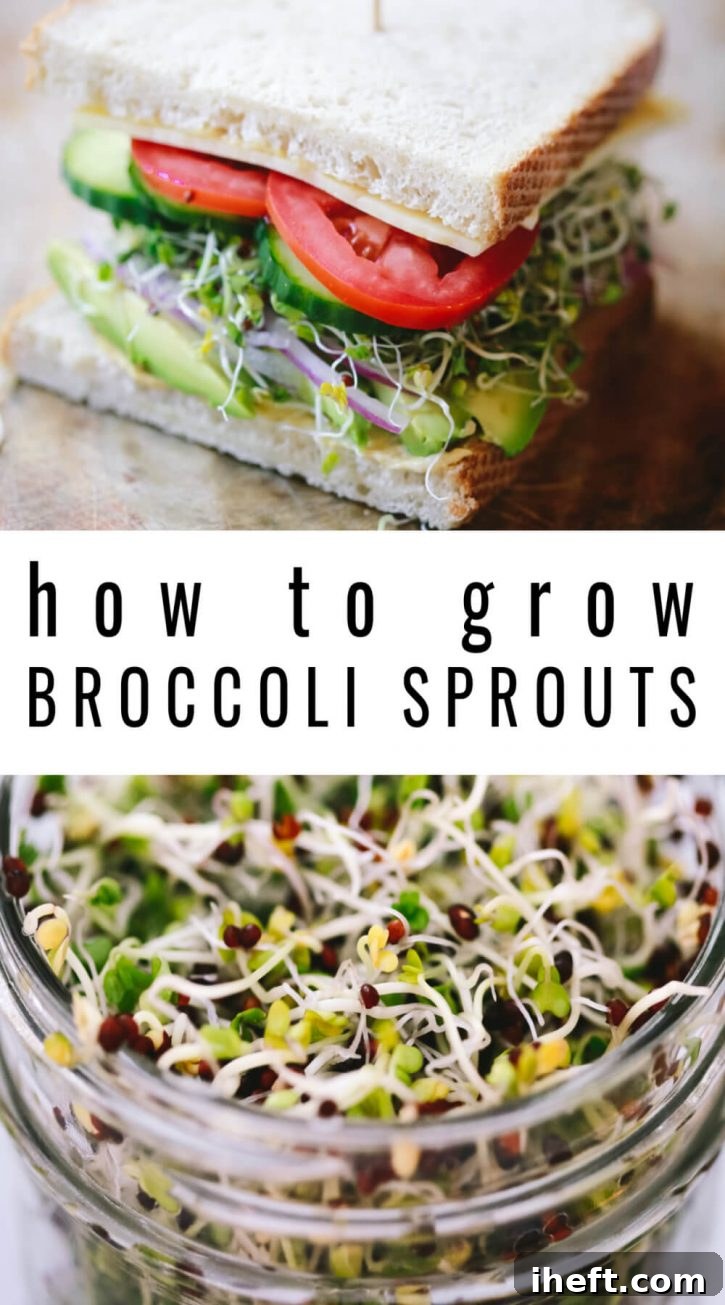
- In Savory Sandwiches and Burgers: Forget boring lettuce! Layer broccoli sprouts into your veggie sandwiches or use them to top off burgers. Their peppery kick adds an exciting dimension. Try them with tempeh, fresh lettuce, creamy avocado, and ripe tomatoes for a truly satisfying and healthy meal.
- As a Garnish on Soups and Stews: Just before serving, add a small mound of sprouts as a vibrant, healthy garnish to warm bowls of soup or hearty stews. The contrast of the cool, crisp sprouts against the warm, comforting liquid is delightful.
- Boost Fresh Juices and Smoothies: For an easy way to sneak in extra nutrients, blend a handful of broccoli sprouts into your daily fresh juices or morning smoothies. Their mild flavor won’t overpower other ingredients, making them an excellent hidden superfood.
- Cook into a Stir Fry: While many prefer sprouts raw to preserve their enzymatic benefits, they can also be lightly cooked. Add them at the very end of a stir-fry, just for a minute or two, to retain some crunch and warmth without overcooking.
- Mix into Wraps and Tacos: Replace or supplement lettuce in your favorite wraps, burritos, or tacos for an extra layer of flavor and texture.
- Sprinkle on Scrambled Eggs or Tofu Scramble: For a quick breakfast or brunch, top your scrambled eggs or a savory tofu scramble with fresh sprouts for a burst of color and nutrition.
The possibilities are endless! Experiment and discover your favorite ways to incorporate these nutrient-dense sprouts into your diet.
A Crucial Note on Sprout Safety: Preventing Contamination
While the benefits of broccoli sprouts are undeniable, it’s vital to address a significant concern: food safety. The warm, humid conditions that are ideal for sprouting seeds are unfortunately also a perfect breeding ground for harmful bacteria, such as E. coli and salmonella. These bacteria, if present on the seeds, can multiply rapidly during the sprouting process, posing a health risk.
Therefore, extreme vigilance regarding hygiene and sanitation is paramount when growing sprouts at home. Always start with high-quality, reputable sprouting seeds that have been specifically tested for pathogens. Thoroughly sterilize all your sprouting equipment – jars, lids, and any utensils – before each use. A good practice is to wash them with hot soapy water and then rinse them thoroughly or even sanitize them with a diluted bleach solution (then rinse extremely well) or run them through a dishwasher on a hot cycle. Store your sprouting jars in a clean area where they are unlikely to be contaminated by other food items or surfaces.
Before consuming your sprouts, always rinse them thoroughly under cold running water. Visually inspect your sprouts: they should look fresh, vibrant, and have a clean, earthy smell. If your sprouts appear slimy, discolored, or emit any off-putting or foul odors, it is safest to discard the entire batch immediately. Do not risk consumption if there’s any doubt about their freshness or safety.
Furthermore, the Academy of Nutrition and Dietetics, along with many health organizations, advises certain vulnerable populations to avoid eating all raw sprouts. This includes individuals with compromised immune systems (such as those undergoing chemotherapy, with HIV/AIDS, or organ transplant recipients), pregnant women, young children, and the elderly. For these groups, the potential risk of bacterial contamination, even with careful home sprouting, may outweigh the nutritional benefits. If you fall into one of these categories, it’s best to consult with your healthcare provider before adding raw sprouts to your diet. For everyone else, diligent hygiene and awareness are your best defenses against potential foodborne illness.
How to Grow Broccoli Sprouts
2 minutes
5 days
5 days 2 minutes
Growing broccoli sprouts at home is easy and fun! Here’s how to grow your own broccoli sprouts. They are very nutritious and a tasty addition to sandwiches, salads, and more.
Ingredients
- 2 tablespoons broccoli sprout seeds
- filtered water
Instructions
- Add the broccoli seeds to a quart-sized jar. Fill with about a cup of water. Cover the jar with a seed sprouting jar lid, or with a piece of cheesecloth and then the jar’s ring or rubber band. Swirl to combine and let soak overnight (or 6-12 hours).

- Drain the soaking water and rinse the seeds with cool/room temperature water. Turn the jar upside down and shake most of the water off the seeds. Store the jar upside down so that the water can continue to drain.
- Continue to rinse and drain twice a day (about every 8-12 hours) for the next 3 days. You’ll notice the seeds begin to sprout around day 3 and they will be fully sprouted by day 5.
- To harvest your sprouts, drain any water and transfer to a paper towel-lined food storage container. Store in the refrigerator for 5-7 days and use in sandwiches, salads, and smoothies.
Notes
Keep your sprouting jar at room temperature, out of direct sunlight in between rinses.
Recommended Products
As an Amazon Associate and member of other affiliate programs, I earn from qualifying purchases.
- Easy Rinse & Drain Plastic Sprouting Lids for Wide Mouth Mason Jars – 6 Pack
- Organic Broccoli Seeds for Sprouting by Food to Live
Nutrition Information:
Yield: 16
Serving Size: 1/2 cup
Amount Per Serving:
Calories: 4Total Fat: 0gSaturated Fat: 0gTrans Fat: 0gUnsaturated Fat: 0gCholesterol: 0mgSodium: 1mgCarbohydrates: 0gFiber: 0gSugar: 0gProtein: 1g
Nutrition information is automatically calculated by Nutritionix. I am not a nutritionist and cannot guarantee accuracy. If your health depends on nutrition information, please calculate again with your favorite calculator.