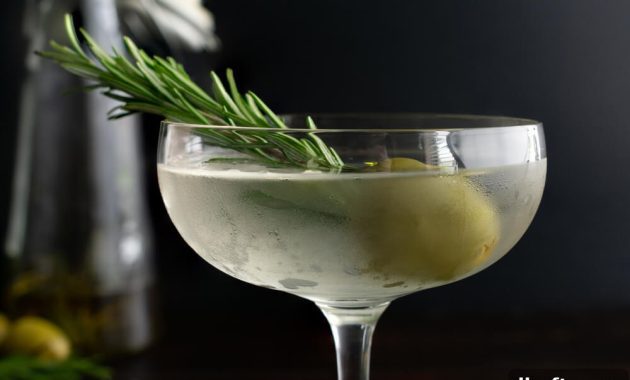
Crafting the Ultimate Dirty Martini
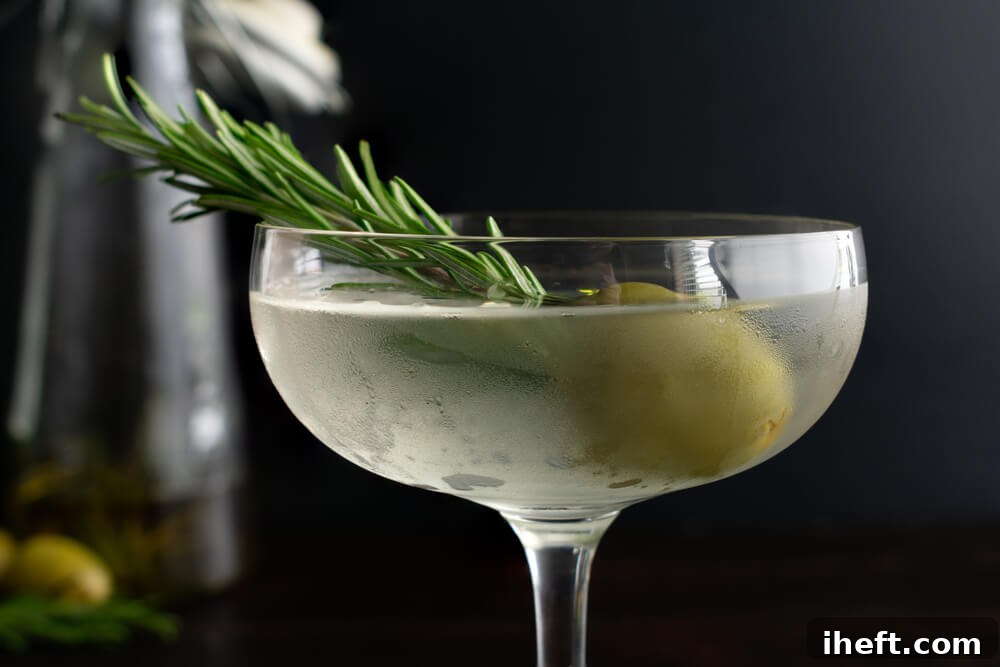
The martini. A symbol of sophistication, timeless elegance, and a true testament to the power of simplicity in mixology. Whether you prefer it classic, with a crisp gin foundation, or “dirty” with a savory olive brine kick, this iconic cocktail offers a refined experience that stands apart from overly sweet concoctions. From understanding its fundamental ingredients to mastering the art of ordering one at your favorite bar or crafting the perfect glass at home, this comprehensive guide will equip you with everything you need to know about the beloved martini, culminating in an exquisite dirty martini recipe that’s sure to impress.
The Enduring Appeal of the Martini: A Cocktail History
For many, the martini is more than just a drink; it’s an experience, a ritual, a nod to a bygone era of glamour. My own journey into the world of cocktails began with a dirty martini in my early twenties. There was an undeniable charm in sitting outdoors with a friend, sipping these potent, savory drinks, and savoring the accompanying olives. It felt sophisticated, a departure from the sugary mixed drinks common at the time.
The martini’s heritage is rich and deep. Tracing its exact origins is a spirited debate among historians, with several theories pointing to the late 19th or early 20th century. Some credit San Francisco’s Occidental Hotel during the California Gold Rush, while others look to Martinez, California, or even an early New York City bartender. Regardless of its precise birthplace, the martini quickly cemented its status as a quintessential American cocktail. My grandmother’s 1930s Old Mr. Boston Bartender’s Guide, a relic in itself, proudly features several variations, showcasing its long-standing popularity and adaptability.
If your palate, like mine, veers away from sugary drinks, embracing the clean, crisp, and robust profile of a classic or dirty martini might just transform your cocktail preferences. This guide delves into every facet of this legendary drink, ensuring you can appreciate, order, and craft the perfect martini every single time.
Mastering the Martini Order: Your Guide to Bar Etiquette
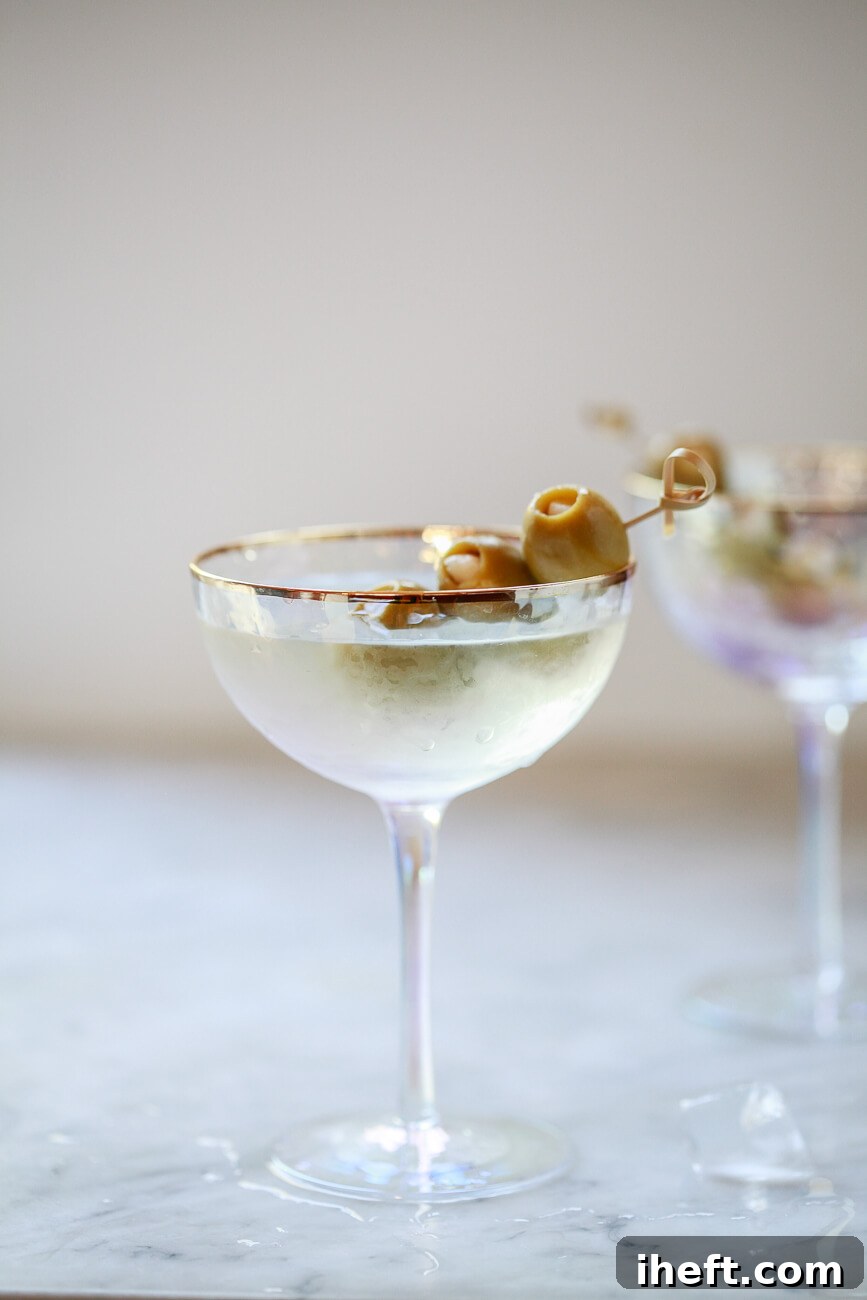
Ordering a martini at a bar or restaurant can feel like navigating a complex menu, but with a few key considerations, you’ll sound like a seasoned connoisseur. Bartenders appreciate a clear order, as it helps them craft your drink precisely to your taste. Here’s what you need to communicate:
1. Gin or Vodka? The Spirit of Choice
This is arguably the most fundamental decision. Traditionally, martinis are made with gin, offering a complex botanical flavor profile. However, vodka martinis gained immense popularity in the latter half of the 20th century, favored for their cleaner, more neutral taste. The server or bartender will almost always ask your preference. If you have a favorite brand of gin or vodka, don’t hesitate to mention it; a premium spirit can significantly elevate your martini experience.
2. Shaken or Stirred? The Iconic Debate
The famous “shaken, not stirred” line from James Bond has ingrained this choice into popular culture. But what’s the difference?
- Shaken: When a martini is shaken with ice, it tends to be colder and slightly more diluted, resulting in a lighter, sometimes cloudier appearance and a crisper texture. This method is often preferred for vodka martinis.
- Stirred: Stirring a martini with ice chills the drink without aerating it, leading to a denser, silkier texture and a clearer appearance. This is the traditional method for gin martinis, as it’s believed to preserve the gin’s delicate botanical aromas.
If you’re unsure, feel free to ask your bartender for their recommendation based on your spirit choice and desired texture.
3. Wet, Dry, or Perfect? The Vermouth Ratio
Vermouth, a fortified wine, plays a crucial role in balancing the martini. Your preference for “dry” or “wet” dictates the amount of vermouth used:
- Dry Martini: Contains very little to no vermouth. This results in a very spirit-forward, strong cocktail, emphasizing the gin or vodka.
- Wet Martini: Features a more generous pour of vermouth, adding a softer, more aromatic quality and slightly reducing the drink’s overall potency.
- Perfect Martini: Utilizes equal parts dry and sweet vermouth, creating a unique balance of savory and subtly sweet notes. While less common for dirty martinis, it’s an option for those seeking complexity.
Remember, vermouth has a lower alcohol content than gin or vodka, so a drier martini will inherently be stronger.
4. Dirty or Clean? The Olive Brine Factor
This is where the “dirty” martini gets its name. A dirty martini includes a splash of olive brine (juice) from the jar. The brinier, saltier flavor adds a delightful savory dimension that many adore. The bartender might even ask “how dirty would you like it?” – indicating you can specify “lightly dirty,” “medium dirty,” or “extra dirty” based on your preference for saltiness.
5. Up or On the Rocks? The Serving Temperature
Most martinis are served “up,” meaning without ice in the glass, and should be thoroughly chilled before serving. However, some prefer their martini “on the rocks,” served over fresh ice in a rocks glass, which allows for slower dilution and a colder sip over time. Always specify your preference.
6. Garnish: The Final Touch
The classic martini garnishes are a lemon twist (a strip of lemon peel twisted over the drink to release its oils) or green olives. For a dirty martini, olives are almost always the garnish of choice, often skewered. Other options include cocktail onions (for a Gibson) or even caper berries.
By considering these points, you can confidently order a martini tailored perfectly to your taste.
Unpacking the Martini: Key Ingredients Explored
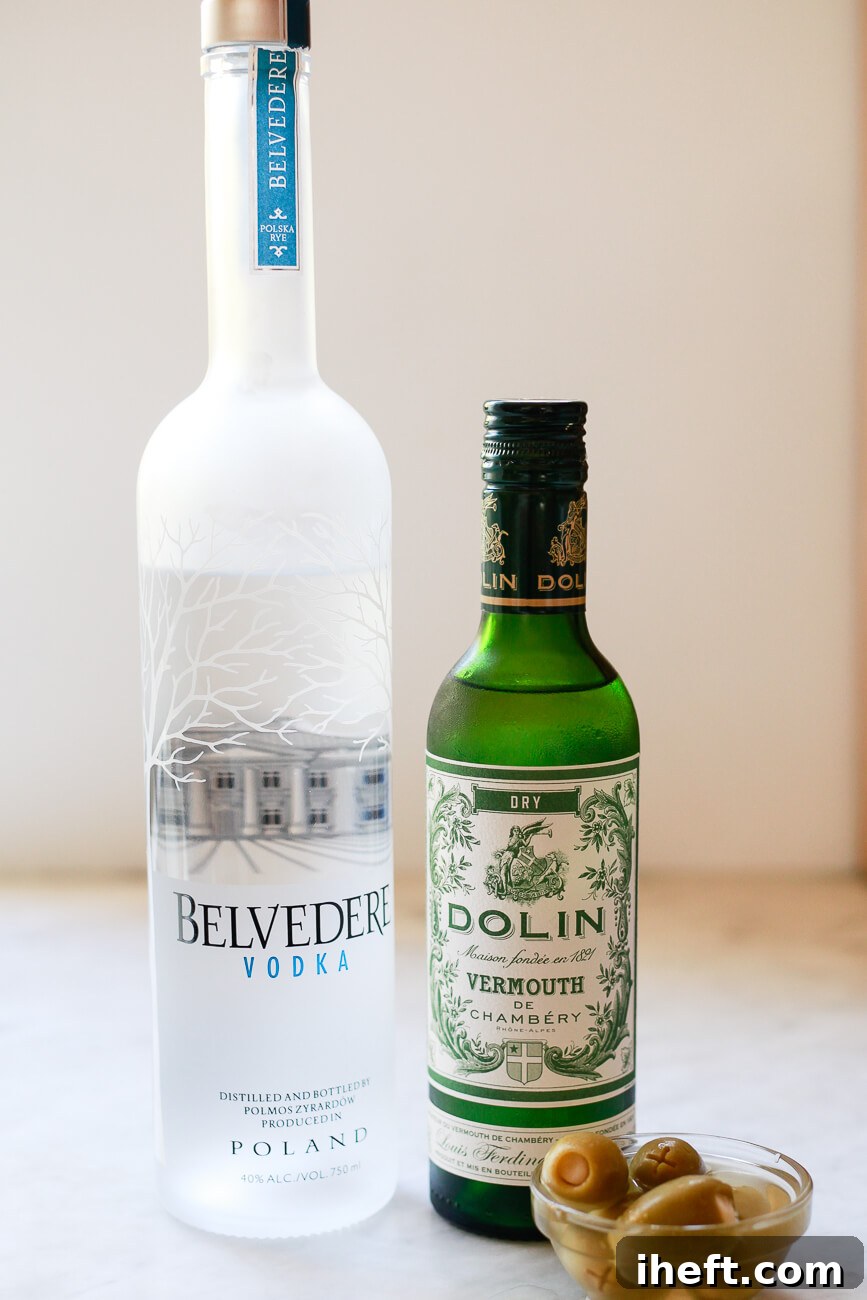
A true martini’s brilliance lies in its simplicity, typically comprising just three core ingredients. However, the quality and type of each component are paramount to the final taste.
1. The Base Spirit: Gin or Vodka
- Gin: The traditional choice, gin is a clear, grain-based spirit distilled with juniper berries and various botanicals (such as coriander, angelica root, citrus peel, and more). This botanical blend gives gin its distinctive, aromatic, and often complex flavor profile. Popular gin styles include London Dry (crisp, juniper-forward), Plymouth (earthier, slightly sweeter), and New Western Dry (less juniper-dominant, allowing other botanicals to shine). A classic gin martini truly showcases the quality of the gin.
- Vodka: A popular alternative, vodka is a clear spirit distilled from grains, potatoes, or other fermented substances. It’s known for its neutral flavor, making it a favorite for those who prefer a less botanical taste or wish to highlight other flavors in the cocktail (like the olive brine in a dirty martini). When choosing vodka for a martini, opt for a high-quality brand to ensure smoothness and a clean finish, as its subtlety means imperfections are easily detected.
2. The Aromatic Enhancer: Vermouth
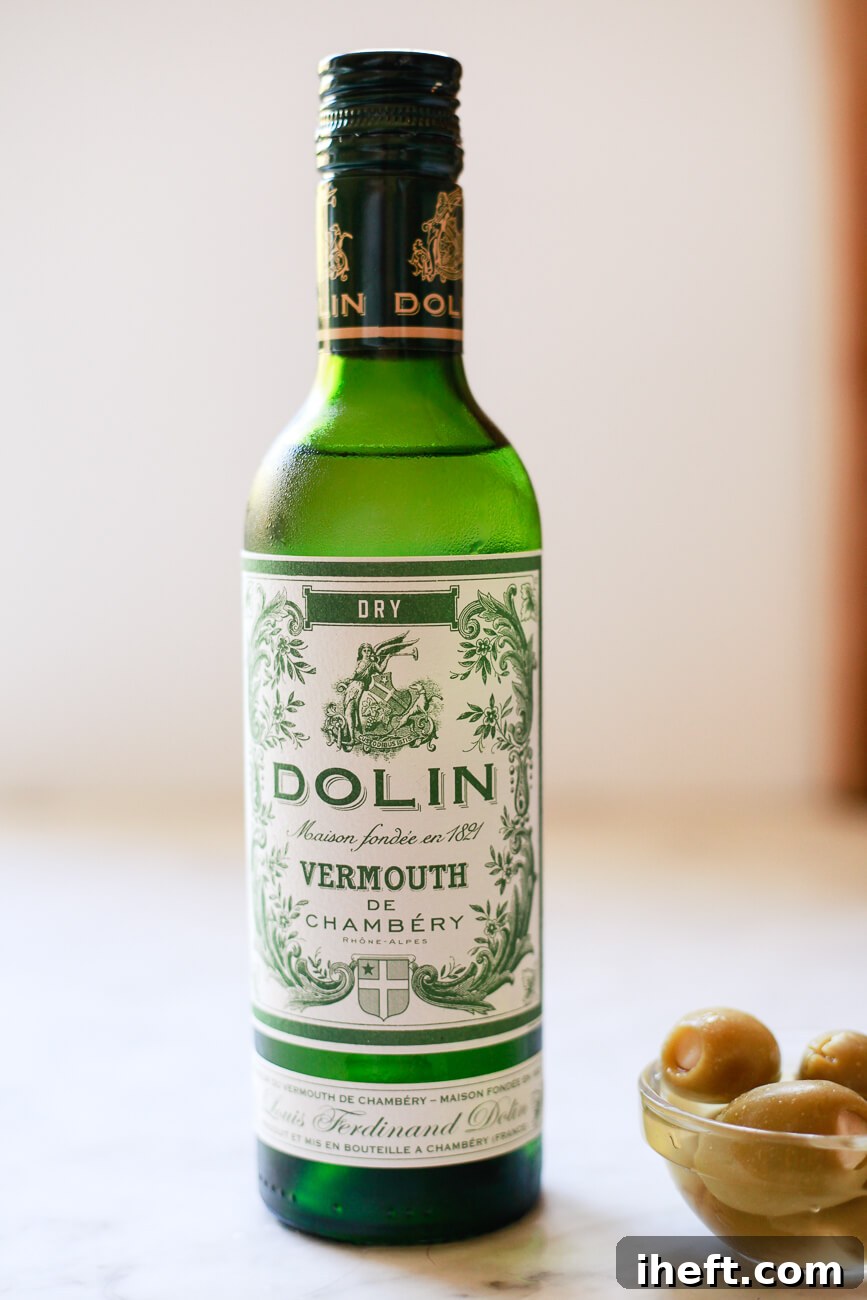
Vermouth is a fortified, aromatized wine, meaning it’s a wine strengthened with distilled alcohol and infused with various botanicals, spices, and herbs. It introduces a layer of complexity and aroma to the martini that balances the strong base spirit.
- Dry White Vermouth: This is the standard choice for martinis. It’s typically pale in color and has a less sweet, often herbaceous and slightly bitter flavor profile. Brands like Dolin, Noilly Prat, and Martini & Rossi are popular choices.
- Sweet Red Vermouth: While not used in a traditional or dirty martini, sweet vermouth (also known as Italian vermouth) is dark red and much sweeter, a key ingredient in cocktails like the Negroni or Manhattan.
- Bianco Vermouth: A lesser-known but delightful option, Bianco (or Blanc) vermouth is clear or pale, semi-sweet, and often features vanilla and floral notes. It can offer an interesting twist for those looking to experiment.
Crucially, vermouth is a wine and should be treated as such. Once opened, it should be refrigerated to preserve its delicate flavors and prevent spoilage. It generally lasts for about a month in the fridge before its flavor begins to degrade.
3. The Essential Chill: Ice
Martinis must be served ice-cold. This is achieved by vigorously shaking or stirring the ingredients with plenty of quality ice. The colder the drink, the smoother and more refreshing it tastes. Some purists opt for very cold ingredients and a thoroughly chilled glass, minimizing dilution. However, a slight dilution from the ice during preparation is often desirable, as it “opens up” the flavors of the spirits.
4. The Flavor Enhancer: Olive Brine (for Dirty Martinis)
The secret to a dirty martini lies in the olive brine, the salty, savory liquid from a jar of green olives. This brine transforms the cocktail, adding a distinct umami and salty kick that beautifully complements the gin or vodka. The amount of brine can be adjusted to your preference, from a subtle hint to a pronounced savory character.
5. The Garnish: A Visual and Aromatic Finish
Garnishes are not merely decorative; they add aromatic complexity and visual appeal:
- Green Olives: The quintessential garnish for a dirty martini, often two or three, skewered. Choose pitted green olives, such as Spanish Manzanilla or Castelvetrano. For an extra flavor dimension, consider garlic-stuffed, pimento-stuffed, or even jalapeño-stuffed olives.
- Lemon Peel (Lemon Twist): For a classic martini, a strip of lemon peel twisted over the glass releases essential oils, adding a bright, citrusy aroma.
- Cocktail Onions: The defining garnish for a Gibson martini, these small pickled onions add a sharp, piquant note.
What is a Dirty Martini? A Deeper Dive
A dirty martini is a classic martini with an additional, distinctive ingredient: olive brine. This simple addition transforms the crisp, clean profile of a traditional martini into a savory, umami-rich experience. The “dirtiness” refers to the slightly cloudy appearance imparted by the brine, as well as the bold, salty flavor it contributes.
The beauty of a dirty martini is its customizability. You dictate just how “dirty” you want it. Some prefer a subtle whisper of brine for a hint of saltiness, while others, like myself, relish a generous splash that makes the martini truly briny and robust. Experimentation is key to finding your perfect balance.
When selecting olives for your dirty martini and its garnish, always opt for pitted green olives. While classic plain green olives are excellent, exploring different stuffed varieties can introduce exciting new flavors. I particularly enjoy using Garlic or Jalapeno Stuffed Martini Olives from Delallo, which infuse an extra layer of zesty or spicy complexity into each sip.
Crafting the Perfect Dirty Martini at Home
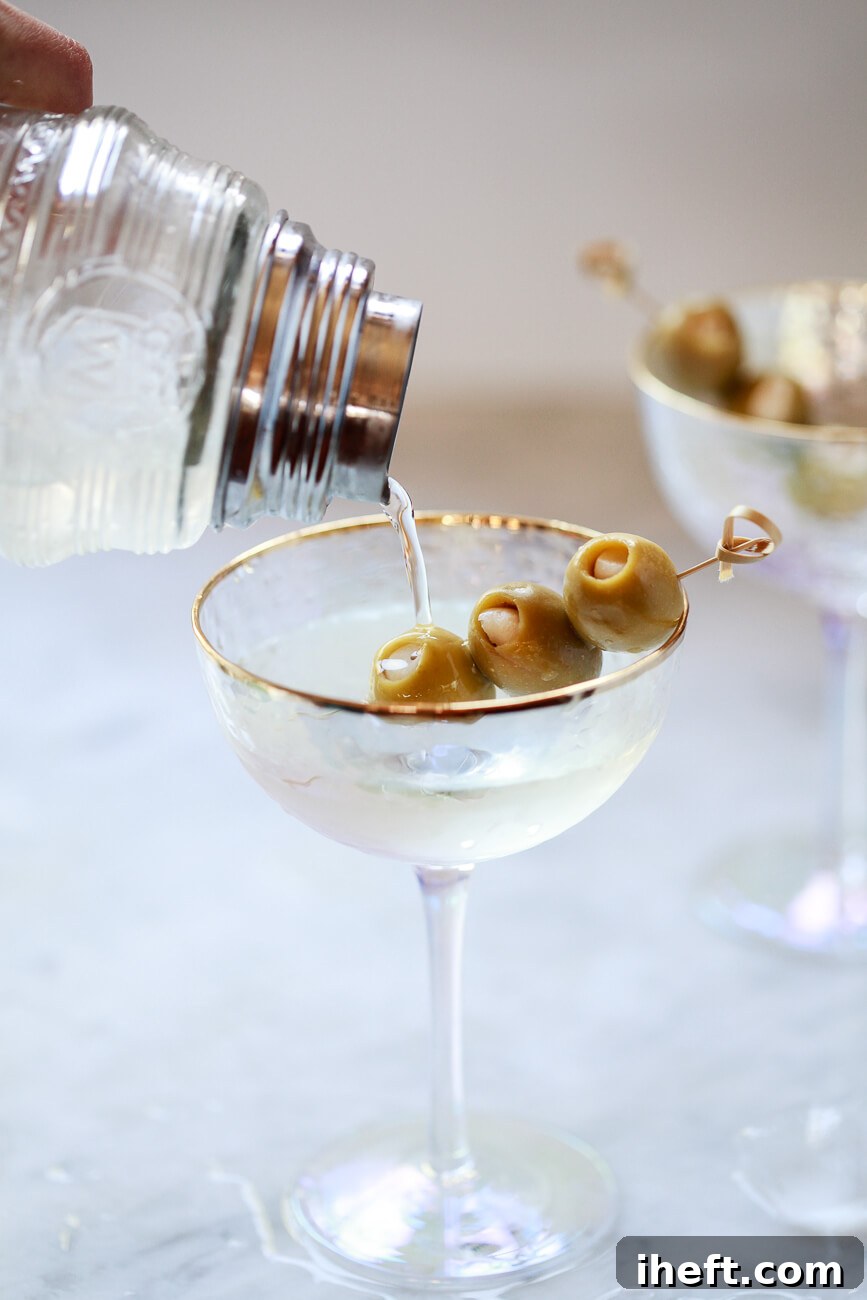
While James Bond made the martini seem like a drink exclusively for international spies, crafting a sophisticated dirty martini at home is surprisingly straightforward. It requires minimal equipment and fresh, high-quality ingredients.
Recipe: The Ultimate Dirty Martini
Learn how to make a classic martini or dirty martini with this simple recipe.
Dirty Martini
3 minutes
3 minutes
Learn how to make a classic martini or dirty martini with this simple recipe.
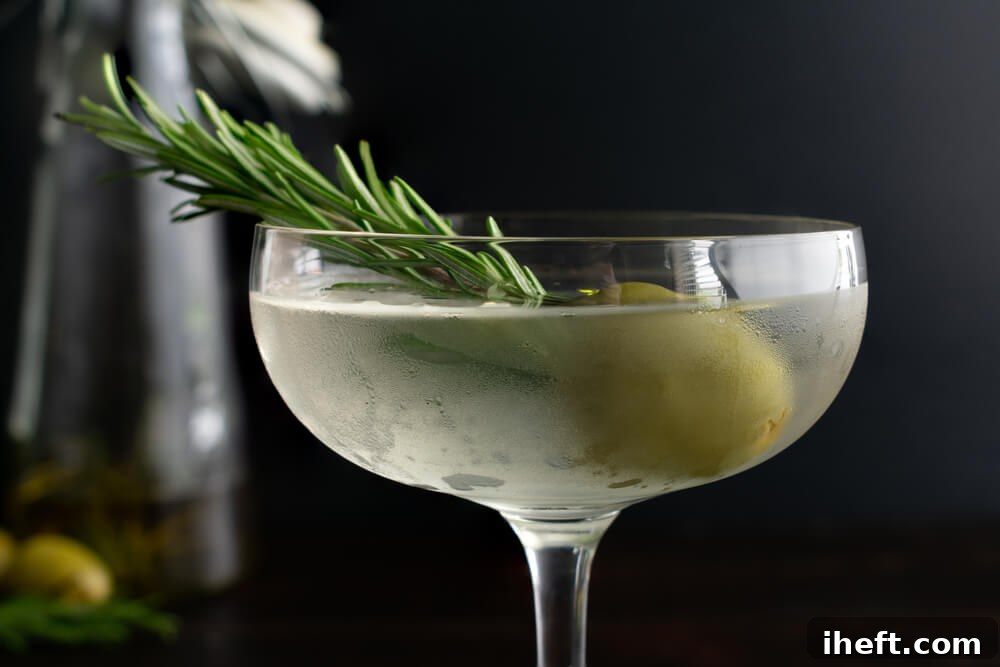
Ingredients
- 2 1/2 ounces gin or vodka
- 1/2 ounce dry vermouth
- 1-2 teaspoons olive brine (for a dirty martini)
- Ice
- 2-3 olives (for garnish)
Instructions
- Chill Your Glass: Begin by placing your martini glass (coupe or V-shaped) in the freezer for at least 5-10 minutes. A super-chilled glass is crucial for maintaining the martini’s icy temperature.
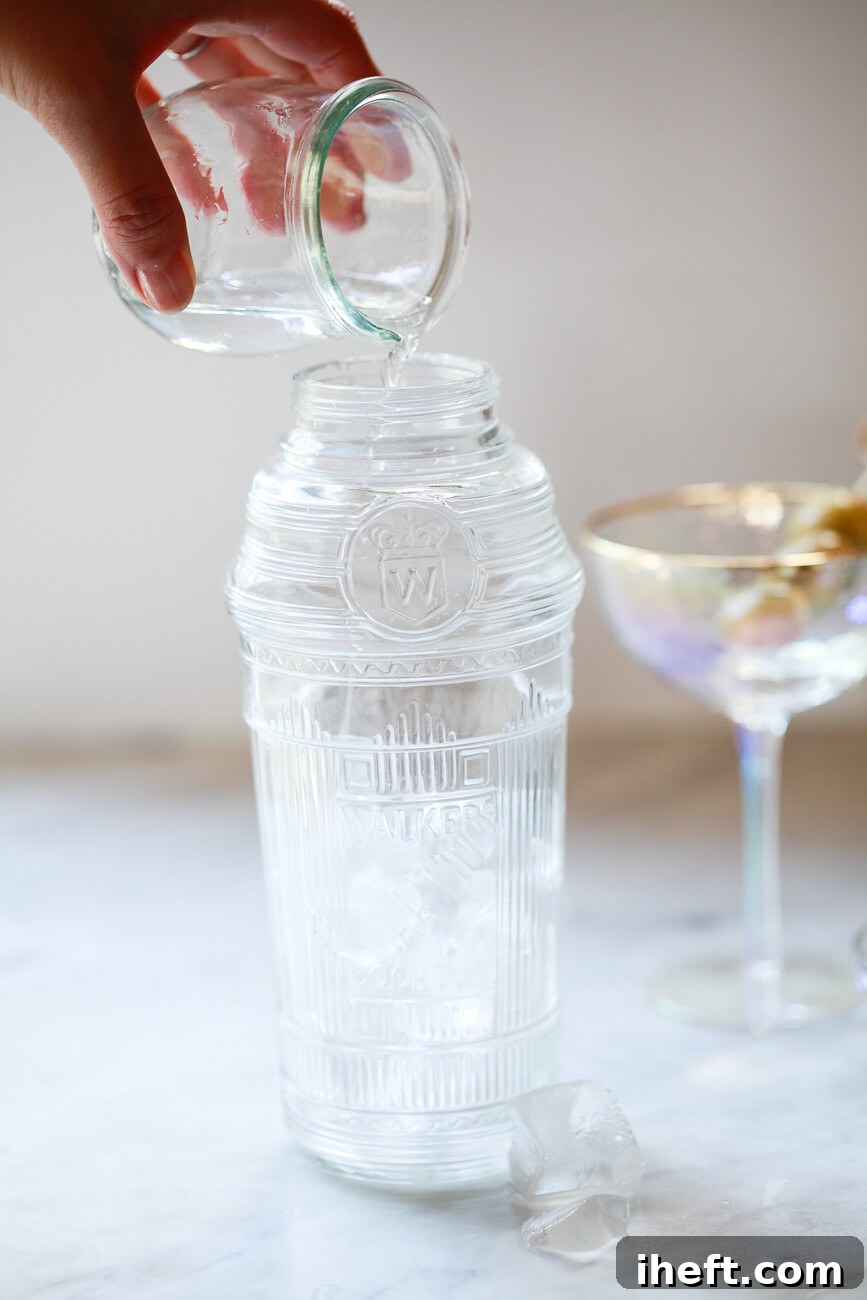
- Combine Ingredients: Pour the gin or vodka, dry vermouth, and olive brine into a cocktail shaker filled with plenty of fresh ice. If you don’t have a dedicated cocktail shaker, a mason jar with a tight-fitting lid works perfectly as a substitute.
- Shake Vigorously: Secure the lid and shake vigorously for about 30 seconds, until the shaker is thoroughly frosted on the outside. This ensures the martini is exceptionally cold and perfectly blended.

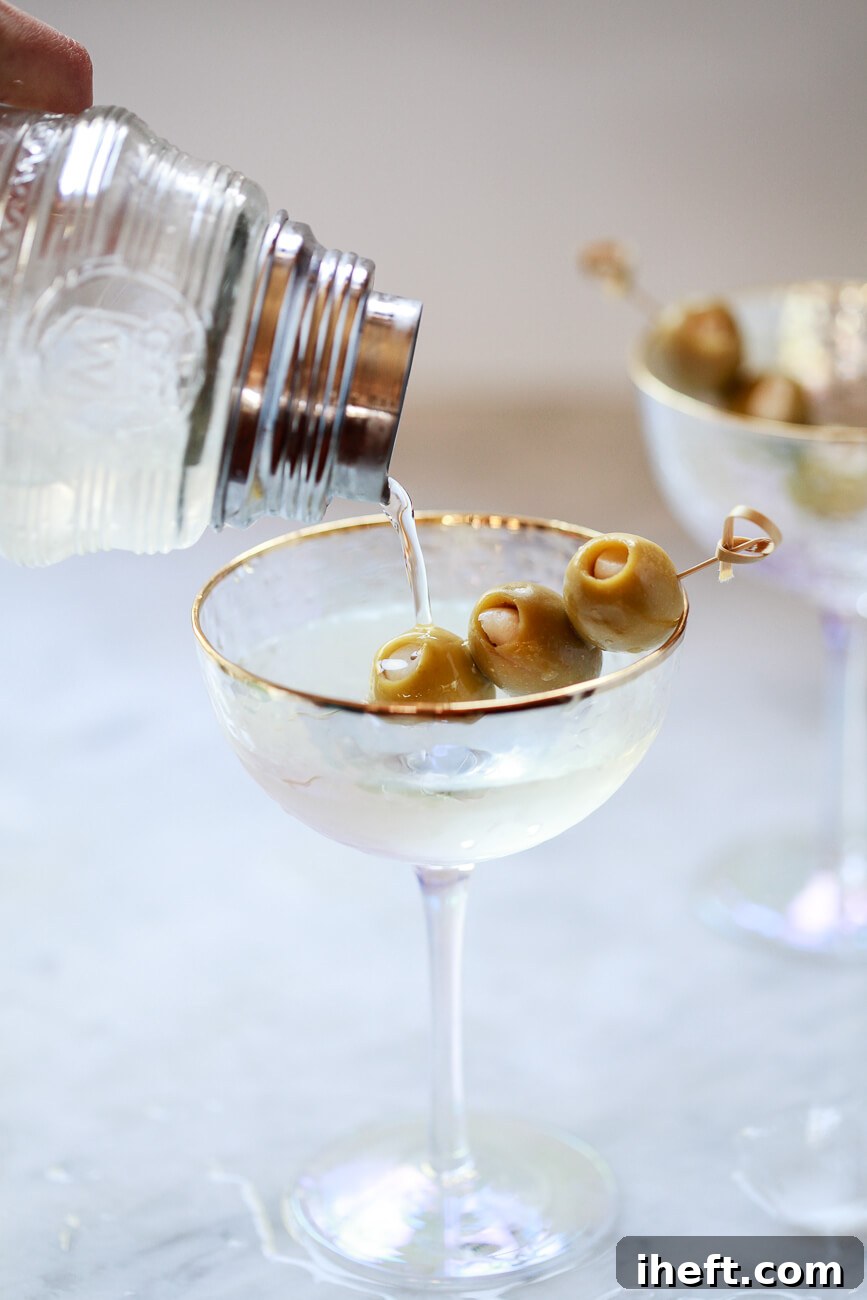
- Strain and Garnish: Remove your chilled glass from the freezer. Using a cocktail strainer, strain the martini directly into the glass. Garnish immediately with 2-3 green olives, ideally skewered on a cocktail pick for an elegant presentation.
- Serve Immediately: Enjoy your perfectly crafted dirty martini right away while it’s still at its peak, ice-cold temperature.
Notes for the Perfect Martini
This recipe specifically caters to a dirty martini, celebrated for its salty, briny flavor and a touch of dilution. For a classic martini, simply omit the olive juice. Garnish a classic martini with olives, a twist of fresh lemon peel, or a cocktail onion for a Gibson.
The exact ratio of vermouth is a matter of personal taste. Some aficionados prefer a “wet” martini with more vermouth, while others opt for a “dry” martini, using only a whisper or even none at all. Remember that vermouth has a lower alcohol content than gin or vodka, so the less you use, the stronger the final drink will be. Experiment to find your ideal balance.
Given that a martini contains only a few ingredients, selecting high-quality spirits and olives is crucial. Invest in a good gin or vodka, a reputable dry vermouth, and premium pitted green olives. Garlic, jalapeño, or pimento-stuffed olives all work exceptionally well, adding an extra layer of flavor and intrigue to your dirty martini.
Nutrition Information:
Yield: 1
Serving Size: 1 martini
Amount Per Serving:
Calories: 120Saturated Fat: 0gTrans Fat: 0gCholesterol: 0mgSugar: 0gProtein: 0g
Nutrition information is automatically calculated by Nutritionix. I am not a nutritionist and cannot guarantee accuracy. If your health depends on nutrition information, please calculate again with your favorite calculator.
Ideal Pairings: What to Serve with Martinis at Home
The savory, potent nature of a martini makes it an excellent aperitif, designed to whet the appetite before a meal. It pairs beautifully with rich, salty, and umami-driven snacks that complement its profile without overpowering it. When hosting or simply enjoying a martini, consider these elegant accompaniments:
- Sweet Potato Crostini: The subtle sweetness of sweet potato toast, especially when topped with savory elements like goat cheese, caramelized onions, or even smoked salmon, provides a delightful contrast to the martini’s robust flavor.
- Hummus Crostini: Creamy hummus on crisp crostini, perhaps with a drizzle of olive oil or a sprinkle of paprika, offers an earthy, satisfying bite that complements the olive notes in a dirty martini.
- Homemade Hummus and Crudités: A fresh, homemade hummus served with an array of vibrant, crunchy vegetables like cucumber sticks, carrot batons, bell pepper strips, and cherry tomatoes makes for a light yet flavorful pairing that cleanses the palate between sips.
- Artisan Cheese Board: Select a variety of cheeses – a sharp cheddar, a creamy brie, and a salty blue cheese – alongside crackers, fig jam, and cured meats. The richness of the cheese and meat stands up wonderfully to the martini’s intensity.
- Smoked Salmon Blinis: Mini blinis topped with crème fraîche, smoked salmon, and a sprig of dill create a luxurious appetizer that harmonizes with the martini’s sophisticated character.
- Marinated Olives and Nuts: For a simple yet effective pairing, serve a bowl of high-quality marinated olives (perhaps alongside the ones used for your martini) and a mix of seasoned nuts.
The key is to offer small, flavorful bites that enhance, rather than compete with, the martini experience. These pairings elevate your cocktail hour into a truly memorable event.
Beyond the Basics: Tips for Martini Perfection
- Quality Matters: As martinis have so few ingredients, the quality of each one is paramount. Use a premium gin or vodka and a good quality dry vermouth.
- Keep it Cold: Always chill your martini glass beforehand. The colder the glass and ingredients, the better the martini.
- Fresh Vermouth: Vermouth is wine and will spoil. Store it in the refrigerator after opening and use it within a month or so for optimal flavor.
- Experiment with Olives: Don’t be afraid to try different types of stuffed olives (garlic, jalapeño, blue cheese) for varying dirty martini profiles.
- Balance is Key: Adjust the amount of vermouth and olive brine to suit your personal taste. There’s no single “correct” ratio, only your preferred one.
The Enduring Legacy of the Martini
The martini, in all its iterations, remains a testament to the art of minimalist mixology. Its enduring appeal lies in its clean profile, customizable nature, and the sheer elegance it exudes. Whether you’re a purist who prefers a gin martini with the slightest whisper of vermouth, or an enthusiast of the savory, briny kick of a dirty vodka martini, this cocktail offers a sophisticated drinking experience unlike any other.
Mastering the martini, from confidently ordering one to expertly crafting it at home, opens up a world of timeless enjoyment. So, embrace the nuances of gin versus vodka, the debate between shaken and stirred, and the delicious decision of how dirty to go. Here’s to raising a glass to the iconic martini – a truly classic cocktail that continues to captivate and delight across generations.