Beyond Tarragon: Flavorful Substitutes
Discovering the Perfect Tarragon Substitute: A Comprehensive Guide to Flavorful Alternatives
Tarragon, with its distinct anise-like flavor profile, is a culinary herb celebrated for its ability to elevate a wide array of dishes. Often described as tasting like a delicate blend of licorice and vanilla with a hint of pepper, this aromatic herb is a staple in French cuisine, particularly renowned for its role in classic sauces like Béarnaise. Whether you’re a seasoned chef or a home cook experimenting with new flavors, tarragon adds an undeniable elegance and depth that can transform an ordinary meal into something extraordinary.
However, finding fresh tarragon can sometimes be a challenge, especially outside of its peak season in spring and early summer. Perhaps you’re halfway through a recipe only to realize your herb garden is bare, or the local grocery store is out of stock. Whatever the reason, running out of tarragon doesn’t have to derail your culinary plans. The good news is that several excellent tarragon substitutes can come to your rescue, ensuring your dish still achieves a delicious and satisfying flavor.
This comprehensive guide will explore the best tarragon alternatives, delving into their unique flavor profiles, optimal uses, and recommended substitution ratios. By understanding the nuances of each replacement, you can confidently choose the ideal herb or spice to complement your dish, maintaining the essence of the original recipe while perhaps even discovering a new favorite flavor combination. Don’t let a missing ingredient stand between you and a magnificent meal – embrace the art of substitution and unlock a world of culinary possibilities.
Understanding Tarragon: The Star of French Cuisine
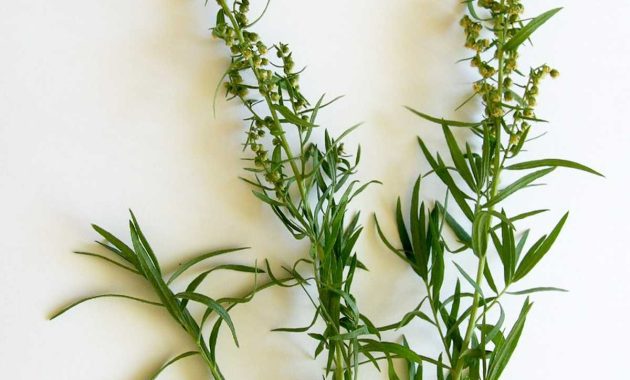
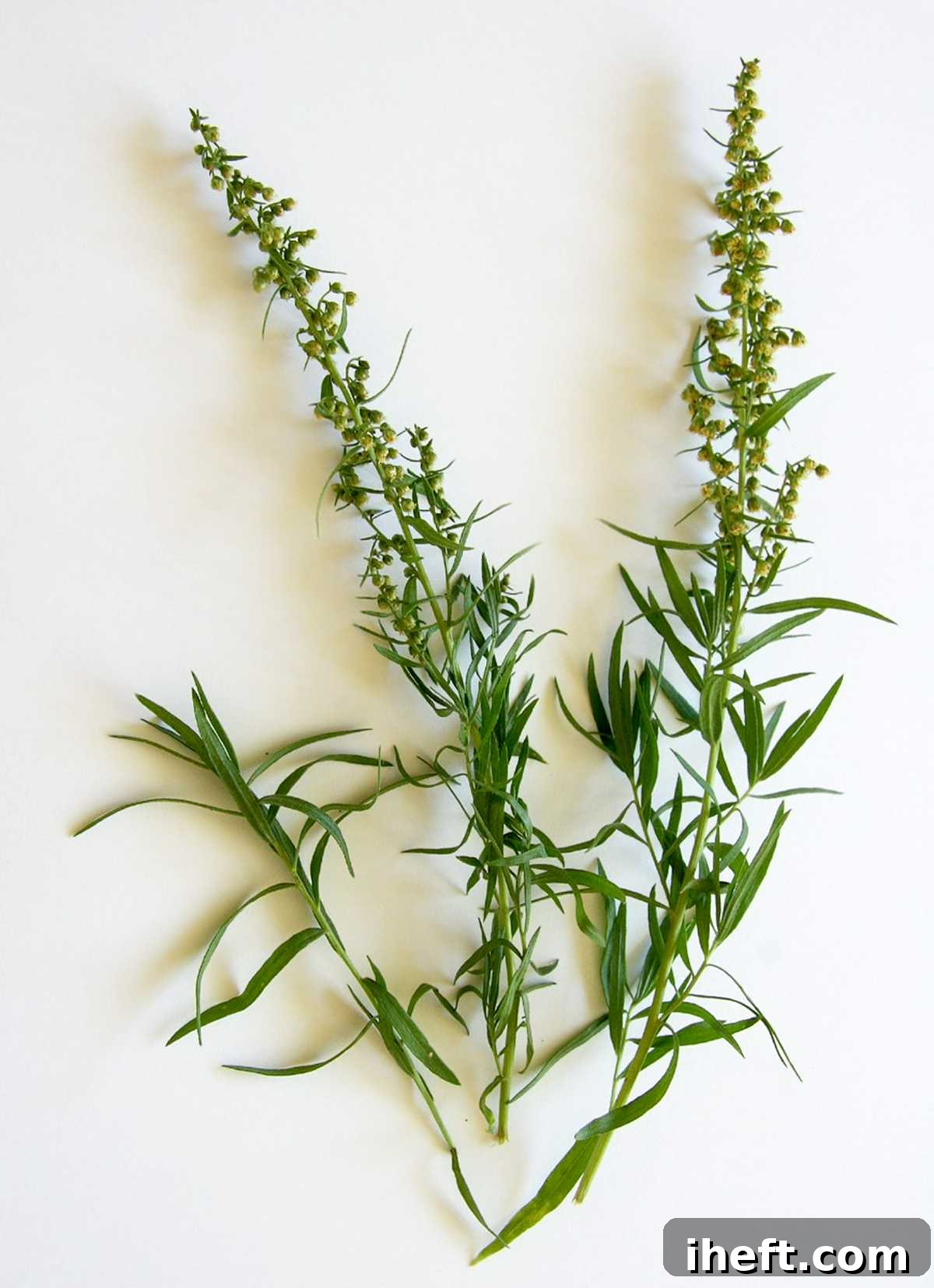
Before we dive into substitutes, it’s helpful to appreciate what makes tarragon so special. The most commonly used variety is French tarragon (Artemisia dracunculus ‘Sativa’), prized for its delicate yet pungent flavor. Its characteristic notes of anise and licorice are intertwined with subtle hints of pine and mint, providing a complex and sophisticated taste that is both fresh and slightly sweet. This unique flavor makes it indispensable in dishes where a light, aromatic touch is desired.
Tarragon is particularly prevalent in French cuisine, forming a key component of the “fines herbes” blend alongside parsley, chives, and chervil. It pairs beautifully with a variety of ingredients, enhancing the flavors of poultry, fish, eggs, and vegetables. Its bright, herbaceous quality also makes it an excellent choice for acidic foods like citrus fruits and vinegars, often found in vinaigrettes and marinades. The herb is especially popular in spring and summer cooking, where its fresh taste harmonizes with lighter fare. Think elegant chicken dishes, delicate fish preparations, vibrant salads with avocado, and, of course, the iconic Béarnaise sauce.
When you’re faced with a recipe calling for this distinctive herb and find your pantry lacking, don’t despair! The following alternatives offer a spectrum of flavors that can either closely mimic tarragon’s profile or provide a delightful, complementary twist to your dish.
Top Tarragon Substitutes to Elevate Your Cooking
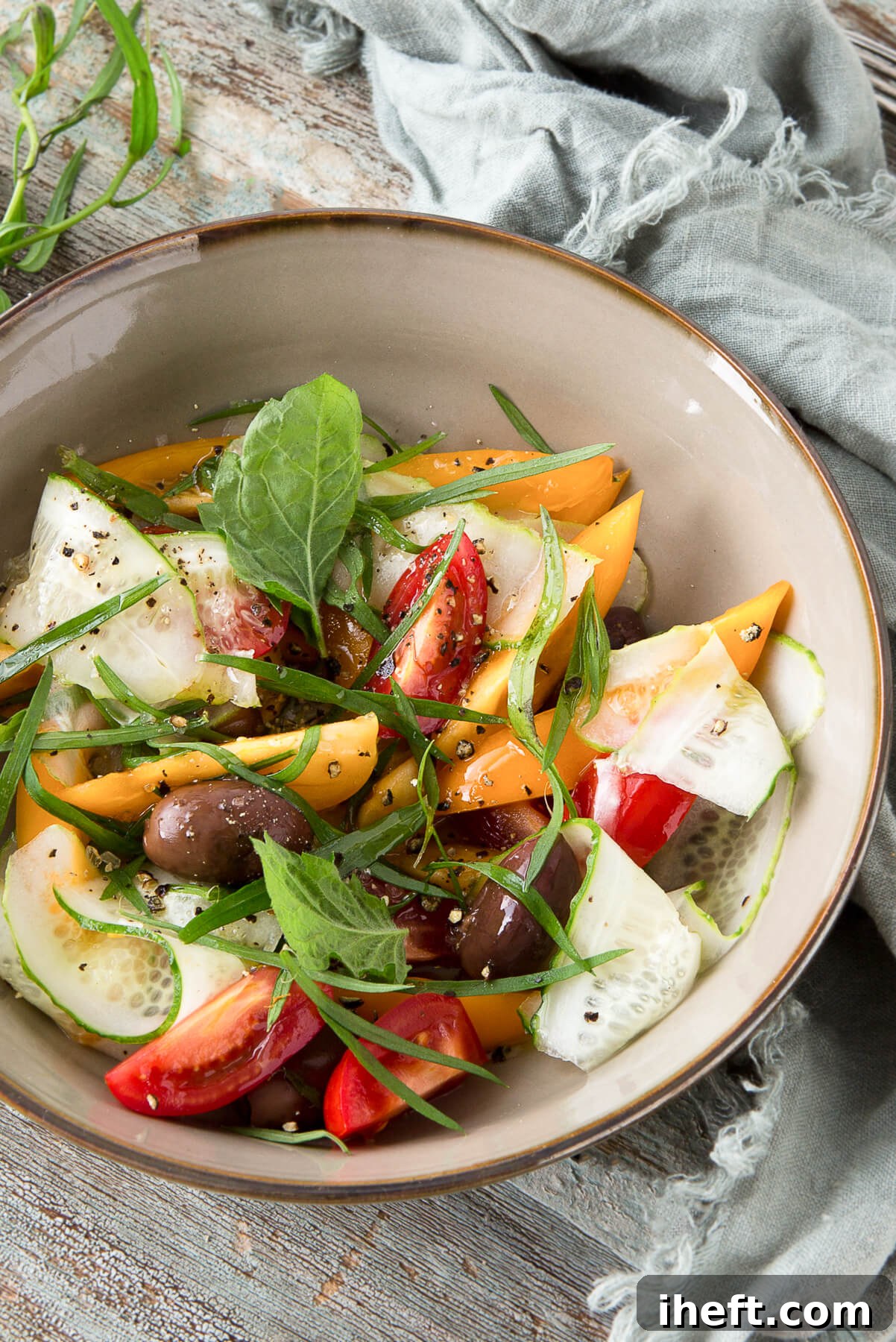
Here’s a detailed look at the best options to use when fresh or dried tarragon isn’t available:
1. Dried Tarragon (The Obvious Choice)
If your recipe specifies fresh tarragon and you only have the dried version, or vice versa, this is often the most straightforward swap. Dried tarragon retains much of the herb’s signature anise-like flavor, though it tends to be more concentrated and slightly more bitter than its fresh counterpart. It’s also often easier to find year-round than fresh sprigs.
When substituting dried tarragon for fresh, remember the golden rule of conversions: dried herbs are generally more potent. A good starting point is to use one-third the amount of dried herb for fresh. Specifically, for every tablespoon of fresh tarragon called for, substitute with one teaspoon of dried tarragon. Always start with less and taste the dish before adding more, as flavor intensity can vary between brands. Dried tarragon works well in cooked dishes where its flavor has time to meld, such as stews, soups, and roasted meats.
2. Fresh Basil (Aromatic and Accessible)
Fresh basil is a popular herb that’s typically easy to find in most grocery stores year-round, making it a convenient tarragon substitute. While its flavor profile isn’t an exact match, basil offers a sweet, peppery, and slightly minty taste that can provide a lovely herbaceous quality to your dishes. Some varieties of basil, particularly Thai basil, even carry a hint of anise, making them an even closer match.
You can substitute fresh basil for fresh tarragon at a 1:1 ratio. Because basil leaves are generally larger than tarragon leaves, it’s a good idea to thinly slice or chiffonade them before adding to your recipe. This not only helps mimic the texture but also releases its aromatic oils more effectively. Basil is a fantastic alternative in pasta dishes, salads, and when flavoring soups, fish, and poultry, adding a vibrant freshness to your meal.
3. Chervil (The Closest Cousin)
Chervil is often hailed as the closest culinary cousin to tarragon. It belongs to the same family as parsley, and its delicate, subtle flavor shares the distinct anise undertones of tarragon, combined with a whisper of parsley and chives. Its mild and refined taste makes it an excellent choice if you’re aiming to replicate tarragon’s nuanced flavor as accurately as possible without overwhelming your dish.
You can substitute chervil for tarragon at a 1:1 ratio, especially in recipes where tarragon is a prominent flavor. Since chervil has a milder profile, don’t hesitate to add a little extra if you desire a more pronounced flavor. It’s particularly ideal for delicate dishes and is a superb choice for classic French preparations like Béarnaise sauce, vinaigrettes, salads, and egg dishes, where its fresh, clean taste can truly shine.
4. Dill (Fresh and Pungent)
Dill is another popular fresh herb known for its feathery fronds and distinctive taste. While it doesn’t possess the same strong anise character as tarragon, dill offers a fresh, slightly tangy, and herbaceous flavor that can work wonderfully as an alternative. It provides a bright, refreshing quality that complements many of the same ingredients as tarragon, particularly seafood.
Use fresh dill as a 1:1 substitute for fresh tarragon. It’s an especially delicious choice if you or your dining companions are not fond of the pronounced licorice notes of tarragon but still desire a fresh, savory herb. Dill truly excels in seafood dishes, particularly salmon, as well as in potato salads, creamy sauces, and marinades for poultry. Its unique zest can bring an unexpected, delightful twist to your favorite French-inspired meals.
5. Fennel (Bold Anise Notes)
Fennel, whether in its bulb form, fronds, or seeds, is an excellent tarragon substitute due to its robust and clear anise flavor. The bulb offers a crisp texture and milder anise taste, while the fronds are more delicate and herbal. Fennel seeds, however, pack the most concentrated anise punch, making them a powerful replacement for tarragon’s signature note.
If using fresh fennel fronds, you can substitute them for fresh tarragon at a 1:1 ratio. For fennel bulbs, chop them finely and use them in cooked dishes. If using potent fennel seeds, start with a very small amount, around 1/16 of a teaspoon for every tablespoon of fresh tarragon, and gradually add more to taste. The key is to avoid overdoing it, as fennel’s strong flavor can quickly dominate a dish. Fennel works beautifully in soups, vegetable side dishes, citrus-based recipes, and salads, providing a similar flavor explosion to tarragon.
6. Anise (Pure Licorice Essence)
Also known as aniseed or anise seed, this spice is a superb tarragon substitute because it directly delivers the intense licorice-like flavor that is characteristic of tarragon. In fact, many culinary experts consider anise to be the perfect aromatic bridge between tarragon and fennel, offering a pure expression of the desired flavor profile.
Given its highly concentrated flavor, anise should be used sparingly. Begin with just a pinch of ground anise seed to replace each tablespoon of fresh tarragon (or 1 teaspoon of dried tarragon) called for in your recipe. Taste and adjust as needed, adding tiny increments until you achieve the desired depth. Anise is an ideal substitute for tarragon in broths, creamy sauces, hearty stews, and savory soups, where its potent flavor can be gradually incorporated to enhance the overall taste of the dish.
7. Marjoram (Earthy and Aromatic)
While marjoram won’t replicate tarragon’s anise flavor, it offers a distinct earthy, slightly woody, and subtly floral taste that can be a fantastic substitute in a pinch. Marjoram is similar to oregano but generally milder and sweeter, with a more delicate aroma. Its comforting flavor profile makes it a versatile herb that can enhance a wide range of dishes where tarragon’s herbaceous quality is desired, even if the specific licorice note is absent.
If substituting dried marjoram for dried tarragon, use a 1:1 ratio. If replacing fresh tarragon with dried marjoram, remember to use less – typically about one-third the amount (e.g., 1 teaspoon dried marjoram for 1 tablespoon fresh tarragon), as its flavor is more concentrated when dried. Marjoram is an excellent option for pasta sauces, poultry dishes, roasted vegetables, and homemade salad dressings, providing a warm and inviting flavor to your cooking.
8. Angelica (Aromatic and Complex)
Angelica, though perhaps not as common in everyday kitchens, makes a surprisingly tasty and effective tarragon substitute, particularly in recipes that call for dried tarragon. Its flavor profile is a delightful blend that hints at both fennel and dill, giving it a subtle anise-like quality combined with a fresh, herbaceous essence. It offers a complexity that can beautifully mimic some of tarragon’s more nuanced notes.
When substituting angelica for dried tarragon, a 1:1 ratio is generally appropriate. If you’re using it to replace fresh tarragon, start with approximately one teaspoon of dried angelica for every tablespoon of fresh tarragon, adjusting to taste. Angelica truly shines in savory applications such as soups, stews, fish preparations, and poultry dishes, where its unique aromatic qualities can infuse the meal with a memorable flavor. Its availability might be limited, but if you can find it, it’s definitely worth a try.
9. Parsley and Cinnamon (The Unexpected Duo)
This might seem like an unconventional pairing, but when combined, fresh parsley and a touch of cinnamon can remarkably mimic the flavor profile of tarragon, especially in richer sauces. Parsley contributes the fresh, herbaceous green notes, while cinnamon provides a warm, slightly sweet, and aromatic depth that hints at tarragon’s complexity without being overtly licorice-like. This combination is particularly effective for recipes like Béarnaise sauce, where tarragon’s presence is crucial.
To create this substitute, gently simmer about ½ teaspoon of ground cinnamon and a tablespoon of fresh, chopped parsley in ¼ cup of water for several minutes (do not boil). This infuses the liquid with their combined essences. Strain the liquid and use it to finish your sauce or dish. The parsley delivers the necessary freshness, while the cinnamon adds that layer of intense, aromatic flavor expected from tarragon, creating a harmonious and surprising alternative.
10. Oregano (Versatile and Pungent)
Oregano is one of the most versatile and widely available herbs, making it a reliable stand-in for tarragon in many recipes. While it lacks the distinct anise notes, oregano offers a robust, pungent, and slightly peppery flavor that can provide a wonderful herbaceous backbone to your dishes. Its strong aroma means it can hold its own against other bold flavors, making it a good choice for heartier meals.
If substituting dried oregano for dried tarragon, a 1:1 ratio works well. If using fresh oregano, you can often use a 1:1 ratio for fresh tarragon, but always start with a slightly smaller amount and taste, as fresh oregano can be quite potent. Oregano is particularly effective in Mediterranean and Italian-inspired dishes, excelling in pasta sauces, roasted chicken and other poultry, vegetable preparations, and robust salad dressings. It will impart a different character than tarragon, but one that is undeniably delicious and satisfying.
Choosing the Right Tarragon Substitute for Your Recipe
Selecting the best tarragon substitute often comes down to two key factors: the specific dish you’re preparing and the flavor profile you aim to achieve. If your recipe hinges on tarragon’s signature anise flavor, then chervil, fennel, or aniseed will be your best bets. For a general herbaceous freshness, basil or dill can step in beautifully. If you’re looking for an earthy depth, marjoram or oregano are excellent choices.
Part of the joy of cooking is the opportunity to experiment in the kitchen. Don’t be afraid to try different alternatives to see what you enjoy most. Each substitute brings its own unique character, and you might discover a new favorite combination that enhances your dish in an unexpected way.
Tips for Successful Herb Substitution:
- Understand the Flavor Profile: Before making any substitute, consider the primary flavor contribution of tarragon in your specific recipe. Is it the anise note, the herbaceous freshness, or a general savory depth?
- Fresh vs. Dried: Always remember that dried herbs are more concentrated than fresh herbs. A general rule of thumb is to use 1 teaspoon of dried herb for every 1 tablespoon of fresh herb. When substituting fresh for dried, use three times the amount (3 tablespoons fresh for 1 teaspoon dried).
- Start Small, Taste, and Adjust: This is arguably the most crucial tip for making herb substitutes. Begin with a smaller quantity of the substitute than the recipe calls for, especially with more potent herbs or spices. Add a pinch or a dash, stir, and taste your dish. You can always add more, but you can’t take it away!
- Consider the Cooking Time: Delicate fresh herbs like parsley or chervil are best added towards the end of cooking to preserve their vibrant flavor. More robust herbs like oregano or marjoram can withstand longer cooking times.
- Texture Matters: If using a substitute with a different texture (e.g., larger basil leaves for delicate tarragon), consider chopping or slicing it appropriately to integrate well into the dish.
- Trust Your Palate: Ultimately, your taste buds are the best guide. What one person loves, another might find too strong or too mild. Experimentation allows you to tailor dishes to your personal preference.
Finishing Your Dish: Complementing Your Chosen Substitute
Once you’ve successfully incorporated your tarragon substitute, consider how to best serve your finished meal. The right accompaniments can further enhance the flavors you’ve created. For instance, a poultry dish prepared with a tarragon alternative might pair wonderfully with roasted potatoes and seasonal green vegetables. An egg dish, like an omelet or quiche, would be exquisite alongside a simple mixed greens salad with a light vinaigrette. Hearty soups and stews, elevated by your chosen herb, are always comforting when served with crusty bread or crackers.
Embracing substitutes is a fundamental skill in cooking that fosters creativity and resourcefulness. It allows you to adapt recipes, personalize flavors, and make the most of what you have on hand. So, the next time you find yourself without tarragon, see it not as a hindrance, but as an exciting opportunity to explore new flavor dimensions in your kitchen. Have fun experimenting, and enjoy the delicious results!
More Cooking Substitutions & Conversions to Know
Expanding your knowledge of cooking substitutions and conversions can transform you into a more confident and versatile chef. Here are a few more essential guides:
- Fenugreek Substitute
- Red Wine Vinegar Substitute
- How Many Ounces in a Cup, Quart, Gallon
- Teaspoons to Tablespoons
- How Many Tablespoons in a Cup