Beyond Green Beer: 10 Traditional Irish Foods You Need to Try
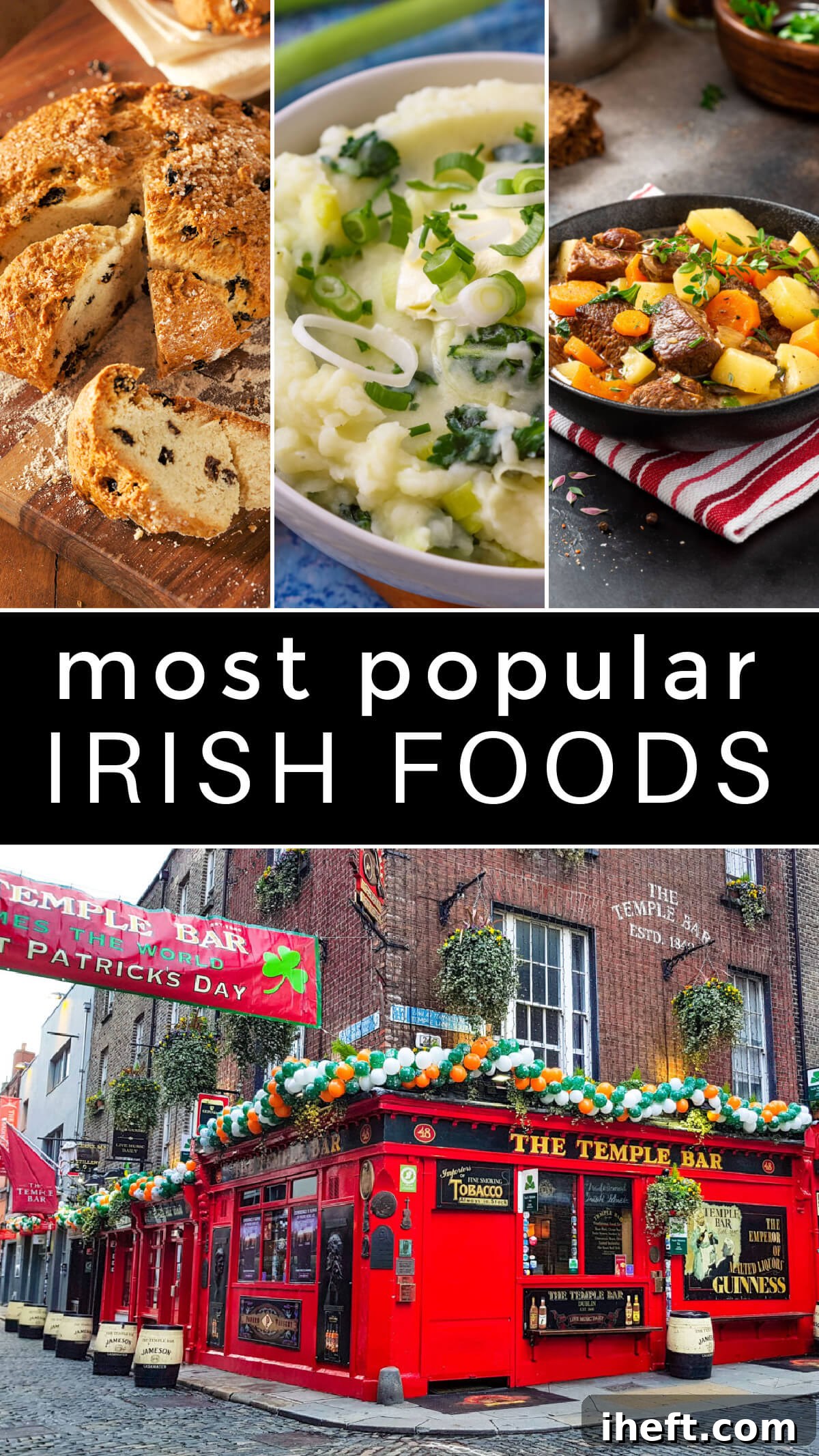
Embark on a culinary journey through the Emerald Isle! Whether you’re celebrating St. Patrick’s Day, planning a trip to Ireland, or simply curious about its rich gastronomic heritage, this article is your ultimate guide. Dive into a world of hearty comfort food, vibrant flavors, and age-old recipes as we unveil 10 traditional Irish dishes and the beloved pub classics that define Irish cuisine.
Irish food boasts a history as rich and varied as its landscape. Far from a simple diet, it encompasses everything from deeply comforting, rustic dishes to surprisingly delicate and savory creations. With an enticing array of options, from the globally recognized Irish stew to the humble yet universally adored soda bread, navigating the culinary landscape can sometimes feel overwhelming for food lovers. Deciding which traditional Irish recipe to try at home or what delectable pub fare to order on a night out can be a delightful challenge.
Are you searching for authentic Irish dishes to recreate in your kitchen, or pondering the perfect selections from an Irish pub menu? Look no further! This comprehensive guide will illuminate your path. We’ve curated our top picks for traditional Irish foods, ranging from satisfying family dinners to unique, simple recipes, perfect for experiencing the true taste of Ireland, whether you’re there in person or cooking from afar. Each of these dishes and recipes offers a fantastic way to celebrate St. Patrick’s Day with genuine Irish flair.
The Enduring History of Irish Food: From Land to Plate

Coumenoole Beach, Kerry, Ireland
For centuries, the people of Ireland have profoundly depended on the bounty of their land and surrounding seas for sustenance. This deep connection to nature is still profoundly evident in the traditional dishes that form the bedrock of Irish cuisine today. Historically, the Irish diet centered heavily on humble yet incredibly versatile potatoes, alongside other robust root vegetables like turnips, parsnips, and carrots. Green, cruciferous vegetables such as cabbage and Brussels sprouts have also enjoyed enduring popularity, providing essential nutrients and flavor to countless meals. The potato, in particular, became an indispensable mainstay of the Irish diet for centuries, its significance deeply woven into the national identity and remaining a key ingredient in many traditional recipes.
Beyond the potato, the Irish have always utilized a diverse range of other vegetables, grains, and dairy products. Grains like oats, barley, and wheat were common ingredients in traditional cooking, used for everything from baking to thickening stews. Dairy products, including fresh milk, artisan cheese, and rich butter, were (and still are) fundamental components of the Irish diet. The creamy, distinctive flavor of these dairy products is a hallmark of the cuisine, with Kerrygold Butter standing out as a globally renowned example of Ireland’s exceptional dairy quality.
Ireland’s island geography naturally means that fish and shellfish are vital staples. Coastal communities have long harvested the ocean’s bounty, leading to popular dishes like classic fish and chips, fresh oysters, and delicate smoked salmon. Meat has also played a significant role in the Irish diet, with beef, pork, and mutton traditionally serving as primary protein sources. While these meats remain popular, modern Irish menus increasingly feature diverse vegetarian options, such as delicious “Shepherdless” pies, reflecting evolving tastes and dietary preferences.
In recent years, Ireland’s culinary scene has embraced a wider array of modern and international dishes, fueled by global influences and a burgeoning food culture. However, traditional Irish food firmly holds its place as an integral part of the nation’s cultural fabric. These time-honored dishes offer a delicious window into Ireland’s rich history, its resilient people, and its profound connection to the land. From the humble potato to the treasures of the sea, Ireland possesses a robust culinary heritage that continues to be celebrated, adapted, and savored by generations, both at home and abroad.
As you explore this list of traditional Irish foods, you might observe intriguing similarities to traditional Scottish and British cuisines. This is hardly surprising, given their close geographical proximity and shared historical influences. These related culinary traditions often feature hearty, warming dishes, frequently relying on robust meats, root vegetables, and grains, presenting a comforting contrast to the lighter, produce-centric focus of the Mediterranean diet.
Debunking the Myth: Is Irish Food Really “Bad”?
The question, “Why is Irish food so bad?” is surprisingly one of the most frequently asked queries about this cuisine. But does Irish food truly deserve such an unflattering reputation, or is this a lingering misconception ripe for debunking?
It’s true that, historically, traditional Irish food – much like traditional British fare – has sometimes been perceived as bland, basic, and lacking the fresh vibrancy found in other culinary traditions. This perception often stems from a focus on staple ingredients such as meat, potatoes, and bread, which formed the backbone of a diet designed for sustenance in often challenging climates rather than for exotic flair. Furthermore, the devastating impact of the Great Famine in the mid-19th century profoundly shaped Ireland’s culinary narrative, emphasizing survival and utility over elaborate gastronomy for many generations.
While some traditional elements, such as dishes incorporating black pudding (a type of blood sausage), might initially seem unusual or ‘off-putting’ to those unfamiliar with the cuisine, these items are cherished for their unique flavors and cultural significance. Moreover, the stereotype of Irish food being unhealthy or one-dimensional is increasingly outdated. Modern Irish chefs are passionately reinterpreting classic dishes, focusing on high-quality, locally sourced ingredients and innovative techniques. They are transforming traditional staples into sophisticated, flavorful experiences. Many traditional recipes, while hearty, are also inherently adaptable. Dishes like Shepherd’s pie or various cabbage-based meals can easily be modified to become plant-based or heart-healthy options, proving the versatility and potential of Irish ingredients. Today’s Irish food scene is vibrant and diverse, brimming with fresh produce, exquisite seafood, and creative culinary talents that proudly showcase the true depth and deliciousness of Ireland’s gastronomic heritage, far beyond any simplistic stereotypes.
1. Irish Stew: The Quintessential Comfort Food
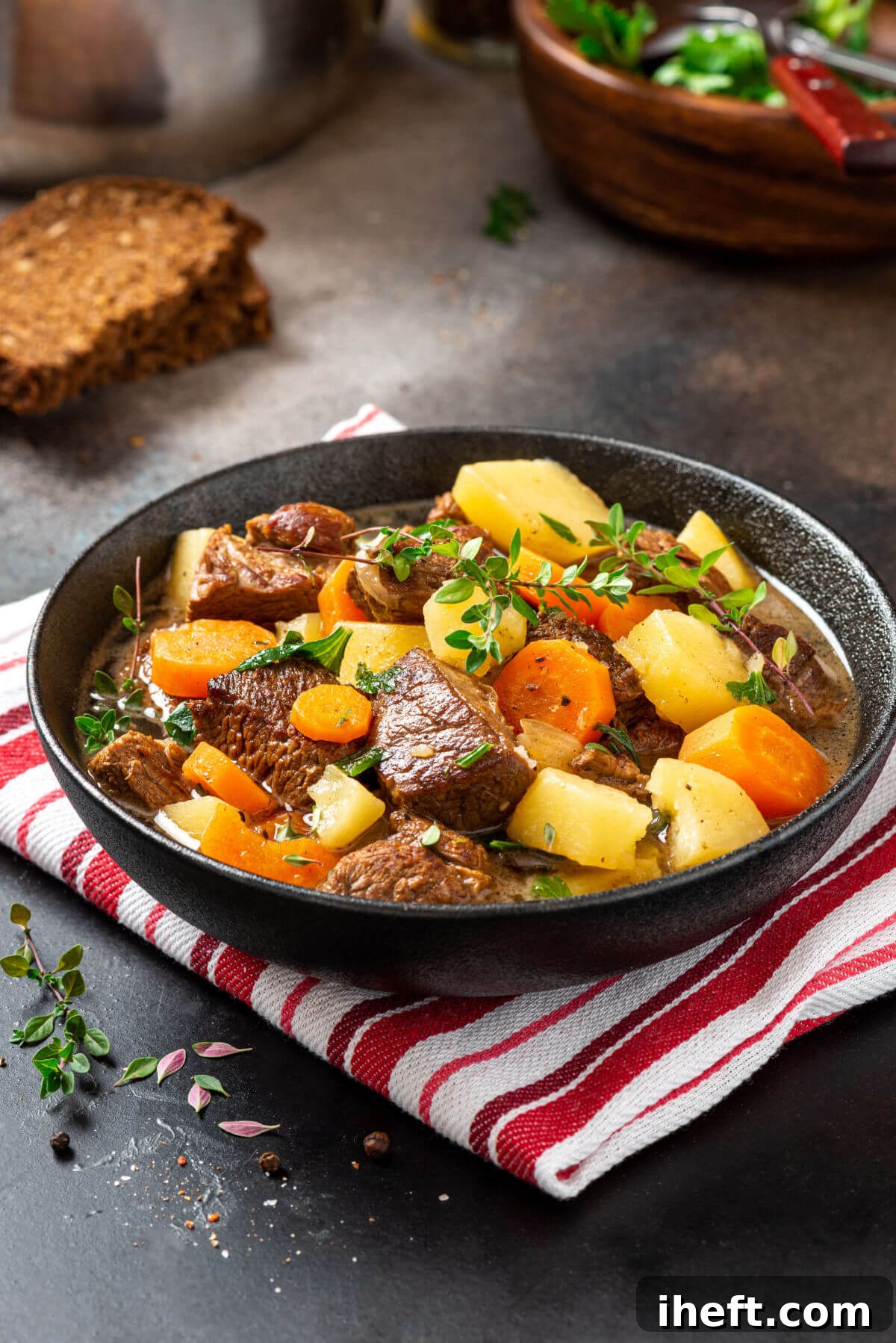
Let’s begin our culinary exploration with arguably the most iconic and universally beloved traditional Irish dish: the Irish stew. This masterpiece perfectly embodies the essence of Irish food – warm, incredibly filling, and generously packed with tender meat and hearty potatoes. A classic Irish stew is typically crafted with succulent cuts of beef or lamb, slow-cooked to perfection with melt-in-your-mouth potatoes and a medley of root vegetables, including sweet carrots and aromatic onions. The result is a rich, savory broth brimming with flavor, offering an unparalleled sense of comfort. It’s a surprisingly quick and easy dish to prepare, making it an ideal choice for chilly winter nights or any day you crave a truly satisfying meal.
Traditionally, Irish stew is served piping hot in a generous bowl, often accompanied by a crusty piece of soda bread. This bread isn’t just for dipping; it’s essential for soaking up every last drop of the delectable gravy left at the bottom of your bowl, ensuring no flavor is wasted. Whether you’re whipping up a comforting dinner for your family on a cold, dreary day, or seeking a taste of authentic, home-cooked Irish fare while traveling abroad, you simply cannot go wrong with the timeless appeal of an Irish stew. It’s a dish that warms both the body and the soul, a true cornerstone of Irish culinary tradition.
Here’s a fantastic recipe for Classic Irish Stew that you can easily adapt. For a delicious vegetarian version, I often substitute the meat with hearty mushrooms and other root vegetables, creating a equally flavorful and satisfying meal.
2. Colcannon: Ireland’s Beloved Potato & Cabbage Mash
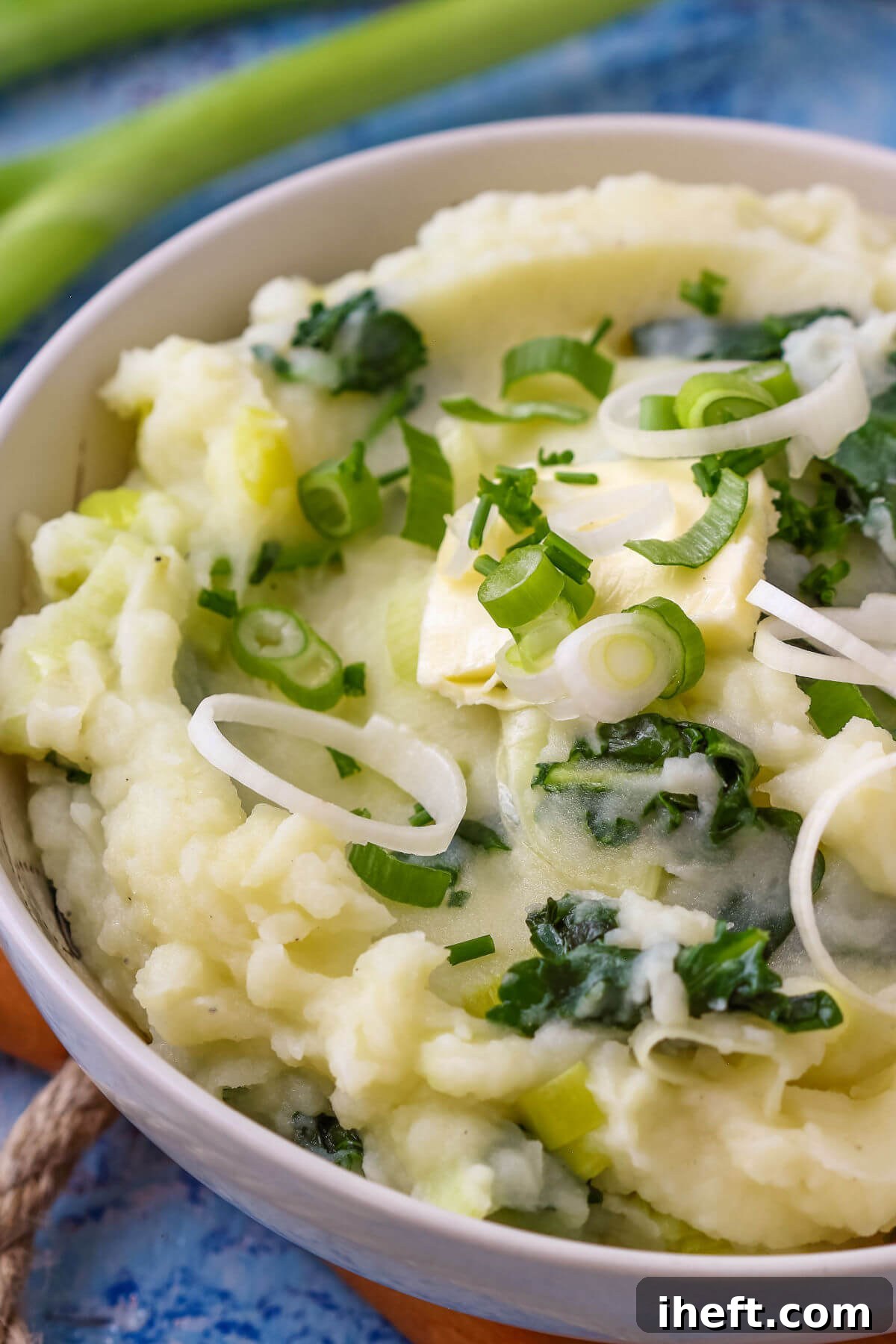
Colcannon is a classic and deeply comforting traditional Irish potato dish that proudly highlights Ireland’s centuries-old affinity for the potato. As one of the most iconic potato-based recipes, colcannon elegantly combines fluffy, warm mashed potatoes with vibrant green kale or tender cabbage, enriched with generous dollops of butter or cream, fragrant onions, and often a sprinkle of chives or other desired vegetables. The name “Colcannon” itself is thought to derive from the Irish “cál ceannann,” meaning “white-headed cabbage,” referring to the star ingredient.
If your travels take you to Ireland, experiencing a traditional colcannon is a must. Its unique flavor profile and comforting texture are difficult to replicate elsewhere, offering a truly authentic taste of Irish culinary heritage. It’s incredibly versatile: serve it as a hearty main dish on its own, especially during colder months, or enjoy it as an essential side dish, completing any homemade Irish feast. Colcannon is more than just food; it’s a celebration of simple, wholesome ingredients transformed into something extraordinary, a true testament to the warmth and ingenuity of Irish cooking.
Elevate your Irish dinner with this delicious Authentic Irish Colcannon recipe, a perfect and flavorful accompaniment to any meal.
3. Irish Soda Bread: A Staple of Every Irish Table
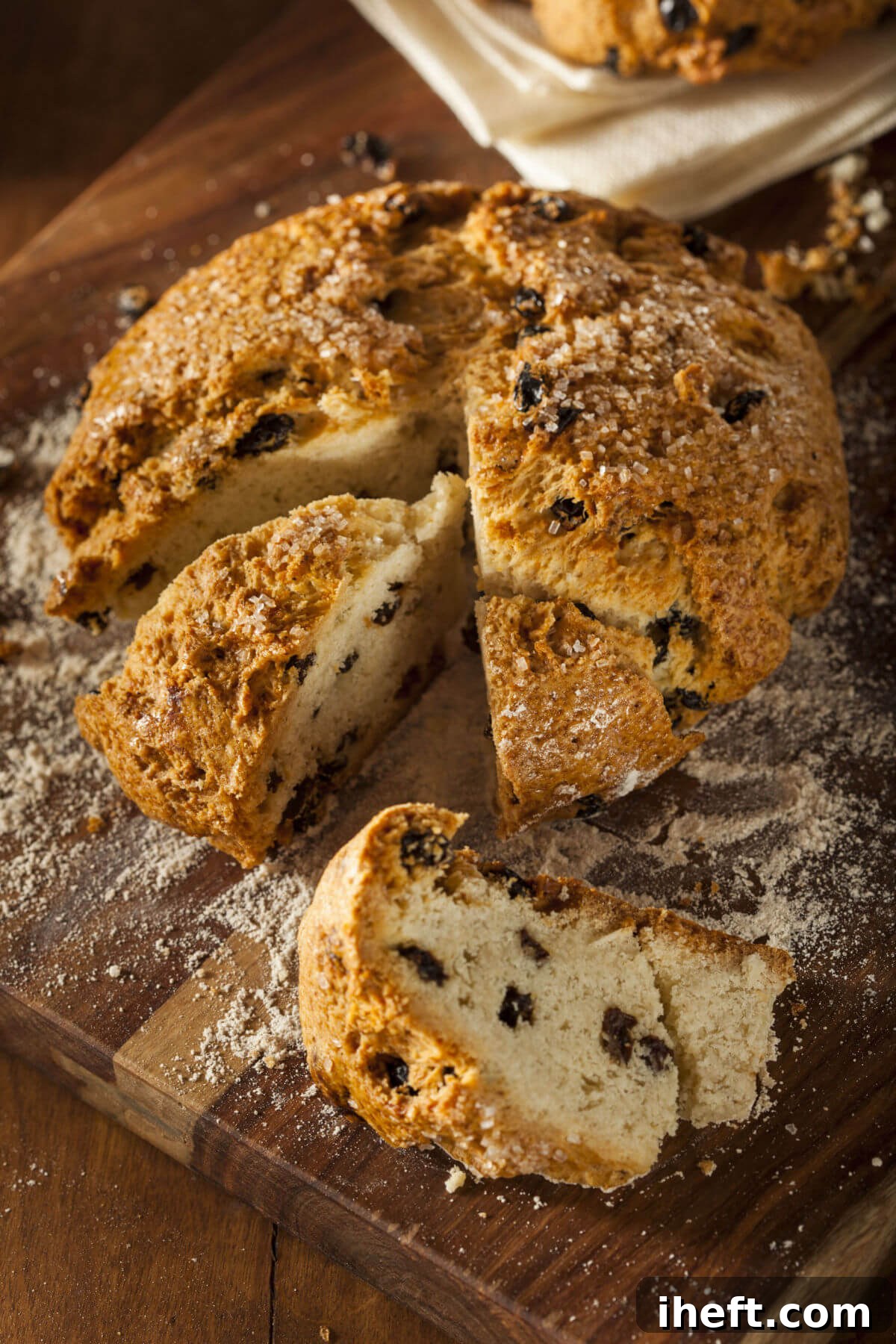
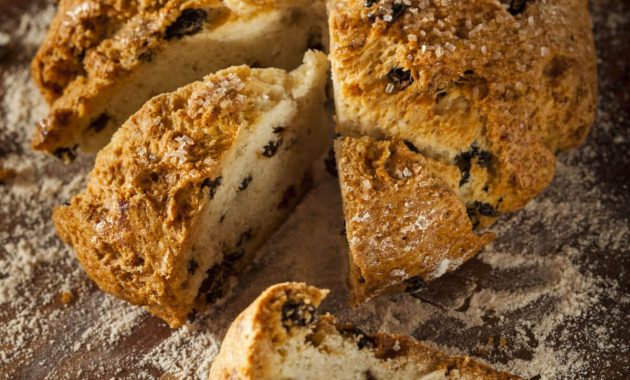
Irish soda bread is not merely a dish; it’s a culinary institution, a beloved staple served with virtually every meal across Ireland. Renowned for its characteristic crust and dense, moist interior, soda bread recipes boast hundreds of delightful variations, each with its own charm. What primarily distinguishes traditional soda bread is its reliance on bicarbonate of soda (baking soda) as a leavening agent, activated by buttermilk, rather than yeast. This makes it a quick and easy bread to bake, perfect for busy households.
While the basic ingredients remain constant – flour, buttermilk, baking soda, and salt – variations abound. Many traditional recipes incorporate tasty additions like sweet golden raisins, dried cranberries, or caraway seeds, adding layers of flavor and texture. Depending on the region, the specific recipe you encounter, or the restaurant you visit in Ireland, your soda bread might also feature other ingredients such as a touch of sugar, honey, or even oats, resulting in either a subtly sweet or more savory loaf. It’s wonderfully versatile: slather it with creamy butter and your favorite jam for a delightful breakfast or afternoon tea, or use it to complete any traditional Irish dish, its firm texture perfect for soaking up rich stews and gravies. Irish soda bread is more than just bread; it’s a taste of home, tradition, and pure Irish comfort.
For beginners and seasoned bakers alike, here’s an amazingly easy Irish Soda Bread recipe with stellar reviews, perfect for your first foray into Irish baking.
4. Boxty: The Versatile Irish Potato Pancake
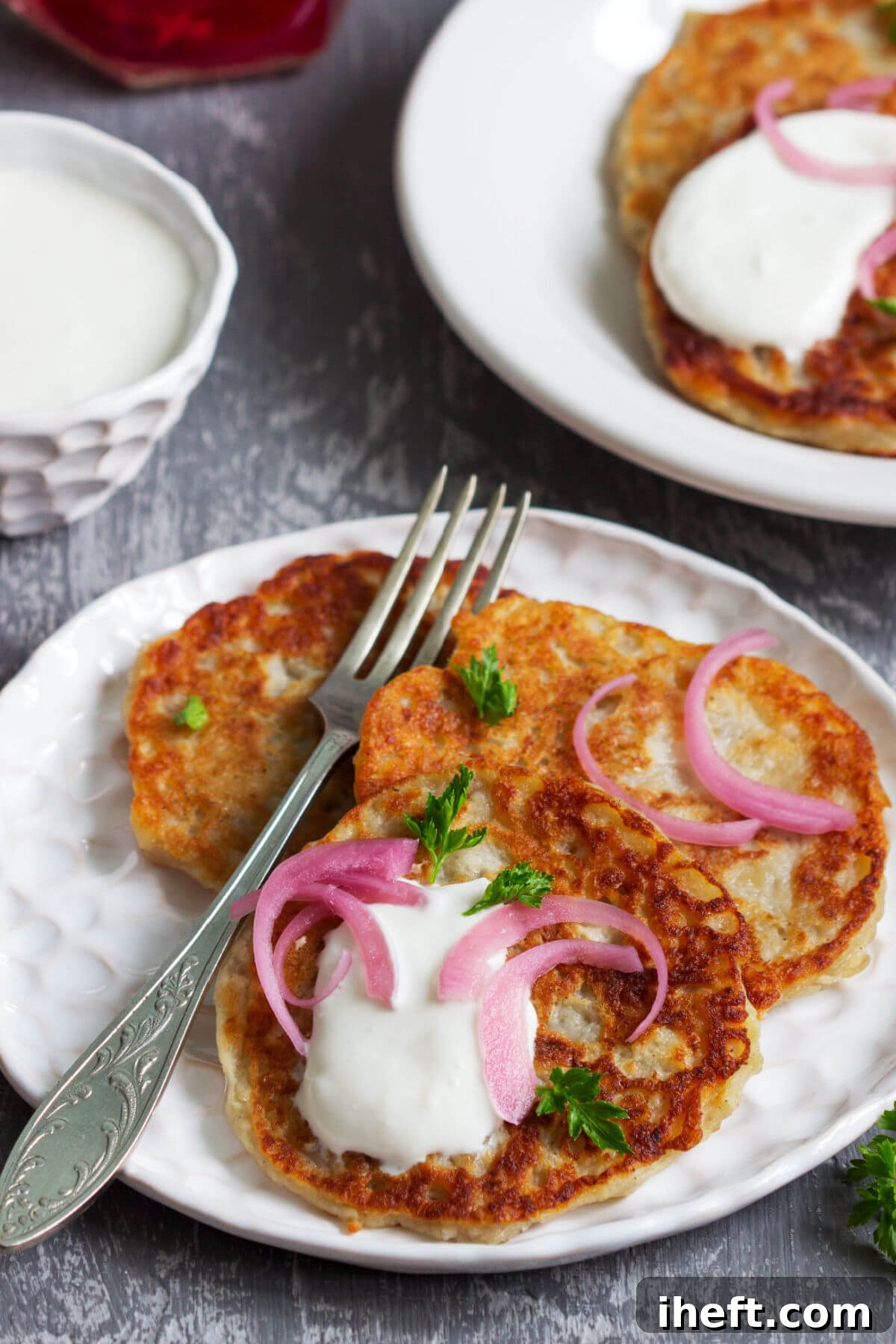
Boxty, with its charming name derived from the Irish phrase “bacstaí” (meaning “poor house bread” – a testament to its humble origins), is a delightful and traditional Irish potato pancake that showcases the incredible versatility of the potato. What makes boxty truly unique is its ingenious combination of both raw, finely grated potatoes and smooth, creamy mashed potatoes. Once these two textures are combined, the preparation can take several delicious forms:
- For traditional boxty dumplings, the potato mixture is combined with flour and salt, then gently boiled before being sliced and fried in rich Irish butter until golden brown.
- Alternatively, the potato blend can be incorporated into a thin, pancake-like batter, which is then fried in a pan to create soft, savory potato pancakes.
- Another method involves baking the potato-infused batter in a loaf tin, then slicing the baked loaf and frying the individual slices to achieve a crispy exterior and tender interior.
One of boxty’s most appealing characteristics is its remarkable adaptability. This warm, flavorful potato dish can be enjoyed in countless ways: as a hearty accompaniment to a traditional Irish breakfast with bacon and eggs, serving as a versatile side dish, or even taking center stage as a main course. It pairs beautifully with delicate smoked salmon, or simply topped with a dollop of sour cream and fresh chives or onions. For a more sophisticated touch, you could even elevate your boxty with luxurious crème fraîche and caviar. No matter how you choose to customize your boxty, you’ll discover a world of options, making it a truly exciting and endlessly satisfying Irish culinary experience.
This recipe for Traditional Irish Boxty comes highly recommended and promises a winning dish for your table!
5. Smoked Salmon: Ireland’s Ocean Gem
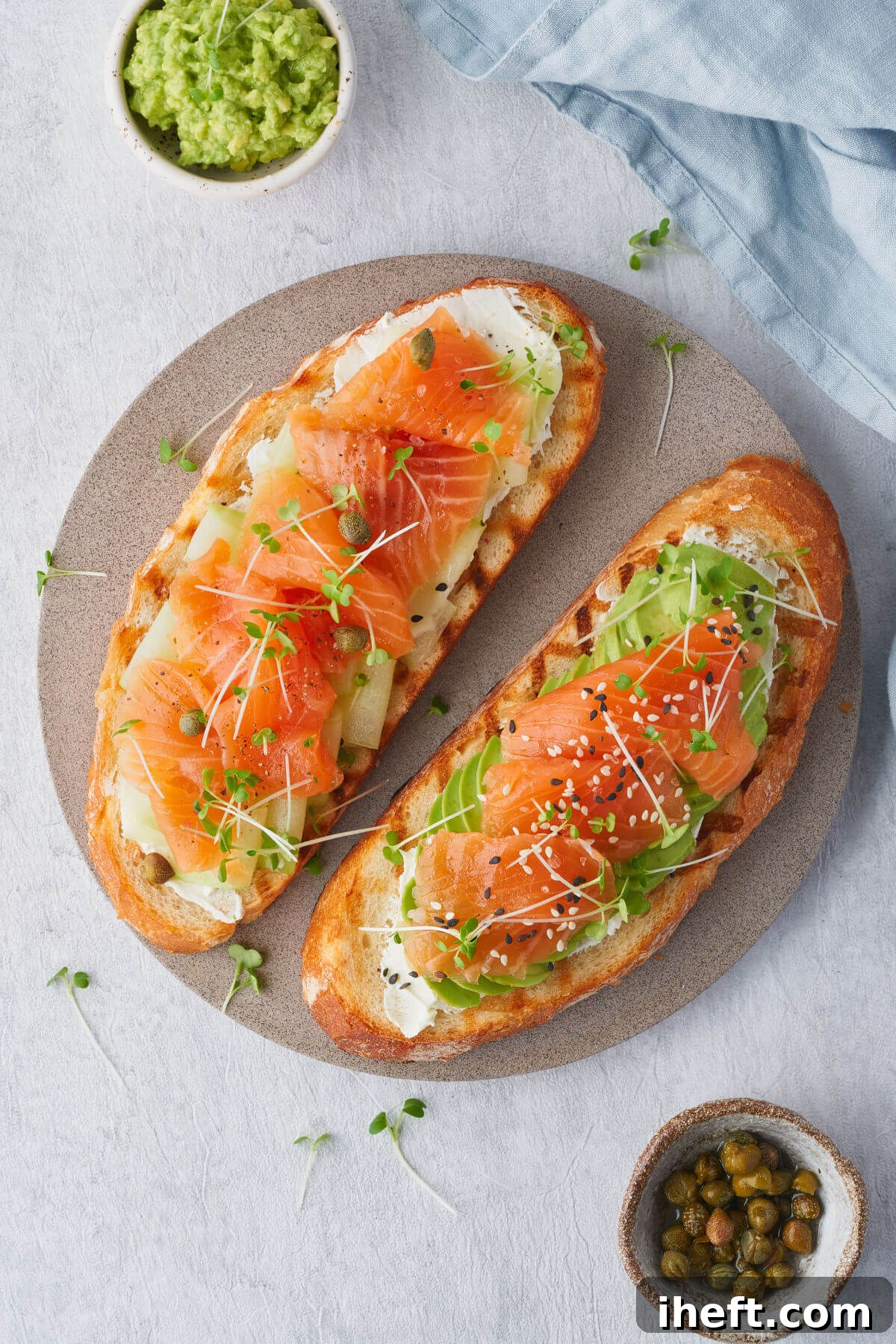
While often associated with Nordic cuisine, smoked (or cured) salmon holds a profoundly cherished place in traditional Irish culinary practices, making it an incredibly popular and deeply ingrained staple of Irish cuisine. Ireland’s pristine Atlantic waters provide an abundance of high-quality salmon, and the traditional methods of smoking and curing have been perfected over generations, resulting in a product of exceptional flavor and texture. You’ll encounter this versatile fish in a multitude of traditional Irish meals, whether you’re seeking a delightful breakfast, a light lunch, or a sophisticated dinner.
Salmon is undoubtedly the most commonly consumed fish in Ireland, and the Irish possess an undeniable knack for preparing perfect, versatile smoked salmon. Its delicate, smoky flavor and tender texture make it suitable for a wide array of dishes. Imagine starting your day with fluffy scrambled eggs adorned with flakes of tasty smoked salmon, or enjoying a larger, expertly prepared portion of smoked salmon as the centerpiece of your evening meal. The distinct flavors of this Irish delicacy are truly captivating and a must-try for any food enthusiast exploring the island’s culinary offerings. It’s a testament to Ireland’s rich marine heritage and its ability to transform simple ingredients into something truly gourmet.
Thankfully, you can find high-quality smoked salmon in most well-stocked grocery stores, bringing a taste of Ireland directly to your home kitchen.
6. Coddle: Dublin’s Hearty & Flexible One-Pot Wonder
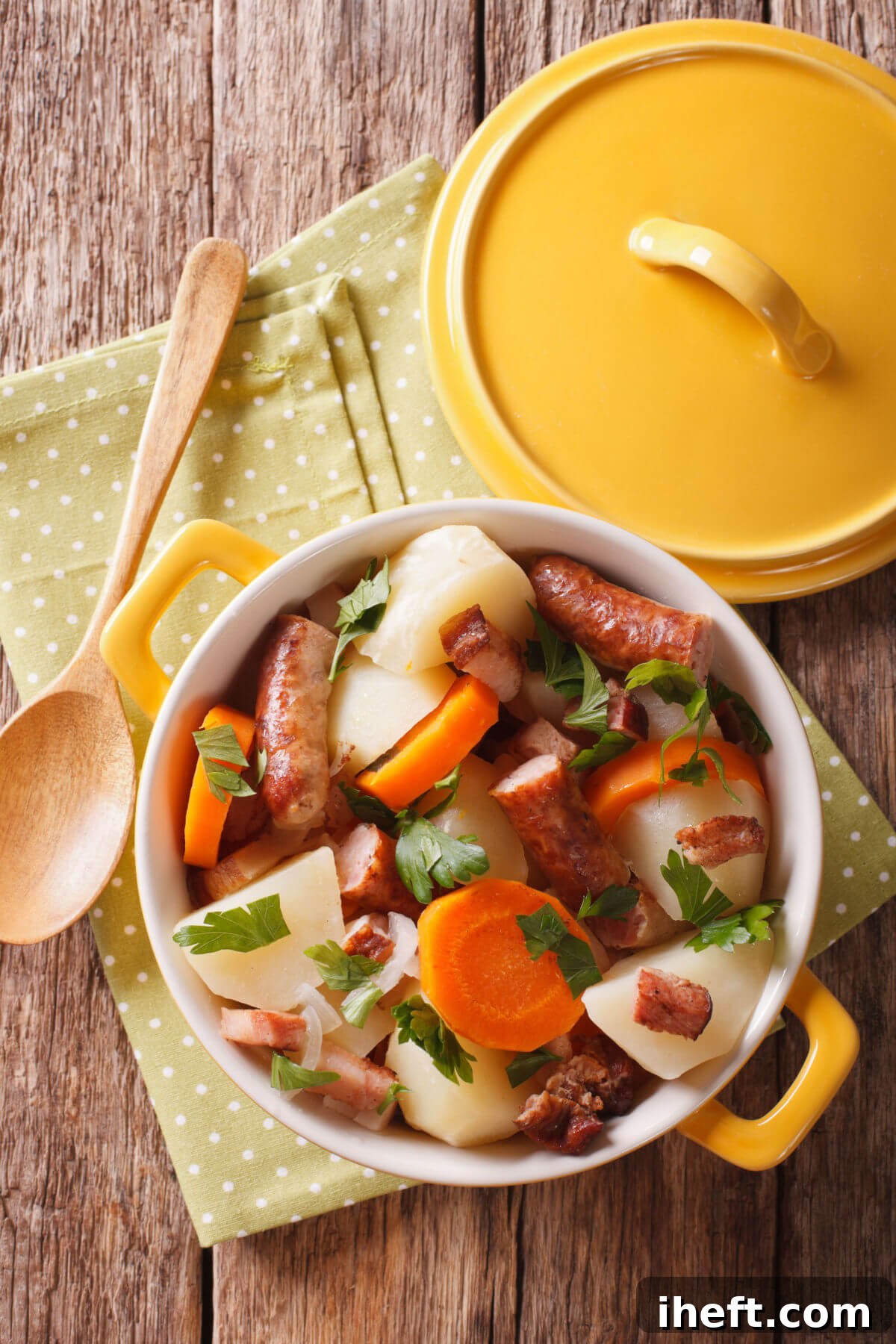
Coddle is a wonderfully traditional, hearty Irish dish, deeply rooted in the culinary history of Dublin. It’s ingeniously designed to transform an assortment of leftovers into an astonishingly delicious and comforting meal. The name “coddle” itself refers to the slow, gentle simmering process in a single pot, where various ingredients are “coddled” together to create a harmonious blend of flavors. This makes coddle a remarkably flexible and forgiving option for those eager to experiment with traditional Irish cooking at home, as there isn’t a single, rigid recipe to follow; rather, it’s a concept of creative culinary improvisation.
While most coddle recipes typically feature some form of meat – traditionally Irish bacon (often back bacon or rashers) and plump pork sausages – alongside chunky potatoes, and staple vegetables like onions and carrots, its true beauty lies in its adaptability. There are no strict guidelines when you’re whipping up your end-of-the-week coddle dinner. Feel empowered to have fun experimenting with your coddle recipe, incorporating different vegetables, herbs, or even leftover roasted meats until you discover the perfect combination that truly clicks with your palate. It’s a dish that embodies resourcefulness, comfort, and the warm spirit of Irish home cooking.
Give this Dublin Coddle recipe a try. For a delightful vegetarian twist, I recommend using vegetarian sausages or brats and simply omitting the bacon, creating a equally flavorful and comforting meat-free version.
7. Barmbrack: The Sweet & Mystical Irish Tea Loaf
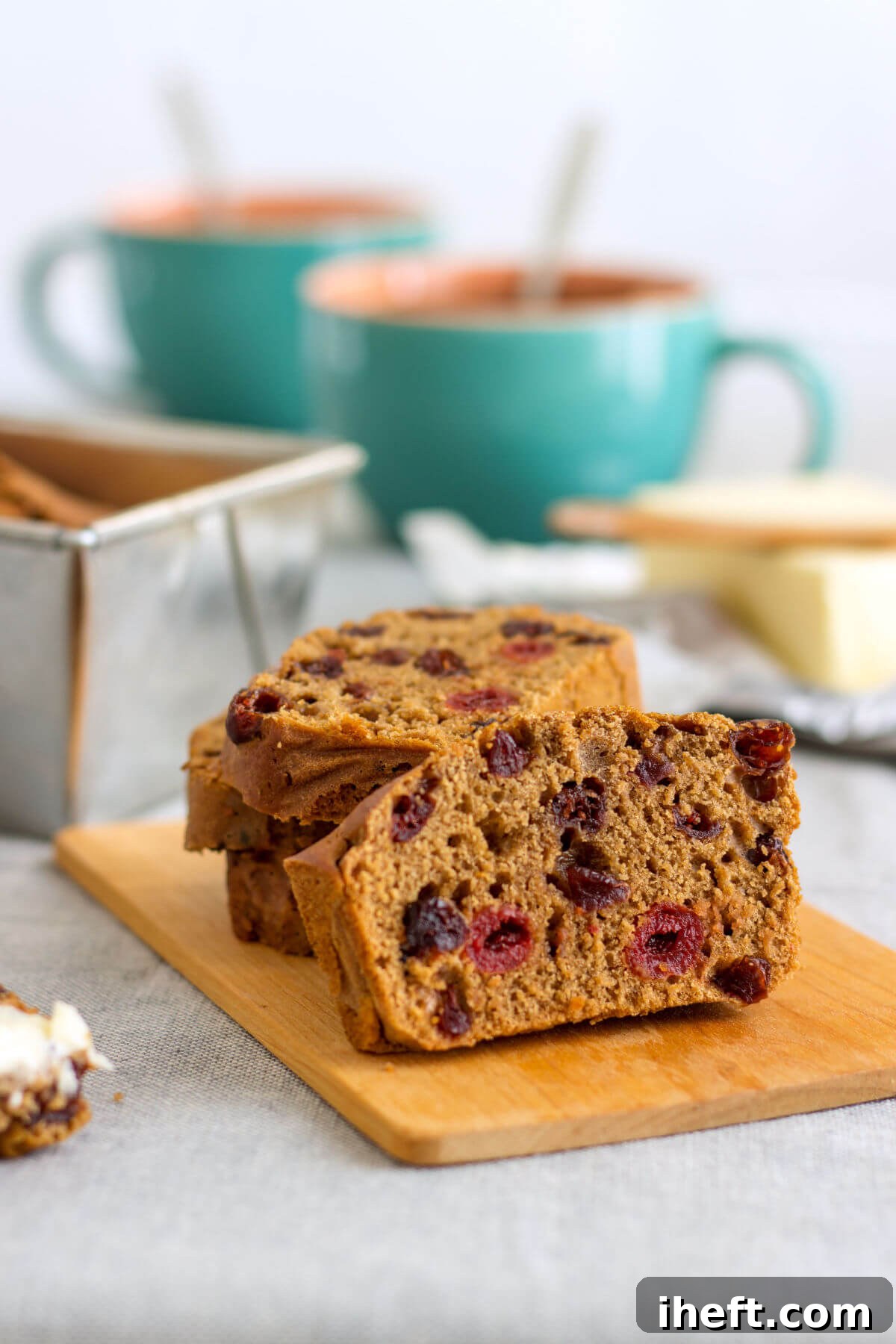
The traditional Irish barmbrack is an utterly fantastic option for food lovers seeking a delightful, subtly sweet dish to perfectly complement a warm afternoon cup of tea. Barmbrack is a delicious, moist, and fruity tea loaf, traditionally served sliced and spread generously with butter, making it the ideal accompaniment to a comforting, earthy brew. Its name derives from the Irish “báirín breac,” meaning “speckled bread,” referring to the dried fruit often flecked throughout the loaf.
While this cherished dish is most famously associated with Halloween in Ireland, where it plays a central role in traditional fortune-telling games, it can (and should!) be made and enjoyed as a sweet, satisfying treat at any time of the year. Featuring a delightful blend of ingredients such as candied peel, plump raisins, and sometimes even cherries, barmbrack is especially known for the charming “extra surprise” often mixed into the dough. Traditionally, various trinkets – like a ring, a thimble, a coin, or a piece of cloth – are baked into the loaf. The specific trinket you find in your slice is thought to foretell aspects of your future, adding a playful and mystical element to this already beloved bread. It’s a truly unique and culturally rich Irish delicacy.
Get into the spirit with this easy Barmbrack recipe, perfect for baking up a batch this St. Patrick’s Day or whenever you desire a taste of Irish tradition.
8. Bacon and Cabbage: Ireland’s Unsung Culinary Hero
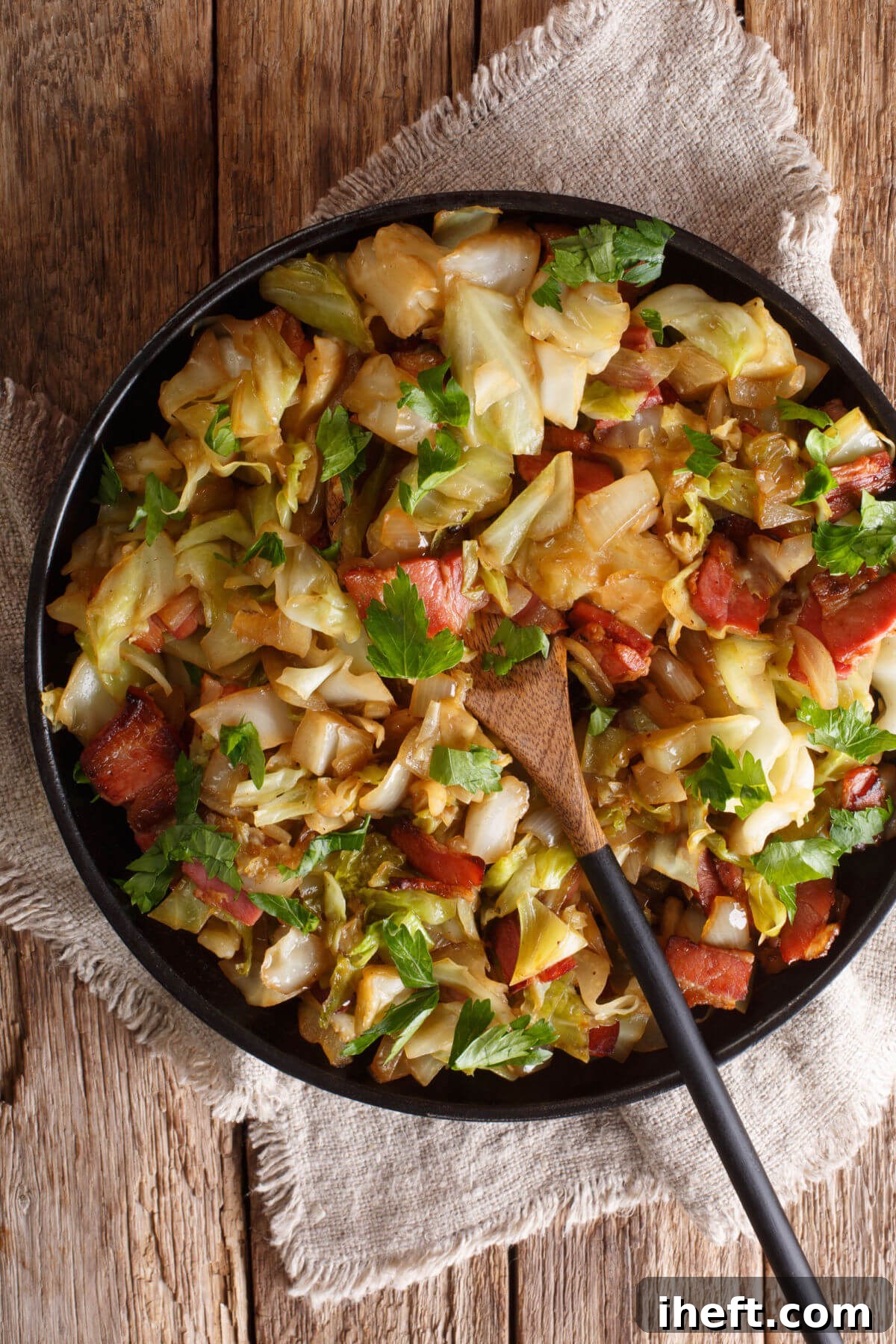
When perusing the diverse and tempting menus in Ireland, “bacon and cabbage” might not immediately capture your imagination as the most exciting choice. However, dismissing this dish would be a significant oversight! This humble yet profoundly satisfying meal is incredibly popular throughout Ireland and stands as an essential culinary experience for any food lover eager to fully immerse themselves in traditional Irish dishes. It’s the very definition of Irish comfort food, deeply ingrained in the nation’s home cooking.
The traditional Irish recipe for this dish utilizes salted pork, typically cut from the shoulder or back of a pig – often referred to as “bacon joint” or “gammon.” This is quite different from the thin, crispy slices of streaky bacon you might be accustomed to in other cuisines. The pork is slowly boiled, infusing its savory flavor into the cooking liquid alongside an array of aromatic ingredients such as onions, carrots, and various herbs. In the final ten minutes of cooking, the cabbage is added to the pot, allowing it to soften and absorb the rich flavors without becoming overcooked. What truly elevates this traditional boiled bacon and cabbage to an irresistible level is its customary pairing with a luxurious, creamy parsley sauce. The tender, savory pork, the perfectly cooked cabbage, and the vibrant, herbaceous sauce create a surprisingly harmonious and utterly delicious combination that is sure to surprise and delight your palate. It’s a simple dish, executed perfectly, that speaks volumes about Irish culinary tradition.
Bring this authentic taste of Ireland to your home kitchen with this excellent Irish Bacon and Cabbage recipe.
9. Black and White Pudding: Essential Irish Breakfast Staples
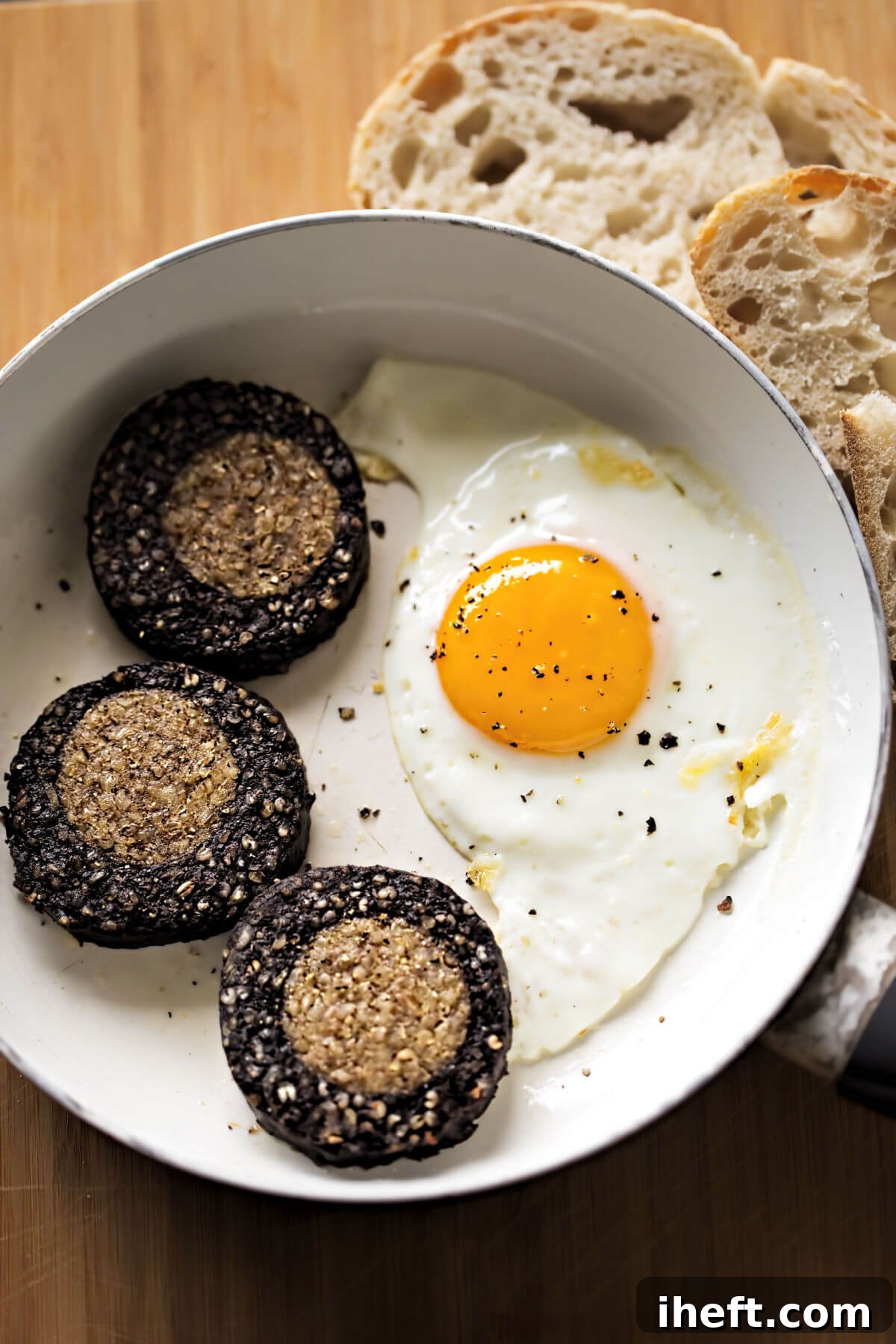
Black and white puddings are not just components; they are indispensable staples of Irish cuisine, frequently featured on countless Irish restaurant menus, particularly as a cornerstone of the revered “Full Irish Breakfast.” Black pudding, a type of blood sausage, is a dish celebrated in various forms across many cultures. In Ireland, it traditionally combines finely minced pork meat, fat, and blood, expertly mixed with grains such as barley or oatmeal, along with suet and savory seasonings. The result is a distinctively savory, rich, and intensely flavorful delicacy that can be enjoyed at any time of day, adding depth to breakfasts, brunches, or even as a unique dinner accompaniment.
White pudding, while perhaps not as widely known internationally as its darker counterpart, remains a profoundly significant and beloved staple within Irish cuisine. It is often considered the perfect addition to complete your classic Irish breakfast. Similar in texture and composition to black pudding, white pudding is distinguished by the absence of blood. Instead, it typically consists of pork meat, fat, oatmeal, and a blend of spices, offering a milder yet equally savory and satisfying flavor profile. Both black and white puddings are incredibly versatile side dishes, perfect for pairing with your morning fry-up or for savoring as part of an authentic Irish evening dining experience. They represent a fundamental part of Ireland’s culinary identity, offering a taste of tradition in every bite.
For those eager to try, you can either create your own or conveniently purchase premade black pudding online, bringing this authentic Irish flavor directly to your kitchen.
10. Shepherd’s Pie: The Ultimate Irish Comfort Classic
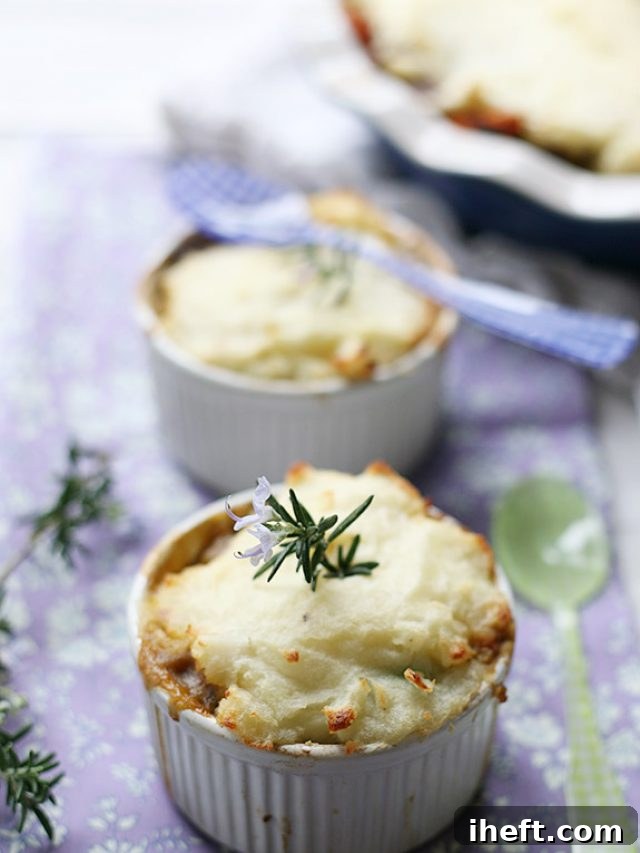
Perhaps one of the most universally recognized and cherished comfort foods across the globe, a truly delicious shepherd’s pie is an absolute must-have experience, whether you’re visiting the charming pubs of Ireland or aiming to craft a traditional Irish meal at home. This hearty dish is a quintessential Irish pub food staple, perfect for cozying up with on a blustery day. Traditionally, shepherd’s pie is a rich amalgamation of savory meat and wholesome vegetables, all topped with a crown of creamy mashed potatoes. The authentic Irish recipe typically features tender ground lamb (hence “shepherd’s” pie, as shepherds tend sheep), simmered in a rich gravy with common vegetables such as sweet peas and carrots, and sometimes onions.
This irresistible filling is then generously crowned with a thick layer of golden-brown, creamy Irish mashed potatoes, which are then baked to perfection until lightly browned and bubbling. The result is a dish that is both deeply satisfying and incredibly flavorful. A shepherd’s pie is ideal for a cozy night curled up at home, making it a perfect family feast on cold winter days, or serving as a robust main course when you’re dining out in Ireland. It’s a complete meal in one dish, offering warmth, nourishment, and a taste of genuine Irish hospitality.
Our go-to Shepherd’s Pie recipe is a delightful vegetarian rendition, featuring nutrient-rich lentils as the base. For a healthier plant-based meal, you can use our creamy Olive Oil Mashed Potatoes or even fluffy Garlic Mashed Cauliflower as the topping.
What is Irish Pub Food? More Than Just a Meal
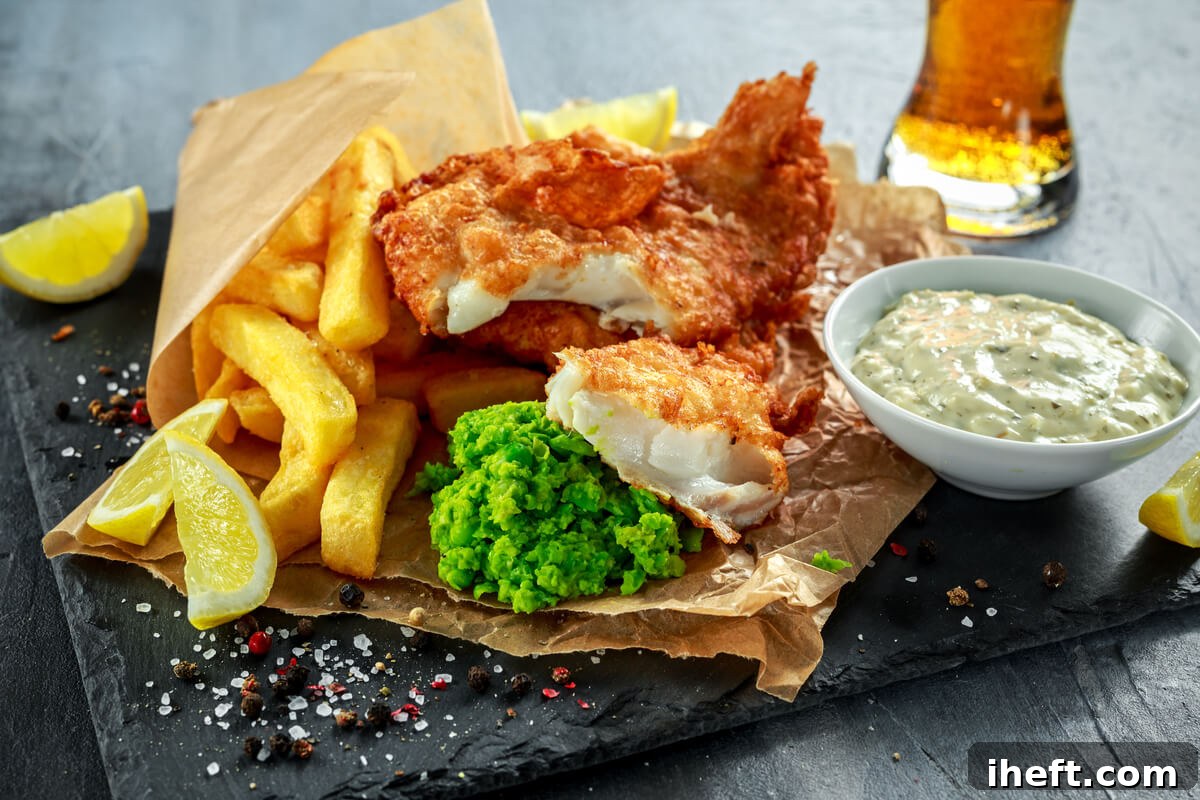
Pubs are not just drinking establishments; they are cultural institutions, social hubs, and culinary havens found all across Ireland and the UK. These charming, often historic spaces typically feature warm, inviting interiors with dimly lit corners, offering a relaxed atmosphere where patrons can gather, socialize, and enjoy good company. Beyond the convivial atmosphere, Irish pubs are renowned for serving “pub grub” – a range of hearty and delicious small bites and full meals available throughout the day. Irish pub food and drinks are a reflection of traditional Irish fare, evolving to be perfectly suited for casual dining and sharing.
The pub menu typically encompasses a comforting array of traditional Irish dishes, alongside popular appetizers, warming soups, satisfying sandwiches, and, of course, a wide selection of beers and often excellent coffee. If you’re keen to sample authentic traditional Irish foods without the journey to Ireland, a quick Google search for “Irish pub near me” might just lead you to a delightful local discovery. Here are some quintessential menu items you’re likely to find in a traditional Irish pub, such as the renowned The Old Storehouse in Dublin:
- Fresh Oysters, especially popular in coastal regions
- Hearty Soup of the Day, invariably served with a generous slice of crusty Irish soda bread
- Creamy Seafood Chowder, brimming with the day’s catch
- Crispy Chicken Wings, often served with a variety of sauces
- Classic Fish & Chips, a timeless favorite featuring battered fish and thick-cut fries
- Rich Beef & Guinness Stew, slow-cooked for maximum flavor
- Tender Lamb Stew, a staple of Irish home cooking
- Robust Roast Beef Sandwich, often served on soda bread or a crusty roll
- Comforting Shepherd’s Pie, a substantial meal in itself
- Savory Bangers & Mash, traditional sausages served with creamy mashed potatoes and gravy
What About Irish Drinks? A Taste of Liquid Gold
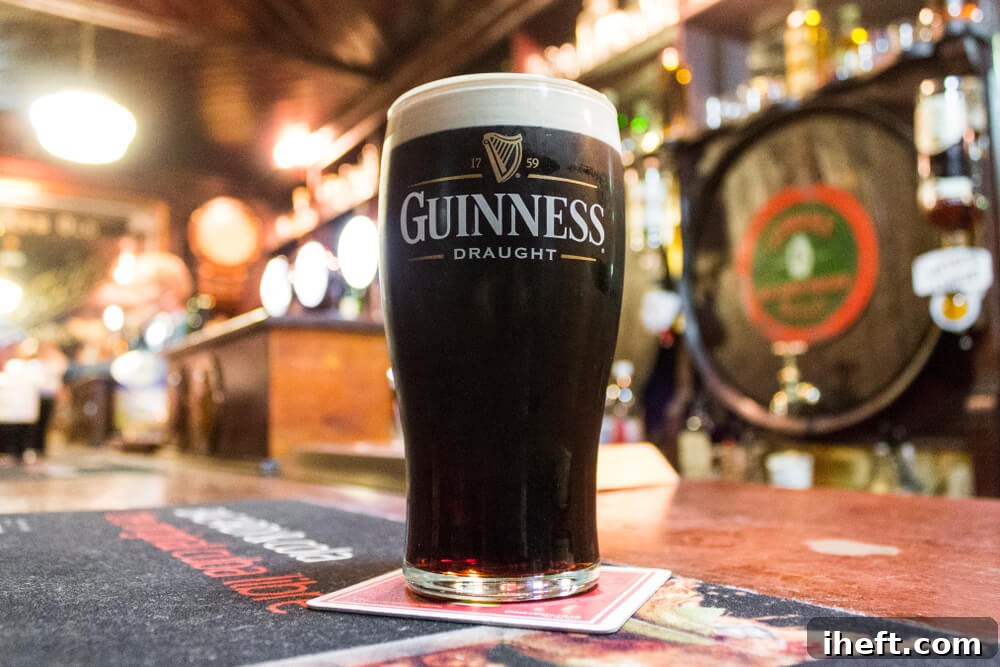
Ireland’s fame extends far beyond its delicious food; the Emerald Isle is perhaps even more globally celebrated for its exceptional beverages. Beer holds the crown as the most popular drink in Ireland, closely followed by its renowned Irish whiskey. When you’re enjoying your Irish pub food, we highly recommend pairing it with an authentic Irish beer to complete the experience. The rich, dark, and incredibly smooth Guinness stout isn’t merely for drinking – its unique flavor also lends itself beautifully to culinary applications, famously used in hearty stews and even in surprisingly decadent desserts like chocolate stout cupcakes. For those seeking a sweet, warming treat, an Irish coffee made with a splash of Bailey’s, perhaps with their new almond milk Irish cream, offers a delightful indulgence. And if you’re looking to get truly festive for St. Patrick’s Day, a vibrant Green Tea Shot can add a playful splash of emerald to your celebrations.
The most popular and iconic Irish drinks include:
- The world-famous Guinness stout, a symbol of Ireland itself.
- Luxurious Bailey’s Irish Cream, a creamy blend of Irish whiskey, cream, and cocoa.
- Smooth and distinct Irish Whiskey, celebrated for its unique distillation process and mellow flavor.
Discover More Tasty Recipes and Travel Inspiration from Yummy Mummy Kitchen
Irish food possesses a rich, compelling history and a vibrant culinary present that undeniably deserves to be celebrated and explored. Whether you are meticulously planning a trip to Ireland and seeking guidance on which essential foods to try, or you’re hoping to craft an unforgettable, classic Irish feast to honor St. Patrick’s Day in your own home, Yummy Mummy Kitchen is your trusted resource to help you every step of the way.
Yummy Mummy Kitchen offers an expansive collection of diverse recipes spanning multiple cuisines, thoughtfully curated to suit every taste and dietary preference. Beyond just recipes, we are dedicated to providing high-quality travel information, insider tips, and everything you need to embark on exciting culinary adventures and explore the wonderful world of food, dish by delicious dish.
From the enduring comfort of the classic Irish Stew to the heartwarming simplicity of the beloved Soda Bread, the Irish have cultivated a unique and truly delicious cuisine that is guaranteed to delight your senses. So, don your finest green attire, gather your loved ones, and prepare to fully experience the authentic, unforgettable flavors of Ireland. Indulge in a bite of traditional Irish pub food, whether locally or abroad, and share your delightful discoveries with us!