Elderberry Tea: Simple Recipe, Powerful Health Benefits
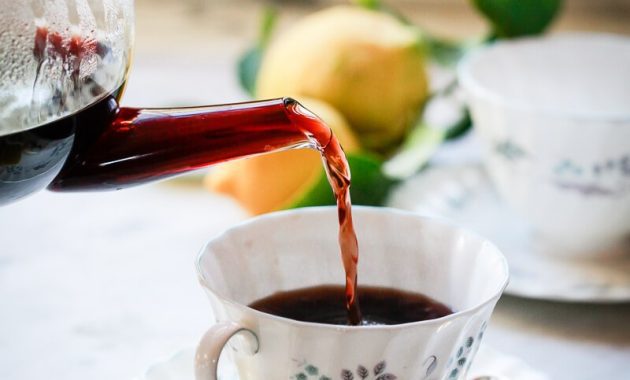
Elderberries, revered for centuries as a potent natural immune booster, offer a simple and effective path to wellness through homemade tea. Whether you’re seeking a natural remedy for common cold, cough, and flu symptoms or aiming to bolster your overall immune system, elderberry tea is an accessible and beneficial choice. This comprehensive guide will delve into the remarkable benefits of elderberry and provide easy-to-follow instructions for brewing your own elderberry tea. This post contains affiliate links, which means I may earn a small commission when you shop through them, at no extra cost to you.
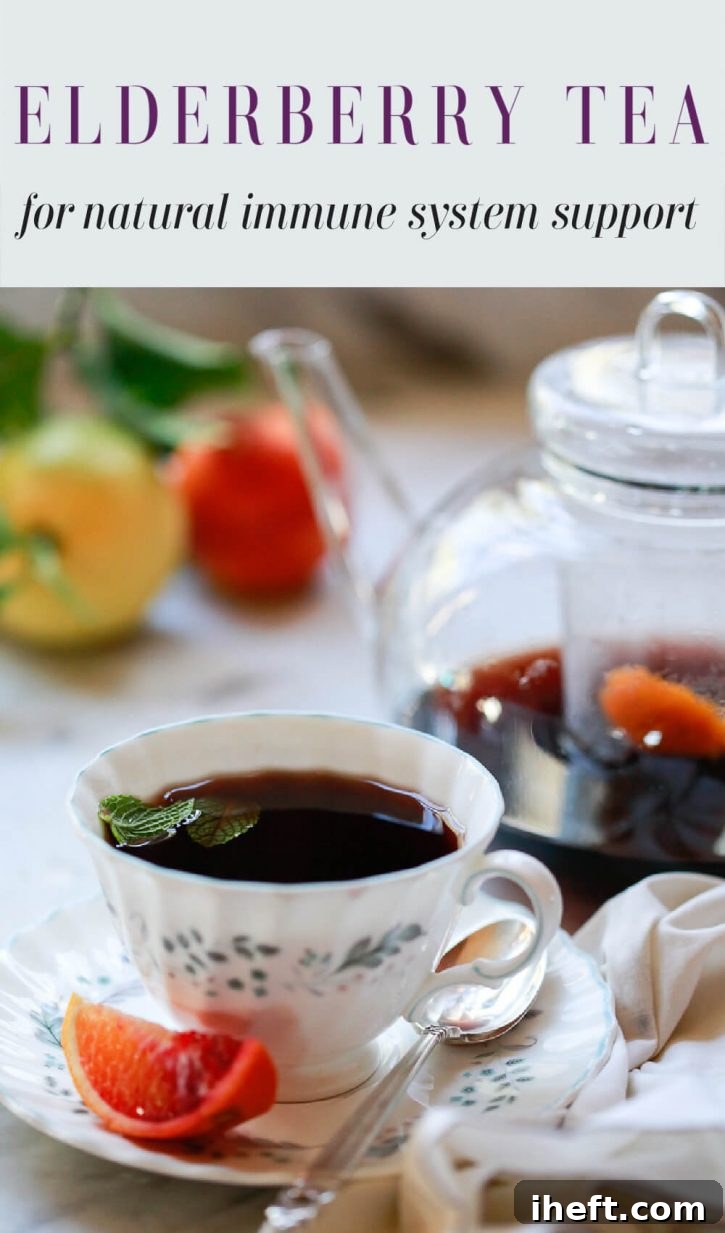
Elderberry Tea: Your Essential Guide to Natural Wellness
Hailing from the resilient Sambucus elder tree, elderberry has a rich history spanning hundreds of years as a cherished natural remedy. These versatile berries are more than just a seasonal treat; they’re a cornerstone of traditional medicine, lauded for their profound health-promoting properties.
Beyond their medicinal applications, elderberries are wonderfully adaptable in the kitchen. Like other beloved berries, they can be transformed into delightful jams, succulent pies, and a myriad of other culinary creations. Personally, I’m eager to experiment with making Chia Jam using these vibrant berries. However, for those primarily focused on leveraging elderberry’s power as an immune booster or a natural cold and flu remedy, brewing it into a warm, comforting tea remains the simplest and most effective method for home use.
The Remarkable Benefits of Elderberry Tea for Immune Support
Elderberry supplements are predominantly recognized for their efficacy against common cold and flu symptoms. But does this ancient remedy truly live up to its reputation? Scientific inquiry suggests promising results. One notable study revealed that participants who consumed elderberry experienced a recovery from flu-like symptoms approximately four days sooner compared to those who received a placebo. While larger-scale studies are still needed to fully establish its full spectrum of effects, my family has relied on Sambucus to combat colds for many years, and we consistently observe a reduction in the duration of common cold episodes. Although elderberry supplements are readily available in various forms such as gummies, syrups, and lozenges at most grocery stores, the satisfaction and simplicity of crafting your own elderberry tea at home are unparalleled.
Beyond Cold and Flu: The Power of Flavonoids
Elderberries are naturally rich in flavonoids – powerful plant compounds known for their antioxidant and anti-inflammatory properties. These flavonoids are believed to play a crucial role in reducing inflammation throughout the body and significantly boosting the immune system’s resilience. By incorporating elderberry tea into your routine, you’re not just addressing acute symptoms; you’re also providing your body with vital components that contribute to long-term immune health and overall well-being.
Soothing Comfort: A Holistic Approach to Relief
Beyond the specific properties of elderberries, the act of sipping a hot cup of tea, especially when enhanced with lemon and honey, has long been a go-to remedy for soothing sore throats, calming coughs, and easing bothersome congestion. The warmth of the tea combined with the natural antiseptic qualities of lemon and the soothing properties of honey creates a comforting synergy. Manuka honey, in particular, is often lauded for its exceptional healing attributes, adding another layer of therapeutic benefit to your elderberry concoction. This combination not only provides symptomatic relief but also nourishes the body, aiding in its natural recovery process.
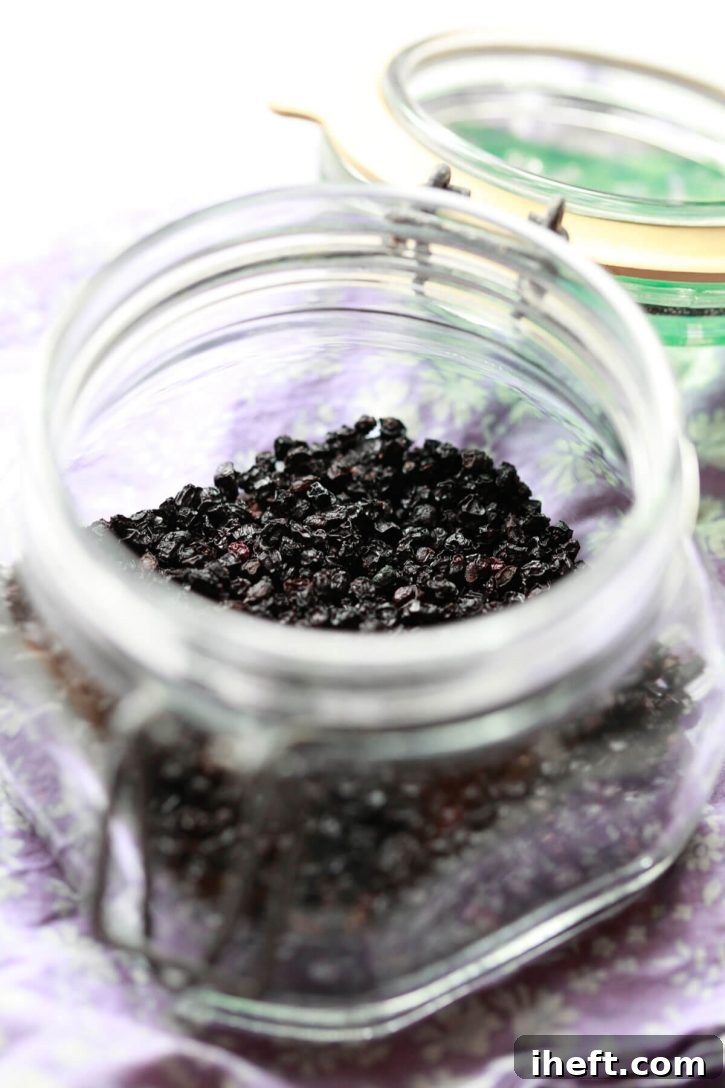
Sourcing Elderberries: Where to Find Your Immune Boost
Finding elderberries can depend on the season and your geographic location. Fresh elderberries typically flourish in late spring to early summer, and if you’re lucky, you might discover them at your local farmers’ market. However, for year-round availability and convenience, elderberries are most commonly found in dried or frozen forms.
Options for Purchase:
- Natural Food Stores: Many health food stores and specialty markets stock dried elderberries, often found in the bulk herb and spice sections. This allows you to purchase exactly the amount you need for your tea.
- Online Retailers: Online platforms like Amazon offer a wide selection of dried elderberries from various suppliers, making it easy to have them delivered directly to your door.
- Local Foraging: Foraging for wild elderberries can be a rewarding experience, but extreme caution is advised. It’s crucial to correctly identify the plant and ensure only ripe berries are harvested. Remember, certain parts of the elder plant are toxic if not properly prepared, so if you’re not an experienced forager, it’s safer to purchase them from reputable sources.
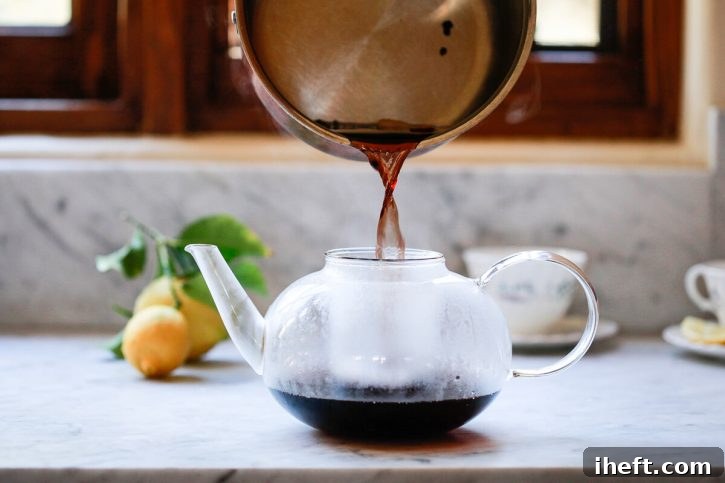
How to Make Elderberry Tea: A Simple Recipe for Wellness
Unlike many herbal teas that simply require steeping in boiling water, elderberries necessitate a bit of gentle cooking to release their full potential and ensure safety. The good news is that crafting homemade elderberry tea is incredibly straightforward and rewarding.
Step-by-Step Instructions:
To make this immune-boosting tea, you’ll simply simmer water with either dried, fresh, or frozen elderberries until the liquid transforms into a rich, deep purple hue. While the basic recipe is wonderfully effective on its own, you have the flexibility to enhance its flavor with natural sweeteners, aromatic spices, or a bright squeeze of lemon.
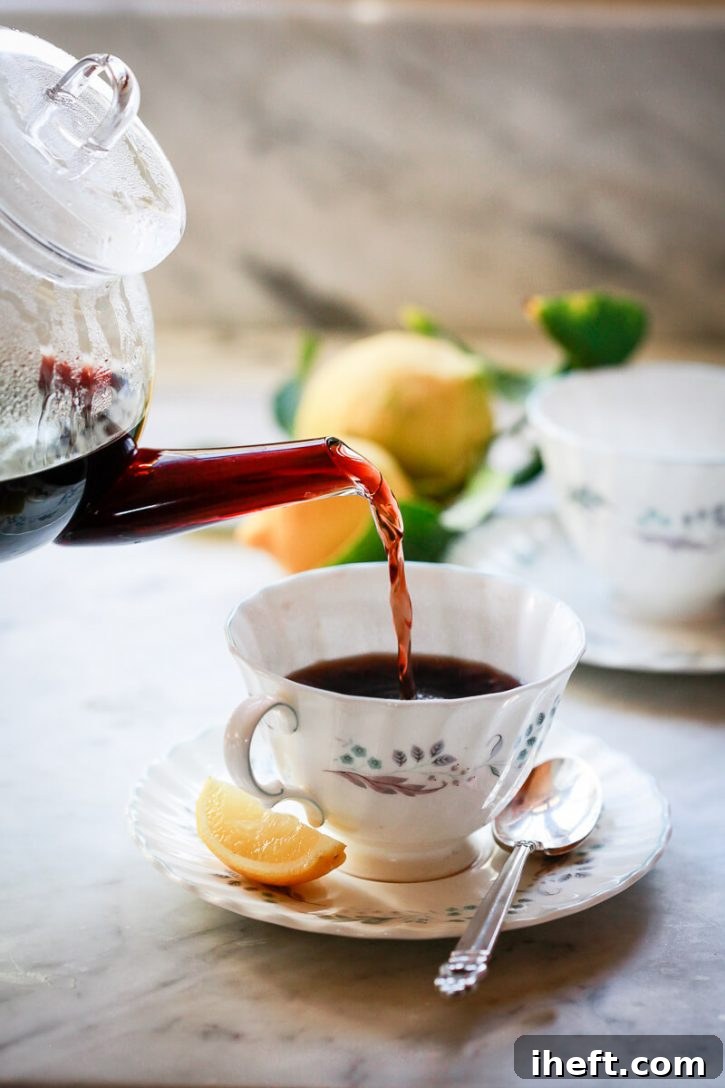
Elderberry tea is exceptionally soothing when served hot, especially with the addition of lemon and honey, providing comforting relief for sore throats and persistent coughs. However, don’t limit yourself – it’s equally delightful and refreshing when enjoyed iced, making it a versatile beverage for any time of year.
Elevate Your Brew: Delicious Flavor Variations for Elderberry Tea
While the fundamental elderberry tea recipe requires only two ingredients – elderberries and water – its natural flavor can be quite subtle. To truly unlock a more vibrant and enjoyable tea experience, consider incorporating elements of acid, sweetness, or spice. These additions not only enhance the taste but can also contribute their own therapeutic benefits. Here are some fantastic ways to craft a more flavorful and personalized elderberry tea:
- Cinnamon Stick: For a warm, comforting, and slightly spicy note, simmer a whole cinnamon stick along with the water and elderberries. Cinnamon is also known for its anti-inflammatory properties.
- Fresh Lemon and Honey: A classic combination for a reason. Stir in fresh lemon juice and honey to taste after the tea has simmered. Lemon adds a bright, zesty tang and a boost of Vitamin C, while honey provides natural sweetness and soothing qualities, especially when battling a cough or sore throat.
- Orange Peel and Juice: Introduce a delightful citrus aroma and flavor by simmering a piece of orange peel with the water and berries. For an extra burst of freshness, squeeze in some fresh orange juice just before serving.
- Ginger Slices: Add a spicy kick and digestive benefits by simmering a few thin slices of fresh ginger with the elderberries and water. Ginger is well-regarded for its warming properties and ability to soothe upset stomachs and congestion.
- Cloves or Star Anise: For a more complex, aromatic profile, consider adding a couple of whole cloves or a star anise pod to the simmering mixture. These spices contribute a wonderfully fragrant depth.
Important Safety Considerations: Are Elderberries Safe to Consume?
While elderberries offer significant health benefits, it’s crucial to understand their proper preparation and potential risks to ensure safe consumption. Always exercise caution and consult a healthcare professional if you have any concerns.
- Toxicity & Preparation: Elderberries are generally considered safe for consumption, but they *must* be cooked first. Raw, uncooked elderberries, as well as other parts of the elder tree (leaves, stems, unripe berries), contain a cyanide-inducing glycoside. Consuming these raw or improperly prepared parts can lead to digestive upset, including nausea, vomiting, and diarrhea. Cooking neutralizes these toxic compounds, making the berries safe to enjoy.
- Specific Populations: Elderberry is not recommended for young children, women who are pregnant, or those who are breastfeeding. There is insufficient research on its effects in these vulnerable groups, so it’s best to err on the side of caution.
- Potential Side Effects: When used in supplement form for up to five days, elderberry is generally considered safe for most healthy adults. However, long-term use and its potential side effects have not been extensively studied. Always adhere to recommended dosages and discontinue use if you experience any adverse reactions.
- Drug Interactions: If you are regularly taking any medications or other supplements, it is imperative to consult with your doctor before incorporating elderberry into your regimen. Elderberry can potentially interact with certain drugs, including immunosuppressants (as it boosts the immune system), chemotherapy agents, diuretics, and laxatives. A healthcare professional can provide personalized advice based on your medical history.
- Efficacy and Medical Advice: While elderberry tea offers numerous potential benefits for immune support and symptom relief, it should not be considered a sole treatment or preventative measure for serious illnesses like influenza or COVID-19. It is essential to remember that this information is for educational purposes only and does not constitute medical advice. Always follow the guidance of medical professionals for diagnosis, treatment, and prevention of any health condition.
Additional Healthy Tea Recipes You’ll Love
If you’re interested in exploring more natural remedies and comforting beverages, here are a couple of other healthy tea recipes that might pique your interest:
- Dandelion Detox Tea: A refreshing and purifying brew known for its liver-supporting properties.
- Lavender Tea: A fragrant and calming tea perfect for relaxation and promoting restful sleep.
We hope this detailed guide has enriched your understanding of elderberry tea, its traditional uses, modern benefits, and how to effortlessly prepare it at home. Remember, while natural remedies can be a wonderful addition to a healthy lifestyle, they are not a substitute for professional medical advice. Always consult with a healthcare provider for any health concerns or before starting any new dietary supplements or treatments.
Elderberry Tea Recipe
1 minute
15 minutes
16 minutes
Homemade elderberry tea is incredibly easy to prepare with just two core ingredients: dried elderberries and water! From this simple base, you have endless possibilities to customize the flavor to your liking. Elderberry tea is widely believed to help boost your immune system and has been a trusted natural remedy for colds and flu for centuries.
Ingredients
- 2 tablespoons dried elderberries
- 3 cups water
- 1/4 lemon or orange
- honey to taste*
Instructions
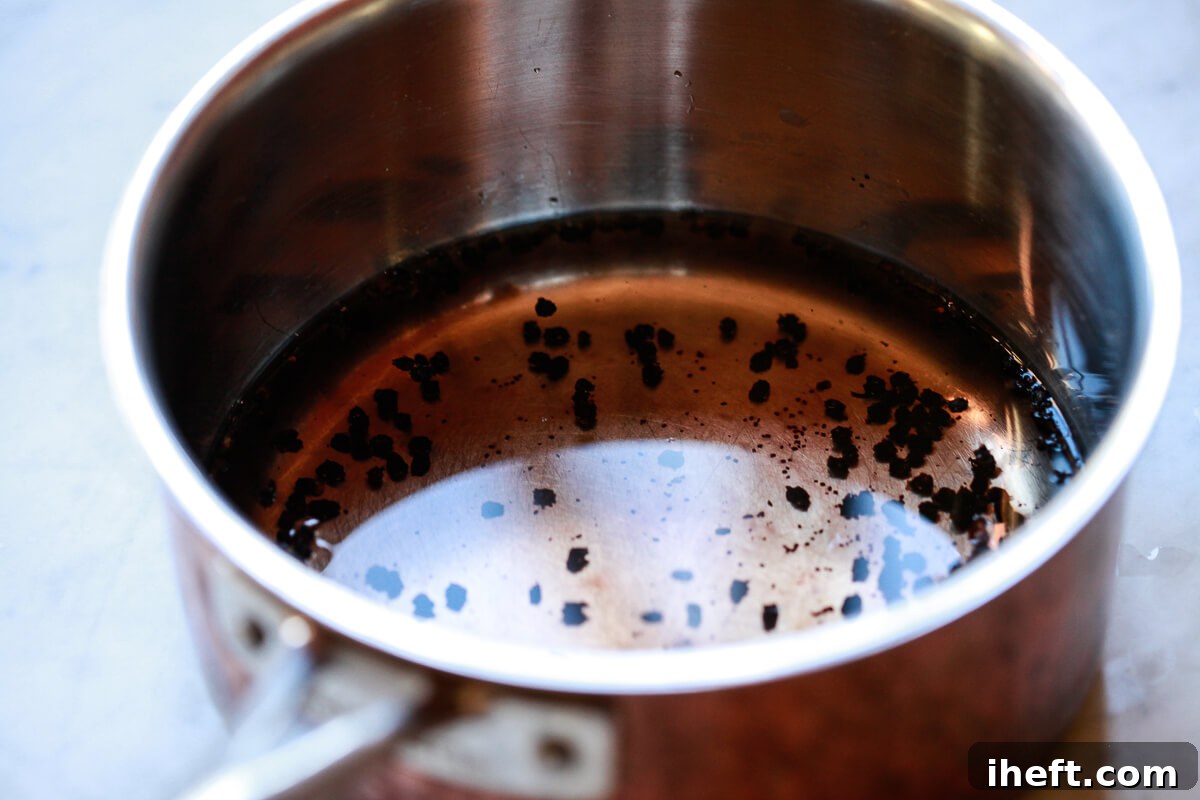
- In a small saucepan, combine the water and elderberries. Bring the mixture to a gentle simmer over medium heat.

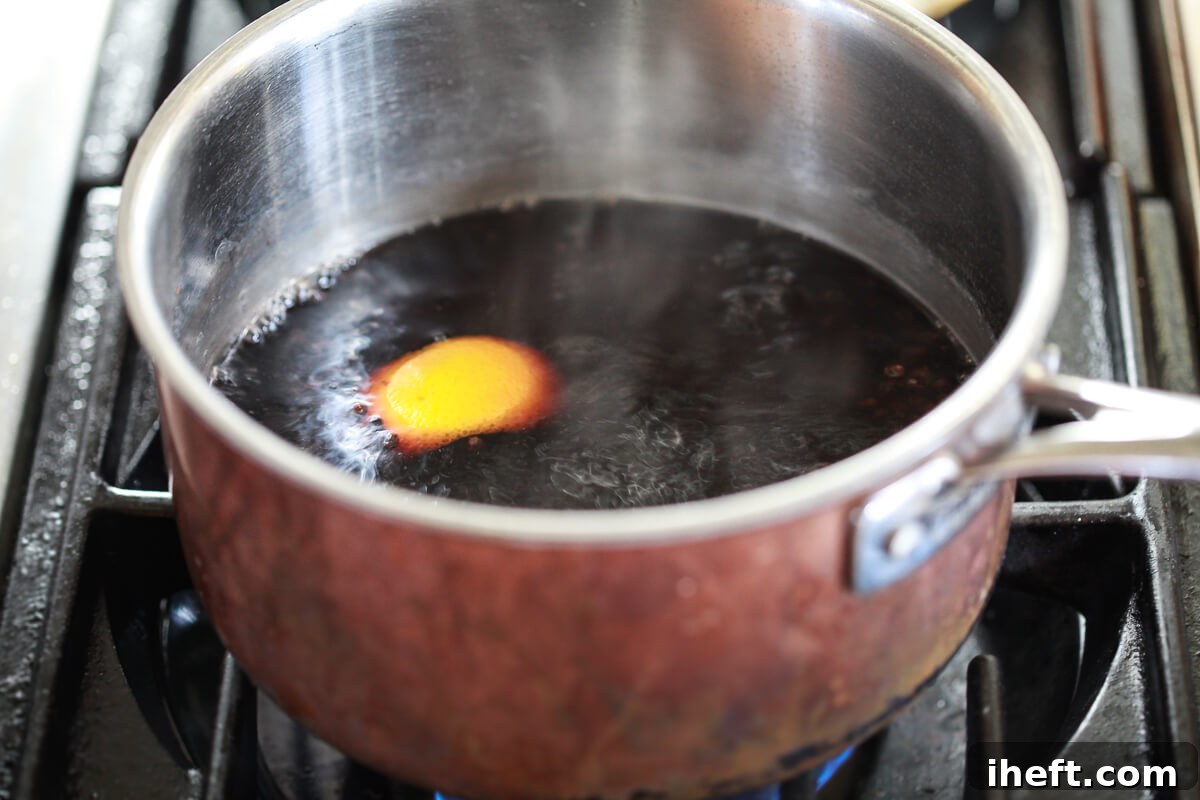
- Simmer for 10 to 15 minutes, allowing the elderberries to infuse their color and properties into the water until the tea has reached a rich, deep color.
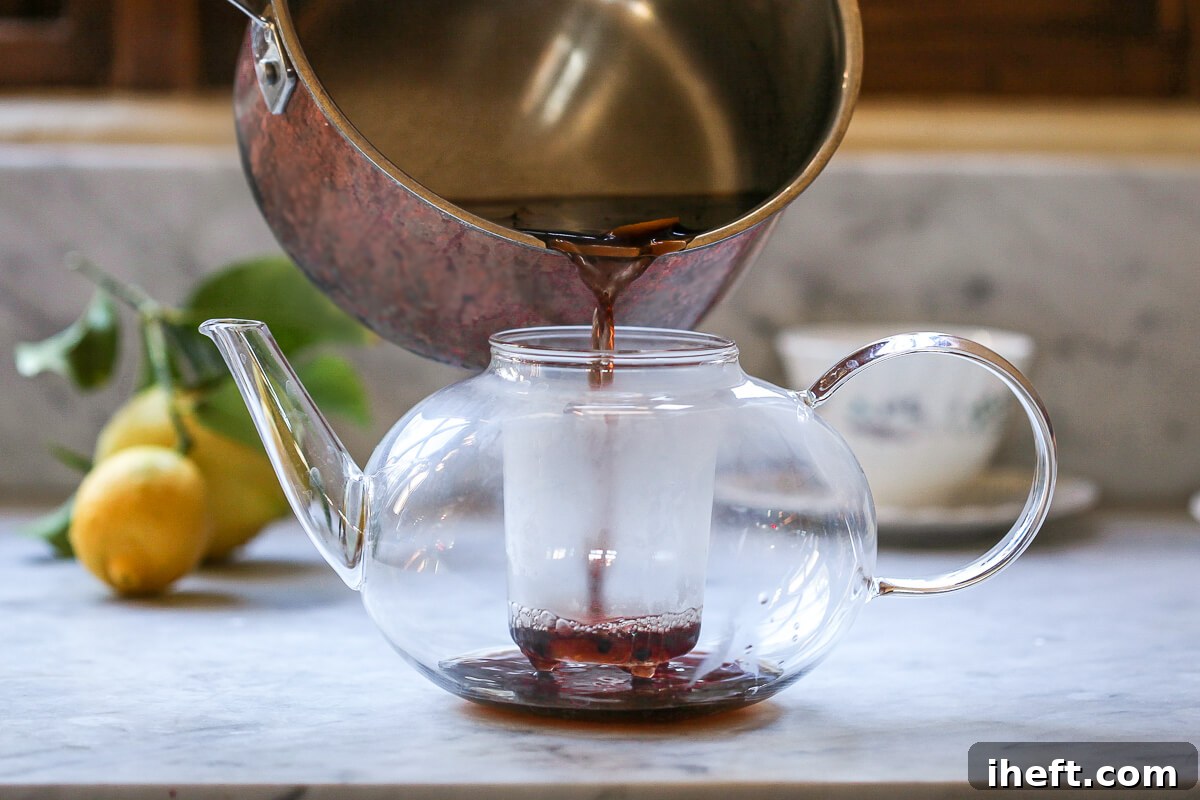
- Remove the saucepan from the heat. Carefully pour the tea through a fine mesh sieve, either directly into a teacup or into a teapot. Discard the elderberry solids, or save them to reuse for a lighter second brew if desired.
- Sweeten your elderberry tea with honey, agave, or stevia to your preferred taste. For an added burst of flavor and immune support, squeeze in some fresh lemon or orange juice.
Notes
*Agave or organic liquid stevia would be excellent vegan options to replace honey. For allergy considerations, consider using local honey. For enhanced immune support or during cold/flu season, Manuka honey is highly recommended.
Other wonderful flavor additions: you can simmer a slice of fresh ginger, 1 cinnamon stick, a piece of orange peel, 2 whole cloves, or 1 star anise along with the elderberries and water for a more complex and aromatic tea.
Leftover elderberry tea can be cooled to room temperature and then stored in an airtight container in the refrigerator for up to 5 days. Enjoy your homemade elderberry tea hot for soothing comfort or chilled over ice for a refreshing beverage.
If you choose to use fresh or frozen elderberries instead of dried, double the amount of berries to 4 tablespoons to achieve a similar potency and flavor.
Recommended Products
As an Amazon Associate and member of other affiliate programs, I earn from qualifying purchases.
- Wedderspoon Raw Premium Manuka Honey, KFactor 16, 17.6 Ounce
- Glass Teapot with Stainless Steel Infuser & Lid
- Elderberry Whole, Dried Wild-Harvest
Nutrition Information:
Yield: 2
Serving Size: 1
Amount Per Serving:
Calories: 44Total Fat: 0gSaturated Fat: 0gTrans Fat: 0gUnsaturated Fat: 0gCholesterol: 0mgCarbohydrates: 11gFiber: 2gProtein: 1g
Nutrition information is automatically calculated by Nutritionix. I am not a nutritionist and cannot guarantee accuracy. If your health depends on nutrition information, please calculate again with your favorite calculator.