Fresh Aloe Juice From Scratch

Revitalize your routine with the incredible benefits of homemade aloe vera juice! More than just a refreshing drink, this natural elixir is packed with health-boosting properties, from promoting radiant skin to aiding digestion and detoxification. Discover how simple it is to prepare your own nutrient-rich aloe vera drink at home with our easy-to-follow guide.

Embrace Wellness: Your Guide to Homemade Aloe Vera Juice
In a world increasingly seeking natural remedies and wellness solutions, aloe vera stands out as a plant of extraordinary versatility and benefit. From its historical uses in ancient civilizations to its modern-day applications in cosmetics and health drinks, the succulent leaves of the aloe plant have long been cherished. My own children, captivated by its uniquely refreshing and subtly sweet flavor, often request aloe vera drinks when we visit local stores. The intriguing chewy pieces of aloe pulp add to its appeal, making it a popular choice for a healthy beverage.
Witnessing their enthusiasm, and noticing fresh aloe vera leaves readily available at health food stores, sparked an idea: why not try crafting our own aloe juice, or “aloe water,” right in our kitchen? The process proved to be surprisingly simple, engaging, and remarkably rewarding. The resulting homemade aloe vera drink was not only delicious but also carried the undeniable satisfaction of knowing exactly what went into it.
Aloe vera, a distinctive succulent belonging to the Liliaceae family, is renowned for its thick, fleshy leaves. These leaves house a translucent gel, a powerhouse of beneficial compounds. This gel has been utilized for centuries, both orally and topically, for its wide array of therapeutic properties. Understanding these benefits is key to appreciating why this humble plant has earned its reputation as a “miracle plant.”
The Health Powerhouse: Unveiling Aloe Vera Juice Benefits
With the growing popularity of aloe vera drinks, especially among younger generations, a common question arises: “Is aloe vera juice truly good for you?” The answer, like many natural remedies, is nuanced. While many store-bought varieties are indeed healthy, it’s crucial to examine their nutritional labels. Some commercial aloe drinks may contain added sugars, artificial flavors, and preservatives that can diminish their overall health value. For instance, some popular brands might include organic sugar and grape flavor, leading to about 60 calories and 11 grams of sugar per 8 oz serving. Opting for purer versions or making your own ensures you maximize the natural goodness without unwanted additives.
The aloe vera plant boasts a rich history of medicinal use spanning thousands of years, primarily recognized for its potent wound-healing capabilities. However, its applications extend far beyond topical relief. The plant’s gel is a complex matrix of over 200 biologically active compounds, including vital enzymes, 18 essential amino acids, and a spectrum of vitamins such as A, B1, B3, B6, C, and E. Furthermore, it’s a treasure trove of essential minerals like potassium, calcium, phosphorus, magnesium, and chloride. Many sources even proclaim aloe vera leaf to be among the most widely used medicinal plants globally. A deeper dive into its extensive benefits can be found here.
Among the most significant constituents of aloe vera are its polysaccharides, which typically comprise 6-15% of the plant’s composition. These complex carbohydrates are believed to be responsible for many of aloe’s celebrated therapeutic actions. Let’s explore some of the key health benefits associated with consuming aloe vera juice:
1. Enhancing Oral Health and Hygiene
Emerging research highlights aloe vera’s potential in maintaining excellent oral health. Studies have indicated that the powerful anti-inflammatory properties of aloe vera can significantly help in reducing symptoms of gingivitis and periodontitis, common gum diseases. Beyond inflammation, specific compounds within aloe vera, known as anthraquinones, have shown efficacy in controlling the growth of bacteria that contribute to dental cavities. Incorporating aloe vera juice into your daily routine could therefore be a proactive step toward a healthier mouth and brighter smile.
2. Promoting Radiant and Hydrated Skin from Within
While aloe vera is famous for its topical skin applications, consuming aloe vera juice can contribute to a healthy complexion from the inside out. Its deeply hydrating and soothing properties may play a role in preventing common skin conditions like acne and dermatitis. The abundant vitamins, minerals, and potent antioxidants found in aloe vera work synergistically to protect skin cells from oxidative damage and combat the signs of premature aging. Moreover, plant growth regulators called gibberellins, present in aloe, are known to stimulate the formation of collagen and elastin—essential proteins for maintaining skin’s firmness, elasticity, and youthful glow. Regular consumption can lead to noticeably clearer, more supple, and naturally radiant skin.
3. Supporting Optimal Digestive Function
Across various cultures and traditional medicine systems, aloe leaf juice has been revered for its efficacy in addressing a myriad of gastrointestinal issues. One of its most well-known uses is in the management of Irritable Bowel Syndrome (IBS) and chronic constipation. The natural laxative compounds inherent in aloe vera, specifically anthraquinones, exert their effect by reducing the absorption of water in the intestines, leading to softer stools and promoting bowel regularity. It’s important to note that these compounds are primarily found in the natural latex layer of the plant, which must be carefully removed during preparation to ensure safe consumption.
4. Harnessing Powerful Anti-Inflammatory Properties
The clear gel extracted from the aloe vera leaf is a rich source of anthraquinones, compounds endowed with significant anti-inflammatory capabilities. Chronic inflammation is a root cause of many modern diseases, making anti-inflammatory interventions crucial. Impressively, one study demonstrated that aloe vera extract was able to reduce inflammation in arthritic rats by a remarkable 48%. This suggests its potential as a natural ally in managing inflammatory conditions throughout the body, offering a gentle, plant-based approach to reducing discomfort and promoting healing.
5. Aiding Detoxification and Potentially Supporting Weight Loss
Similar to other popular detoxification beverages, aloe vera has been identified as a valuable supporter of healthy liver function—a critical component of the body’s natural detox processes. Research indicates its protective effects against conditions such as alcohol-induced fatty liver, highlighting its role in maintaining hepatic health. Furthermore, studies suggest that aloe vera may contribute to lowering cholesterol levels and mitigating the risk of heart disease. Intriguingly, specific compounds like lophenol and cycloartenol, identified within aloe, have shown the potential to reduce abdominal fat, offering a natural complement to weight management strategies.
Crafting Your Own: A Step-by-Step Guide to Homemade Aloe Vera Juice
Creating fresh aloe vera juice in your own kitchen is a remarkably straightforward process, requiring minimal ingredients and equipment. Essentially, you’ll need a fresh aloe vera leaf and clean water. The magic happens when these two components are blended together, breaking down the succulent inner gel and diluting it to a drinkable consistency. From this pure base, you have the creative freedom to infuse your fresh aloe juice with an array of flavors. However, mastering the art of working with an aloe leaf involves a few crucial steps to ensure both safety and optimal taste.
Step 1: Sourcing Your Fresh Aloe Vera Leaf
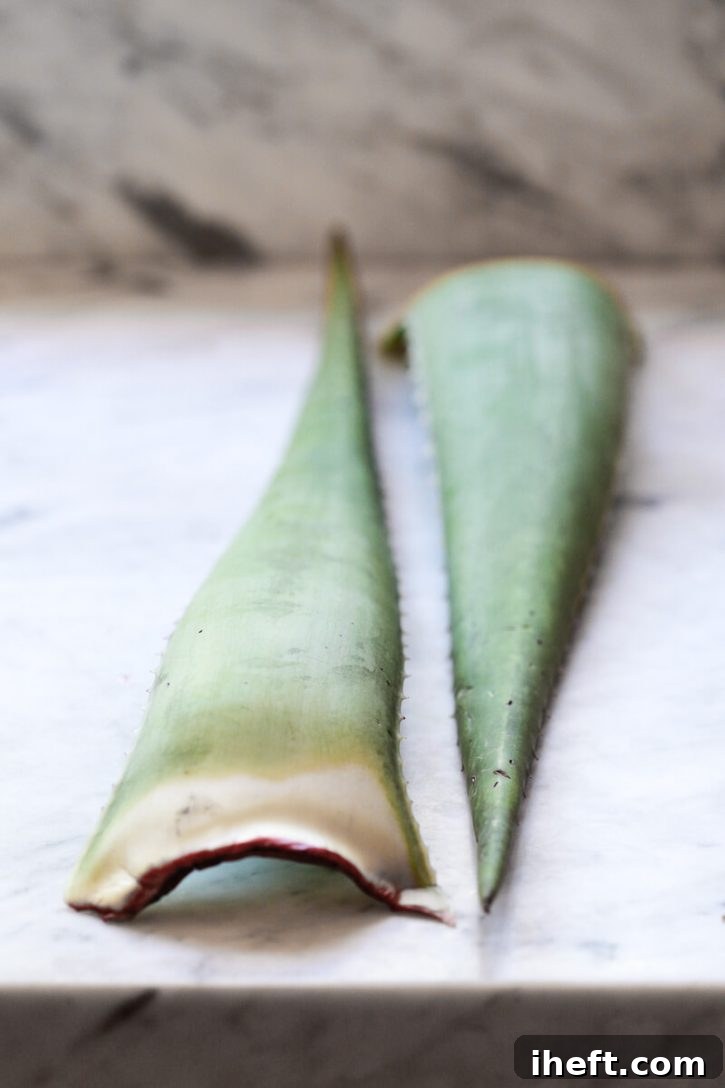
Your journey begins with selecting a high-quality aloe vera leaf. These can typically be found at well-stocked natural grocery stores, such as Whole Foods, Sprouts, or even some larger conventional supermarkets. When choosing a leaf, look for one that is plump, firm, and a vibrant green, free from significant blemishes or dry spots. You’ll be surprised by how much gel a single leaf contains; often, half of a large leaf is sufficient to produce about one quart of fresh juice. If you have an aloe vera plant at home, you can simply cut off a lower leaf, allowing the cut end to drain for about 10-15 minutes to release some of the bitter yellow latex.
Step 2: Meticulously Peeling the Aloe Vera Leaf
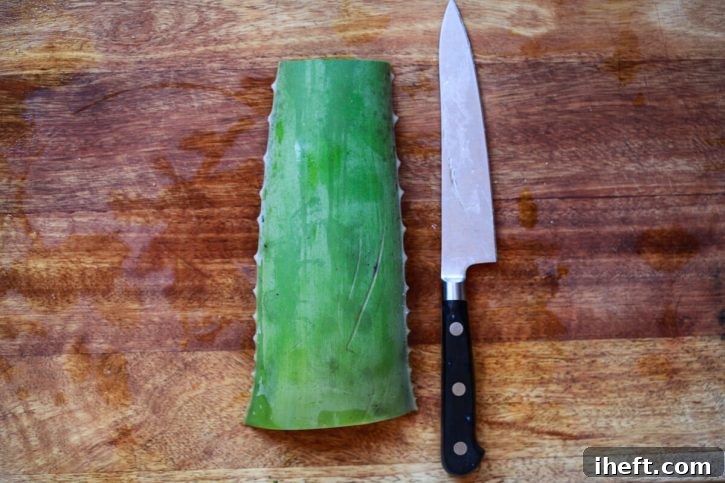
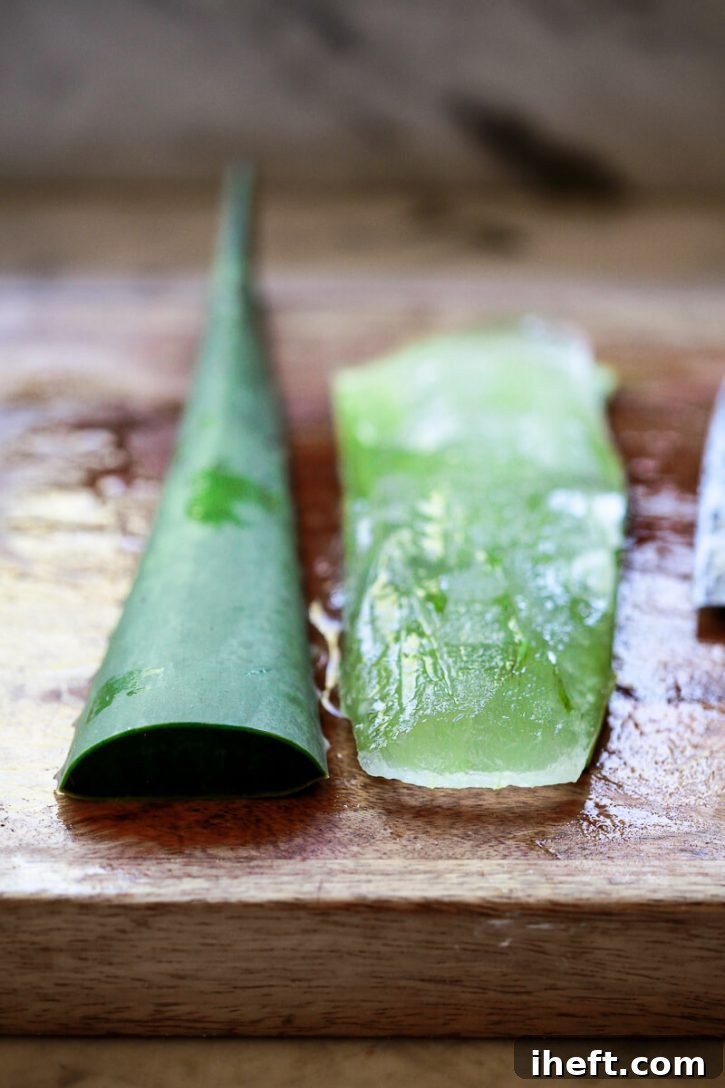
This is a critical step that requires careful attention. Using a sharp knife or a vegetable peeler, meticulously cut away the tough green outer skin from the aloe leaf. Your goal is to expose the clear, gelatinous inner fillet. Exercise extreme caution during this process, as the slick nature of the aloe gel can make both your hands and the knife very slippery. Work slowly and deliberately to remove all traces of the green skin, as well as the yellowish layer directly beneath it, which is the latex.
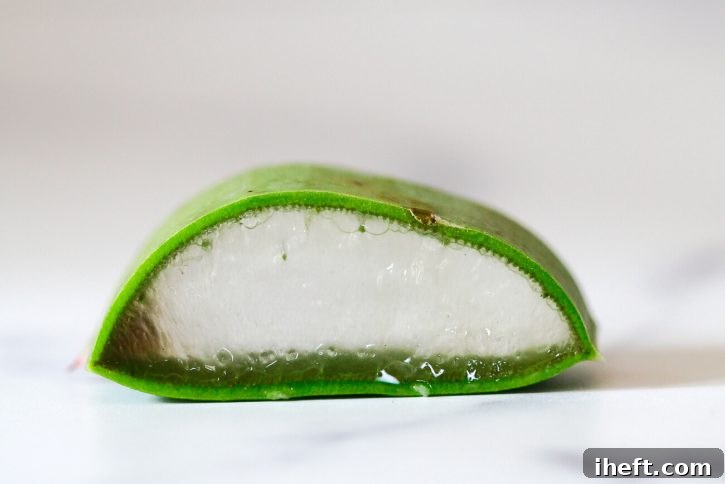
Understanding the anatomy of the aloe vera leaf is vital for safe consumption. The leaf is composed of three primary layers: the robust green outer skin, a thin yellow latex layer situated just beneath the skin, and the transparent inner gel. It is absolutely essential to thoroughly remove all of the yellow latex. This layer contains aloin, a natural compound that acts as a potent laxative. While beneficial in specific medicinal contexts, excessive consumption of aloin can lead to undesirable side effects, which we will discuss further in the FAQ section.
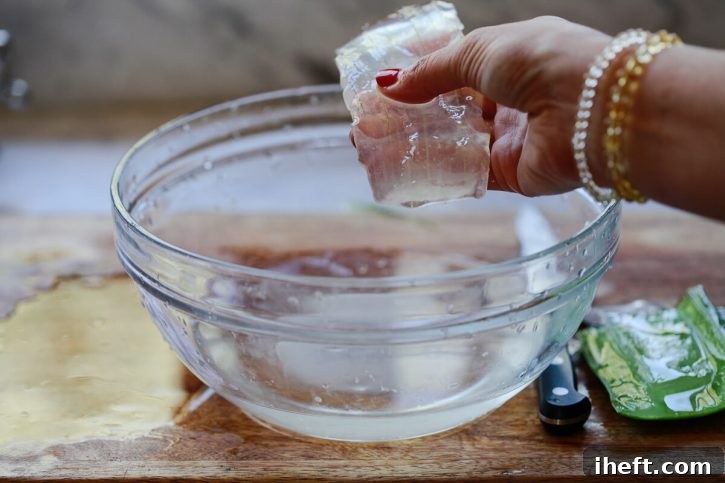
Step 3: Thoroughly Rinsing the Aloe Gel
Once you have successfully extracted the clear aloe gel, it’s crucial to give it a good rinse. Aloe vera, in its natural state, possesses a distinctively bitter taste. Rinsing the gel under cool, running water or soaking it briefly in a bowl of fresh water helps to significantly reduce this bitterness. More importantly, this step ensures that any lingering traces of the yellow latex and its aloin content are completely washed away, making the gel safer and more palatable for consumption.
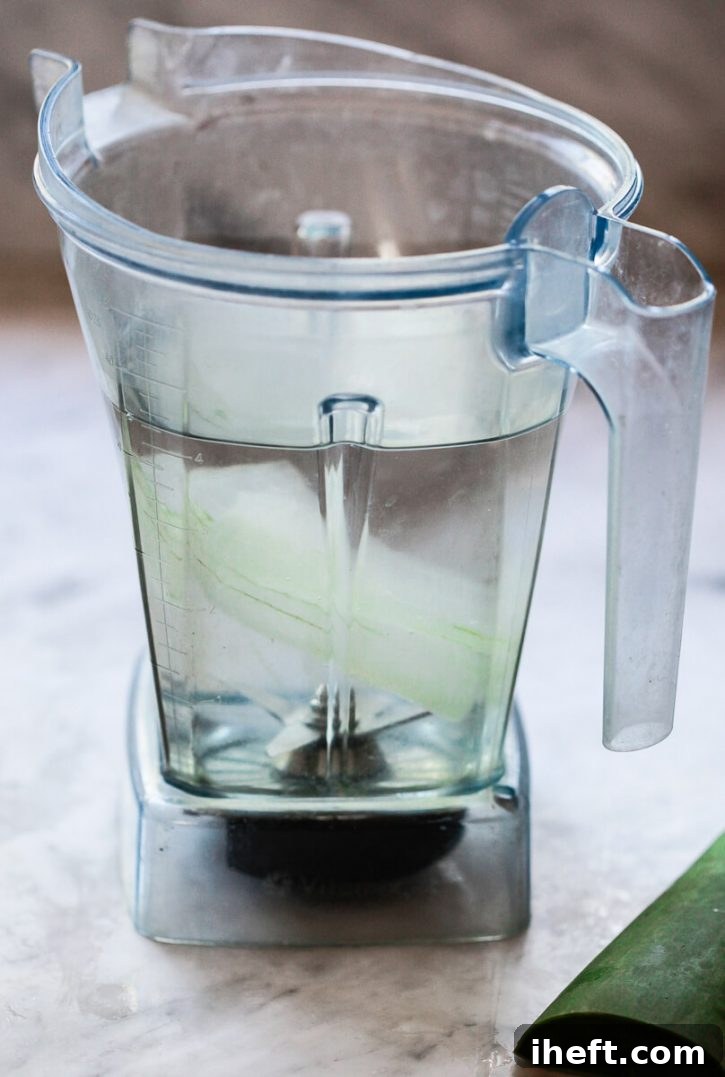
Step 4: Blending for the Perfect Consistency
With your clean aloe vera gel prepared, it’s time to transform it into a refreshing drink. Place the gel into a high-speed blender, such as a Vitamix, and add your desired amount of filtered water. The ratio of gel to water can be adjusted based on your preference for potency and consistency. You have the option to blend the mixture until it is completely smooth and uniform, yielding a silky liquid. Alternatively, if you enjoy a more textural experience, you can pulse the blender a few times to leave small, chewy bits of aloe in the juice – a preference often favored by children for its unique mouthfeel. The consistency of pure aloe gel is somewhat similar to Sea Moss Gel, which incidentally also boasts an impressive range of health benefits.
Elevate Your Experience: Creative Aloe Vera Drink Flavor Variations
Pure, fresh homemade aloe vera juice, when properly prepared and unflavored, has a very mild, almost neutral taste, making it an excellent base for various flavor enhancements. You can store your plain aloe juice in the refrigerator for up to a week and add it to other diluted juices or simply enjoy it as is. However, for those who prefer a more exciting palate, here are some delightful flavor combinations to experiment with:
- Citrus Zing: Blend in 1/2 cup of freshly squeezed lemon or lime juice. Sweeten to taste with agave nectar, maple syrup, or a few drops of liquid stevia for a zesty, refreshing lemonade-like drink.
- Berry Boost: Add 1/2 cup of pomegranate juice for a tart and antioxidant-rich beverage. Other berry juices like cranberry or cherry also pair beautifully.
- Tropical Escape: Incorporate 2/3 cup of pineapple juice or mango puree for a sweet and exotic twist. A splash of coconut water can further enhance the tropical vibe.
- Sparkling Refreshment: For a bubbly sensation, mix your prepared aloe juice with sparkling water or club soda. Add a few cucumber slices and mint leaves for an extra refreshing garnish.
- Green Goodness: Combine with green juices like celery, cucumber, or a hint of ginger for a powerful detoxifying blend.
Frequently Asked Questions About Aloe Vera Juice
As with any supplement or natural remedy, it’s natural to have questions regarding the safe and effective consumption of aloe vera juice. Here are answers to some of the most common inquiries:
How much aloe vera juice should I drink daily?
For most individuals, a recommended daily intake to reap the health benefits of aloe vera juice ranges from one to eight ounces (approximately 30 to 240 ml) per day. It’s always best to start with a smaller amount, such as one to two ounces, and gradually increase it as your body adjusts. Pay attention to how your body responds and adjust the dosage accordingly. Consistency is key when it comes to experiencing the full range of benefits, so try to incorporate it into your routine regularly.
What are the potential side effects of drinking aloe vera juice?
While generally safe when properly prepared, aloe vera can have a strong laxative effect if the aloin-containing latex is not entirely removed. This is why meticulous peeling and rinsing of the gel (as described in Step 2 and 3) are paramount. Consuming unpurified aloe gel directly, especially in large quantities, can lead to severe gastrointestinal distress, including cramping, diarrhea, and in rare, extreme cases, it can result in permanent kidney damage due to dehydration and electrolyte imbalance. Therefore, it is critically important to only consume diluted, latex-free aloe vera in the form of juice.
Furthermore, the internal use of aloe vera is not recommended for everyone. Individuals with pre-existing liver or kidney disease, intestinal issues (such as Crohn’s disease or ulcerative colitis), heart conditions, or electrolyte imbalances should exercise extreme caution or avoid it entirely, as its safety in these populations is not fully established. There is also a potential for drug interactions, particularly for those on diabetes medications (as aloe can lower blood sugar), diuretics (which can exacerbate electrolyte loss), or other laxatives (increasing the risk of excessive bowel activity). Lastly, since aloe vera contains natural latex, individuals with known latex allergies should be extra cautious and consult a healthcare professional before consumption, as it could trigger an allergic reaction.
Is homemade aloe vera juice healthier than store-bought varieties?
Generally speaking, yes, homemade juices tend to be healthier than their store-bought counterparts. The primary reason is freshness: homemade juices are consumed shortly after preparation, meaning their delicate vitamins, enzymes, and other nutrients have less time to degrade. In commercially produced aloe vera drinks, especially those that undergo extensive processing, the beneficial polysaccharides—which are central to many of aloe’s health properties—may be partially or entirely destroyed during pasteurization or other preservation methods. Making your own ensures you retain the maximum nutritional integrity and potency of the plant.
Where can I purchase aloe vera drinks or fresh leaves?
If sourcing fresh aloe vera leaves isn’t feasible, or if you’re looking for a convenient option, store-bought aloe vera juice is widely available. As previously mentioned, some popular options are found at stores like Trader Joe’s. However, for a purer product with minimal additives, explore other natural food stores such as Whole Foods or Sprouts, which often stock varieties with higher aloe content and fewer added sugars. You can also find a wide selection of aloe vera juices and even whole leaves through online retailers like Amazon, offering a convenient way to have this healthful beverage delivered directly to your door.
How to Make Aloe Vera Juice
10 minutes
10 minutes
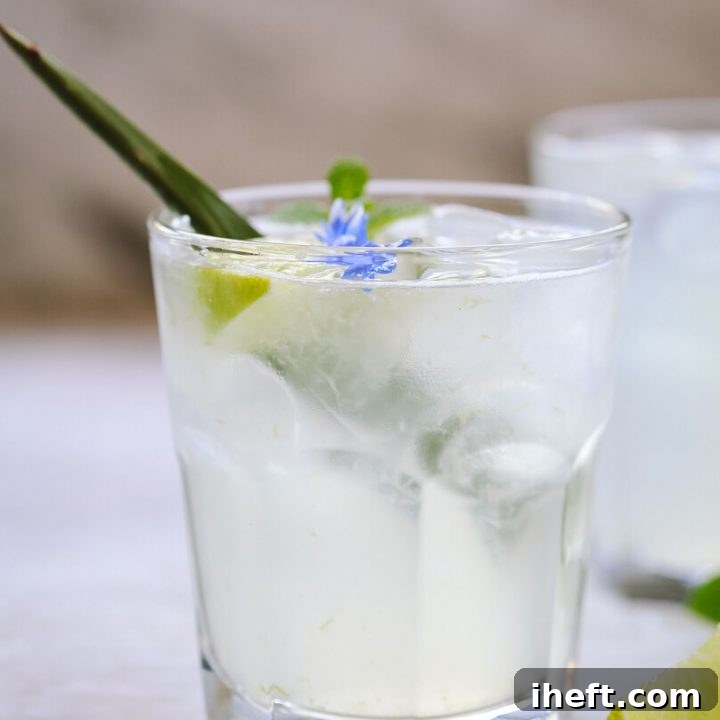
Homemade aloe vera juice is easy to make, tasty, and provides numerous health benefits, from clear glowing skin to weight loss and detox. Here’s how to make aloe vera drinks at home!
Ingredients
- 1/2 large aloe vera leaf
- 1 quart filtered water
- 2 limes, juiced (optional)
- 2 tablespoons agave syrup (optional)
Instructions
- Cut a large aloe vera leaf in half.
- Use a sharp knife to carefully remove the skin. Be careful, as the aloe is very slippery. Discard the skin and the yellow latex layer.
- Rinse the aloe gel thoroughly to remove any residual bitterness and latex.
- Place the peeled and rinsed aloe gel in a blender. Add the fresh water, and if using, the lime juice and sweetener.
- Blend the water and aloe into a juice. Some people prefer the aloe vera completely dissolved for a smooth texture, while others enjoy small, chewy bits, which can be achieved by pulsing the blender.
- Taste the aloe juice and adjust sweetness or acidity by adding more sweetener or lime juice if desired. Serve immediately over ice or refrigerate for up to one week in an airtight container.
Notes
Flavor Variations
Feel free to enjoy this aloe vera juice as is, or customize it with your favorite flavors. For a delightful lemonade-like taste, I often add lemon or lime juice along with about 2 droppers of organic stevia (Trader Joe’s brand is recommended). Other delicious additions include pomegranate, cranberry, pineapple, and orange juices, which blend wonderfully with the subtle flavor of aloe.
Nutrition Information:
Yield: 4 servings
Serving Size: 1 cup
Amount Per Serving (estimated):
Calories: 37Total Fat: 0gSaturated Fat: 0gTrans Fat: 0gUnsaturated Fat: 0gCholesterol: 0mgSodium: 10mgCarbohydrates: 10gFiber: 1gSugar: 6gProtein: 0g
Nutrition information is automatically calculated and is an estimate. I am not a nutritionist and cannot guarantee absolute accuracy. If your health depends on precise nutrition information, please recalculate with your preferred nutrition calculator based on your specific ingredients.