Food Combining Blueprint Optimize Your Digestion and Well-being
The Ancient Wisdom of Food Combining: A Guide to Optimal Digestion and Health
In a world brimming with complex dietary advice, the practice of food combining stands out for its simplicity and centuries-old roots. This eating pattern, also known as trophology, is built on the premise that blending different food categories at meals significantly impacts your digestion, nutrient absorption, and overall well-being. Far from being a fleeting trend, its principles are deeply embedded in ancient health systems, particularly Ayurveda. By understanding how foods interact within your digestive system, you can potentially unlock a path to greater vitality and comfort.
For many accustomed to a typical Western diet, the notion of strategically combining foods might seem foreign. Consider your daily meals: eggs and toast for breakfast, a turkey sandwich for lunch, or a classic meat and potatoes dinner. These combinations are standard, yet few pause to consider their potential effects on digestion. The philosophy of food combining challenges this conventional approach, suggesting that certain pairings can hinder your body’s efficiency, leading to discomfort and reduced nutritional benefit.

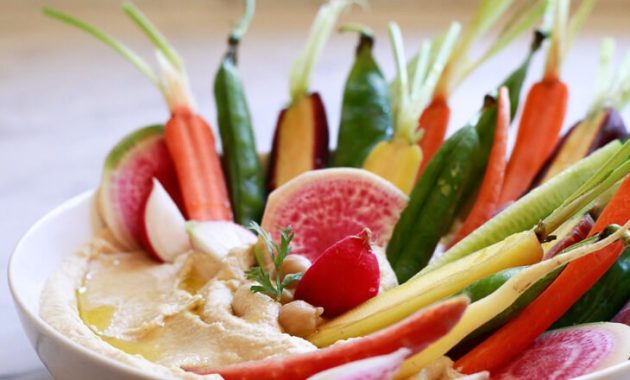
Hummus (a starchy pulse) combines well with non-starchy vegetables, but not typically with high-protein meats.
This comprehensive guide delves into the fascinating world of food combining. We will explore its historical foundations, unravel the core principles and rules, demystify the use of a food combining chart, and critically examine the potential benefits and drawbacks. Our goal is to provide you with a clearer understanding, empowering you to make informed decisions about your dietary choices and embark on a journey toward enhanced digestive harmony.
What is Food Combining? Unveiling the Science of Dietary Synergy
Food combining, or trophology, might appear to be a modern health trend, but its origins stretch back millennia. The bedrock of this philosophy rests firmly in ancient Indian traditions, primarily through Ayurvedic diets. This holistic system of medicine emphasizes the intricate connection between diet, digestion, and overall well-being, advocating for conscious food pairings to support the body’s natural processes. Additionally, principles from the macrobiotic diet of the 1920s also contribute to the modern understanding of food combining, further cementing its historical credibility.
At its core, food combining posits that different types of foods require distinct digestive environments and enzymes for optimal breakdown. When incompatible foods are consumed together, the theory suggests that the body struggles to digest them efficiently. For instance, proteins primarily require an acidic environment and proteolytic enzymes (like pepsin) for digestion, while starches need an alkaline environment and amylolytic enzymes (like amylase). When both are present, the body may neutralize the required environments or inhibit the necessary enzymes, leading to incomplete digestion.
The consequence of improper food combinations, according to this philosophy, can manifest as a range of digestive discomforts: bloating, gas, indigestion, acid reflux, and a feeling of heaviness after meals. Over time, these inefficiencies are believed to hinder nutrient absorption and potentially contribute to broader health issues. The goal of food combining is to streamline digestion, allowing the body to process foods more easily, extract maximum nutrients, and reduce metabolic stress.
Food combining rules are often quite specific, categorizing foods into groups that are meant to mix in particular ways and at certain times. While some approaches classify foods as acidic, alkaline, or neutral, the most common method breaks them down into fundamental categories, including:
- Starches: Grains, starchy vegetables (potatoes, corn, squash), bread, pasta.
- Fruits: Often further categorized into sweet (bananas, dates), acidic (citrus, berries), and melons.
- Non-Starchy Vegetables: Leafy greens, broccoli, cauliflower, bell peppers, cucumbers, celery.
- Proteins: Meats, poultry, fish, eggs, dairy, nuts, seeds, legumes (though some pulses have dual classifications).
- Fats: Oils, avocado, butter, nuts, seeds, olives.
Understanding these classifications is the first step toward implementing food combining principles. The following five fundamental rules form the bedrock of this dietary approach, as suggested by its loyal adherents, promising significant improvements in digestion and overall health.

Fruit digests more quickly than other foods and, in food combining, is often recommended to be consumed alone.
The Core Principles: 5 Fundamental Ayurveda Food Combining Rules
Adhering to specific food combining rules is paramount for those seeking to optimize their digestion according to this ancient wisdom. These guidelines aim to prevent digestive conflicts and enhance the body’s natural ability to process nutrients effectively.
1. Eat Fruit on an Empty Stomach
Perhaps one of the most widely recognized rules in food combining is the recommendation to consume fruit independently. Fruits, with their high water content and simple sugars, are believed to digest very rapidly, moving quickly through the stomach into the small intestine. If fruit is eaten after other foods, especially heavier proteins or starches, it can become “trapped” in the stomach behind slower-digesting foods. This can lead to fermentation and gas, causing bloating and discomfort. Therefore, followers suggest eating fruit or diluted fruit juices first thing in the morning, as a standalone snack between meals, or as an appetizer, rather than as a dessert or mixed with other complex foods. This ensures it passes through the digestive tract unimpeded, delivering its nutrients efficiently.
2. Never Combine High-Quality Proteins and Very Starchy Foods in the Same Meal
This rule is central to the food combining philosophy and addresses the enzyme conflict mentioned earlier. Proteins, such as meat, fish, eggs, dairy, nuts, and seeds, require an acidic environment for their digestion, initiated by hydrochloric acid and pepsin in the stomach. Starches, found in grains, potatoes, bread, and pasta, require an alkaline environment and the enzyme amylase, which begins its action in the mouth and continues in the small intestine. When these two food groups are combined, it’s believed that the stomach’s attempt to create an acidic environment for protein can inhibit the alkaline-dependent starch digestion, and vice versa. This leads to both foods being poorly digested, creating digestive distress. Instead, aim to pair proteins with non-starchy vegetables or sea vegetables, and starches with non-starchy vegetables. For example, instead of a turkey sandwich, consider grilled turkey with a large green salad. This ensures each food group receives the optimal digestive conditions it needs.
3. Grains and Starches Can Be Combined with All Vegetables
Unlike the conflicting nature of proteins and starches, grains and starchy vegetables are considered harmonious partners with all types of vegetables (both starchy and non-starchy). The logic here is that both grains and starchy vegetables are primarily carbohydrate-based and require similar digestive enzymes for their breakdown. This makes them compatible with a wide array of vegetables, which generally require minimal digestive effort and can even aid in the digestion of more complex carbohydrates due to their fiber and enzyme content. This rule allows for satisfying and diverse meals. For instance, staples like rice, farro, quinoa, potatoes, and squash can be readily combined with leafy greens, broccoli, carrots, and other vegetables to create balanced and easily digestible meals.
4. Combine Protein Fats with Non-Starchy Vegetables (and Acidic Fruits)
Fats, while essential for health, can slow down digestion due to their complex structure. When fats are combined with proteins, the digestive process can become even more protracted. Protein fats, such as avocado, olives, certain cheeses, and nuts, are believed to combine well with non-starchy vegetables. Non-starchy vegetables, being light and easy to digest, help to balance the heavier nature of fats without creating digestive conflict. Interestingly, acidic fruits, like citrus, are also often believed to combine synergistically with fats. The acidity is thought to assist in the breakdown of fats, making this an acceptable pairing in many food combining systems. For example, a salad with avocado, olives, and a lemon-based dressing paired with leafy greens would be considered a good combination.
5. Consume Pulses with Vegetables Mindfully
Pulses, which include beans and legumes (lentils, peas, chickpeas), present a unique challenge in food combining due to their dual nature: they are significant sources of plant-based protein and also contain high amounts of complex starches. This combination of protein and starch can be problematic for digestion, similar to the protein-starch rule (rule #2). Therefore, the recommendation is to consume pulses primarily with non-starchy vegetables. This mindful pairing helps to mitigate potential digestive issues like gas and bloating that many people experience with legumes. For instance, hummus, a starchy pulse, is best enjoyed with fresh vegetables or rice cakes, rather than being part of a protein-heavy meal. Lentil soup, a staple worldwide, would be ideally combined with various vegetables and without additional concentrated protein sources. It’s also worth noting that some food combining philosophies differentiate between different types of pulses; for example, soy products like tofu and tempeh are often considered high-quality proteins and should be combined more like other concentrated proteins (i.e., with non-starchy vegetables), while other pulses might be treated more as starchy components.
By integrating these five rules into your eating habits, you can begin to experience the digestive benefits that food combining enthusiasts advocate.
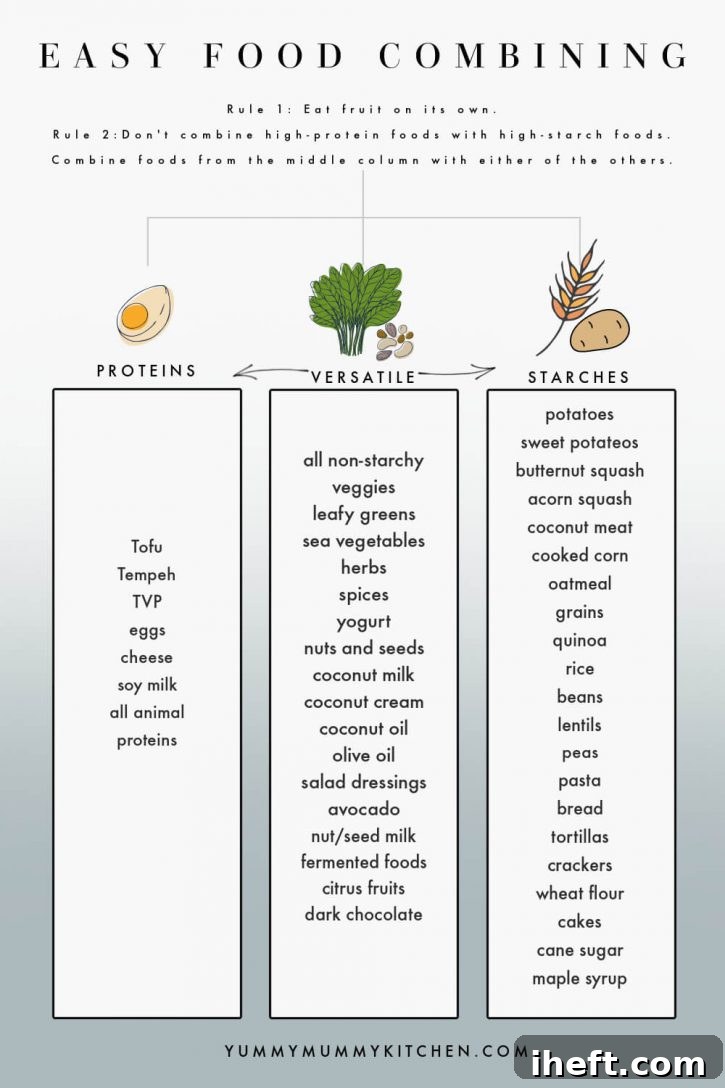
Navigating Your Plate: Following a 3-Step Food Combining Chart
For many, a visual guide like a food combining chart can be an invaluable tool to simplify these intricate rules. While charts can vary widely depending on whether they categorize foods by pH levels or distinct food groups, the underlying principle remains the same: to provide a clear roadmap for creating harmoniously combined meals. Following a food group approach, here’s a simple, actionable 3-step flow that can be applied to virtually any food combining chart you choose to adopt:
1. Choose One Main Category for Each Meal
The first and most crucial step is to select a single primary food component around which your meal will be built. This means deciding whether your meal will be predominantly starch-based, fruit-based, protein-based, or fat-based. This focused approach prevents the digestive conflicts that arise from mixing incompatible primary categories. For example, if you opt for a protein-focused meal, you would avoid adding significant sources of starch. This clarity in selection streamlines the digestive process by providing the body with a consistent environment for enzyme activity.
- Starch: Grains like rice, quinoa, or whole wheat pasta; starchy vegetables such as potatoes or sweet potatoes.
- Fruit: Best consumed alone, especially melons, or acidic fruits in specific combinations.
- Protein: Lean meats, fish, eggs, dairy, tofu, tempeh, or specific legumes.
- Fat: Avocados, nuts, seeds, healthy oils, or olives.
2. Pair Your Main Component with Non-Starchy Vegetables
Once you have chosen your main food category, the next step is to generously fill the remainder of your plate with non-starchy vegetables. Non-starchy vegetables are considered the universal harmonizers in food combining. They are generally easy to digest, rich in fiber, vitamins, and minerals, and do not significantly interfere with the digestion of either proteins or starches. Examples include leafy greens (spinach, lettuce, kale), broccoli, cauliflower, bell peppers, zucchini, cucumbers, and green beans. Their versatility makes them an ideal accompaniment, adding bulk, nutrients, and freshness to any meal without creating digestive stress.
3. Allow Ample Digestion Time Between Meals (3 to 4 Hours)
Beyond what you eat, when you eat is equally important in food combining. This rule emphasizes the need to allow your digestive system adequate time to process a meal completely before introducing a new category of food. A typical recommendation is to wait 3 to 4 hours between meals. This ensures that the enzymatic work from the previous meal is finished, preventing new foods from interfering with ongoing digestion. Eating too frequently or snacking on incompatible items between meals can continuously challenge the digestive system, counteracting the benefits of proper food combinations. However, if hunger strikes, small snacks of non-starchy vegetables are usually permissible, as they are quickly digested and unlikely to cause conflict.
By consistently applying this 3-step framework, individuals can simplify the practice of food combining, making it a more manageable and sustainable approach to dietary wellness. The chart serves as a quick reference, transforming complex rules into clear, actionable choices for every meal.
Food Combining: Weighing the Pros and Cons for Your Health Journey
Like any dietary approach, food combining comes with its own set of potential advantages and disadvantages. It’s crucial to examine these factors objectively to determine if this centuries-old practice aligns with your personal health goals and lifestyle.
Pros of Food Combining
-
May Improve Digestion and Gut Health
One of the primary claims of food combining is its ability to alleviate common digestive complaints such as stomach cramps, pain, excessive gas, and bloating – all tell-tale signs of inefficient digestion. By strategically pairing foods, proponents suggest that the body can break down nutrients more effectively, reducing the likelihood of fermentation and putrefaction in the gut. This streamlined process is believed to enhance nutrient absorption, allowing your body to extract more vitamins, minerals, and other essential compounds from your food. The result is often a feeling of lightness, comfort, and increased energy post-meal, as the digestive system is not overburdened.
-
Potential for Weight Management
The improved digestive efficiency touted by food combining advocates often extends to weight management. The philosophy suggests that when incompatible foods are eaten together, they are not fully digested. This leaves behind undigested residue in the gut that can rot and ferment, potentially contributing to inflammation, toxin build-up, and, over time, weight gain. Conversely, properly combined foods are thought to be fully processed and assimilated, minimizing waste and preventing the accumulation of substances that might lead to weight retention. While not a direct weight-loss diet, the emphasis on whole, unprocessed foods and mindful eating often leads to a reduction in calorie intake and improved metabolic function, contributing to sustainable weight maintenance.
-
Increased Energy Levels
Digestion is an energy-intensive process. When your digestive system struggles with incompatible food combinations, a significant portion of your body’s energy is diverted to this effort, often leaving you feeling sluggish, tired, and mentally foggy after meals. By optimizing digestion through proper food combining, the body expends less energy on breaking down food, freeing up vital energy reserves for other bodily functions and daily activities. Many followers report a noticeable increase in vitality, mental clarity, and sustained energy throughout the day, avoiding the typical post-meal slump.
-
Promotes Mindful Eating and Awareness
Adopting a food combining diet naturally encourages a more mindful approach to eating. The need to consider how different foods interact compels individuals to pay closer attention to what they consume, how they prepare it, and even the pace at which they eat. This heightened awareness can lead to better food choices overall, an increased appreciation for whole foods, and a stronger connection to one’s body and its signals of hunger and satiety. It shifts the focus from simply consuming food to understanding its impact on personal well-being.
Cons of Food Combining
-
Lacks Robust Scientific Evidence
Perhaps the most significant drawback of food combining is the limited scientific backing for its claims. While anecdotal evidence from adherents is abundant, controlled clinical studies that rigorously test the principles of enzyme conflict or the supposed “rotting and fermenting” of improperly combined foods are scarce. This makes it challenging for health and nutrition professionals to unequivocally confirm the mechanisms or the actual benefits. Modern physiology generally suggests that the digestive system is remarkably adaptable and capable of handling mixed meals, with different enzymes activated sequentially or simultaneously as food moves through the tract. The specific pH levels required for different enzymes also tend to operate in different parts of the digestive tract, making the “neutralization” theory less straightforward in a complex system.
-
Highly Restrictive and Potentially Unsustainable
The strict rules regarding food pairings can make food combining a challenging diet to maintain in the long term for many individuals. It can severely limit food choices, making meal planning, dining out, and social eating situations difficult and stressful. The constant need to analyze food combinations can lead to feelings of deprivation or isolation. Like any highly restrictive diet, there’s a risk of feeling overwhelmed, leading to eventual abandonment and a potential rebound effect where previous dietary habits return, sometimes accompanied by weight gain.
-
Not Suitable for All People or Certain Health Conditions
While food combining aims for better digestion, it may not be appropriate or safe for everyone. Individuals with certain pre-existing health conditions, particularly those requiring specific dietary interventions, might find this diet counterproductive or even harmful. For example, people with diabetes need carefully balanced macronutrients to manage blood sugar levels, and strict food combining might complicate this. Similarly, individuals with specific metabolic disorders, nutrient deficiencies, or those who are pregnant or breastfeeding should always consult a healthcare professional or registered dietitian before adopting such a restrictive eating pattern to ensure it meets their nutritional needs.
-
Risk of Nutrient Deficiencies (If Not Carefully Planned)
If not approached with careful planning and a thorough understanding of nutritional needs, a highly restrictive food combining diet could inadvertently lead to nutrient deficiencies. The emphasis on separating food groups might make it challenging to consume a wide variety of foods necessary for a balanced intake of all essential vitamins, minerals, and macronutrients. For instance, if one consistently avoids combining protein and starches, it might be harder to achieve adequate intake of specific amino acids or complex carbohydrates unless meals are meticulously designed.
Making an Informed Choice: Could Food Combining Benefit Your Health?
The practice of food combining, with its roots firmly planted in ancient Ayurvedic wisdom, is experiencing a resurgence in popularity as people seek more harmonious ways to nourish their bodies. While it presents a compelling philosophy for optimizing digestion and promoting overall well-being, it’s clear that it comes with both potential advantages and notable considerations.
For those who experience chronic digestive discomfort, bloating, or low energy after meals, exploring food combining might offer a path to relief. The emphasis on mindful eating, consuming whole foods, and paying attention to how your body responds to different pairings can, in itself, lead to healthier habits. Many adherents report significant improvements in digestive comfort, increased vitality, and even sustainable weight management.
However, it is equally important to acknowledge the lack of extensive scientific validation for many of its core tenets. The digestive system is a complex and adaptable marvel, and conventional nutritional science often emphasizes balanced meals containing all macronutrients. The restrictive nature of food combining rules can also pose challenges for long-term adherence and may not be suitable for everyone, particularly individuals with specific health conditions or those who find strict diets difficult to maintain.
Ultimately, the decision to embrace food combining is a personal one. With a clearer understanding of its philosophy, rules, and potential pros and cons, you are better equipped to evaluate if this ancient dietary approach aligns with your health goals and lifestyle. If you are considering a significant dietary change, consulting with a qualified healthcare professional or a registered dietitian is always recommended to ensure your choices support your unique nutritional needs and overall health.
A vegetable soup with ancient grains like farro and white beans (both treated as starches) is a healthy and combinable option.
Nourishing Your Body: Plant-Based Food Combining Recipe Ideas
To help you put these principles into practice, here are some plant-based recipe ideas that align with food combining guidelines. These recipes focus on harmonious pairings to support efficient digestion.
- Stir Fry with either Rice (starch) or protein (like this ginger tofu), alongside an abundance of non-starchy vegetables.
- Mushroom and Spinach Risotto (starch + non-starchy vegetables).
- Broccoli Soup with Cashew Cream (non-starchy vegetables + fat).
- Minestrone Soup (focus on vegetables and a single starch or pulse component).
- Instant Pot Lentil Soup (pulses + non-starchy vegetables).
- Pea Pesto Penne Pasta (starch + non-starchy vegetables/fat from pesto).
- Chopped Greek Salad with Chickpeas (non-starchy vegetables + starchy pulse, possibly with an acidic dressing).
Featured Recipe: Food Combining Bowl
This “Food Combining Bowl” is a versatile and easy-to-prepare meal, perfect for beginners wanting to apply food combining principles. It emphasizes a base of non-starchy vegetables combined with either a protein or a starchy-protein component.
Ingredients:
- 2 cups baby herb lettuces
- 1 cup halved cherry tomatoes
- 1/4 avocado, sliced
- 1/2 large carrot, peeled and sliced
- 2 radishes, sliced
- 1 cup baked tofu cubes
- 2 tablespoons Lemon Tahini Dressing
Instructions:
- Fill a salad bowl with lettuce and top with cherry tomatoes, avocado, carrot, and radish.
- Top with baked tofu cubes.
- Drizzle generously with Lemon Tahini Dressing and enjoy immediately.
Notes:
This recipe is designed to be protein-versatile with non-starchy vegetables. Feel free to swap the tofu for any concentrated protein of your choice (e.g., grilled chicken or fish for non-vegan options). For a starch-versatile veggie option, you could swap the tofu for chickpeas and a cup of quinoa, ensuring your main component remains a starchy-protein paired with non-starchy vegetables. The key is to maintain the principle of selecting one main food category for optimal digestion.
Sources consulted for this article:
The Complete Book Of Food Combining, by Kathryn Marsden.
Allison Lansman, RDN, LD