Hidden Gems of the Fruit World
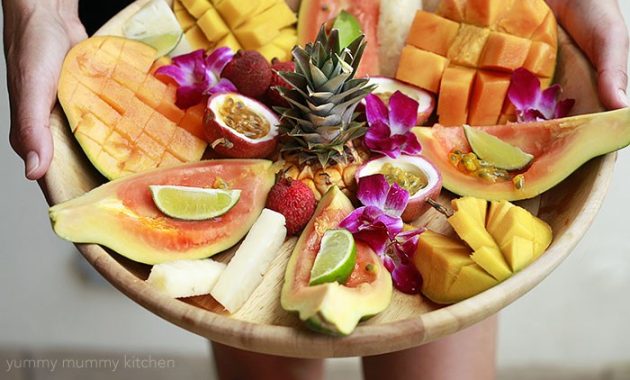
Discover the World of Exotic Fruits: Your Ultimate Guide to Tropical Delights
Are you ready to embark on a flavorful adventure? The world of exotic fruits is a vibrant tapestry of tastes, textures, and aromas waiting to be explored. Far beyond the everyday apples and bananas, these unique treasures offer a tantalizing glimpse into diverse cultures and incredible nutritional benefits. This comprehensive guide will introduce you to a spectacular array of exotic fruits, from the sweet and tangy to the subtly creamy, inspiring you to broaden your culinary horizons.
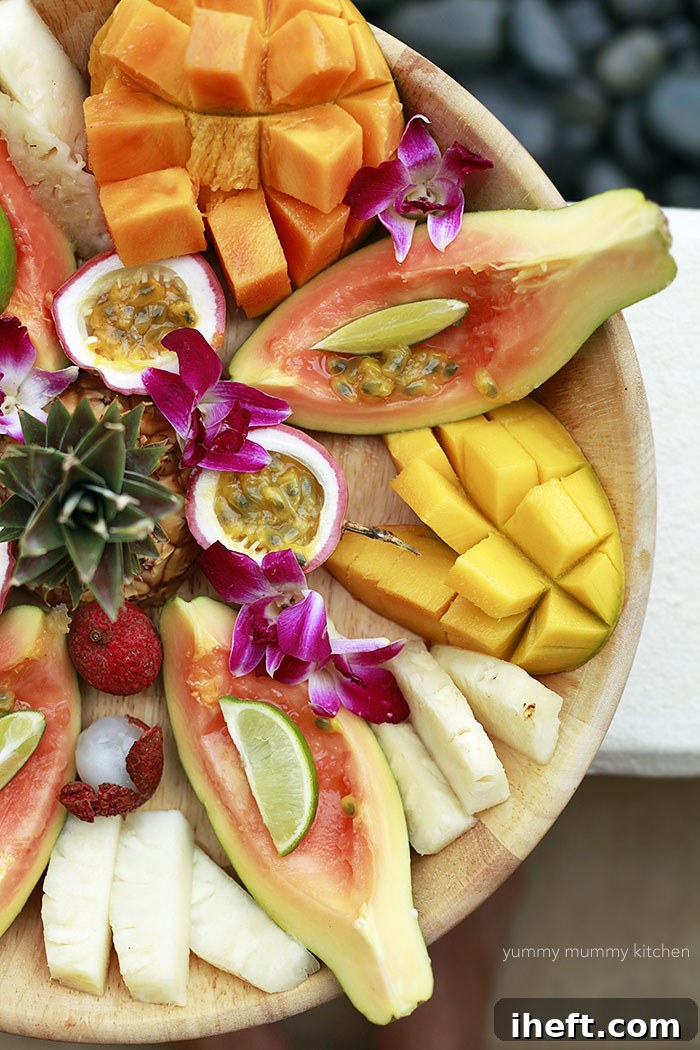
For many of us, the exotic fruit section at the grocery store or a bustling farmers’ market holds a special kind of magic. Rows of unusually shaped, brightly colored fruits beckon, sparking curiosity about what hidden delights lie beneath their intriguing skins. What do they taste like? How do you eat them? And what amazing culinary creations can they inspire? If you’ve ever pondered these questions, you’re in the right place!
From the sun-drenched shores of Hawaii to the lush rainforests of South America, and the vibrant markets of Southeast Asia, this guide brings the most fascinating and delicious exotic fruits right to your fingertips. We’ll dive deep into their origins, unique characteristics, and the best ways to enjoy them. Prepare to transform your palate and discover new favorites that will add an exciting twist to your snacks, desserts, and even savory dishes.
Why Explore Exotic Fruits? More Than Just a Treat!
Beyond their captivating beauty and intriguing flavors, exotic fruits offer a wealth of reasons to make them a regular part of your diet. They are often packed with essential vitamins, minerals, and antioxidants, contributing significantly to a healthy lifestyle. Introducing your family, especially children, to these vibrant foods can also make healthy eating an exciting journey of discovery. Each fruit tells a story of its homeland, connecting you to global culinary traditions and expanding your understanding of nature’s incredible diversity. Whether you’re seeking new flavors, nutritional boosts, or simply a fun way to experiment in the kitchen, exotic fruits provide endless possibilities.
Where to Buy Exotic Fruits
While some exotic fruits are becoming more readily available in mainstream grocery stores, specialty markets, Asian markets, or dedicated online retailers often offer the widest and freshest selections. Here are a couple of popular online destinations, in addition to exploring your local farmers’ markets and international grocery stores:
- FruitStand.com
- TropicalFruitBox.com
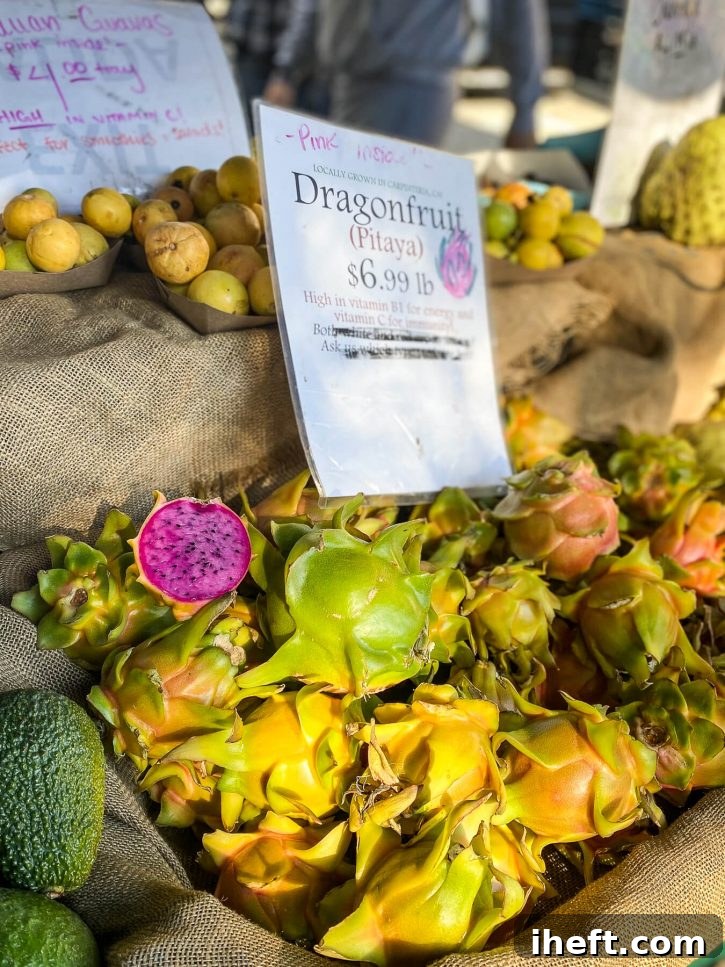
A vibrant Pitaya (dragon fruit) display at the Santa Barbara Farmers Market.
The Ultimate Exotic Fruits List: A Journey of Flavor Discovery
Get ready to feast your eyes and tantalize your taste buds with this extensive and beautiful list of exotic fruits. Each entry is a standalone adventure, offering a unique profile in the grand tapestry of global produce. Let’s delve into the details of these extraordinary edible gems!
1. Passion Fruit
Origin: South America (Brazil)
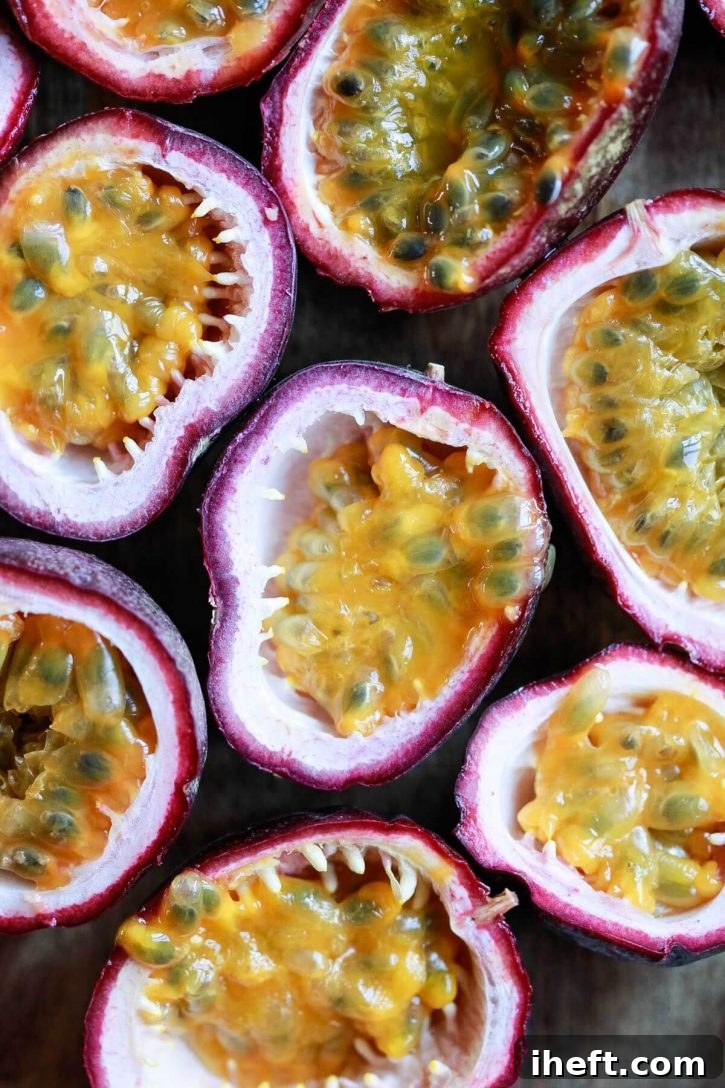
Passion fruit, a member of the Passiflora vine family, is as captivating in appearance as it is in flavor. These small, oval-shaped fruits undergo a remarkable transformation as they ripen, shifting from a smooth, green exterior to a deeply wrinkled, intense purple or sometimes yellow hue. This wrinkling is actually a sign of peak ripeness, indicating that the sweet-tart pulp inside has fully developed its complex flavors. Inside, the fruit is filled with a gelatinous, aromatic pulp dotted with crunchy black seeds, offering a delightful contrast in texture.
To enjoy passion fruit, simply cut it in half and scoop out the fragrant flesh and seeds with a spoon. The flavor is an exquisite blend of sweet, tangy, and intensely tropical notes, often described as a mix of guava, pineapple, and citrus. It’s incredibly versatile, perfect for eating fresh, adding to fruit salads, flavoring desserts like cheesecakes and tarts, or transforming into refreshing beverages. Discover how to make your own delicious passion fruit juice here, a fantastic way to enjoy its vibrant taste.
2. Pitaya (Dragon Fruit)
Origin: Mexico and Central America
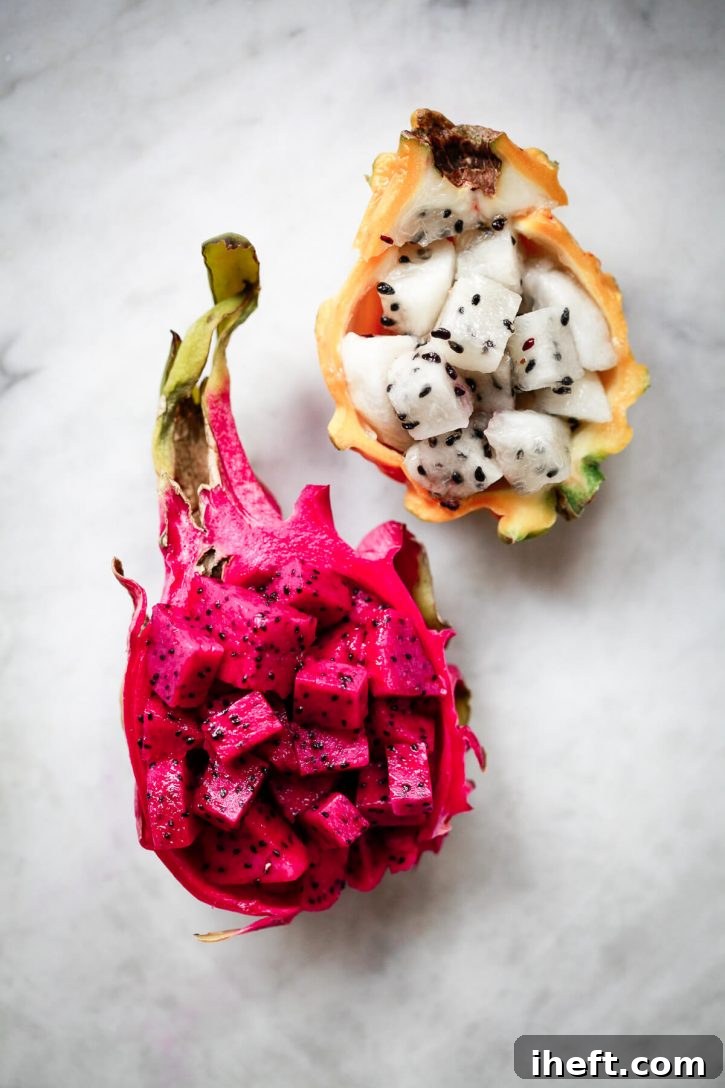
Known by its more common and whimsical name, Dragon Fruit, Pitaya is a truly striking fruit that belongs to the Hylocereus cactus family. Its flamboyant appearance, with bright pink or yellow skin adorned with green, scale-like appendages, makes it an instant showstopper on any fruit platter. Several varieties exist, most notably the white-fleshed pitaya, which is typically sweeter with larger seeds, and the vibrant pink or red-fleshed varieties, which tend to have a milder, earthier flavor. The black seeds scattered throughout the flesh are edible and add a delightful crunch.
The juicy flesh of pitaya is subtly sweet and remarkably refreshing, often compared to a less intense kiwi or pear. It’s an excellent source of antioxidants and fiber. To prepare dragon fruit, simply cut it lengthwise and scoop out the beautiful pulp with a spoon, or peel back the skin and slice it into wedges. It’s fantastic eaten fresh, blended into smoothies, or used to create visually stunning Pitaya Bowls. Learn the best way how to cut dragon fruit to get the most out of this spectacular exotic treat.

3. Acai
Origin: South and Central America (Brazil)
Acai (pronounced ah-sah-yee) berries are small, dark purple powerhouses that grow in clusters on acai palm trees, particularly abundant in the Amazon rainforest. For centuries, these berries have been a staple food for indigenous communities, revered not only for their nutritional density but also for their medicinal properties. Acai berries are celebrated globally as a superfood, boasting an exceptionally high concentration of antioxidants, healthy fats, and fiber.
While fresh acai berries are rarely seen outside their native regions due to their delicate nature and short shelf life, they are widely available in the U.S. and other Western markets as a frozen puree. This convenient form is perfect for crafting nutrient-rich smoothies, refreshing drinks, and the ever-popular Acai Bowls, which are often topped with granola, fresh fruit, and nuts for a wholesome meal. The flavor of acai is unique, often described as an earthy blend of unsweetened chocolate and berries, making it a distinctive addition to your healthy eating repertoire.
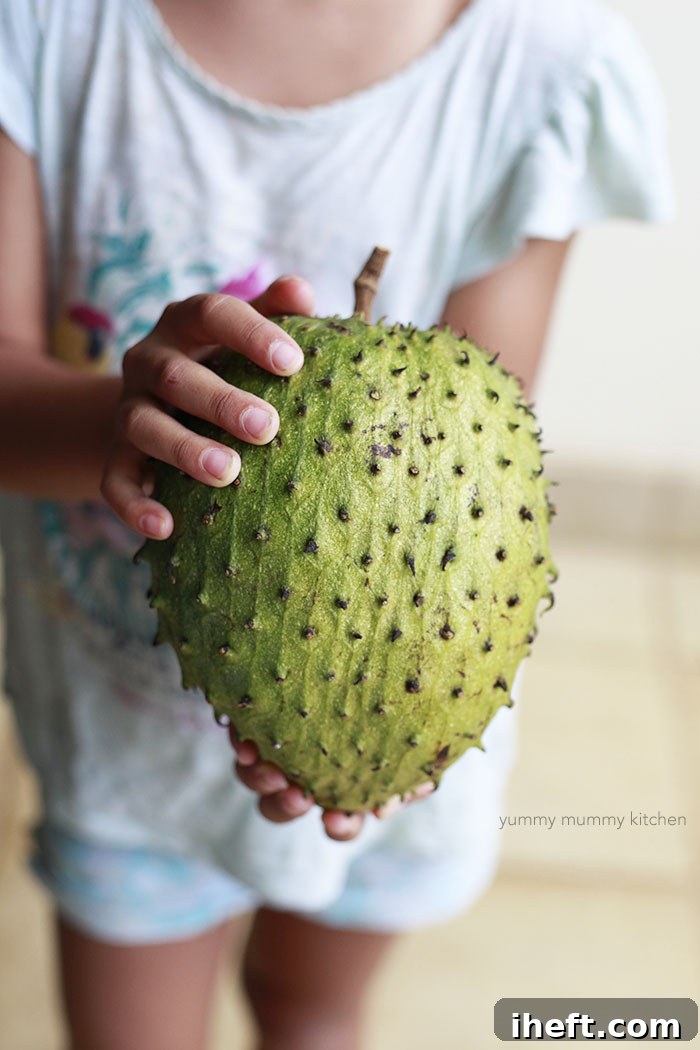
4. Soursop
Origin: South America or the Caribbean
Soursop, scientifically known as Annona muricata, is an impressive tropical fruit celebrated for its large size, distinctive spiky green skin, and creamy, aromatic white flesh. Growing on the Annona muricata tree, it is now cultivated in various tropical regions worldwide, including Florida and Hawaii, making it increasingly accessible. The fruit can weigh anywhere from 2 to 15 pounds, and its interior is dotted with numerous black, inedible seeds.
The flavor profile of soursop is truly complex and captivating—a delightful combination of sweet and tart, with notes reminiscent of pineapple, strawberry, and citrus, all underscored by a creamy banana-like texture. It’s most commonly enjoyed fresh, where its succulent pulp can be spooned directly from the fruit. Beyond eating raw, soursop is highly prized for making refreshing juices, smoothies, ice creams, and various desserts. Its unique taste and potential health benefits, including a rich supply of Vitamin C and antioxidants, make it a fascinating and beneficial addition to any exotic fruit enthusiast’s list.
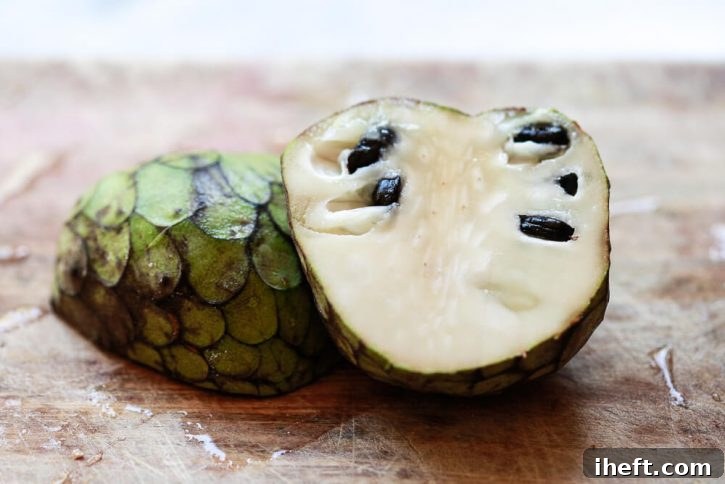
5. Cherimoya (Custard Apple)
Origin: Ecuador and Peru
The cherimoya, often affectionately called the “custard apple” or “ice cream fruit,” is another exquisite member of the Annona family, sharing a lineage with the soursop but presenting its own distinct charm. This heart-shaped fruit features a scaly, pale green exterior that gives way to a truly remarkable creamy white flesh within. Many connoisseurs consider the cherimoya to be the most delicious of all Annona fruits, and it’s easy to see why once you experience its unparalleled flavor and texture.
To savor a cherimoya, wait until the fruit softens slightly to the touch, and its skin may begin to darken—much like an avocado. Once ripe, simply cut it in half and use a spoon to scoop out the luscious, custard-like flesh, being careful to avoid the black, inedible seeds. The taste is a harmonious blend of tropical notes, often described as a creamy fusion of pineapple, banana, strawberry, and pear, with subtle floral undertones akin to lychee. It’s a sublime treat best enjoyed fresh, chilled, or as a decadent addition to smoothies and light desserts.
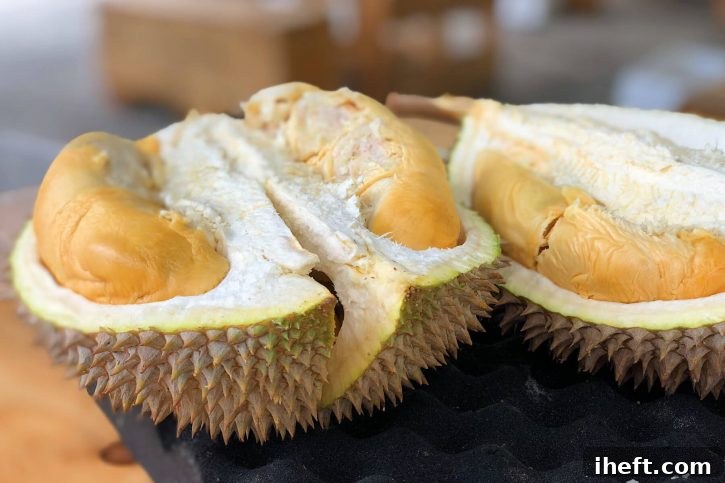
Photo: Unsplash stock photography
6. Durian
Origin: Borneo and Sumatra
Durian, majestically crowned the “King of Fruits” in Southeast Asia, is perhaps the most polarizing entry on this list. Its imposing, spiky exterior and substantial weight (often up to 7 pounds) hint at the powerful experience awaiting within. But it’s the fruit’s notoriously pungent and utterly unique odor that truly sets it apart. The smell is so intense and lingering that durian is famously banned from many public spaces, including hotels and public transportation, across Asia.
Despite, or perhaps because of, its formidable aroma, durian enjoys a fervent following. Those who love it describe its rich, custardy flesh as a complex blend of sweet, savory, and umami flavors, with notes of almond, vanilla, and caramel. The texture is incredibly creamy, almost like a dense pudding. It’s typically eaten very ripe, directly from the fruit. Anthony Bourdain, a notable fan, offered a vivid if somewhat unsettling description: “Your breath will smell as if you’d been French-kissing your dead grandmother,” a testament to its unforgettable character. For the adventurous palate, durian is an experience unlike any other, challenging perceptions and rewarding with an unparalleled taste sensation.
Photos: My friend, Janice Frecker
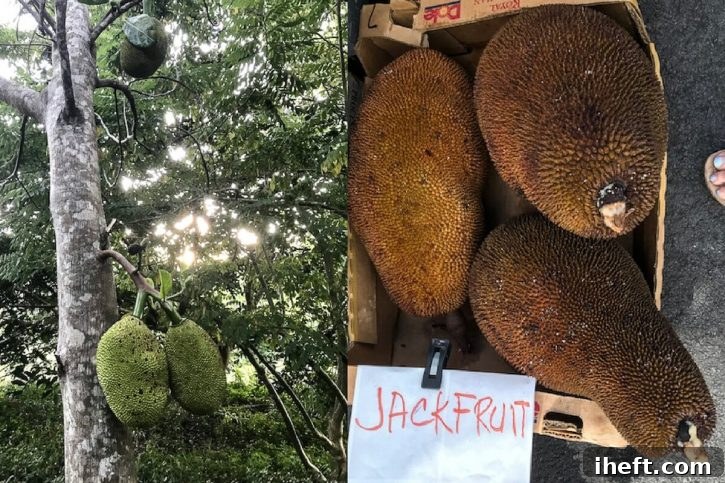
7. Jackfruit
Origin: Rainforests near India or Malaysia
Jackfruit holds the impressive title of being the largest tree-borne fruit in the world, capable of growing up to 80 pounds! This versatile tropical giant is enjoyed at different stages of ripeness, offering distinctly different culinary experiences. When fully ripe, the flesh is sweet, fragrant, and juicy, with a flavor often likened to a combination of pineapple, mango, and banana. At this stage, it’s best enjoyed fresh, added to fruit salads, or incorporated into various sweet desserts.
However, young, green (unripe) jackfruit has gained immense popularity in plant-based cuisine due to its unique fibrous texture. When cooked, it shreds beautifully, mimicking the texture of pulled meat, making it an excellent substitute for dishes like pulled pork or chicken. You can often find young jackfruit pre-packaged in cans, brined in water or salt, at many grocery stores, including specialty health food stores and even Trader Joe’s. This makes it incredibly convenient for preparing delicious vegetarian and vegan meals, such as slow-cooker pulled jackfruit sandwiches. Its mild flavor when unripe means it readily absorbs the seasonings and sauces it’s cooked in, making it a culinary chameleon.
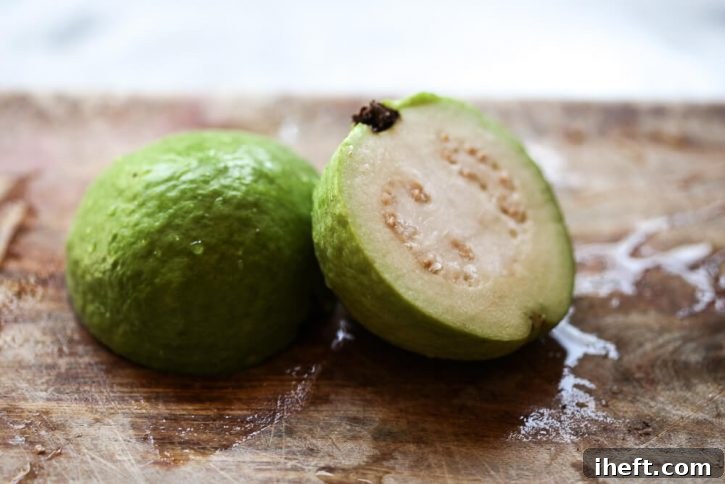
8. Thai White Guava
Origin: Thailand
Thai White Guava stands out among its guava relatives for its unique crispness and refreshing flavor. Typically round to pear-shaped and about the size of a baseball, this guava variety has a pale green to yellowish-white skin, which is entirely edible. What truly distinguishes it is its interior: a firm, crunchy white flesh with a creamy texture towards the center, where small, edible seeds are embedded. Unlike some softer guavas, the Thai white variety maintains a delightful crunch even when ripe.
The flavor is subtly sweet, mildly fragrant, and incredibly refreshing, often with a hint of tartness that balances its sweetness perfectly. It’s an exceptional fruit for eating raw, either whole (after washing) or sliced, with its creamy interior being a particular delight to scoop out. Thai white guava is also a popular choice for making preserves, jellies, and refreshing beverages, where its delicate flavor can truly shine. Rich in Vitamin C and dietary fiber, it’s not just delicious but also a nutritious snack.
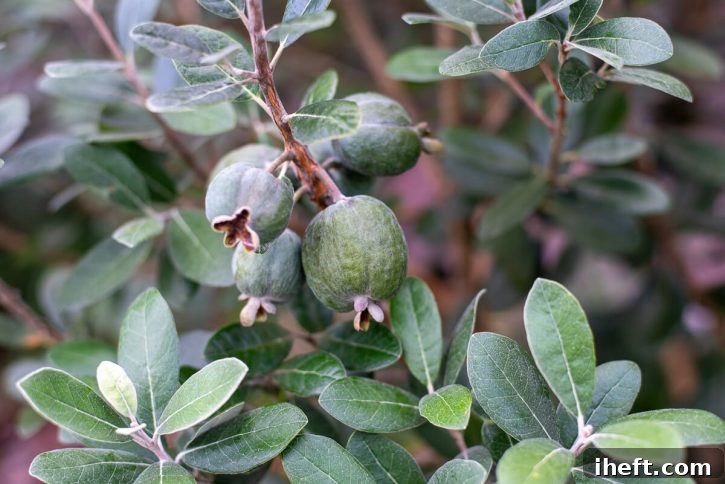
Photo: Shutterstock
9. Pineapple Guava (Feijoa)
Origin: South America
Also known as Feijoa, the Pineapple Guava is a truly distinctive and beloved fruit, especially common in regions with a Mediterranean climate like Santa Barbara, where it ripens beautifully in late fall. This charming fruit grows on an attractive shrub or small tree, which also boasts edible and beautiful pink flowers. The fruit itself is typically oval or pear-shaped, growing to about 2-3 inches long, with a dull green skin that remains green even when ripe.
The magic of the feijoa lies beneath its skin. Its translucent, juicy, and slightly gritty flesh (similar to a pear) offers an intoxicating aroma and a complex flavor profile: sweet, tangy, and intensely tropical, with prominent notes of pineapple, mint, and spearmint, along with floral undertones. To enjoy, simply cut the fruit in half lengthwise and scoop out the delicious pulp with a spoon. It’s fantastic eaten fresh, used in fruit salads, jams, chutneys, or even baked into muffins and pies. The unique, aromatic essence of pineapple guava makes it an unforgettable exotic fruit experience.
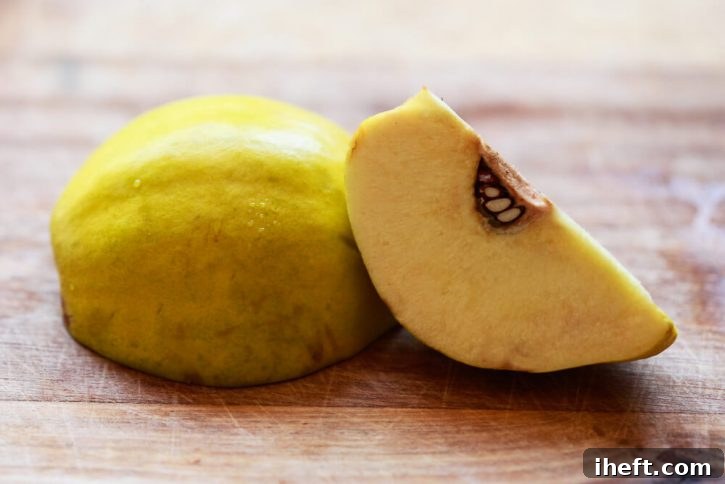
10. Quince
Origin: Turkey
Quince is an ancient and intriguing fruit that often surprises those accustomed to more common orchard varieties. Though it bears a striking resemblance to a lumpy apple or pear, with a golden-yellow skin when ripe, quince is quite different. Unlike its common cousins, quince is typically inedible in its raw state; even when fully ripe, its flesh is remarkably hard, dry, and highly astringent due to high tannin content. This means it must be cooked to unlock its true potential.
Once cooked, however, quince undergoes a magical transformation. Its flesh softens and develops a beautiful rosy-pink hue, releasing a highly fragrant, sweet-tart flavor with floral notes reminiscent of vanilla and honey. It’s often prepared by stewing, baking, or poaching, becoming the star ingredient in jams, jellies, tarts, and the famous Spanish “membrillo” or quince paste, which is a delicious accompaniment to cheese. Simple preparation involves slicing the fruit and cooking it on the stovetop with a bit of water and sugar until tender, revealing its delightful aroma and exquisite taste. Quince offers a rewarding culinary experience for those willing to embrace its unique preparation requirements.
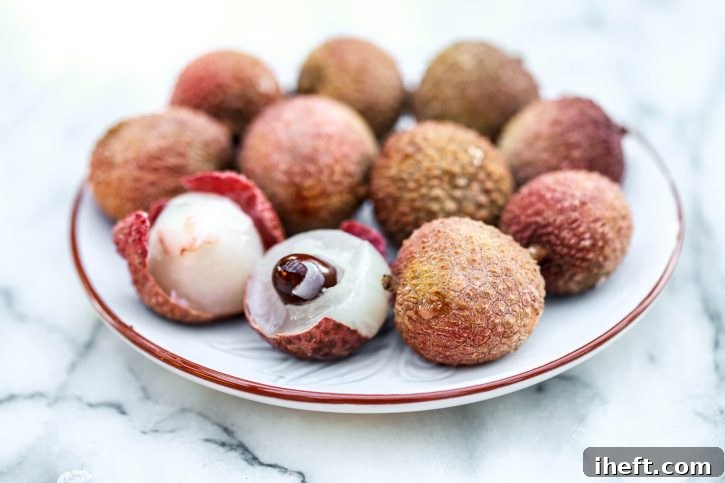
11. Lychee
Origin: South China
Lychee, pronounced “lai-chee,” is a jewel of the tropics, native to the Guangdong and Fujian provinces of Southeast China, where it has been cultivated for thousands of years. These enchanting small, round fruits grow in appealing clusters on lychee trees and are immediately recognizable by their vibrant red, bumpy, and somewhat leathery skin. Peeling back this thin, rough exterior reveals a translucent, glistening white flesh that is both incredibly juicy and delicately fragrant.
At the center of each lychee lies a single, inedible brown seed. The flavor of lychee is exquisitely sweet, with a distinct floral aroma and subtle tart notes that create a truly refreshing sensation. Its texture is firm yet tender, often compared to that of a plump grape. Lychees are a delightful snack when eaten fresh, offering a burst of tropical sweetness. They also make a superb addition to fruit salads, desserts, cocktails, and refreshing drinks, lending their unique character to any preparation. Rich in Vitamin C and B-complex vitamins, lychees are not just a delicious treat but also a healthful one.
12. Rambutan
Origin: Malaysia and Indonesia
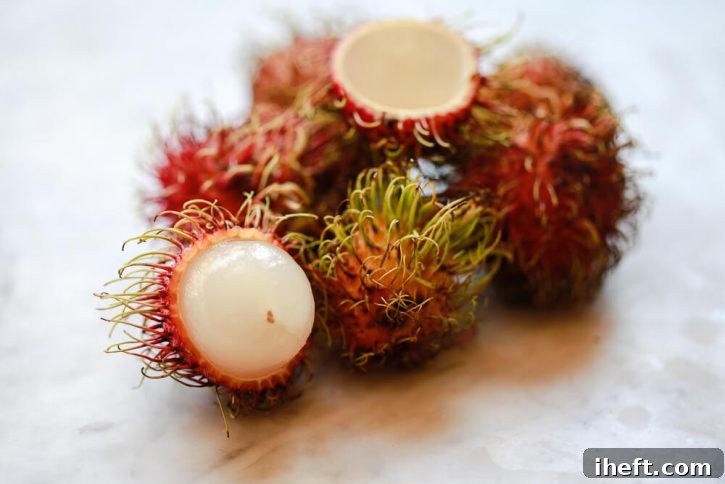
Rambutan, whose name translates to “hairy” in Malay, is an undeniably captivating exotic fruit closely related to the lychee and longan, all belonging to the Sapindaceae family. Visually, it’s a showstopper: a small, oval-shaped fruit covered in soft, flexible, hair-like spines (called “spindles”) that can range in color from vibrant red to orange and yellow. This striking appearance gives it a playful, almost fantastical quality, earning it the nickname “hairy lychee.”
Beneath its intriguing exterior, rambutan holds a translucent, juicy, and sweet white flesh that closely resembles that of a lychee. To eat, simply peel back the skin (often by making a small incision and squeezing) to reveal the succulent pulp. The flavor is wonderfully sweet and juicy, with a delicate balance of acidity, often described as a milder, slightly creamier version of lychee. Inside, there’s usually a single, inedible seed. Rambutans are fantastic eaten fresh, chilled, or added to tropical fruit salads, providing both a visual treat and a burst of refreshing flavor. They are a must-try for anyone who enjoys lychee and wants to explore its equally charming cousin.
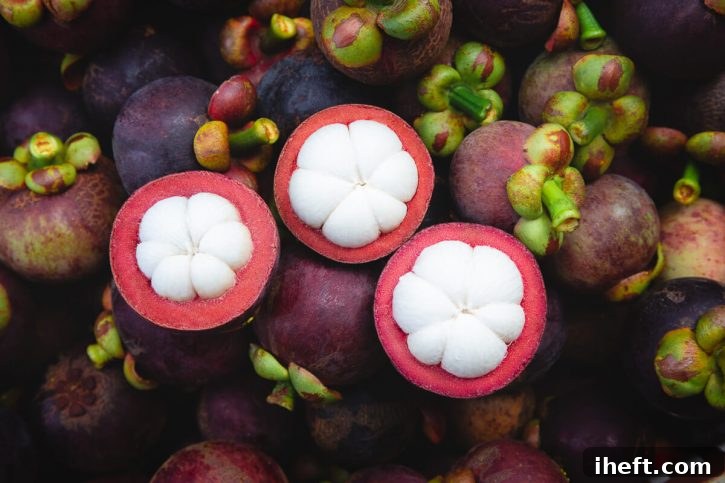
Photo: Shutterstock
13. Mangosteen
Origin: Southeast Asia and Thailand
Often revered as the “Queen of Fruits,” mangosteen is an exquisite tropical delicacy that commands admiration for its delicate flavor and elegant appearance. This relatively small, round fruit features a thick, hard, dark purple-red rind when ripe, often adorned with a small green cap and distinctive petal-like segments at its base. The number of these segments at the bottom typically corresponds to the number of juicy, white, translucent fruit arils found inside.
Breaking open the tough rind (which can be a bit challenging but rewarding) reveals several segments of pure bliss. The flesh of mangosteen is incredibly sweet, tangy, and juicy, with a subtle acidity that creates a beautifully balanced flavor profile. It’s often described as a harmonious blend of lychee, peach, strawberry, and pineapple, with a creamy, melt-in-your-mouth texture. Fresh mangosteen is a rare find in many Western markets, largely due to its delicate nature, short growing season, and historical import restrictions (it was illegal to import into the U.S. until 2007). However, its exceptional taste and impressive nutritional benefits, including potent antioxidants, make it highly sought after. If fresh mangosteen is unavailable, look for it frozen, canned, juiced, or in supplement form to experience its royal charm.
14. Star Fruit (Carambola)
Origin: Southeast Asia
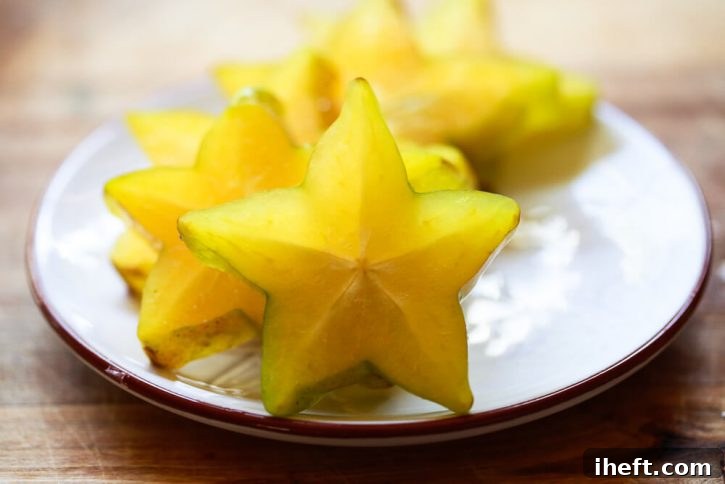
Star Fruit, or Carambola, is perhaps one of the most visually captivating exotic fruits, celebrated for its unique shape that reveals perfect stars when sliced crosswise. This tropical delight typically has a waxy, greenish-yellow skin with distinctive ridges running lengthwise. As it ripens, the fruit turns a brighter yellow, and the ridges may darken slightly. The entire fruit, including the skin, is edible, making it a convenient and attractive option for snacking and garnishing.
The flavor of star fruit is delicately balanced, offering a mild sweetness often accompanied by a pleasant tanginess, with subtle notes of apple, pear, and citrus. Its flesh is wonderfully juicy and crunchy, providing a refreshing bite. To prepare, simply wash the fruit and slice it into 1/4 to 1/2-inch thick “star” segments. These elegant slices are ideal for decorating exotic fruit platters, adding a whimsical touch to fruit salads, enhancing cocktails, or blending into refreshing smoothies. Star fruit is also a good source of Vitamin C and dietary fiber, making it a healthy and aesthetically pleasing addition to your culinary creations. However, individuals with kidney issues should consume star fruit with caution due to its oxalic acid content.
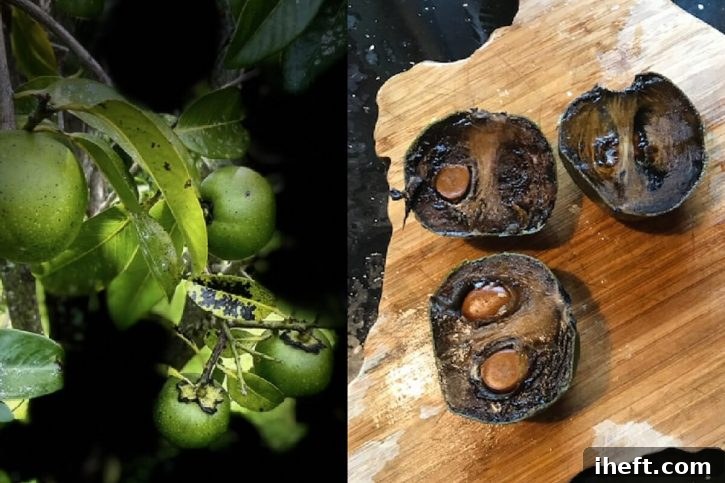
Photo: Janice Frecker
15. Black Sapote (Chocolate Pudding Fruit)
Origin: Mexico
For those with a sweet tooth seeking a natural and healthy indulgence, Black Sapote, often endearingly called “chocolate pudding fruit,” is an absolute revelation. This intriguing fruit belongs to the persimmon family and thrives in tropical climates. When unripe, its exterior is firm and green, and the flesh is unpalatably astringent. However, patience is rewarded as the fruit ripens, transforming into a soft, almost black-skinned delicacy with a creamy, dark brown interior.
The magic happens when the skin turns dark brown and the fruit becomes very soft to the touch. Inside, the flesh is incredibly rich, smooth, and custardy, closely resembling the texture and even the subtle flavor of chocolate pudding, though it contains no actual chocolate. To enjoy, simply cut the ripe black sapote in half and scoop out the luscious fruit. It’s fantastic eaten straight, blended with dates for an even sweeter, all-natural “chocolate” pudding, or used as a spread on toast for a healthy “nutella” alternative. You can even try baking with it; this Black Sapote Bread recipe offers a delightful way to incorporate this unique fruit into your baking. It’s a truly surprising and delicious exotic fruit that challenges expectations.
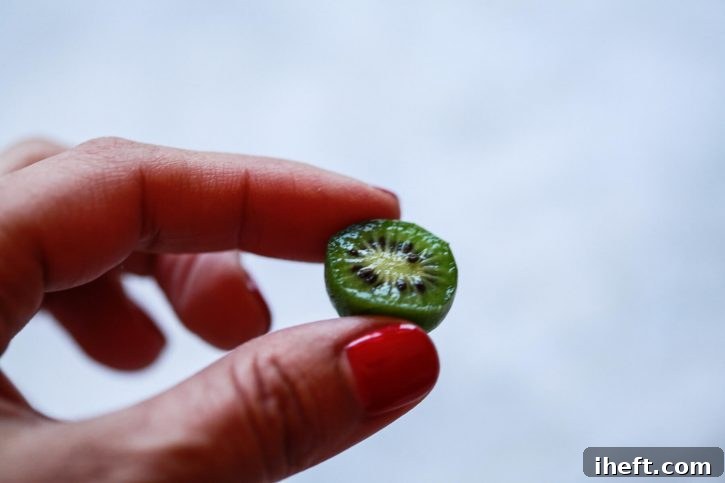
16. Kiwi Berry
Origin: Northern Asia
Imagine all the delightful flavor of a kiwi fruit, but in a miniature, bite-sized package that requires no peeling! That’s exactly what a Kiwi Berry offers. These adorable, grape-sized fruits are a relatively recent discovery for many Western consumers, originating from Northern Asia where they grow on vines. Unlike their larger, fuzzy relatives, kiwi berries boast a smooth, thin, edible skin, making them incredibly convenient for snacking and a perfect addition to lunchboxes.
The taste is remarkably similar to a traditional kiwi – sweet, tangy, and refreshing, with that familiar tropical zest and a hint of tartness. The flesh is bright green, speckled with tiny black seeds that are completely edible and add a subtle crunch. Kiwi berries are increasingly found in U.S. grocery stores during their short season, often appearing in late summer and early fall, frequently spotted at stores like Trader Joe’s. They are fantastic eaten fresh by the handful, tossed into fruit salads, or used as a colorful garnish for desserts. Don’t miss the opportunity to try these delightful little powerhouses of flavor and nutrition when you spot them!
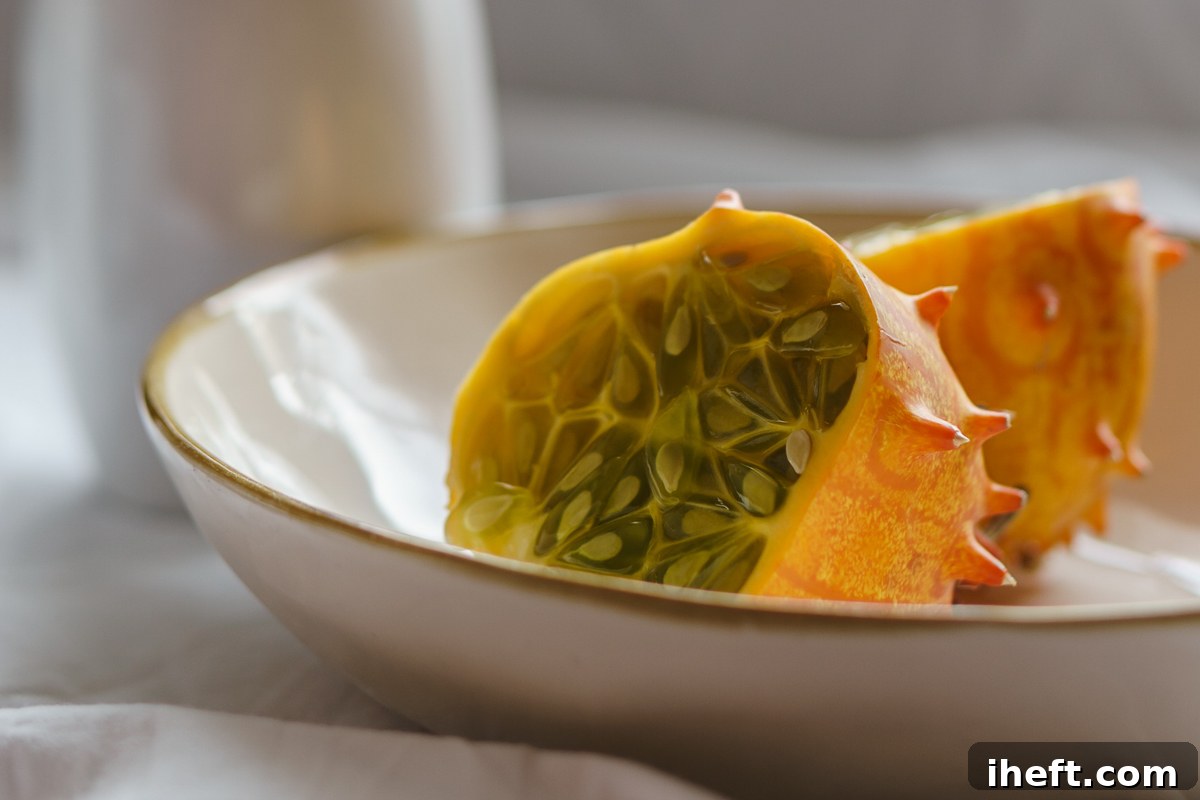
Photo by Olha Ruskykh from Pexels
17. Horned Melon (Kiwano)
Origin: Africa
The Horned Melon, also widely known as Kiwano or Jelly Melon, is an exotic fruit that truly looks like it belongs on another planet. Native to Africa, it is now extensively cultivated in New Zealand and California. Its appearance is unmistakable: a vibrant orange, spiky exterior that is both intriguing and slightly intimidating. Slicing it open reveals a mesmerizing interior of bright green, jelly-like pulp embedded with numerous edible, albeit somewhat crunchy, seeds, resembling a cucumber or other melon.
The flavor of horned melon is a fascinating medley, often described as a mild blend of cucumber, zucchini, and lime, with a subtle banana-like sweetness when fully ripe. For the best culinary experience, seek out fruits with bright orange skin, indicating peak ripeness, and serve them chilled. The pulp can be scooped out and eaten directly, seeds and all, or strained through a fine-mesh sieve to remove the seeds if preferred. The unique juice of Kiwano is surprisingly versatile, adding a distinctive tropical-citrus note to cocktails, salad dressings, sauces, sorbets, and fruit salads. Its striking appearance also makes it an incredible decorative element for any culinary display.
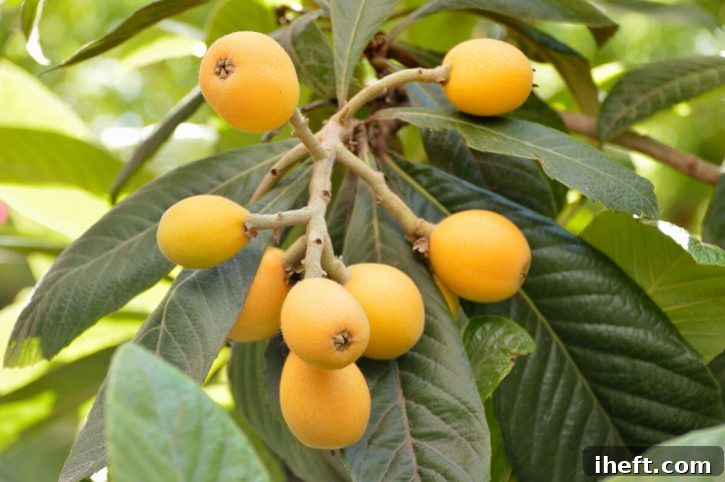
Photo: Shutterstock
18. Loquat
Origin: China
Though its name might sound similar to kumquat, the loquat is a distinct and delightful exotic fruit with its own unique characteristics. Native to southeastern China, loquats have found a comfortable home in many subtropical regions, including Southern California, where they thrive and are often grown in backyard gardens. These small, oval or pear-shaped fruits typically have a soft, fuzzy, yellowish-orange skin that is easily peeled or eaten whole.
Beneath the skin lies a juicy, sweet, and tangy orange flesh with a soft texture that melts in your mouth. At its core, you’ll find one to five large, glossy brown seeds, which are inedible. The flavor of loquat is wonderfully complex, often described as a cross between apricot, peach, and plum, with delicate floral notes that add to its allure. It’s truly one of the finest summer fruits, offering a refreshing burst of flavor. Loquats are superb eaten fresh, added to fruit salads, or transformed into jams, jellies, and pies. They are also rich in Vitamin A and dietary fiber, making them a delicious and healthy seasonal treat.
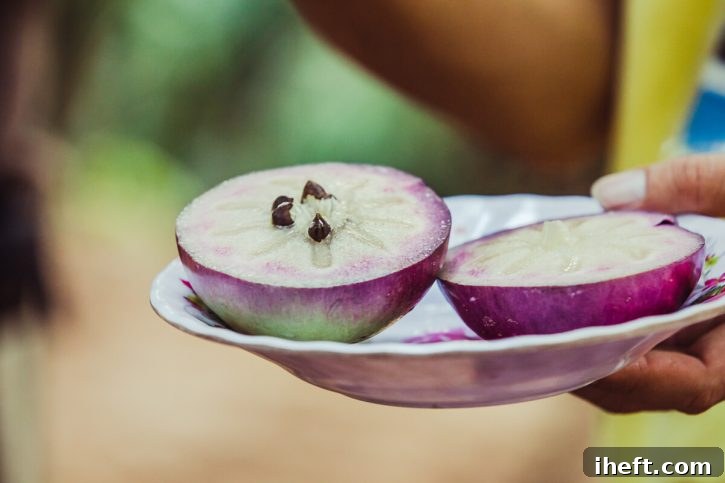
Photo: Shutterstock
19. Star Apple (Caimito)
Origin: Central America and the Caribbean
The Star Apple, known scientifically as Chrysophyllum cainito and often referred to as Caimito, is an enchanting tropical fruit that lives up to its celestial name. This round to oval-shaped fruit comes in two main varieties: a vibrant purple-skinned version and a somewhat rarer green-skinned one. The true magic is revealed when the fruit is cut crosswise, exposing a beautiful starburst pattern formed by the seeds and segments within its sticky, sweet pulp.
The flesh is incredibly soft, juicy, and milky-white, with a sweet, delicate flavor reminiscent of grapes, persimmons, and sapodilla, often with a hint of caramel. To enjoy, simply cut the fruit in half and scoop out the succulent flesh with a spoon, being sure to discard the large, inedible seeds and avoid the skin and the layer just beneath it, which can be astringent. Star apple is best eaten fresh and chilled, as its delicate nature means it doesn’t travel well or have a long shelf life, making it a true treat when found in tropical regions like Hawaii or Florida. Its unique appearance and delightful taste make it a memorable exotic fruit experience.
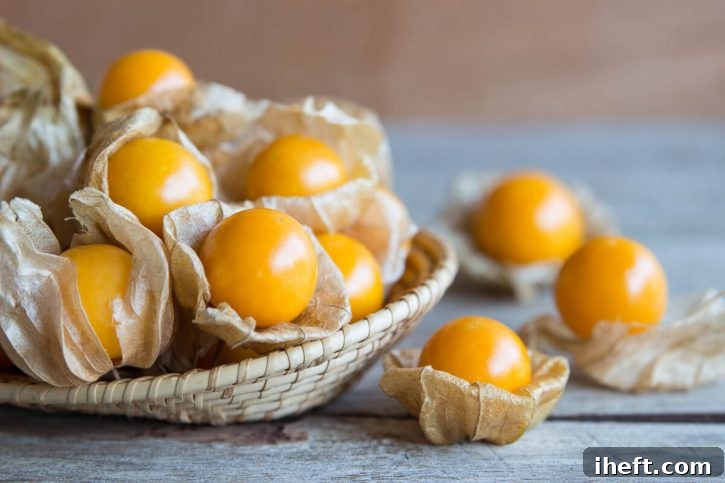
Photo: Shutterstock
20. Golden Berries (Cape Gooseberries)
Origin: South America
Golden Berries, also known as Cape Gooseberries, Physalis, or Peruvian Groundcherries, are small, vibrant fruits shrouded in a delicate, papery husk. Part of the nightshade family, they are closely related to the tomatillo, and their protective lantern-like skin is a clear visual cue to this botanical connection. Once the husk is peeled back, a bright, translucent, golden-orange berry is revealed, brimming with potential.
The flavor of golden berries is a delightful paradox: intensely sweet with a surprising burst of tartness, offering a unique tropical and slightly pineapple-like taste. Their texture is firm and juicy, with tiny, edible seeds that add a subtle crunch. Golden berries are an excellent source of vitamins C, A, and B, as well as antioxidants. They make a fantastic, healthy snack eaten fresh, either on their own or as a vibrant addition to fruit salads. Beyond fresh consumption, they are superb in sauces, jams, pies, and even dipped in chocolate for a gourmet treat. Their distinctive flavor and nutritional benefits make them a wonderful exotic addition to any fruit lover’s repertoire.
21. Persimmon
Origin: China
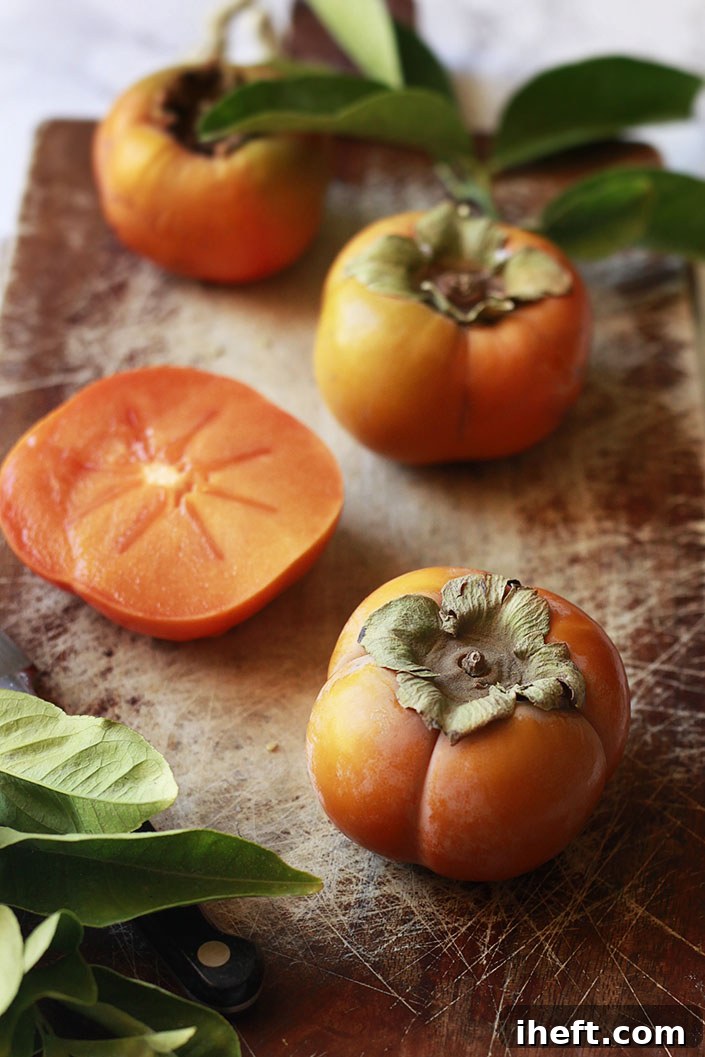
Persimmons are enchanting fruits with a rich history, deeply rooted in Chinese culture for thousands of years before spreading across the globe. These autumn-harvested fruits come in two primary varieties, Fuyu and Hachiya, each offering a distinct culinary experience that highlights the importance of ripeness. Both varieties are often found growing in temperate regions, including many backyards in places like Santa Barbara, where they signify the arrival of fall.
Fuyu Persimmons: These are the non-astringent variety, meaning they can be enjoyed while still firm, much like an apple. Their shape is squat and tomato-like. When crisp, Fuyu persimmons have a sweet, mild flavor with a slightly firm, juicy texture. They are perfect for slicing and eating fresh, adding to salads for a touch of autumnal sweetness, or simply enjoying with a sprinkle of cinnamon. Their versatility makes them a favorite for many.
Hachiya Persimmons: In stark contrast, Hachiya persimmons are astringent until fully ripe and incredibly soft. Their shape is more conical or heart-shaped. Eating an unripe Hachiya will leave a dry, puckering sensation in your mouth. However, once they reach a jelly-like consistency, turning deep orange and extremely soft, they transform into a sweet, custardy delight. At this stage, they can be cut open and spooned out like applesauce, or, more commonly, used in baking for their rich, sweet pulp. They are exceptional in cookies, muffins, breads, and persimmon quickbread, adding a unique depth of flavor and moisture. Understanding the difference between these two varieties is key to truly appreciating the persimmon, a versatile fruit that truly celebrates the flavors of fall.
Exotic Citrus Fruits: A Burst of Zesty Adventure
While we often think of oranges and lemons as our standard citrus fare, the world of exotic citrus is brimming with fascinating varieties that offer an exciting spectrum of flavors, aromas, and appearances. These unique fruits can elevate everything from cocktails to main courses, bringing a zesty, bright, and often unexpected twist to your culinary repertoire. Let’s explore some of these remarkable citrus gems.
22. Kumquats
Origin: China
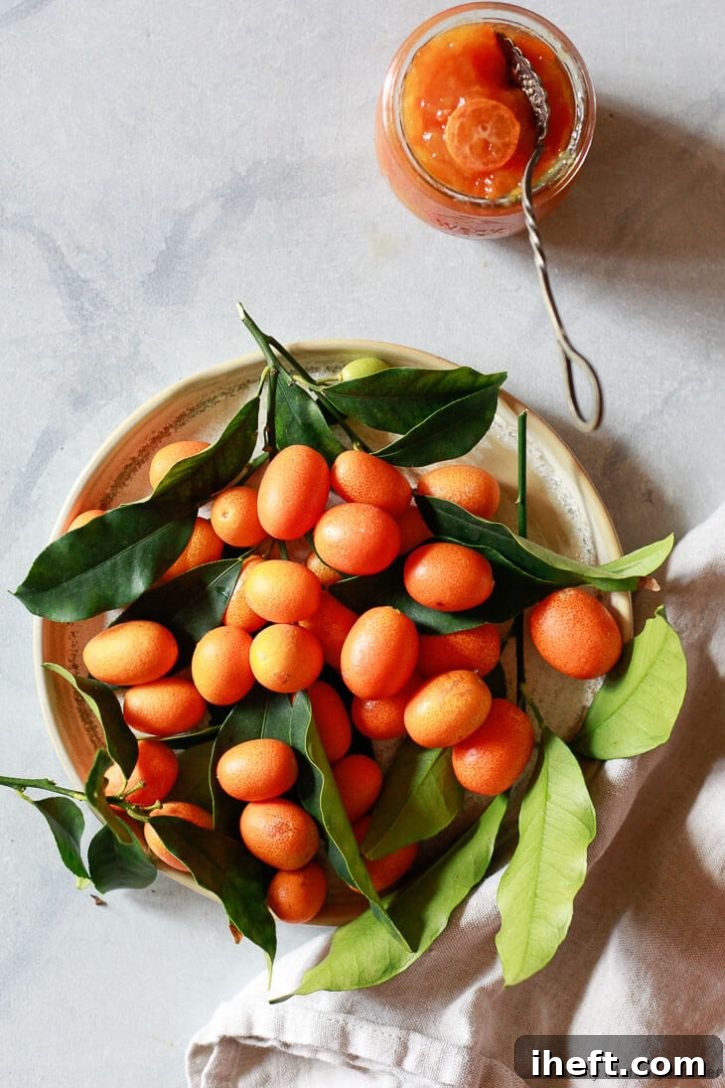
Kumquats are delightful little citrus fruits that defy the typical citrus eating experience. Native to China, these small, oval-shaped fruits are unique because their sweet, edible peel is meant to be eaten along with the tart pulp inside. This creates a wonderfully complex flavor profile that is both invigorating and refreshing. Growing on small shrubs or larger trees, depending on the variety, kumquats can offer a continuous harvest throughout the year in ideal climates, making them a consistently available exotic treat.
To enjoy a kumquat, simply wash it and pop the whole fruit into your mouth. The initial sweetness of the rind gives way to the tangy burst of the juicy pulp, creating a harmonious sweet-sour sensation. They are an excellent source of Vitamin C and dietary fiber, making them a perfect high-vitamin snack. Beyond eating fresh, kumquats are incredibly versatile in the kitchen. They can be candied, made into jams, marmalades, or infused into spirits for unique cocktails. You can find more detailed information on how to eat kumquats and recipe ideas here, unlocking their full potential.
23. Caviar Lime (Finger Lime)
Origin: Australia
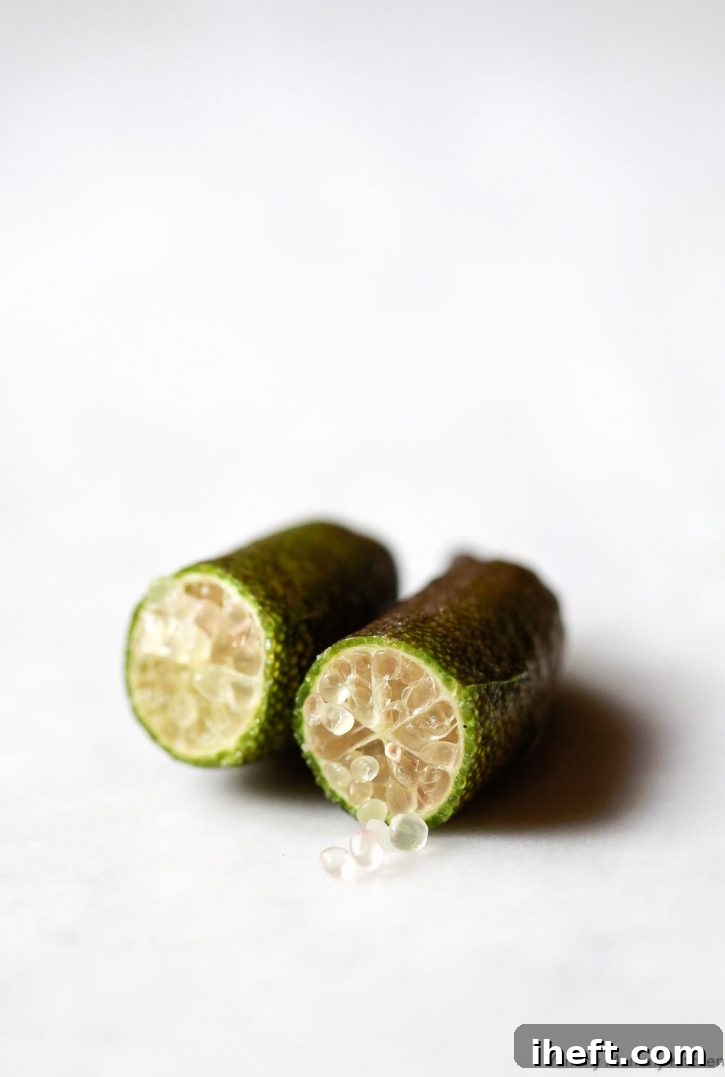
The Caviar Lime, aptly nicknamed “Finger Lime,” is a true marvel of the citrus world, originating from the rainforests of Australia. This slender, finger-shaped fruit, typically about 3 inches long, comes in a range of colors from vibrant green to deep red, hinting at the precious cargo within. Cutting it open reveals a dazzling array of tiny, iridescent, juice-filled orbs – often referred to as “citrus caviar” – that burst delightfully in your mouth, releasing a vibrant, tangy flavor.
The taste of caviar lime is wonderfully complex, similar to traditional limes but often less sour, with bright notes of lemon, grapefruit, and even a hint of herbal aroma. These unique pearls are a gourmet’s dream, adding an exquisite texture and a burst of fresh citrus flavor to a myriad of dishes. While some, especially children, enjoy eating finger limes straight, they are a beautiful and luxurious addition to seafood, salads, desserts, and cocktails. We used them to add a spectacular flourish in our Sweet Potato Crostini recipe, demonstrating their ability to elevate even simple preparations. Caviar limes are a testament to the incredible diversity and innovation found within exotic fruits.
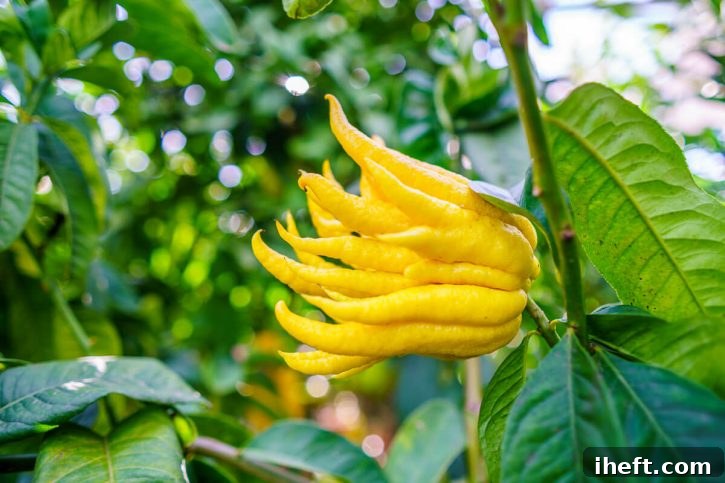
Photo: Shutterstock
24. Buddha’s Hand (Fingered Citron)
Origin: India
Among the most visually arresting of all citrus fruits is Buddha’s Hand, or Fingered Citron, a truly unique specimen that looks less like a fruit and more like an ancient artifact or an intricate sculpture. Native to India, this fascinating fruit is characterized by its distinctive finger-like segments, which resemble a hand in a prayer-like or meditative gesture – hence its spiritual name. In many cultures, it symbolizes prosperity, longevity, and happiness, making it a popular decorative fruit.
Unlike most citrus, Buddha’s Hand contains very little to no pulp or juice, and typically no seeds. Its value lies almost entirely in its fragrant zest. The aroma is intensely floral and citrusy, reminiscent of lemon with notes of violet. This makes it an exceptional ingredient wherever lemon zest is called for, imparting a sophisticated and potent fragrance without the acidity of lemon juice. It can be used to flavor homemade salad dressings, infused oils, liquors, or grated over desserts. A particularly delightful preparation is Candied Buddha’s Hand, which transforms its aromatic rind into a sweet, chewy treat. Beyond its culinary uses, its striking form makes it an exquisite and aromatic centerpiece or decorative addition to any tablescape. Buddha’s Hand is generally available from September through February and can last in the refrigerator for up to four weeks, allowing ample time to appreciate its unique beauty and fragrance.
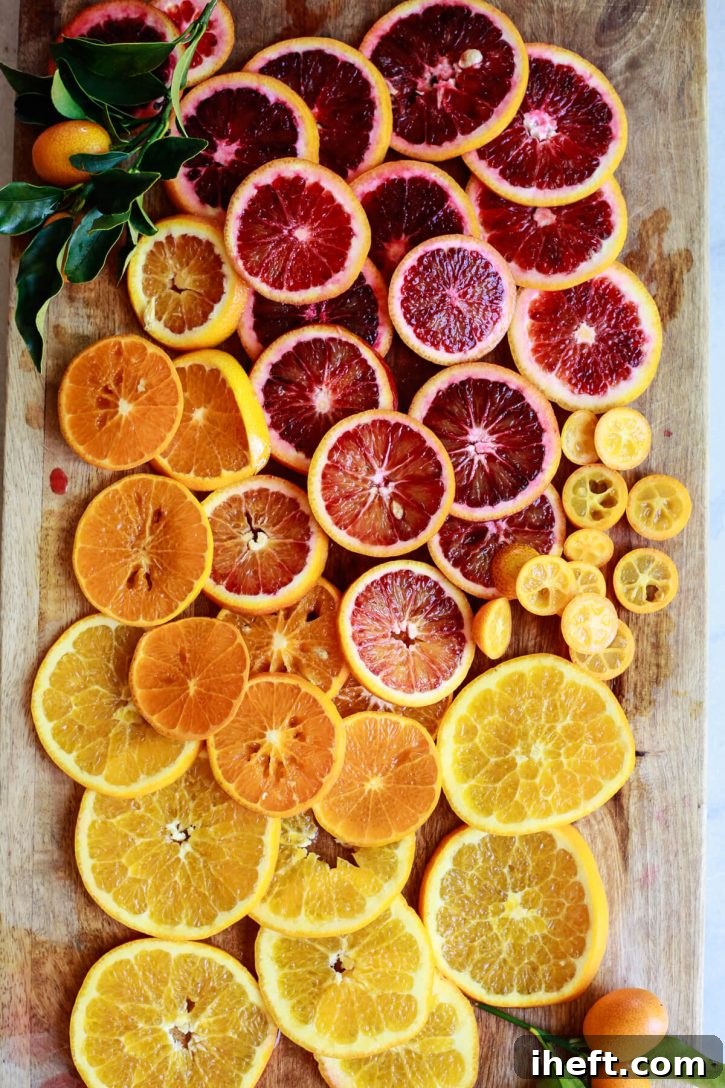
25. Blood Orange
Origin: Sicily and Spain
The Blood Orange, while perhaps one of the more commonly recognized “exotic” fruits on this list, still offers a captivating departure from conventional oranges with its stunning color and nuanced flavor. Believed to have originated in Sicily and Spain, this unique citrus fruit is now cultivated in various warm climates, including Southern California, where it often graces gardens from January through April. Its most striking feature is its deep, crimson-colored flesh, which can range from streaks of ruby to a vibrant, almost black-red, due to the presence of anthocyanins – the same pigments found in berries.
The flavor of blood oranges is a delightful experience, varying subtly by variety. While some trees, like those in my backyard, produce fruit that is a perfect balance of sweet, tart, and intensely “orangey,” other varieties might offer intriguing berry notes, reminiscent of raspberries or cranberries, as found in selections from stores like Trader Joe’s. They are incredibly versatile in the kitchen, adding both beauty and flavor to fruit salads, freshly squeezed juices, homemade lemonade, sophisticated cocktails (try them in a batch of my favorite Margarita Mix), and refreshing smoothies. Beyond consumption, their vibrant slices make exquisite garnishes; learning how to dry orange slices can transform them into long-lasting decorative elements.
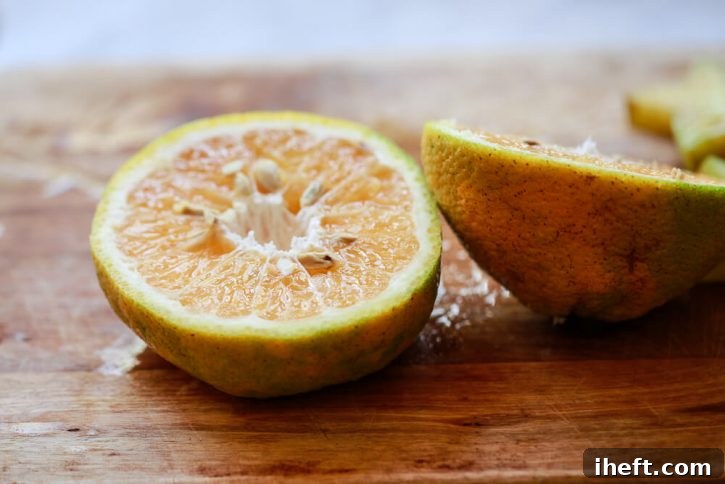
26. Jamaican Tangelo (Ugli Fruit)
Origin: Jamaica
The Jamaican Tangelo, more famously marketed under the proprietary name “Ugli Fruit” due to its somewhat less-than-perfect exterior, is a fascinating and delicious natural hybrid citrus. Discovered in Jamaica, it is believed to be a cross between a grapefruit, an orange, and a tangerine, inheriting the best qualities of its parent fruits. Its skin is thick, loose, and often bumpy or wrinkled, ranging in color from greenish-yellow to orange when fully ripe, giving it a uniquely rustic charm that belies the exquisite flavor within.
Beneath its “ugly” facade lies a remarkably juicy, sweet, and fragrant flesh, typically lighter in color than an orange but darker than a grapefruit. The flavor is a harmonious blend of sweet orange and mildly tangy grapefruit, making it less bitter than a pure grapefruit but more complex than a standard orange or tangerine. It’s exceptionally refreshing and easy to peel. Jamaican Tangelos are wonderful eaten fresh, segmented for fruit salads, juiced for invigorating drinks, or used in desserts. Despite its unpretentious appearance, the Ugli Fruit delivers a wonderfully balanced and intensely flavorful citrus experience that is certainly worth trying.
Embark on Your Exotic Fruit Adventure!
We hope this ultimate guide to exotic fruits has ignited your sense of culinary adventure and broadened your appreciation for the incredible diversity of nature’s bounty. From the mysterious allure of the Durian to the playful sweetness of Kiwi Berries, each fruit on this list offers a unique story and a memorable taste experience. Trying these fruits isn’t just about expanding your palate; it’s about connecting with global cultures, embracing new flavors, and discovering healthful delights.
So, the next time you visit your local farmers’ market, specialty grocer, or browse an online fruit retailer, don’t hesitate to reach for something new and unfamiliar. You might just find your next favorite fruit! Which of these exotic treasures are you most excited to try? Or perhaps we missed one of your cherished discoveries? We’d love to hear about your exotic fruit adventures in the comments below!