Artisan Vegan Pesto & Heirloom Tomato Pizza
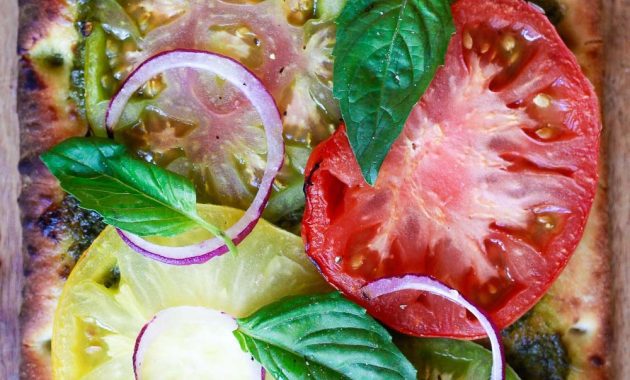
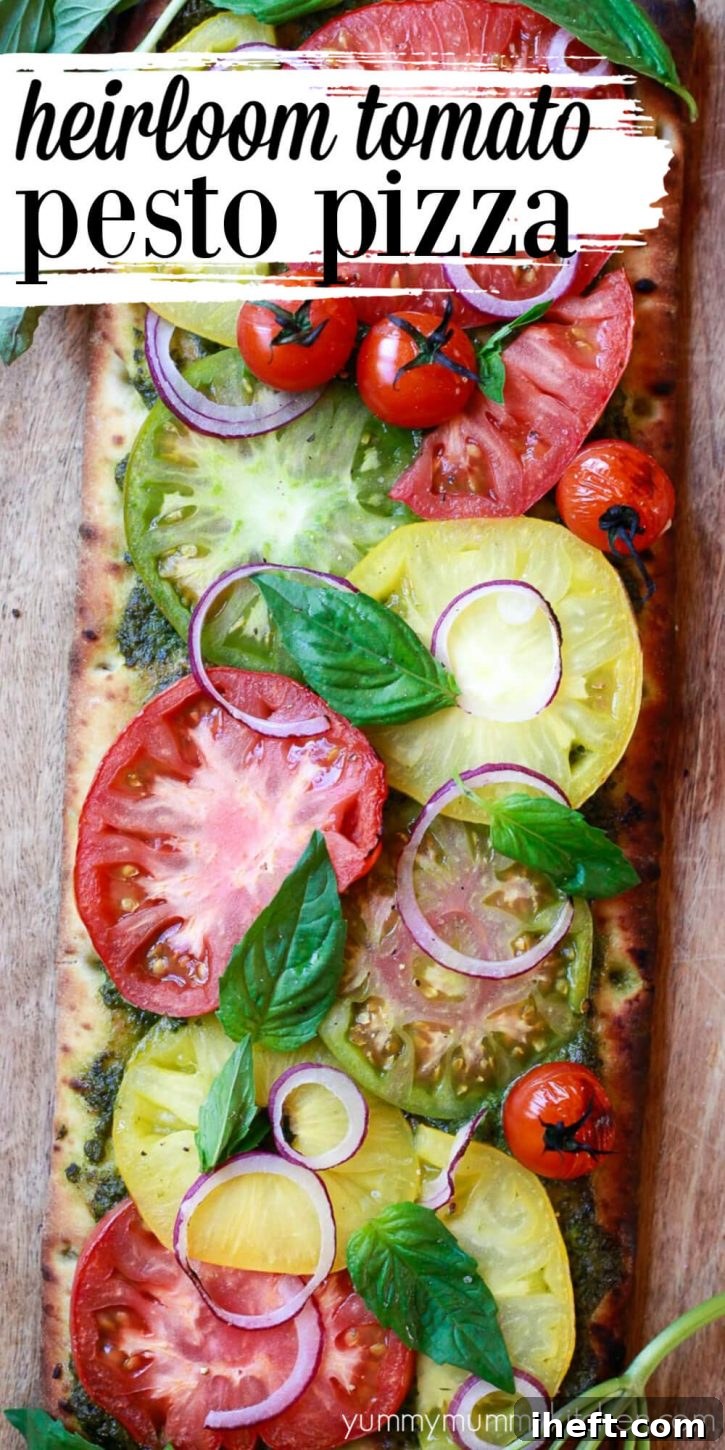
Embrace the vibrant flavors of summer with our exquisite Vegan Pesto Pizza topped with colorful heirloom tomatoes. This delightful cheeseless, plant-based recipe is a celebration of fresh produce, offering a light yet incredibly satisfying meal that’s perfect for any occasion, from a casual lunch to an elegant dinner. It’s a testament to how simple, wholesome ingredients can create truly memorable culinary experiences, proving that pizza doesn’t need cheese to be utterly delicious.
As the glorious days of summer gently transition, bringing a renewed appreciation for routines and structure, there’s still time to savor the season’s unparalleled bounty. These precious moments, filled with sun-ripened fruits and vegetables, remind us of the simple joys in life. Think of the luscious grapes and figs freshly picked, or the incredibly juicy tomatoes bursting with flavor from local farmers’ markets. Summer produce, especially the aromatic basil and diverse array of tomatoes, stands out as a true culinary highlight.
This Heirloom Tomato and Pesto Vegan Pizza is designed to capture that essence. It’s a straightforward, undeniably delicious, and visually stunning recipe that can effortlessly serve as a refreshing appetizer, a satisfying lunch, or a light dinner. Join us as we explore the simple steps to create this magnificent plant-based pizza that will surely become a favorite in your kitchen.
The Art of Crafting a Delicious Vegan Pizza
Creating a vegan pizza is easier and more versatile than you might imagine, especially for those who are lactose intolerant or choose to avoid dairy for ethical, environmental, or health reasons. There are two primary paths to achieving a wonderfully dairy-free pizza experience, ensuring no one misses out on this beloved comfort food.
The first method involves embracing the innovative world of dairy-free cheeses. The market today boasts an impressive selection of vegan cheese options that melt beautifully and offer a delightful flavor profile. Even for devoted cheese enthusiasts, these alternatives can be surprisingly satisfying. A top recommendation for a mozzarella-style cheese is Miyoko’s Kitchen Fresh Vegan Mozzarella, known for its clean ingredients and exceptional melt. Other reputable brands like Parmela’s Creamery, So Delicious, and Daiya also provide excellent choices. The landscape of vegan cheese is constantly evolving, making it an exciting time to explore these innovative products.
The second, and perhaps more adventurous, approach is to bypass cheese entirely. While this might sound unconventional at first, a cheeseless pizza can be remarkably flavorful and deeply satisfying. The secret lies in generously loading your crust with a rich, aromatic sauce, a bounty of fresh vegetables, and savory additions like Kalamata olives. When the crust is perfectly crisp, the sauce vibrant, and the toppings abundant, the absence of cheese often goes unnoticed, replaced by a fresh, clean taste. In this specific vegan pizza recipe, featuring a luscious pesto sauce and exquisite heirloom tomatoes, we consciously opted for a cheeseless preparation. After all, the concept of tomatoes on bread has long been a culinary delight – think of the simplicity and brilliance of Authentic Tomato Bruschetta or the rustic charm of Spanish Tomato Bread.
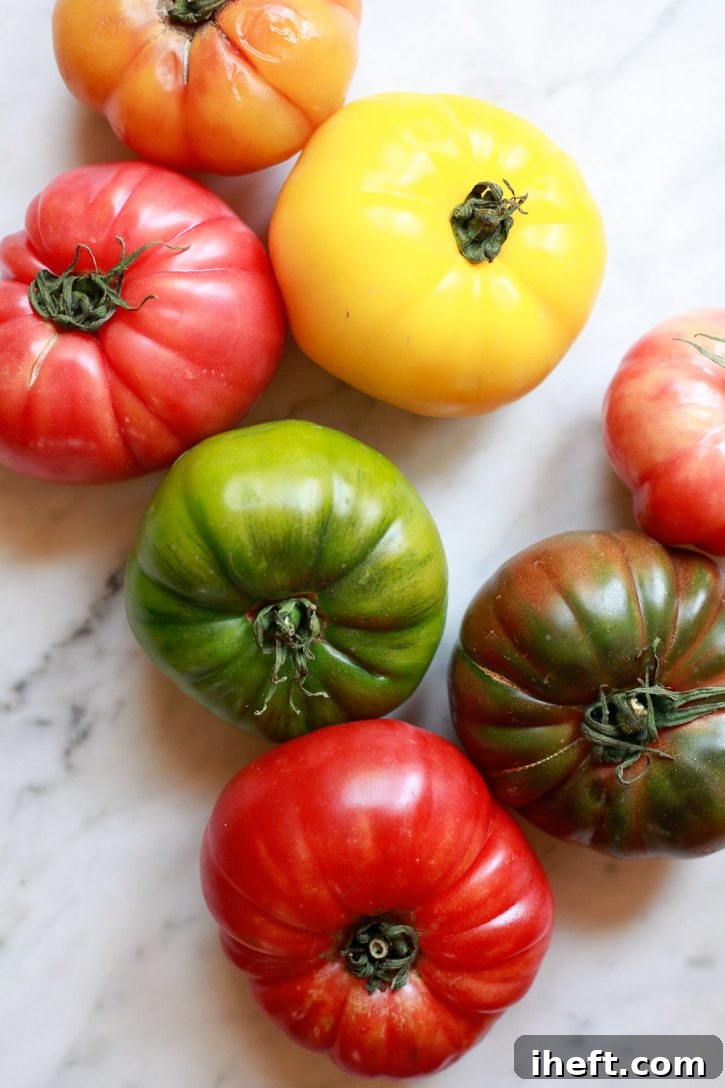
The unparalleled beauty and taste of fresh tomatoes truly shine during the summer months. From early summer through late fall, our kitchens are filled with the season’s harvest, inspiring countless tomato-centric dishes. Recipes like our Fresh Tomato Salsa, rich Fresh Tomato Marinara, refreshing Heirloom Tomato, Orzo, and Kale Salad, and comforting Heirloom Tomato and Greens Lasagna consistently prove to be crowd-pleasers. Heirloom tomatoes, with their striking colors, irregular shapes, and complex flavors, are particularly prized for their ability to elevate any dish, making them the star of this vibrant pesto pizza.
Crafting Your Pizza Masterpiece: Step-by-Step Guide
Step 1: Preparing Your Pizza Dough – Homemade or Store-Bought Perfection
A fundamental question often arises: is pizza dough inherently vegan? For the most part, yes! Traditional pizza dough relies on a simple blend of flour, yeast, water, and often a touch of sugar to activate the yeast. The only non-vegan ingredient that might occasionally appear is honey, used as a yeast feeder, so it’s always wise to check labels if purchasing. For those eager to make their own, we’ve compiled a wealth of tips for crafting the ultimate Italian pizza dough in this comprehensive guide. A little secret for superior flavor and texture: using imported Italian pizza flour can make a remarkable difference.
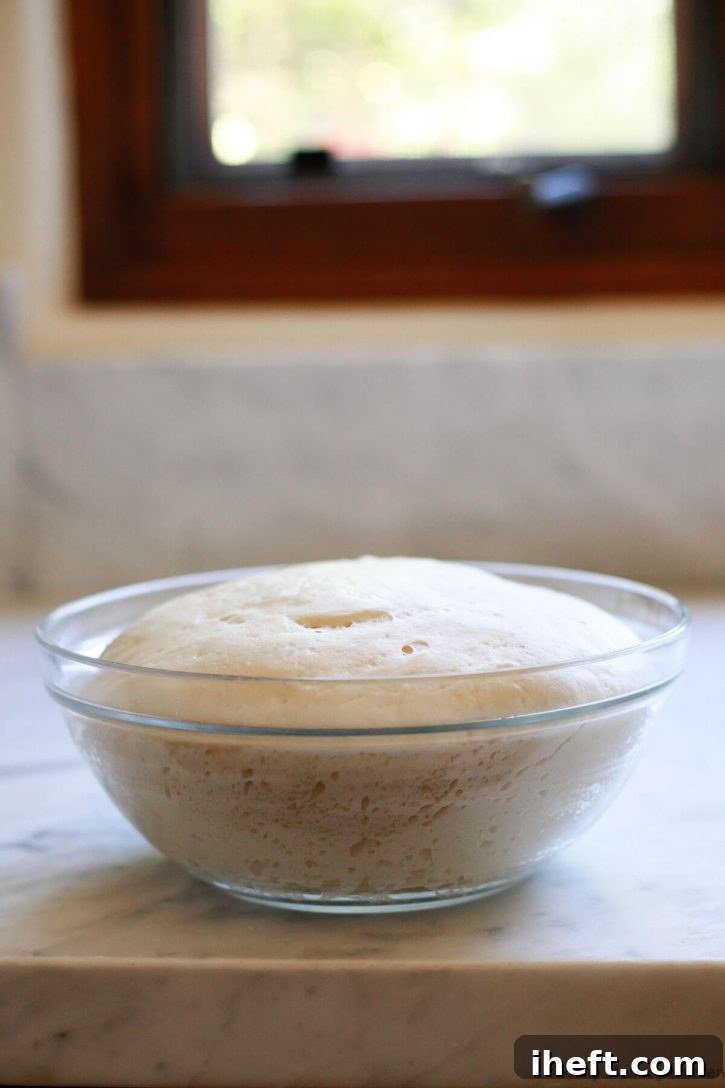
Whether you opt for homemade dough or a store-bought variety, ensuring it’s at room temperature before you begin is crucial. Cold dough is notoriously difficult to shape and stretch evenly, often resisting your efforts. Allow refrigerated dough about an hour on the counter to warm up and become pliable. We put this heirloom tomato and pesto vegan pizza recipe through its paces twice during testing. The first rendition utilized homemade dough for a relaxed Sunday cooking session, while the second employed convenient store-bought rectangular pizza crusts. Both yielded fantastic results, proving that the choice is entirely yours, depending on your schedule and preference. There’s no right or wrong, only delicious outcomes!
Step 2: The Heart of the Flavor – Your Basil Pesto
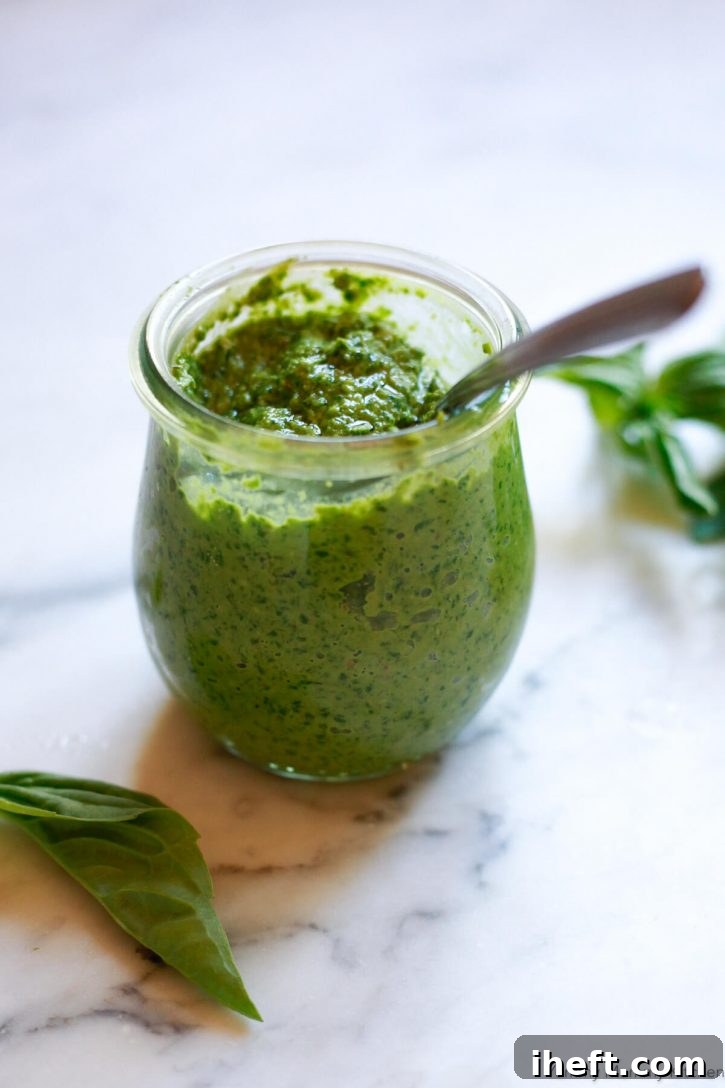
The pesto forms the luscious, flavorful base of this pizza, complementing the fresh tomatoes beautifully. We highly recommend whipping up a batch of our homemade Walnut Basil Pesto using your food processor. The vibrant green of the pesto creates a stunning visual contrast with the myriad colors of the heirloom tomatoes, making for an exceptionally appealing dish. If basil pesto isn’t your preference, or you’re seeking a more traditional flavor profile, our classic Italian Pizza Sauce is an excellent alternative. For those busy days, a high-quality store-bought pesto or pizza sauce is a perfectly acceptable and convenient option.
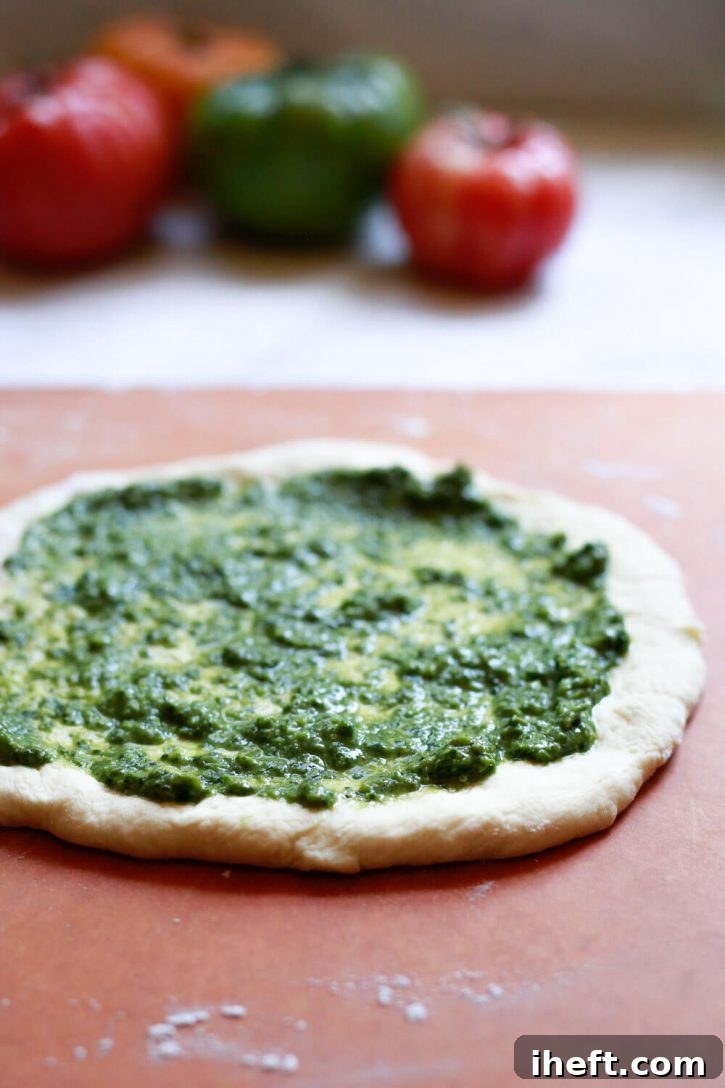
Step 3: Assembling and Baking Your Culinary Masterpiece
Once your dough and pesto are ready, it’s time to assemble! Roll out your pizza dough on a generously floured surface to achieve your desired thickness, typically around 1/4 inch. This ensures easy transfer to your oven. For an impeccably crispy-on-the-bottom crust, a professional tip is to preheat a pizza stone in your oven at its highest setting for at least 1 hour. This intense heat creates a professional-grade crispness. If you’re not entirely confident in your pizza transfer skills, simply roll the dough directly onto a sheet of parchment paper and bake it directly on that.
Spread an even, flavorful layer of your chosen pesto over the dough, extending almost to the edges. Next, artfully arrange the sliced heirloom tomatoes on top of the pesto. If you appreciate the milder flavor of cooked red onion, now is the time to add thinly sliced rings. However, for a more pronounced, zesty kick, it’s best to sprinkle raw red onion on after baking. Bake your pizza until the crust achieves a beautiful golden-brown hue and the bottom is undeniably crisp. If you’re using a pre-cooked pizza crust, always refer to the package instructions for optimal baking times and temperatures.
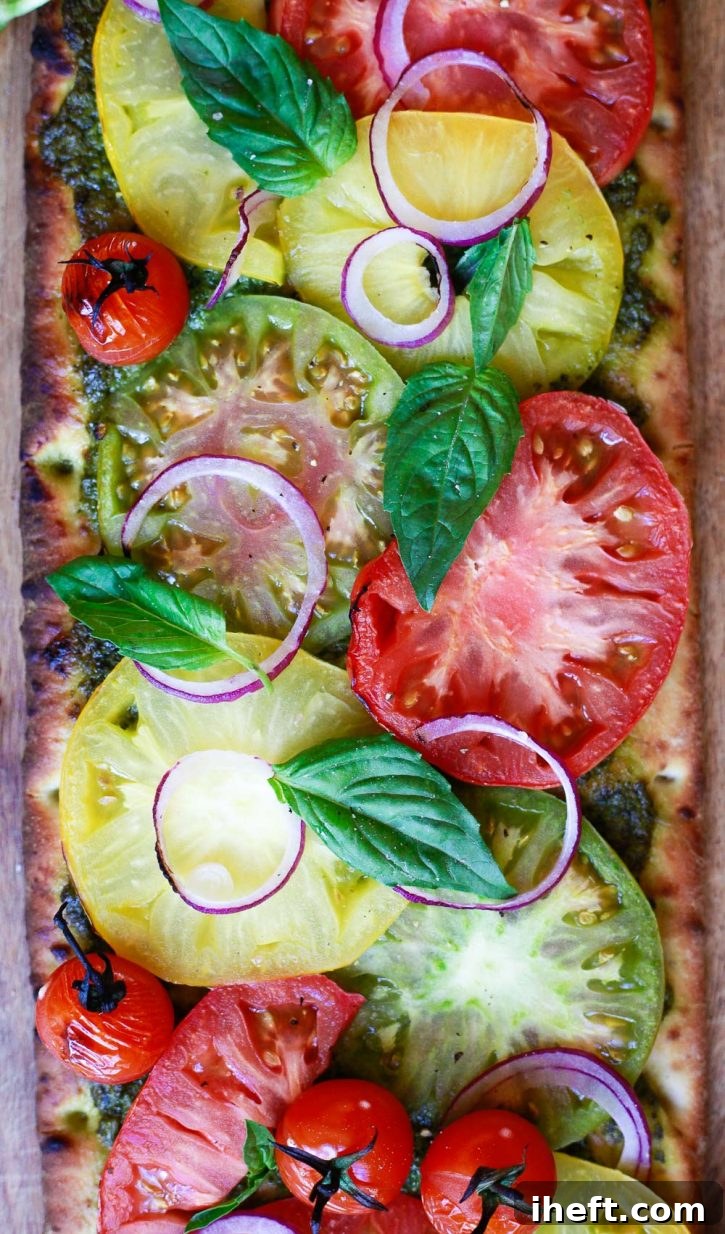
Serving Your Delicious Creation
Once baked to perfection, remove the pizza from the oven and allow it to cool for a minute or two before slicing. Cut into squares for rectangular pizzas or traditional wedges for round ones, then serve warm. During our taste tests, we found that this pizza truly benefited from an extra touch of salty zest. A small handful of briny Kalamata olives, halved and pitted, along with a sprinkle of thinly sliced raw red onion, provided the perfect flavor balance. For an added layer of texture and a nutty crunch, toasted pine nuts are a fantastic optional topping. Remember this golden rule: always add fresh basil leaves *after* the pizza has come out of the oven and cooled slightly; adding them too early will cause them to turn brown and lose their vibrant color and fresh aroma.
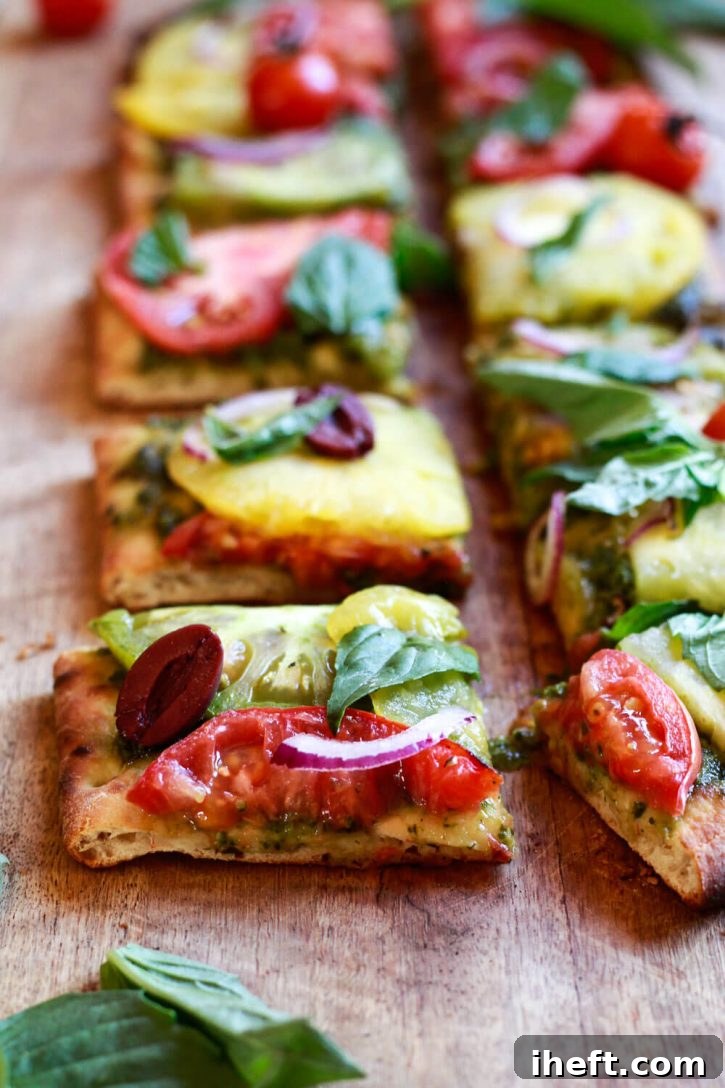
Expert Tips for the Best Vegan Pizza Experience
- Quality Ingredients Matter: When opting for cheese, choose a high-quality vegan mozzarella like Miyoko’s for the best melt and flavor. Otherwise, confidently skip it!
- Enhance Flavor without Cheese: If you’re making a cheeseless pizza, incorporate other salty elements to boost flavor. Briny Kalamata olives, capers, or even a sprinkle of nutritional yeast can work wonders.
- Aromatic Sauce is Key: A flavorful base is paramount. Use a vibrant sauce like our Vegan Pesto or a rich Italian Pizza Sauce to ensure every bite is packed with taste.
- Load Up on Veggies: Don’t be shy with the toppings! A generous array of fresh vegetables not only adds nutrients but also contributes to the pizza’s texture and visual appeal, making it incredibly satisfying.
- Perfect Crust Every Time: Whether homemade or store-bought, ensure your dough is at room temperature before shaping. Using a preheated pizza stone or steel will yield a wonderfully crispy crust.
- Fresh Herbs at the Finish: Always add delicate fresh herbs like basil after the pizza has baked and cooled slightly to preserve their bright color and aromatic intensity.
Vegan Pizza with Pesto and Heirloom Tomatoes
15 minutes
8 minutes
23 minutes
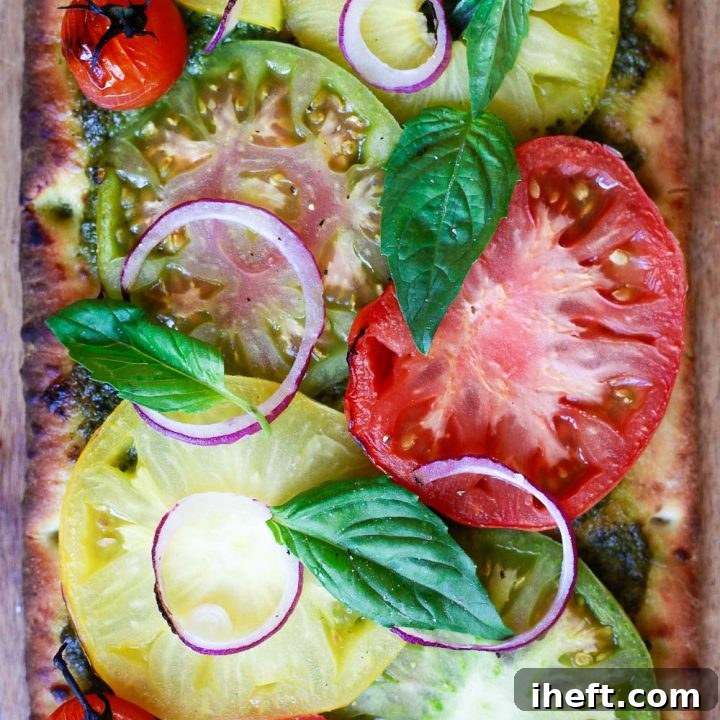
This beautiful cheeseless vegetarian & vegan pizza recipe is elegantly topped with vibrant heirloom tomatoes, aromatic pesto, and fresh basil. Enjoy with homemade pizza dough or a convenient store-bought crust.
Ingredients
- 1 recipe pizza dough or store-bought dough
- 1 recipe vegan pesto
- 1 red heirloom tomato, sliced 1/4″ crosswise
- 1 green heirloom tomato, sliced 1/4″ crosswise
- 1 yellow or orange heirloom tomato, sliced 1/4″ crosswise
- Pinch of salt and freshly ground black pepper
- 1/4 red onion, thinly sliced
- 1 cup fresh basil leaves
- 1/2 cup halved, pitted Kalamata olives
Instructions
- Preheat your oven with a pizza stone (if using) at 500 degrees F (260 degrees C) for 1 hour.
- On a lightly floured surface or a piece of parchment paper, roll and stretch the pizza dough until it’s approximately 1/4″ thick.
- Spread an even layer of vegan pesto over the dough. Arrange the heirloom tomato slices on top of the pesto, cutting them as needed to fit like a colorful mosaic. Season the tomatoes with a pinch of salt and pepper.
- Using a pizza peel, carefully transfer the pizza (with parchment paper if desired) to the preheated pizza stone in the oven. Bake until the crust is golden brown and crisp, typically about 8 minutes.
- Remove the pizza from the oven and let it cool for a minute. Cut into slices or squares. Garnish generously with fresh basil leaves, Kalamata olives, and thinly sliced red onion before serving warm.
Notes
1. Feel free to use store-bought fresh pizza dough or a pre-cooked crust to save time. For the photos, a rectangular store-bought crust was used. If using pre-cooked crusts or a cauliflower crust, always follow the package directions for baking.
2. This recipe highlights a delicious cheeseless pizza concept. However, if you prefer some cheese, we highly recommend a high-quality fresh mozzarella-style vegan option such as Miyoko’s Kitchen Fresh Vegan Mozzarella.
Recommended Products
As an Amazon Associate and member of other affiliate programs, I earn from qualifying purchases.
- UNICOOK Heavy Duty Ceramic Pizza Grilling Stone, Baking Stone, Pizza Pan, Perfect for Oven, BBQ and Grill, Thermal Shock Resistant, Durable and Safe, 15×12 Inch Rectangular, 6.6Lbs
Nutrition Information:
Yield: 6
Serving Size: 1
Amount Per Serving:
Calories: 230
Total Fat: 13g
Saturated Fat: 4g
Trans Fat: 0g
Unsaturated Fat: 7g
Cholesterol: 0mg
Sodium: 258mg
Carbohydrates: 28g
Fiber: 2g
Sugar: 4g
Protein: 2g
Nutrition information is automatically calculated by Nutritionix. I am not a nutritionist and cannot guarantee accuracy. If your health depends on nutrition information, please calculate again with your favorite calculator.