DIY Nectar for Hummingbirds
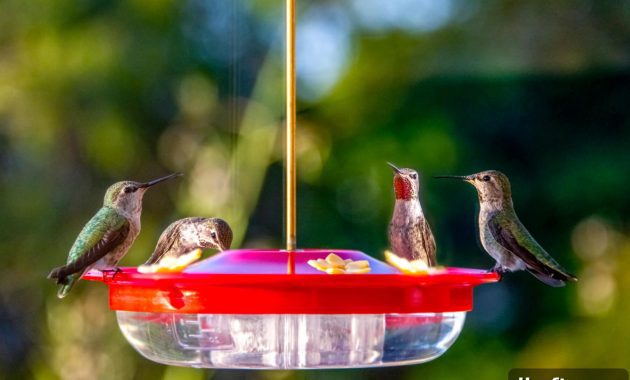
February is National Bird Feeding Month, a perfect time to deepen our connection with local wildlife. Offering a diverse array of bird seeds and specially prepared foods is an excellent way to welcome feathered friends to your backyard sanctuary. Among the most enchanting visitors are hummingbirds, those tiny jewels of the sky. This article will guide you through creating safe, homemade hummingbird nectar, ensuring these magnificent creatures receive the nourishment they need while bringing unparalleled beauty to your garden.
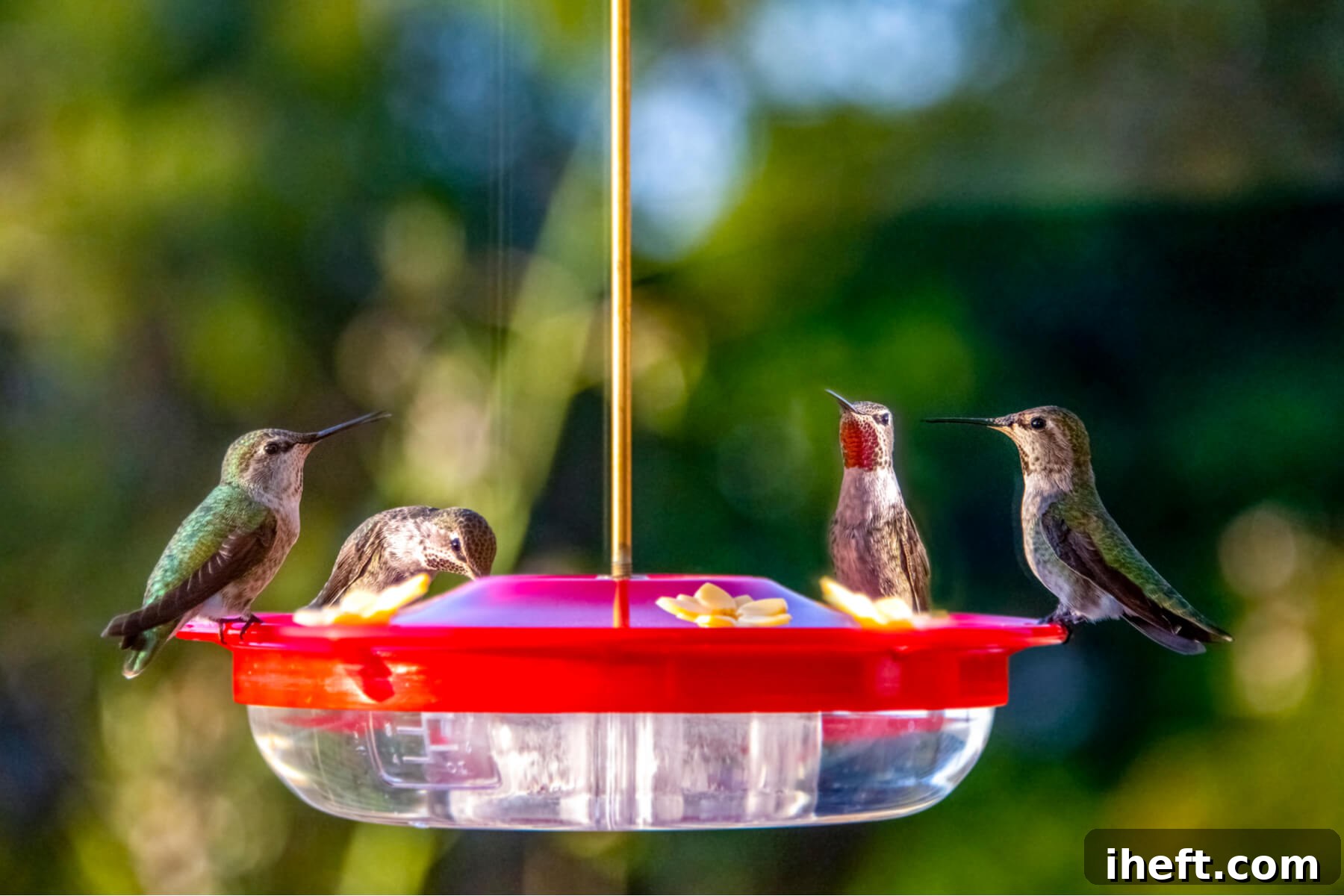
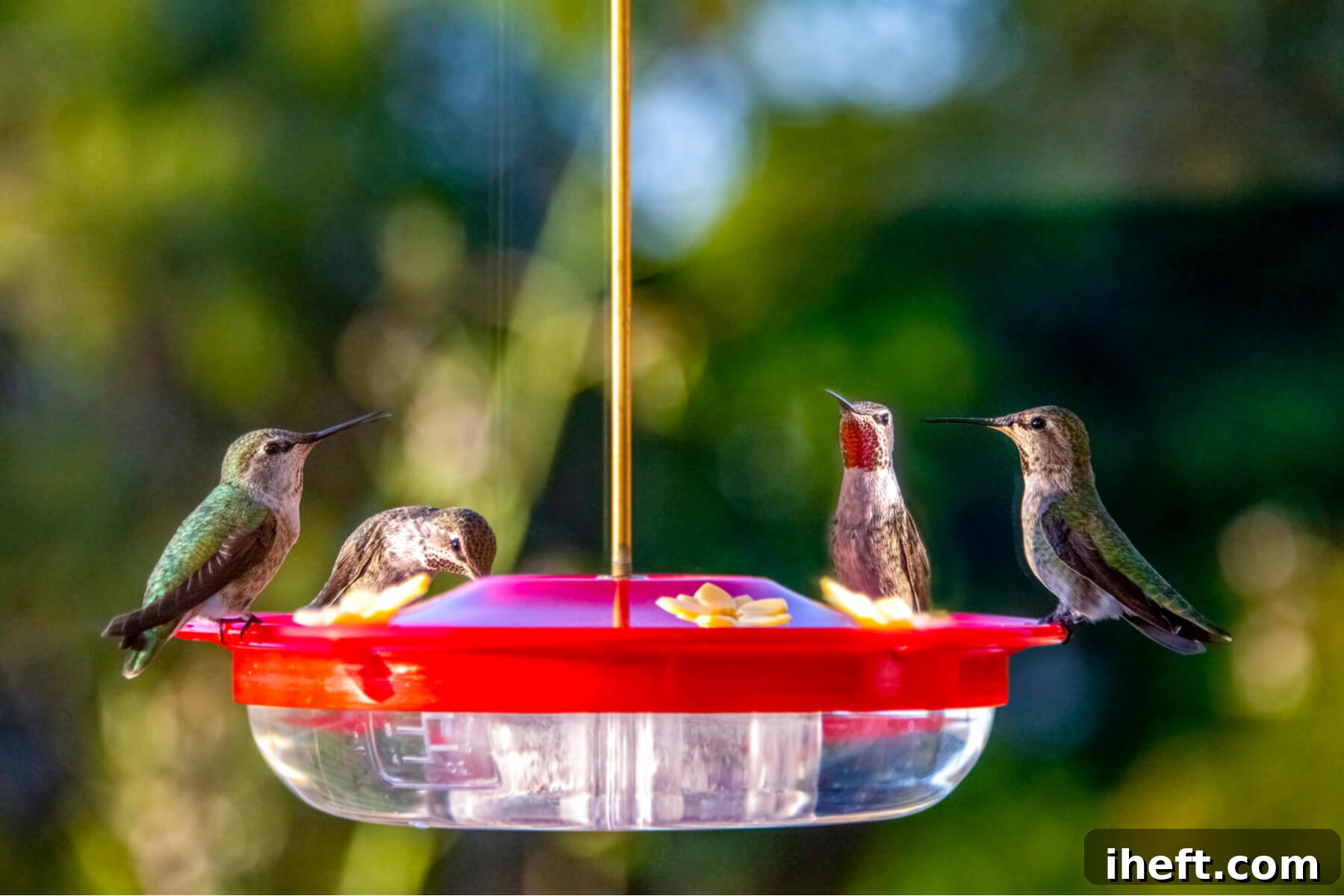
Hummingbirds on a feeder with hummingbird food. Image: Shutterstock
There is an undeniable magic in observing birds in their natural habitat, and few birds captivate quite like the hummingbird. Named for the distinctive humming sound produced by their incredibly rapid wingbeats, these vibrant, tiny aviators measure a mere 3-4 inches in length. Their unique physiology allows for an astonishing feat: they are the only birds capable of sustained backward flight. This remarkable agility, coupled with their iridescent plumage, makes them a constant source of wonder for nature enthusiasts and casual observers alike.
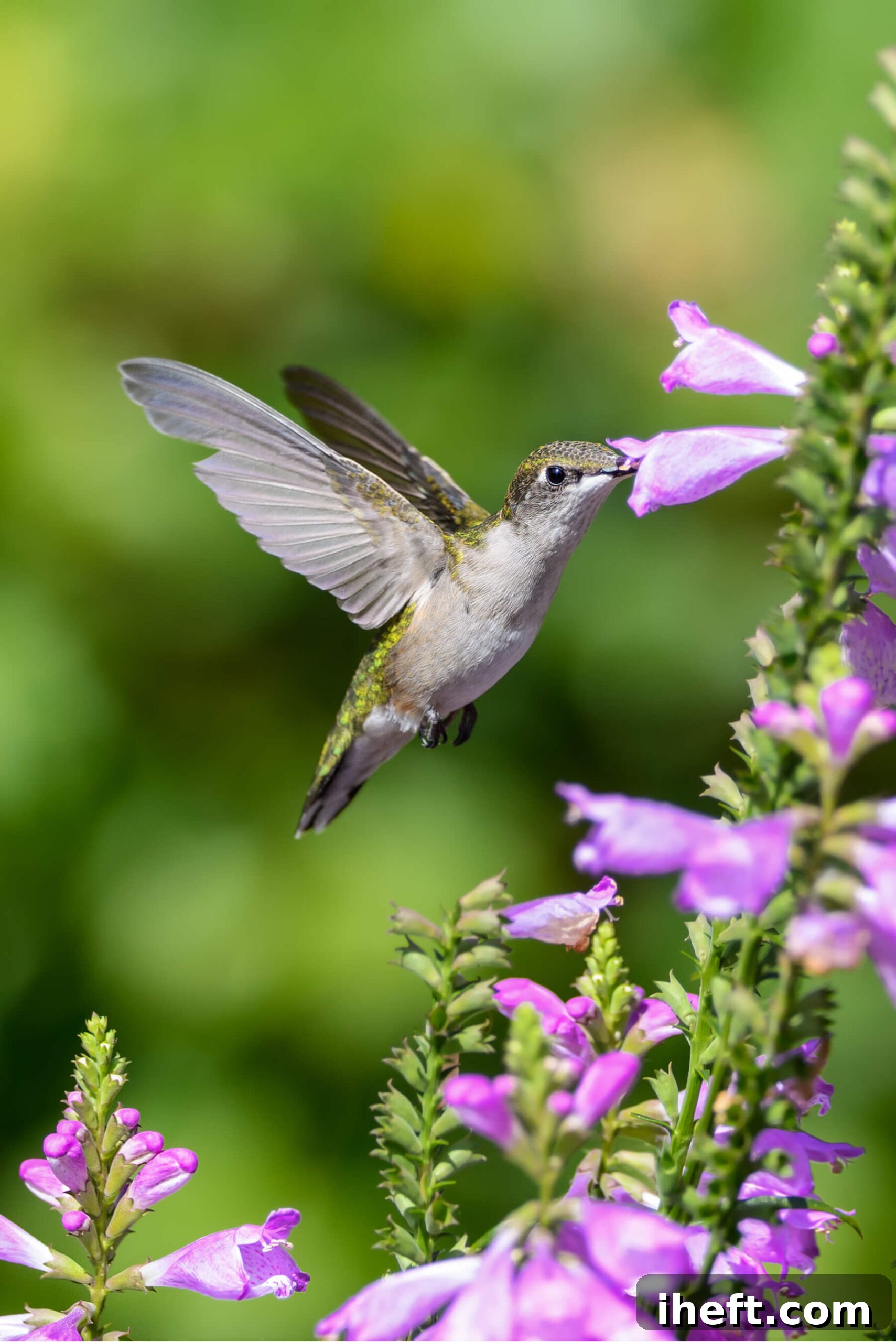
Hummingbirds primarily fuel themselves with nectar, the sweet, sugary liquid secreted by flowers to attract pollinators. They display a particular affinity for vividly colored, tubular-shaped flowers such as foxgloves, petunias, hollyhocks, columbines, and impatiens. If your garden lacks these specific blooms, or if you simply wish to offer additional support, a well-prepared hummingbird food recipe can be an ideal solution to invite these aerial acrobats closer to your home. While the ingredients for homemade hummingbird nectar are surprisingly simple, adhering to precise guidelines is paramount to ensure the health and safety of your avian guests. Beyond the recipe itself, selecting an appropriate feeder and strategic placement are crucial factors for creating a safe and welcoming dining spot. Let’s delve into some frequently asked questions about feeding hummingbirds, providing you with all the essential information to craft a perfect haven for these adorable, pocket-sized birds.
The Fascinating Diet of Hummingbirds
With their slender, elongated beaks, it’s no surprise that the primary component of a hummingbird’s diet is flower nectar. This high-energy fuel sustains their incredibly fast metabolism. However, nectar alone isn’t enough; hummingbirds also supplement their diet with small insects like aphids, gnats, and mosquitoes, which provide vital protein and other nutrients. These tiny predators are surprisingly adept at catching insects in mid-air or gleaning them from spiderwebs.
Hummingbirds expend an extraordinary amount of energy, constantly hovering, darting, and flying. To maintain their high metabolic rate, they must consume approximately half their body weight in nectar and insects daily. This necessitates frequent feeding, with hummingbirds often visiting over 1,000 flowers each day! While they can naturally forage for enough sustenance, offering homemade hummingbird food can provide a valuable energy boost, especially during migration, nesting, or periods when natural food sources are scarce.
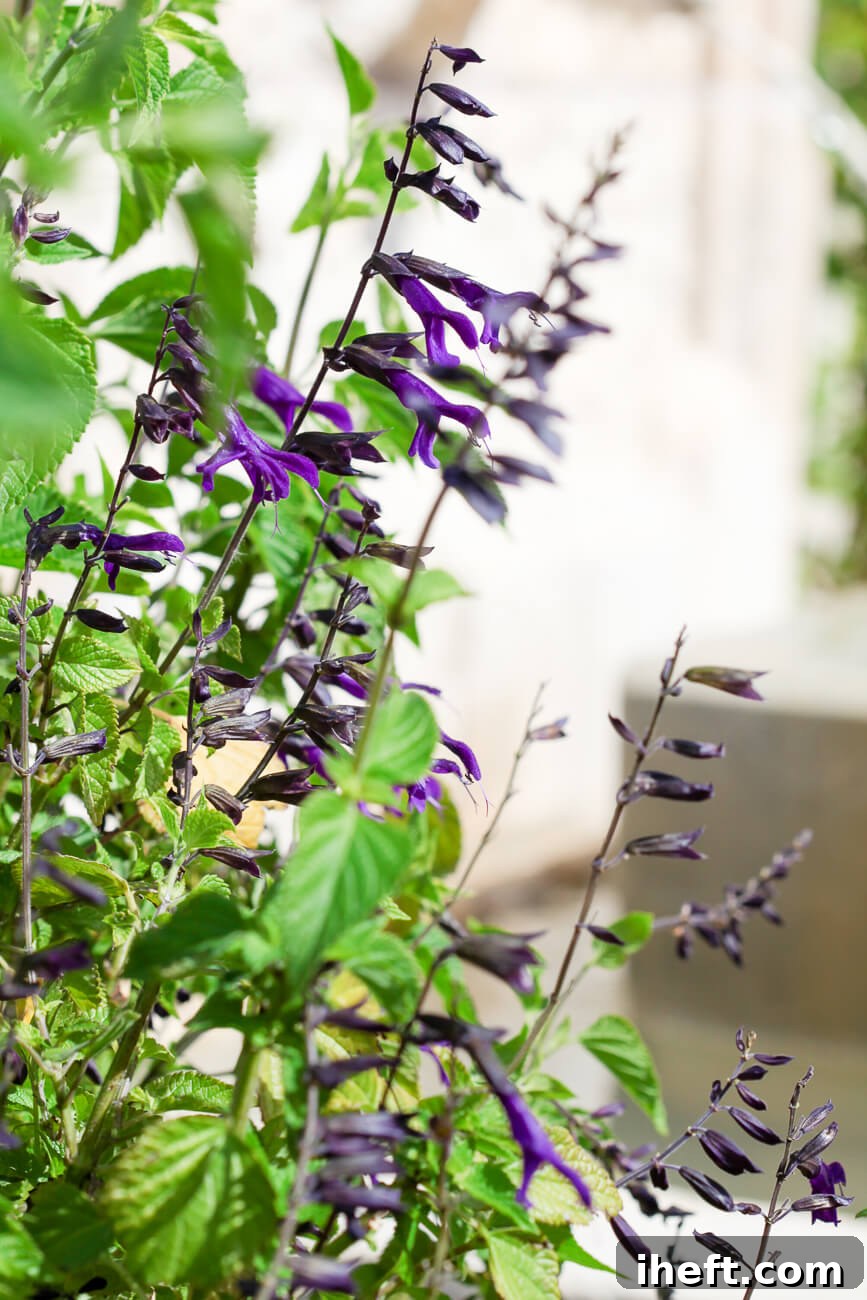
Hummingbird Sage in our Southern California backyard.
Cultivating a Hummingbird-Friendly Garden: Flowers That Attract
Beyond offering a feeder, one of the most effective ways to attract hummingbirds is by cultivating a garden rich in their favorite flowers. Hummingbirds possess an exceptional ability to locate their food by seeking out brightly colored blooms. They are particularly drawn to vibrant, tubular flowers, with a strong preference for shades of red, orange, and purple. Planting a variety of these flowers will create an irresistible beacon for these little birds, transforming your yard into a bustling hummingbird haven. Additionally, hummingbirds appreciate sources of water, so you might notice them frequenting misters, shallow bird baths, or fountains in your garden.
Consider incorporating these hummingbird favorites into your landscape:
- Beebalm (Monarda): Known for its shaggy, often red or pink blooms.
- Butterfly Bush (Buddleja): Offers clusters of fragrant flowers that attract many pollinators, including hummingbirds.
- Lupines: Tall, striking flower spikes in various colors.
- Hollyhocks: Classic garden favorites with tall stalks of large, cup-shaped flowers.
- Foxglove (Digitalis): Distinctive tubular bells that dangle elegantly.
- Impatiens: Bright, prolific flowers, especially good for shady areas.
- Iris: Beautiful, intricate flowers, some varieties have tubular structures.
- Petunias: Common and colorful, many varieties are tubular.
- Lily (Lilium): Certain trumpet-shaped lily varieties are attractive.
- Scarlet Sage (Salvia splendens): A vibrant red sage that is a hummingbird magnet.
- Hummingbird Sage (Salvia spathacea): Native to California, this plant is specifically named for its appeal to hummingbirds.
- Scarlet Trumpet Honeysuckle (Lonicera sempervirens): A beautiful vine with bright red, tubular flowers.
- Verbena: Clusters of small, vibrant flowers.
The Simple Art of Making Hummingbird Food
Crafting your own hummingbird food is remarkably straightforward and requires only two basic ingredients: water and sugar. The ideal solution consists of 4 parts water to 1 part sugar. However, while the process is simple, there are crucial details to observe to ensure the nectar you provide is not only attractive but also completely safe and beneficial for these delicate birds. Please continue reading for detailed instructions and essential considerations to keep your hummingbird visitors healthy and thriving.
Choosing the Right Ingredients for DIY Hummingbird Nectar
What Type of Sugar Should I Use?
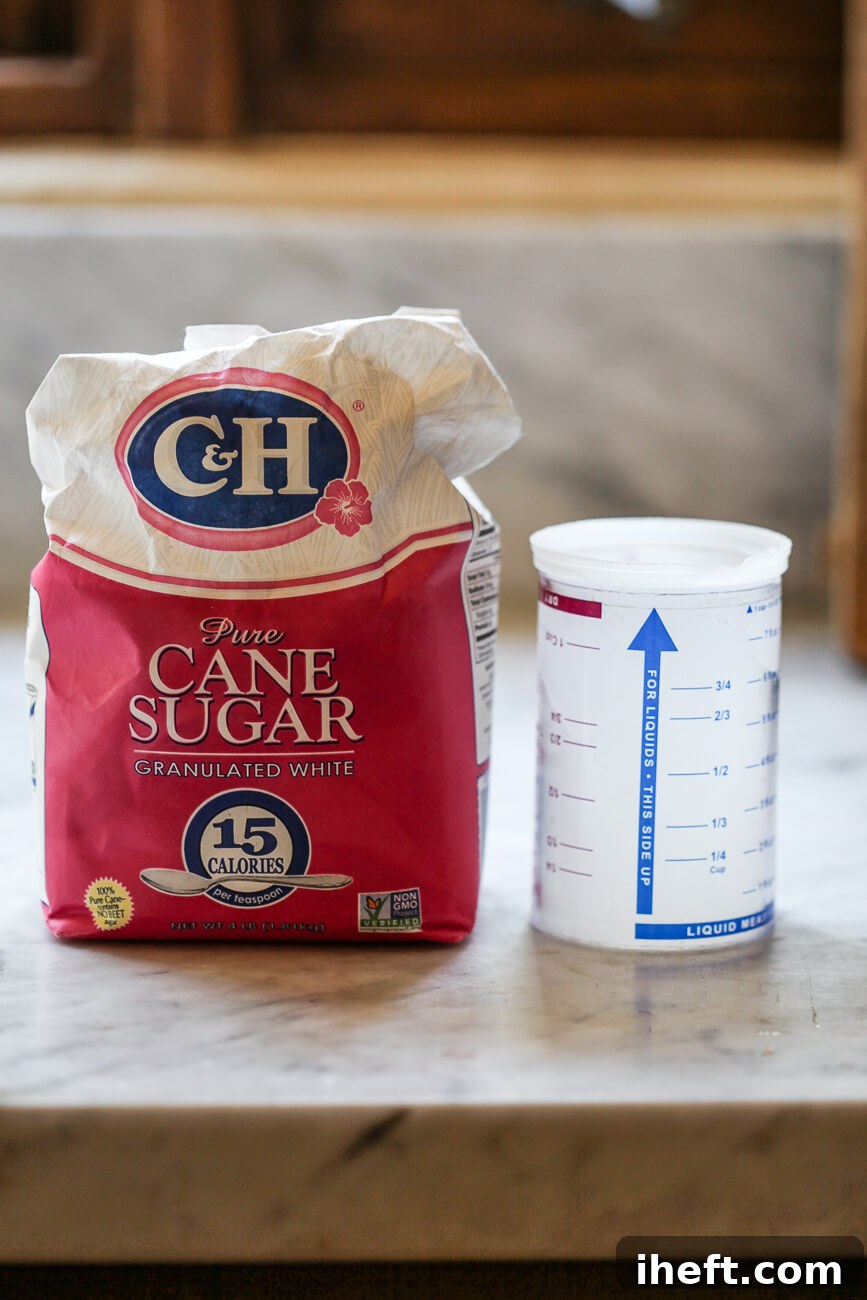
For homemade hummingbird food, it is strongly recommended to use only ordinary, pure white granulated sugar. This type of sugar is essentially sucrose, which closely mimics the natural sugars found in flower nectar and is easily digestible for hummingbirds. It’s crucial to ensure the sugar is pure, without any added ingredients, colors, or preservatives.
Absolutely avoid using alternatives such as maple syrup, brown sugar, honey, or any other sweetening agents. These substitutes may contain additional compounds, trace minerals, or bacteria that could be extremely harmful or even fatal to hummingbirds. For instance, honey can harbor fungal spores that lead to dangerous infections. Furthermore, never use artificial sweeteners like saccharin or aspartame; these provide no nutritional value and can be detrimental to a hummingbird’s health. While white sugar might not be considered “healthy” for humans in large quantities, for hummingbirds, it is the safest and healthiest option for homemade nectar. Do not make any substitutions for white granulated sugar.
What Type of Water Should I Use?
Standard tap water is generally acceptable for preparing hummingbird food, provided it is not heavily chlorinated or contains high concentrations of other chemicals. If your tap water has a strong chlorine odor or taste, or if you suspect it’s not ideal for consumption, using bottled water or filtered water is a safer alternative. Regardless of the source, the water should always be brought to a rolling boil before mixing with sugar. Boiling the water serves two main purposes: it helps to sterilize the water, reducing the presence of bacteria and fungi, and it ensures that the sugar dissolves completely and more easily than it would in cooler water, creating a consistent and safe solution.
Should I Use Red Dye in Hummingbird Food?
The answer is a definitive no. Many people are tempted to add red food coloring or dye to their homemade hummingbird nectar, mistakenly believing it will make the solution more attractive to the birds, given their natural inclination towards red flowers. However, this practice is highly discouraged and potentially dangerous. Red dyes, including common food colorings, often contain chemical compounds and artificial ingredients that are harmful to hummingbirds and can compromise their health over time. These birds are incredibly delicate, and their systems are not equipped to process synthetic additives.
Rest assured, if you prepare the hummingbird food correctly using the simple sugar-water recipe provided below and utilize an appropriately designed feeder in a favorable location, you are almost certain to attract these magnificent birds. Instead of coloring the nectar, opt for a feeder that already features bright red or orange accents, or simply attach a red ribbon, sticker, or painted decoration to the feeder itself. The color of the feeder will effectively draw their attention without risking their well-being.
Choosing and Maintaining the Perfect Hummingbird Feeder
What’s the Best Type of Feeder to Use?
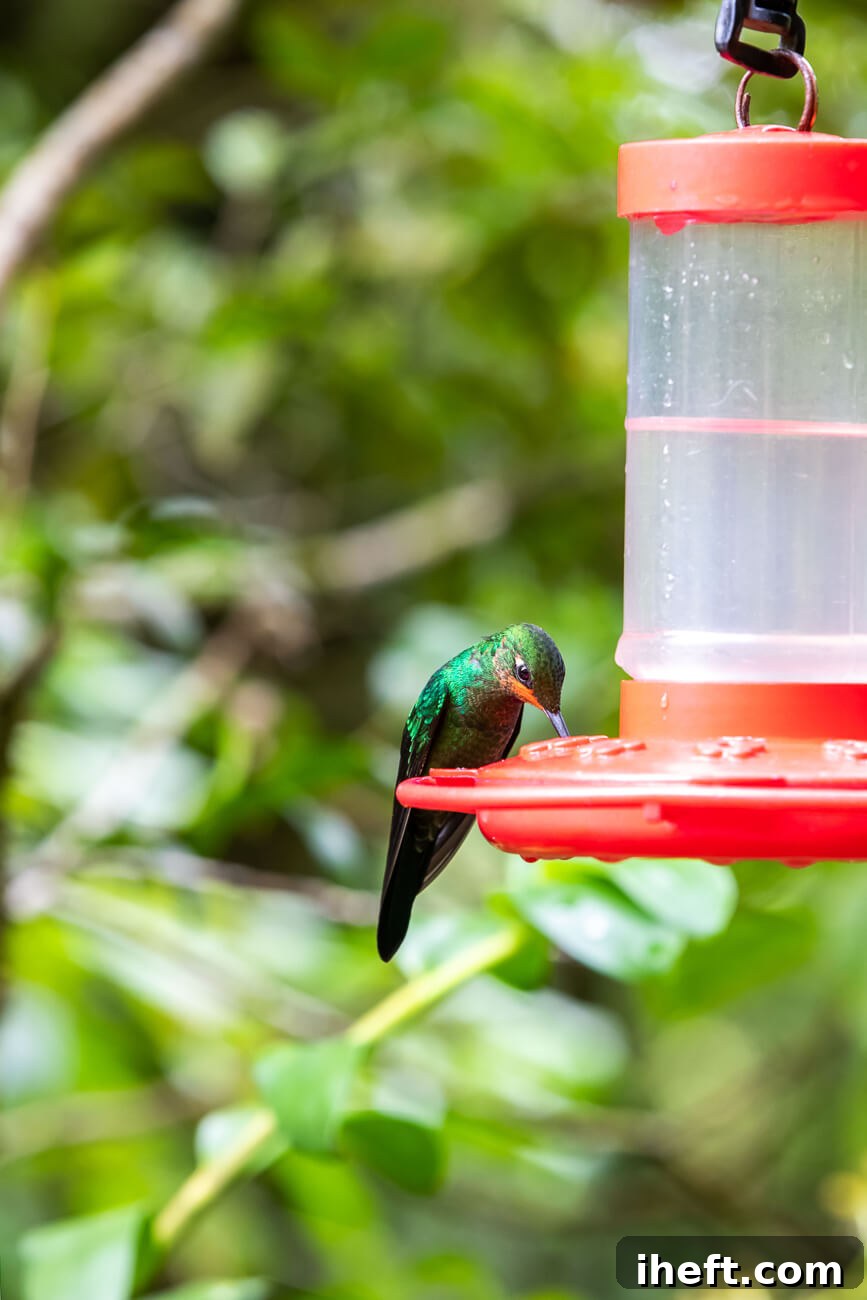
An effective hummingbird feeder is one that not only presents the nectar appealingly but also allows hummingbirds to feed in a manner that mimics their natural behavior. This is why most feeders feature a series of deep, narrow feeding ports, often with small perches, designed to hold the nectar at the bottom of each tube. This design closely replicates the experience of feeding from long-necked, tubular flowers in the wild. The feeder should also be constructed to enclose the nectar, protecting it from evaporation, contamination by insects (like bees and wasps), and consumption by other animals or predators. Feeders come in various designs, including inverted bottle feeders and saucer-style feeders. Both types can be effective, but saucer feeders are often easier to clean and less prone to dripping. You can purchase a ready-made hummingbird feeder from a local garden store or even craft one of your own. The key is to ensure the feeder is stable, provides suitable access points for hummingbirds, and is easy to clean.
Where Should My Feeder Be Sited?
Strategic placement of your hummingbird feeder significantly increases your chances of attracting these delightful birds and ensuring their safety. For optimal results, hang the feeder in an area that receives dappled sunlight – a location that is too shady might prevent birds from noticing the feeder, while too much direct sunlight will cause the nectar to spoil rapidly, potentially promoting harmful mold and bacterial growth. Security is paramount: ideally, position the feeder at a height that is inaccessible to cats and other predators. Placing it near a vegetable garden or flower bed, where hummingbirds naturally forage, can be an excellent idea.
Consider hanging the feeder away from high-traffic areas like paths or frequently used routes to prevent accidental tipping. Furthermore, keep feeders a safe distance from windows to minimize the risk of bird collisions; if windows are unavoidable, applying special decals or patterns can help birds perceive the glass. Site your feeders in a location where you can easily observe the hummingbirds from your window or porch, allowing you to enjoy their exquisite beauty up close. Remember, hummingbirds are tiny, so don’t place the feeder too far away if you wish to appreciate their intricate details. Finally, ensure the feeder’s location allows for easy access so you can clean it thoroughly and refill it with fresh hummingbird food on a regular basis without disturbance.
How Do I Clean My Feeder?
Maintaining a clean feeder is critical for the health of visiting hummingbirds. The feeder should be cleaned meticulously every time you change the hummingbird food. We strongly advise against using harsh chemical detergents, soaps, or bleach, as any residue left behind could be toxic and extremely harmful to the birds. In most instances, a thorough rinse with very hot water, combined with vigorous scrubbing using a dedicated bottle brush, is sufficient to remove any buildup. For more stubborn grime or to disinfect, adding a splash of distilled white vinegar to the hot water and allowing it to soak can be highly effective. After cleaning with vinegar, always rinse the feeder multiple times with plain hot water to eliminate any lingering vinegar scent or residue before refilling it with fresh nectar. This diligent cleaning routine ensures the feeder remains in pristine condition, offering a safe and hygienic dining environment for your hummingbirds.
How Often Should I Fill and Refill the Feeder?
The frequency of refilling your feeder largely depends on the temperature and the number of visitors. As a general guideline, change the food in your feeder at least once a week during cooler months (when temperatures are consistently below 70°F or 21°C). During warmer weather (above 70°F/21°C), the nectar can spoil much more quickly due to bacterial and mold growth, so it’s advisable to change the food twice a week, or even every other day if temperatures are very high. Critically, remember to thoroughly clean the feeder every single time you change the food, even if it appears empty. If you notice the birds emptying your feeder more rapidly than these guidelines suggest, feel free to refill it more frequently, always adhering to the cleaning protocol.
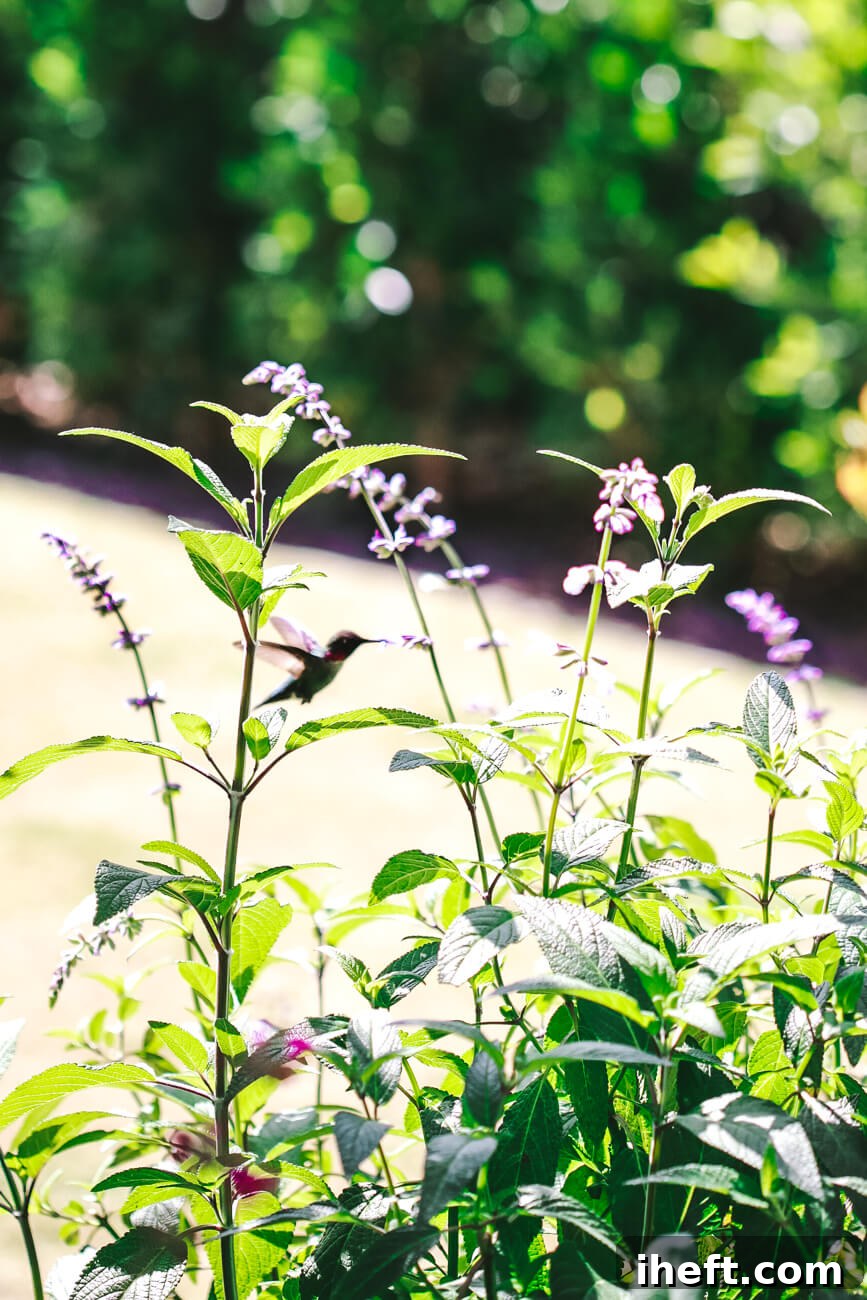
An Anna’s Hummingbird in our garden.
Observing Your Hummingbird Visitors: Best Times to Spot Them
Once your homemade hummingbird food is prepared and your feeder is strategically placed, the most rewarding part begins: sitting back and observing these captivating creatures. Hummingbirds are active throughout the day, from the first light of dawn until dusk. Their incredibly high metabolism means they are almost constantly feeding to maintain their energy levels, needing to consume at least half their body weight in food daily. This constant activity provides ample opportunities for observation throughout daylight hours. Watching hummingbirds is a low-cost, incredibly enriching family activity and an excellent way to introduce children to the wonders of nature. Their speed, vibrant colors, and unique flight patterns offer endless entertainment and educational moments.
By providing a consistent source of safe, homemade nectar and maintaining a welcoming habitat, you are not only enriching your own outdoor experience but also actively supporting local wildlife. These tiny marvels are a testament to nature’s beauty and resilience, and by caring for them, we foster a deeper appreciation for the intricate ecosystems around us. To learn more about hummingbirds and discover additional ways to support and encourage wildlife in your backyard, consider exploring resources from reputable organizations. For further insights into their amazing migrations and behaviors, you can visit sites like the Smithsonian National Zoo and All About Birds.
Homemade Hummingbird Nectar Recipe
1 minute
5 minutes
5 minutes
Homemade hummingbird food is as simple as making a sugar-water solution. Hang a batch of this DIY hummingbird nectar recipe in your garden and watch these beautiful birds flutter and hum around.
Ingredients
- 1 cup water
- 1/4 cup refined white sugar
Instructions
- In a small saucepan or kettle, bring the water to just a boil. Do not boil too long, as excess evaporation will alter the sugar-to-water ratio.
- Remove from heat and stir in the sugar until it is completely dissolved.
- Allow the sugar water solution to cool completely to room temperature before filling your hummingbird feeder.
- Hang the feeder, filled with your homemade hummingbird food, in a safe location outside. Ensure it is away from windows to prevent collisions and out of reach of potential predators like cats.
- Sit back, relax, and enjoy watching these beautiful birds as they savor their treat!
Notes
Do not substitute any other sweetener (such as honey, brown sugar, or artificial sweeteners), as it could be harmful to hummingbirds.
No red dye is needed for hummingbird food; the birds are attracted to red feeders themselves. Choose a feeder with red accents or add a red ribbon.
Feel free to double or triple this recipe for larger feeders or to ensure a consistent supply. The essential ratio is always 4 parts water to 1 part sugar.
Store any leftover nectar in a clean, airtight container in the refrigerator for up to one week.
Recommended Products
As an Amazon Associate and member of other affiliate programs, I earn from qualifying purchases.
- Hummingbird Feeder
Nutrition Information:
Yield: 1
Serving Size: 1
Amount Per Serving:
Calories: 194Total Fat: 0gSaturated Fat: 0gTrans Fat: 0gUnsaturated Fat: 0gCholesterol: 0mgSodium: 10mgCarbohydrates: 50gFiber: 0gSugar: 50gProtein: 0g
Nutrition information is automatically calculated by Nutritionix. I am not a nutritionist and cannot guarantee accuracy. If your health depends on nutrition information, please calculate again with your favorite calculator.