Gwendolyn’s Spirit My Running Must Haves
Your Ultimate Guide to Running: From Beginner Tips to Half Marathon Training Essentials
This Saturday marks a significant milestone in my running journey: the Santa Barbara Half Marathon. For the past twelve weeks, I’ve immersed myself in rigorous training, pounding the pavement with dedication and an unyielding spirit. It has been a challenging, gritty, and incredibly rewarding experience, preparing me for the 13.1 miles ahead. I’m thrilled to join hundreds of inspiring individuals this weekend, not just to challenge my own limits, but to run for a cause deeply close to my heart: the remarkable Gwendolyn Strong Foundation (GSF).
The GSF is dedicated to changing the future for children affected by Spinal Muscular Atrophy (SMA), the leading genetic killer of infants, and providing vital support to families facing this devastating disease. I shared Gwendolyn’s story here a few months ago, shortly after she passed away at the tender age of seven. Her incredible strength and unwavering spirit continue to inspire me every day.
If you feel moved to support the GSF’s crucial mission through my run, you can make a donation here. Every step I take is a step towards a future where children with SMA can experience the joy of movement. My body moves today, so one day, theirs can too. The progress in SMA research and treatment trials, fueled by fundraising efforts like ours, is truly inspiring and gives immense hope.
The Transformative Power of Running: More Than Just Miles
Running is undoubtedly challenging, especially when you’re just starting out or pushing for longer distances. Yet, its power extends far beyond physical exertion. I’ve witnessed friends overcome significant personal battles – anxiety, depression, addiction, eating disorders – finding solace, strength, and recovery through the simple act of putting one foot in front of the other. Running builds not only physical endurance but also remarkable mental resilience.
Moreover, running fosters community and collective action. This week, 120 of my friends are lacing up their shoes to support the GSF, demonstrating how this sport can unite people for a greater good. It’s an incredible feeling to be part of something so meaningful, transforming personal goals into collective impact.
Your Essential Guide: Running Tips and Gear for Every Runner
After sharing my running adventures on Instagram, I often receive questions about how I manage my training and what gear I rely on. I’ve compiled my top running essentials and practical tips, hoping to inspire you to embrace the runner within. Whether you’re a complete novice or looking to tackle your first half marathon, these insights are designed to help you get out there and enjoy the journey.
First, a crucial disclaimer: I am not a professional runner, coach, or medical expert. Always consult your doctor before starting any new exercise regimen. Running, especially with underlying health conditions like heart issues, can be dangerous. Your health and safety are paramount, so please, get a thorough check-up first!
My Top Essentials for a Fulfilling Running Experience
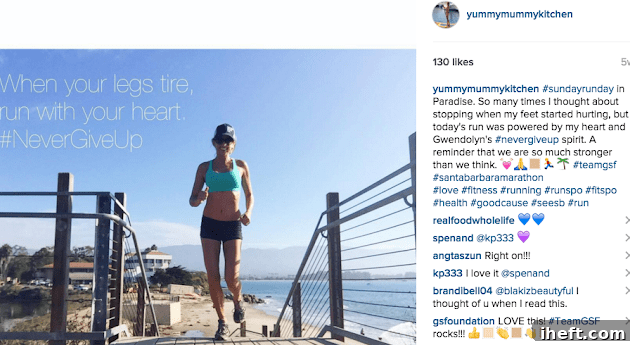
1. Cultivate a Positive #NeverGiveUp Attitude
Your mindset is arguably the most critical component of a successful running journey. Negative self-talk – thoughts like “I hate running,” “I can’t do this,” or “I’m just not a runner” – can severely impede your progress and enjoyment. Instead, consciously shift your internal dialogue. Embrace empowering affirmations such as “I can and I will,” “Never give up,” “I am grateful for my body,” “I am strong and brave,” and “This is challenging, but I’m growing stronger with every stride.”
This “Never Give Up” mantra was profoundly embodied by Gwendolyn throughout her entire life. Despite never being able to walk, she focused on her capabilities, even inspiring her dad to push her stroller through half-marathons! Her resilience is a powerful reminder that our perception of limits often defines them.
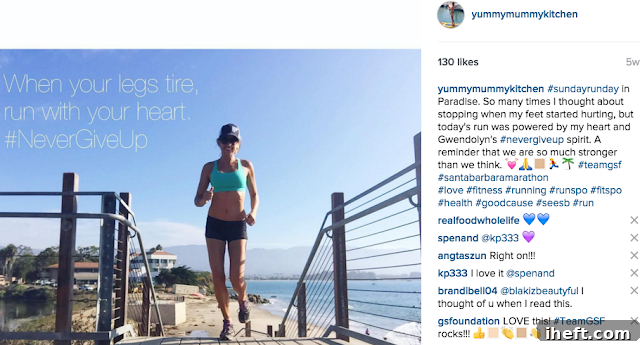 |
| Running inspiration from my Instagram |
Remember the privilege of movement: if you can walk, you possess a gift many do not. When your legs feel heavy, acknowledge the incredible fortune of being able to engage those muscles. For absolute beginners, start gently. Begin with brisk walking, gradually incorporating short bursts of jogging. Your body will adapt to new sensations – don’t be alarmed by common experiences like itchy legs (due to increased blood flow) or tummy rumblings. Consistency and a positive outlook will lead to remarkable progress.
2. Invest in Quality Running Shoes and Socks
While spending $100 or more on running shoes might seem significant, it’s a crucial investment in your health and performance. The right pair of shoes is your first line of defense against injury, providing essential support, cushioning, and stability tailored to your unique gait. To ensure you get the best fit, visit a local running specialty store for a professional shoe fitting. Experts there can analyze your foot strike and recommend shoes that align with your biomechanics.
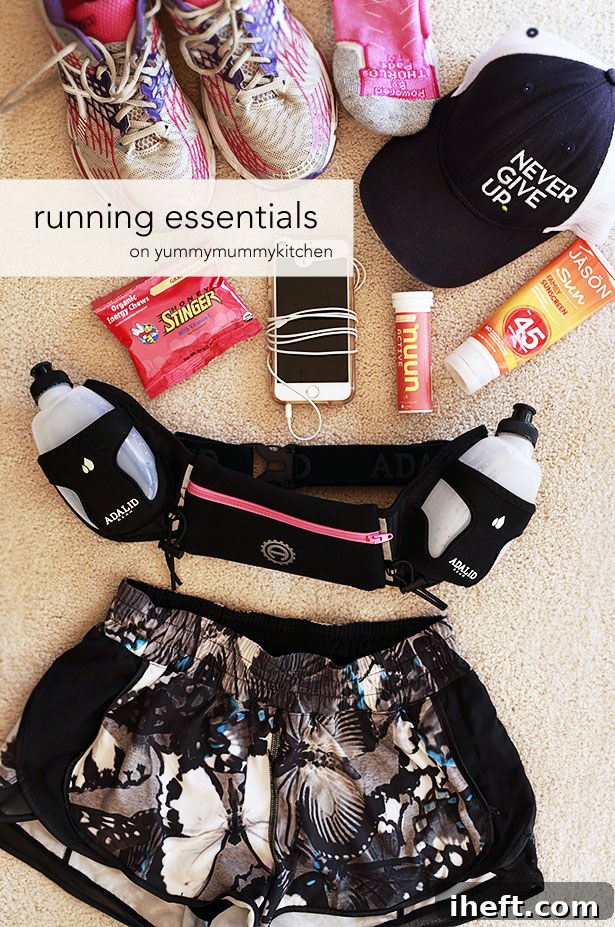
For long-distance road running, I rely on a pair of cushiony ASICS, which offer excellent shock absorption. For shorter distances, trail running, and everyday wear, I opt for a lightweight, more minimal pair of Nike’s Air Zoom Vomero. These provide greater flexibility and encourage a natural midfoot or toe-strike running form, which some experts believe can reduce the risk of injury compared to a heel-strike. A general rule of thumb for running shoes is to go up a half-size from your regular shoe size to accommodate foot swelling during activity. And don’t forget good running socks! Moisture-wicking, seamless socks are essential to prevent blisters and discomfort.
3. Choose Light, Comfortable Running Apparel
Your running clothes should be an extension of your body, offering unrestricted movement and optimal comfort. Opt for lightweight, moisture-wicking fabrics that pull sweat away from your skin, keeping you dry and preventing chafing. Running-specific leggings, shorts, and tops often feature cleverly designed built-in pockets, perfect for securely storing keys, gels, or your phone without hindering your stride.
Pictured at the top of this article are my favorite Lululemon shorts in a beautiful Butterfly Angel Wing print – a poignant tribute to Gwendolyn, our butterfly angel. When dressing for your run, aim to wear clothes suitable for temperatures about 10 degrees cooler than the actual outside temperature, as your body will generate significant heat once you start moving. This can be particularly challenging in warmer climates, but layering appropriately or choosing lighter fabrics is key.
4. Harness the Power of Tunes and Tracking Apps
Music can be an incredible motivator and a secret weapon for runners. A carefully curated playlist can boost your energy, help you maintain a consistent pace, and even distract you from discomfort. I often find myself singing along and rocking out as I run, imagining I’m dancing in a club with friends. Pandora’s Today’s Hits station is a frequent companion on my runs.
Beyond music, running apps are invaluable tools for tracking your progress and staying motivated. Popular choices like Runkeeper, Map My Run, and Nike Run Club offer features such as GPS tracking, pace monitoring, distance logging, and even guided runs. Seeing your miles accumulate, hitting new personal bests, and visualizing your routes can be incredibly rewarding. For those just starting their running journey, my friend at This Week For Dinner highly recommends the “Couch to 5K” training app, which provides a structured program to gradually build your running endurance.
5. Prioritize Optimal Hydration
Dehydration is a runner’s nemesis; it can quickly deplete your energy, impair performance, and lead to serious health issues. Ensuring proper hydration before, during, and after your run is paramount. Always drink plenty of water throughout the day, especially in the hours leading up to your run.
Although I ran my first half-marathon nearly a decade ago, it wasn’t until recently that I finally purchased a hydration belt. I initially thought it looked a bit “dorky,” but let me tell you, it’s been a game-changer! Now I can run hands-free, with my iPhone securely tucked into the front pouch and water bottles easily accessible at my sides. I honestly don’t know how I managed longer runs without it. You can find excellent options for hydration belts on Amazon here. For an added boost of electrolytes without excessive sugar and artificial colors, I highly recommend adding a Nuun electrolyte tablet to my water.
6. Fuel Your Body Smartly and Strategically
Proper fueling is crucial for optimal running performance, especially as your distances increase. For short, easy runs (under 5 miles), extensive fueling during the run might not be necessary. However, for runs exceeding 5 miles, packing some energy chews or gels can make a significant difference in preventing “hitting the wall.” While many runners opt for GU gel, I personally prefer these organic honey Stinger chews, which provide a natural energy boost when your levels start to dip.
Before your run, choose a light, high-carbohydrate meal or snack. Carbohydrates are your body’s primary energy source for endurance activities. Foods rich in protein and fat, while important for overall nutrition, take longer to digest and can lead to an uncomfortable, heavy feeling during your run if consumed too close to starting. Examples of good pre-run fuels include a banana, a piece of toast with a little jam, or oatmeal. Always consult your doctor before starting any new supplements or if you have specific dietary concerns, especially if you are diabetic.
7. Prioritize Sun Protection
Sun protection is non-negotiable for runners, regardless of the weather or season. Prolonged exposure to UV rays can lead to sunburn, premature skin aging, and increased risk of skin cancer. My sun protection essentials include a hat, sunglasses, and broad-spectrum sunscreen.
I always run in this inspiring hat from the GSF, which not only provides shade but also serves as a constant reminder of the cause I’m running for. A good pair of sunglasses will protect your eyes from harmful UV rays and reduce glare, enhancing visibility and comfort. Don’t forget to apply water-resistant sunscreen with at least SPF 30 to all exposed skin, even on cloudy days, and reapply as needed on longer runs.
8. Embrace Stretching and Cross-Training
While running is a fantastic exercise, doing too much too quickly or neglecting proper recovery is a common recipe for injury. Integrating stretching and cross-training into your routine is vital for preventing overuse injuries, improving flexibility, and building overall strength. Dynamic stretches before your run (like leg swings and arm circles) prepare your muscles for activity, while static stretches after your run (holding stretches for 20-30 seconds) help improve flexibility and aid in recovery.
Balance your running mileage with low-impact exercises such as yoga, Pilates, swimming, or cycling. These activities work different muscle groups, improve core strength, and offer active recovery, giving your primary running muscles a break while still maintaining cardiovascular fitness. A strong core, for instance, significantly improves running form and efficiency. Listen to your body, schedule rest days, and consider professional guidance if you’re experiencing persistent aches or pains.
9. Find Your Inspiration and Join a Community
Motivation can wax and wane, so finding what truly inspires you is key to long-term running success. If you’ve never run before, simply grab a friend and start with a brisk walk. Gradually, incorporate a few minutes of jogging, extending the running segments each week. It’s incredibly exciting to witness your body’s rapid adaptation and increasing strength.
Training for a race, whether it’s a casual 1-mile family fun run, a 5K, a half marathon, or a full marathon, provides a tangible goal and a powerful incentive to stay consistent. But what makes the journey truly meaningful is using your training to raise money for a cause close to your heart. You could join me in supporting the GSF, or choose any other cause that resonates with you. Platforms like FirstGiving make it easy to set up a fundraising page and get started. Embrace the community of runners, share your goals, and celebrate every milestone. Happy running!
Making a Difference: The Gwendolyn Strong Foundation and SMA
When I first ran for Gwendolyn four years ago, the prospect of children with Spinal Muscular Atrophy (SMA), often described as “ALS in babies,” being able to walk felt like a distant dream. SMA is a cruel neuromuscular disease that robs individuals of their physical strength by affecting the nerve cells that control voluntary muscle movement. Yet, the relentless efforts of organizations like the Gwendolyn Strong Foundation, fueled by dedicated fundraisers and supporters worldwide, are making an undeniable difference.
Today, thanks to significant research and fundraising, groundbreaking therapies are in clinical trials and even approved, showing incredible promise in treating babies and children with SMA, fundamentally changing their futures. While there is still much work to be done, the progress offers immense hope and underscores the profound impact our collective efforts can have. Gwendolyn’s spirit, teaching us to “Never Give Up,” continues to inspire this vital work.
If you wish to contribute to this life-changing mission, please consider making a tax-deductible donation to the GSF here. Alternatively, you can support the foundation by purchasing some of their fabulous merchandise here. Every contribution, no matter how small, helps accelerate research, provide family support, and move closer to a world free from SMA.
Further Reading for Runners:
On my night stand: “Born to Run” – A fascinating read that explores the science and spirit of running.
Purchase “Born to Run” on Amazon