Effortless Plant-Based Baked Beans
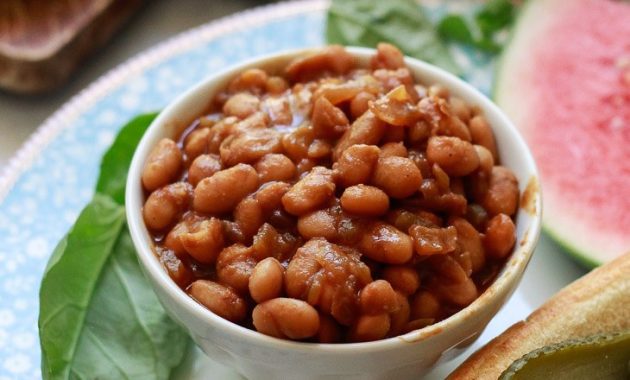
Dive into the irresistible world of homemade vegetarian baked beans! This easy-to-follow recipe, perfect for your slow cooker or stovetop, delivers a delightful sweet and tangy side dish that’s entirely vegan and gluten-free. Get ready to elevate your dinner table or summer BBQ with this wholesome comfort food classic.
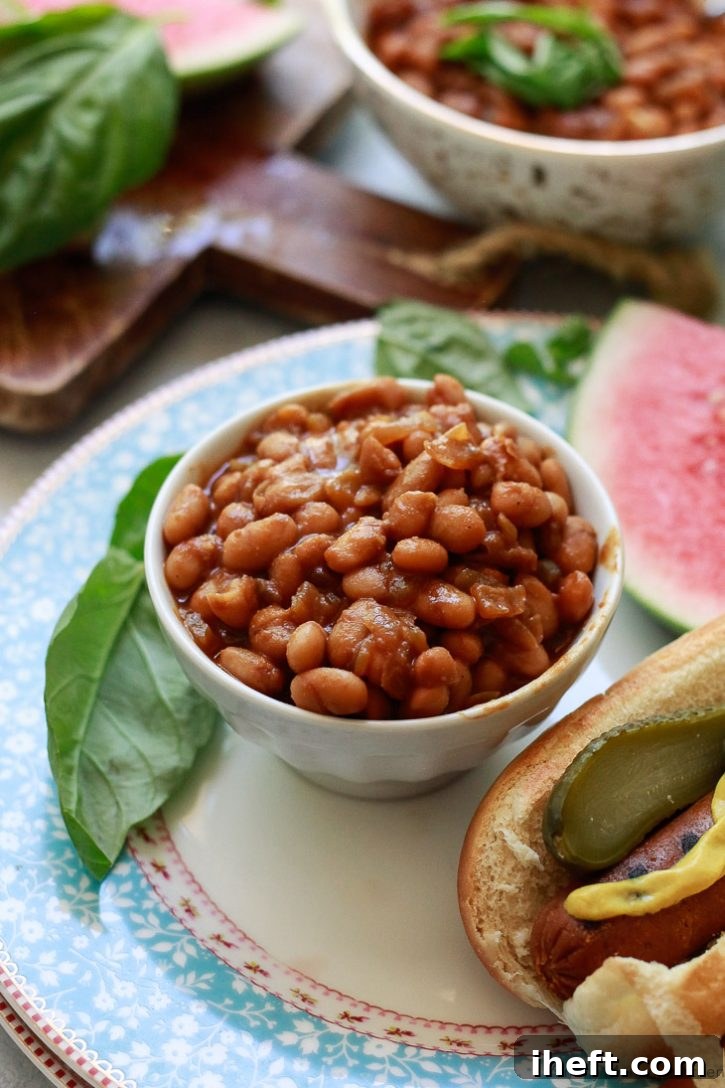
Welcome back, food enthusiasts! We’re continuing our culinary journey through classic American comfort foods that shine brightly at any summer gathering. After tantalizing your taste buds yesterday with a super easy Vegan Coleslaw recipe, today, we’re focusing on another quintessential side dish: Vegetarian Baked Beans. This dish holds a special place in my heart, evoking nostalgic childhood memories of backyard grilling and hearty family meals. Its signature blend of sweet, tangy, and robust flavors makes it a perfect companion to everything from veggie burgers to fresh salads.
Often, when we talk about “baked beans,” there’s a playful misnomer involved. While some traditional recipes do involve baking the beans in an oven, often topped with layers of bacon or ham, most modern and home-cooked versions are actually stewed on the stovetop or slow-cooked to perfection. Our vegetarian baked beans recipe proudly stands apart from these traditional, meat-laden iterations, offering a plant-based, bacon-free, and ham-free alternative that sacrifices nothing in terms of flavor or heartiness. It’s a truly inclusive dish, welcoming everyone to enjoy its rich, savory-sweet goodness.
Unveiling the “Baked” Beans: A Vegetarian Classic Reimagined
For many, baked beans are synonymous with classic American cuisine, a staple at potlucks, barbecues, and family dinners. Historically, baked beans have roots in Native American cooking, later adapted by colonists, particularly in New England, where they became a Saturday night tradition, often cooked overnight in brick ovens. These early versions commonly used navy beans, molasses, and sometimes salt pork or bacon. Our recipe pays homage to this rich history while embracing modern dietary preferences, offering a wholly plant-based, gluten-free, and equally delicious experience.
The beauty of this vegetarian baked beans recipe lies in its simplicity and versatility. Whether you prefer the quick satisfaction of a stovetop simmer or the hands-off convenience of a slow cooker, this recipe adapts effortlessly. We’re crafting a sauce that is deeply flavorful, with just the right balance of sweetness and tang, ensuring every spoonful is a delight. It’s a dish that warms the soul and satisfies the palate, making it a guaranteed crowd-pleaser.
Beyond being a fantastic side, these beans can also serve as a satisfying light meal, perhaps served with a slice of whole-grain toast or a fresh green salad. They are also incredibly wholesome, packed with plant-based protein and fiber, making them a nutritious addition to any diet. Forget the sugary, additive-filled canned varieties; once you taste homemade vegetarian baked beans, you’ll never look back!
Choosing the Best Beans for Your Baked Beans
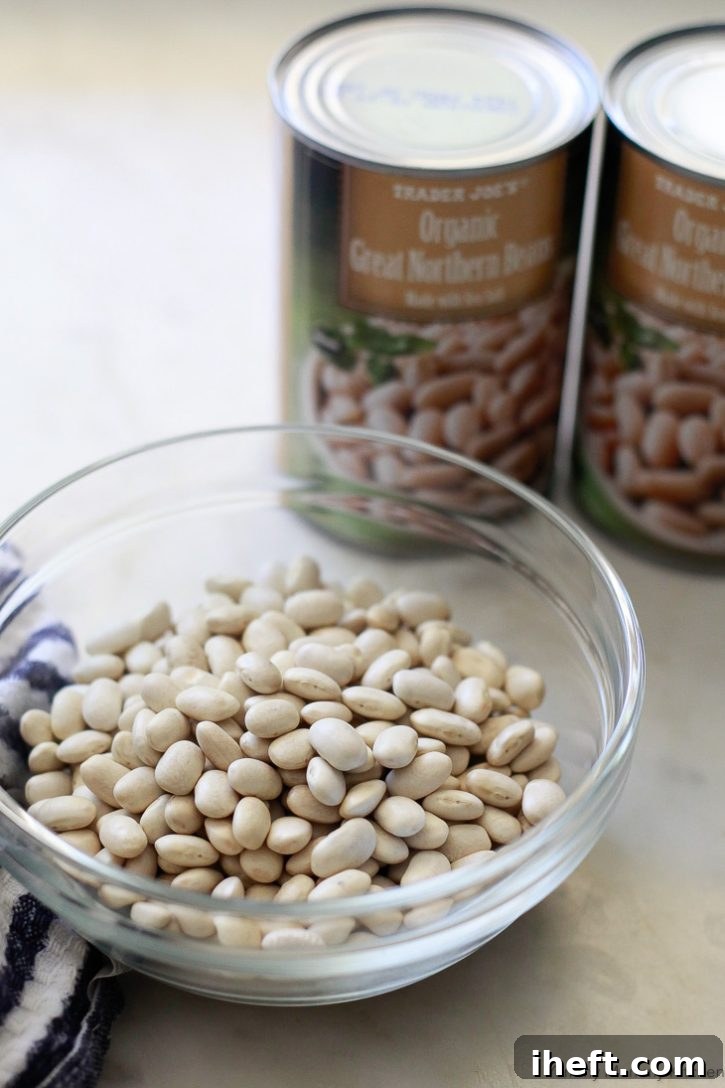
The foundation of any great baked bean dish is, of course, the beans themselves. Traditionally, the small, oval navy bean (also known as the Boston bean) is the bean of choice for its creamy texture and ability to absorb flavors. However, in this recipe, I find cannellini beans or great northern beans to be excellent alternatives. They are similar white beans, readily available, and offer a beautifully tender texture that’s perfect for this dish. Both contribute to the hearty, satisfying mouthfeel that makes baked beans so comforting.
You have a choice between starting from scratch with dried beans or opting for the convenience of canned beans. Each method has its merits:
- Using Dried Beans: For a deeper, more robust flavor and complete control over the texture, dried beans are an excellent option. You’ll need about one cup of dried beans, which will yield approximately 2-3 cans worth once cooked. The process involves an overnight soak to rehydrate them, followed by simmering them in water for 1-2 hours until they are tender but still hold their shape. This extra step is well worth the effort for the superior texture and taste it imparts. Just remember to account for the additional preparation time.
- Using Canned Beans: If you’re short on time or prefer a quicker route, 2 (15-oz.) cans of beans will work perfectly. This shortcut doesn’t compromise on flavor significantly, especially once the beans simmer in our rich, homemade sauce. The key here is to rinse and drain them thoroughly before adding them to the pot to remove excess sodium and any canning liquid that might affect the final taste.
Whichever type you choose, ensure they are thoroughly cooked before they begin to absorb the sauce. Undercooked beans will remain firm, while perfectly tender beans will soak up all the delicious seasonings, transforming into the sweet and tangy delight we crave.
Crafting the Irresistible Vegetarian Baked Beans Sauce
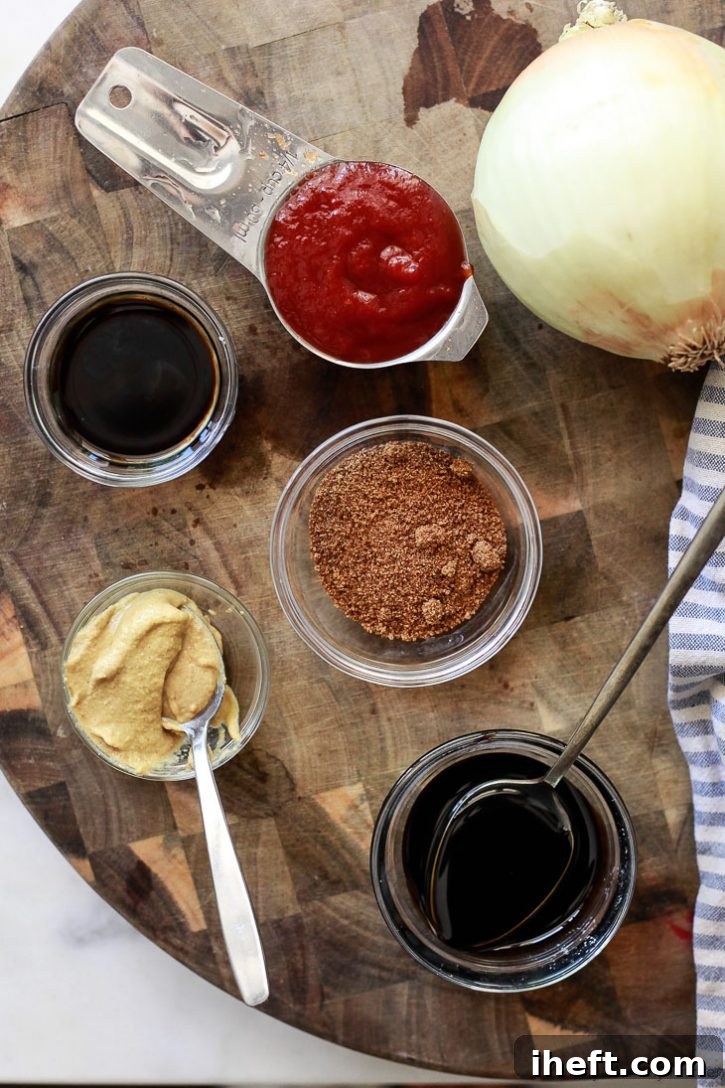
The magic of these vegetarian baked beans truly lies in their exquisite sauce, a harmonious blend of sweet, tangy, and savory notes. Each ingredient plays a crucial role in creating this iconic flavor profile:
- Yellow Onion: The aromatic base. Sautéing the diced yellow onion until tender provides a foundational sweetness and depth of flavor that complements the beans perfectly.
- Ketchup: This provides a vital tomato tang and a touch of sweetness, forming the backbone of the sauce. Choose a good quality ketchup for the best results.
- Molasses: A cornerstone of traditional baked beans, molasses (specifically, regular molasses, not blackstrap, which can be too bitter) contributes a deep, smoky sweetness and a rich, dark color. It’s essential for that classic baked bean character.
- Coconut Sugar: As a natural sweetener, coconut sugar offers a caramel-like flavor that enhances the overall sweetness without being overly cloying. It’s a great alternative to refined sugars. You can adjust the amount to your preference – I often prefer mine a little less sweet, so I might use less or even omit it entirely for a more savory profile.
- Dijon Mustard: This adds a sharp, pungent kick and a touch of acidity that brightens the sauce and balances the sweetness. It’s a subtle but crucial flavor enhancer.
- Vegetarian Worcestershire Sauce: A key ingredient for umami and complexity. Traditional Worcestershire sauce often contains anchovies, making it unsuitable for vegan or vegetarian diets. It can also contain gluten. I highly recommend seeking out a vegetarian, gluten-free brand like Robbie’s, which I’ve found at Whole Foods. This ensures your baked beans are truly plant-based and suitable for those with gluten sensitivities. If you can’t find it, a dash of apple cider vinegar combined with a pinch of smoked paprika and a drop of soy sauce (or tamari for gluten-free) can be a decent substitute for some of the flavor notes, though it won’t be identical.
- Salt and Freshly Ground Pepper: These seasonings are vital for enhancing all the other flavors and bringing the dish into perfect balance. Always taste and adjust as you go.
Combining these simple yet powerful ingredients creates a sauce that is deeply satisfying, complex, and utterly delicious. It’s a testament to how humble components can come together to create something extraordinary.
Stovetop Method: Achieving Perfection in Every Simmer
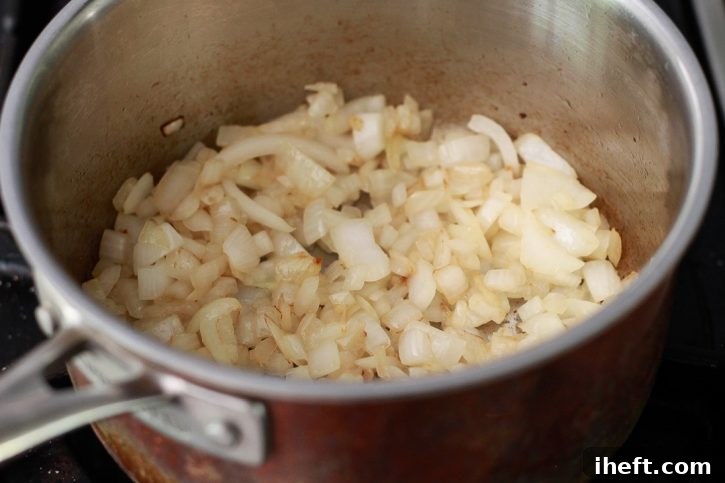
Preparing these vegetarian baked beans on the stovetop is a straightforward process that allows you to closely monitor the flavors as they develop. Here’s a detailed guide to creating this delicious dish:
- Sauté the Aromatics: Begin by heating a tablespoon of olive, avocado, or coconut oil in a medium-sized saucepan over medium heat. Once shimmering, add the diced yellow onion. Sauté the onion for about 8-10 minutes, stirring occasionally, until it becomes wonderfully tender and translucent. This step is crucial as it softens the onion and unlocks its natural sweetness, forming a flavorful base for the sauce.
- Prepare the Beans: While the onion is sautéing, drain your cooked or canned beans. If using canned beans, make sure to rinse them thoroughly to remove excess sodium. Crucially, reserve about ½ cup of the bean liquid; this will be invaluable later for adjusting the sauce consistency. If you’re using dried beans that you’ve cooked from scratch, use some of their cooking liquid.
 Whisk Up the Sauce: Once the onions are tender, add the ketchup, molasses, coconut sugar, vegetarian Worcestershire sauce, Dijon mustard, sea salt, and freshly ground pepper directly into the saucepan. Stir all these ingredients together thoroughly until a smooth, fragrant sauce forms.
- Sweetness Adjustment Tip: When it comes to sweetness, I always advise starting cautiously. You can always add more coconut sugar or molasses later, but you can’t take it out once it’s in. If you prefer your baked beans less sweet, begin with half the recommended amount of coconut sugar and molasses. Taste the sauce, and if you desire more sweetness, add the remaining amounts gradually.
- Combine and Simmer: Now, add the drained beans to the saucepan with the sauce. Stir gently to ensure all the beans are thoroughly coated. Bring the mixture to a low simmer, then reduce the heat to low and partially cover the saucepan with a lid.
- Develop the Flavors: Let the beans simmer for at least 20-30 minutes, or even longer if you have the time. The longer they simmer, the more the beans will absorb the rich flavors of the sauce, deepening in color and taste. During this time, keep an eye on the consistency of the sauce. If it becomes too thick or dry, add a little of the reserved bean water (or regular water) a tablespoon at a time until you reach your desired consistency.
- Watch the Transformation: You’ll notice the beans slowly transform from their pale white color to a rich, glossy brown as they soak up all the delectable sauce. Once the flavors have melded and the beans are tender and perfectly coated, they are ready to serve.
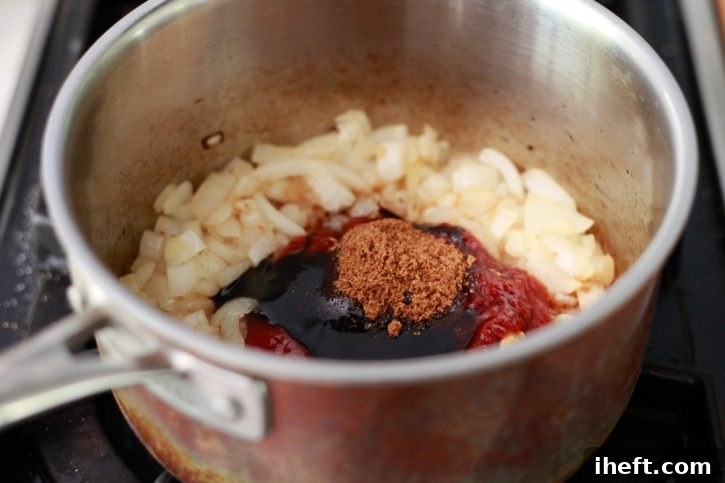 Whisk Up the Sauce: Once the onions are tender, add the ketchup, molasses, coconut sugar, vegetarian Worcestershire sauce, Dijon mustard, sea salt, and freshly ground pepper directly into the saucepan. Stir all these ingredients together thoroughly until a smooth, fragrant sauce forms.
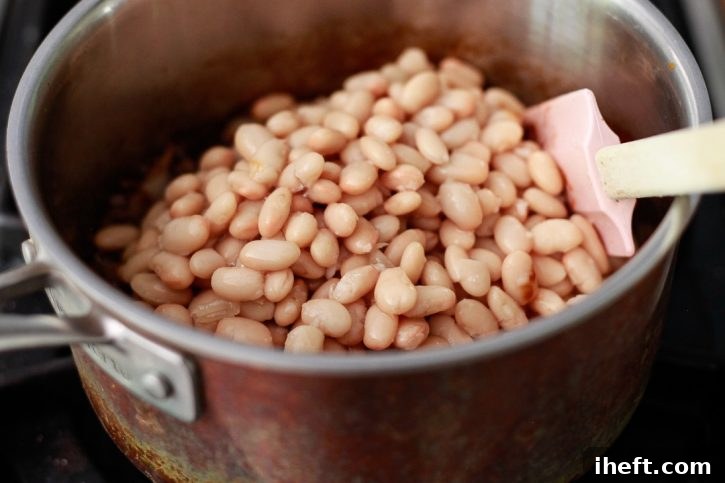 Combine and Simmer: Now, add the drained beans to the saucepan with the sauce. Stir gently to ensure all the beans are thoroughly coated. Bring the mixture to a low simmer, then reduce the heat to low and partially cover the saucepan with a lid.
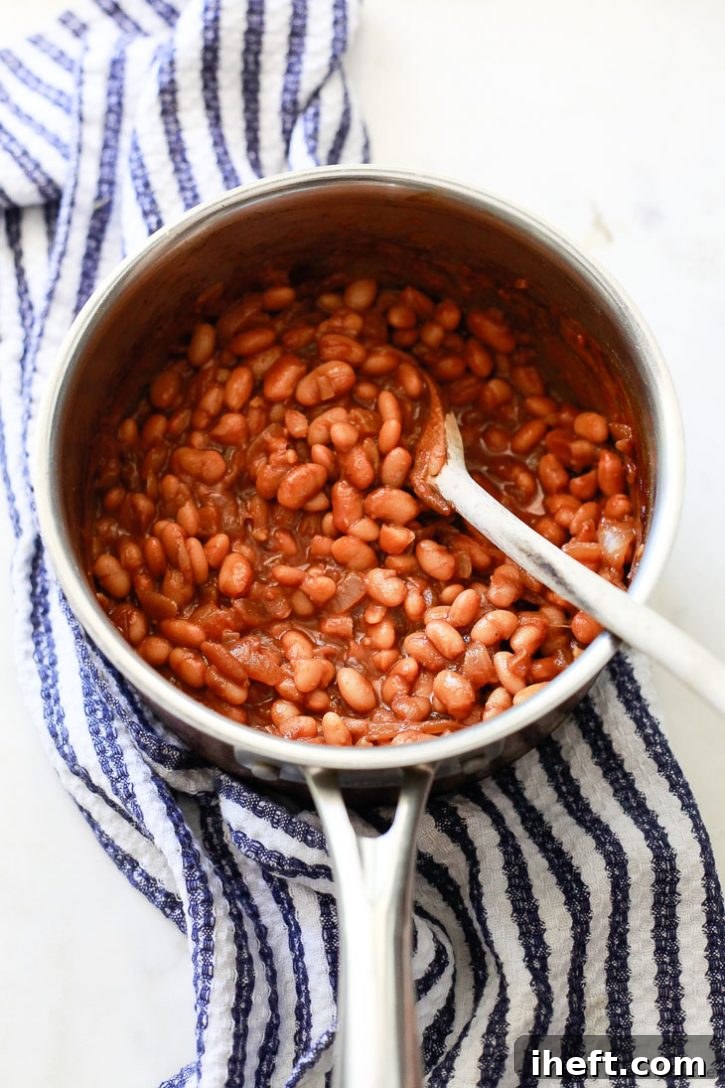 Watch the Transformation: You’ll notice the beans slowly transform from their pale white color to a rich, glossy brown as they soak up all the delectable sauce. Once the flavors have melded and the beans are tender and perfectly coated, they are ready to serve.
This stovetop method is fantastic for a weeknight dinner or when you want to achieve that perfect simmered-to-perfection consistency quickly. The aromas filling your kitchen will be absolutely divine!
Effortless Excellence: Slow Cooker Baked Beans
For those long summer days, busy schedules, or when you’re feeding a crowd at a potluck, the slow cooker (or crockpot) is an absolute game-changer for making vegetarian baked beans. It allows the flavors to meld beautifully over several hours, resulting in an incredibly rich and deeply satisfying dish with minimal hands-on effort. Here’s how to master slow cooker baked beans:
- Sauté and Combine: Start by sautéing the diced yellow onion in a little oil in a separate pan until tender, just as you would for the stovetop method. This initial step is important for developing the onion’s sweetness and aroma, which will then permeate the entire dish.
- Load the Slow Cooker: Once the onion is ready, transfer it to your slow cooker. Add the cooked beans (drained and rinsed, if canned), along with all the remaining sauce ingredients: ketchup, molasses, coconut sugar (adjusting sweetness to your preference), vegetarian Worcestershire sauce, Dijon mustard, salt, and pepper. Stir everything together well to ensure the beans are evenly coated with the sauce.
- Adjust Liquid: Add about ½ cup of the reserved bean water (or regular water) to loosen up the sauce right from the start. The slow cooker retains moisture very well, but a little extra liquid ensures the beans don’t dry out and have enough sauce to simmer in.
- Slow Cook to Perfection: Cover the slow cooker and cook on the “low” setting for 6-8 hours. The longer cooking time on low heat allows the flavors to deepen and the beans to become incredibly tender, soaking up every last bit of that delicious sauce. If you’re pressed for time, you can cook on “high” for 3-4 hours, but “low” is always preferred for flavor development.
- For Dried Beans in the Slow Cooker: If you’re starting with dried beans, you’ll need to pre-boil them until tender before adding them to the slow cooker. Soak them overnight, then boil for 1-2 hours until they are soft enough to eat but still slightly firm. Once tender, drain them (reserving some liquid) and then add them to the slow cooker with the sautéed onion and all other sauce ingredients. Cook on low for about 6-8 hours, adding ½ cup of bean water or regular water as needed to maintain sauce consistency.
- Serve Hot: Once cooking is complete, give the beans a final stir and serve them hot. The slow cooker is also excellent for keeping the beans warm for extended periods, making it ideal for parties and potlucks where guests might be grazing over several hours.
The slow cooker method results in incredibly tender beans swimming in a rich, deeply flavored sauce – a testament to the magic of slow cooking. It’s a truly set-it-and-forget-it way to achieve gourmet-quality vegetarian baked beans.
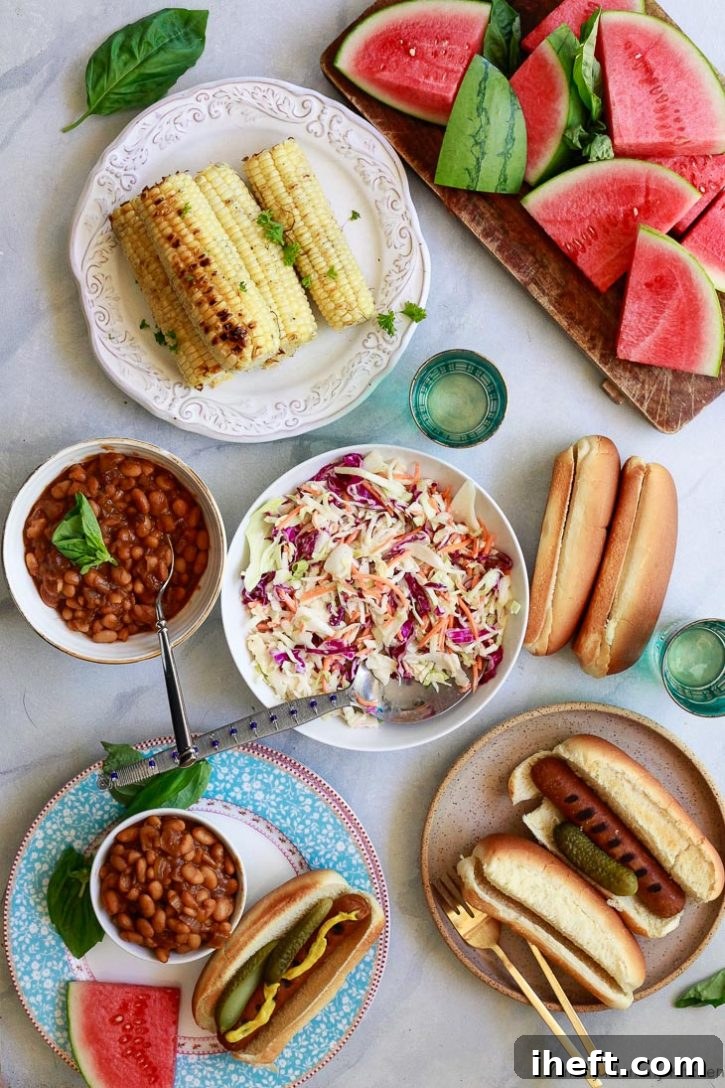
Beyond the BBQ: Serving Suggestions for Vegetarian Baked Beans
While these homemade vegetarian baked beans are undoubtedly a star at any summer BBQ, their versatility extends far beyond grilled gatherings. Their sweet and tangy profile makes them an excellent companion to a wide array of meals. Here are some ideas to inspire your next serving:
- Classic BBQ Pairing: Alongside veggie burgers, grilled corn on the cob, vegan coleslaw, and other grilled vegetables like our Veggie Kabobs.
- Hearty Brunch or Breakfast: Serve them with scrambled tofu, toast, and perhaps some roasted potatoes for a full, satisfying plant-based breakfast or brunch spread.
- Weeknight Comfort Meal: Pair them with cornbread, a simple green salad, or a side of steamed greens for a comforting and nutritious weeknight dinner.
- Loaded Potatoes or Nachos: Spoon warm baked beans over baked potatoes, sweet potatoes, or even crispy tortilla chips for a unique and delicious twist on loaded meals. Top with vegan cheese, fresh cilantro, and a dollop of vegan sour cream.
- Sandwich or Wrap Filler: Mash them lightly and use them as a hearty filling for sandwiches or wraps, perhaps with some fresh avocado and crisp lettuce.
- Alongside Other Salads: They complement fresh, vibrant salads beautifully. Consider serving them with a Chickpea Greek Salad or a Spinach Salad with Strawberries for a balanced meal.
- Global Fusion: Don’t limit yourself to American pairings. These beans can complement dishes from around the world, from wraps to rice bowls.
The possibilities are truly endless for incorporating these delicious homemade vegetarian baked beans into your meal rotation. Their rich flavor and satisfying texture make them a welcome addition to almost any plate.
More Vegetarian Summer BBQ Recipes
If you’re planning a full plant-based feast, be sure to explore these other fantastic recipes that pair wonderfully with our vegetarian baked beans:
- Veggie Kabobs: Colorful and flavorful, perfect for grilling.
- Watermelon & Feta Bites: A refreshing and unexpected appetizer.
- Vegan Coleslaw: Creamy and crunchy, a BBQ must-have.
- Chickpea Greek Salad: A healthy, protein-packed option.
- Fresh Salsa: Bright and zesty, ideal for dipping.
- Guacamole 4 Ways: Everyone’s favorite dip, with creative twists.
- Spinach Salad with Strawberries: A delightful blend of sweet and savory.
- Quinoa Salad with Black Beans and Peaches: A unique and flavorful salad.
- Watermelon Frozen Rosé: A cooling adult beverage for warm days.
- Vegan Key Lime Pie: A tangy and sweet dessert to end your meal.
Vegetarian Baked Beans
5 minutes
30 minutes
35 minutes
Experience the joy of easy and delicious classic vegetarian baked beans, prepared effortlessly on your stovetop or in a slow cooker. This recipe is a perfect vegan, vegetarian, and gluten-free delight.
Ingredients
- 1 tablespoon olive, avocado, or coconut oil
- 2 (15-oz.) cans great northern beans (or 1 cup dried, soaked & cooked)
- 1 yellow onion, diced
- 1/4 cup ketchup
- 1 tablespoon vegetarian Worcestershire sauce (gluten-free and vegan, like Robbie’s brand)
- 1 tablespoon Dijon mustard
- 1-2 tablespoons coconut sugar (adjust to taste)
- 1 tablespoon molasses (not blackstrap)
- 1 teaspoon sea salt
- 1/4 teaspoon freshly ground pepper
Instructions
- Heat the oil over medium heat in a medium-sized saucepan. Add the diced onion and sauté until tender and translucent, about 8-10 minutes.
- Drain the cooked or canned beans but be sure to reserve about 1/2 cup of the liquid. This liquid will be used to adjust the sauce consistency if needed.
- To the saucepan with the softened onions, add the ketchup, vegetarian Worcestershire sauce, Dijon mustard, coconut sugar, molasses, sea salt, and freshly ground pepper. Stir thoroughly to combine all the ingredients into a smooth sauce. Note on Sweetness: Start with 1 tablespoon of coconut sugar and 1/2 tablespoon of molasses if you prefer less sweetness. You can always add more later after tasting, but it’s hard to reduce once added.
- Add the drained beans to the saucepan and stir them into the sauce until they are fully coated. Bring the mixture to a low simmer, then partially cover the saucepan with a lid. Simmer gently for at least 20-30 minutes to allow the flavors to deepen and the beans to absorb the rich sauce. If the sauce becomes too thick, add more of the reserved bean water or regular water, a tablespoon at a time, until the desired consistency is reached.
Notes
Slow Cooker Instructions: First, sauté the diced onion in a separate pan until tender. Transfer the sautéed onion to your slow cooker along with the cooked/canned beans and all the other sauce ingredients (ketchup, vegetarian Worcestershire, Dijon, coconut sugar, molasses, salt, and pepper). Stir everything well. Add about 1/2 cup of the reserved bean water or regular water to ensure sufficient liquid for simmering. Cook on low for 6-8 hours, or until the beans are hot, tender, and the flavors have fully developed. If using dried beans (pre-soaked), boil them for 1-2 hours until tender before adding to the slow cooker and cooking on low for 6-8 hours.
Nutrition Information:
Yield: 6
Serving Size: 1
Amount Per Serving:
Calories: 141Total Fat: 6gSaturated Fat: 2gTrans Fat: 0gUnsaturated Fat: 3gCholesterol: 0mgSodium: 553mgCarbohydrates: 20gFiber: 4gSugar: 10gProtein: 3g