Quick Bloom Cupcakes
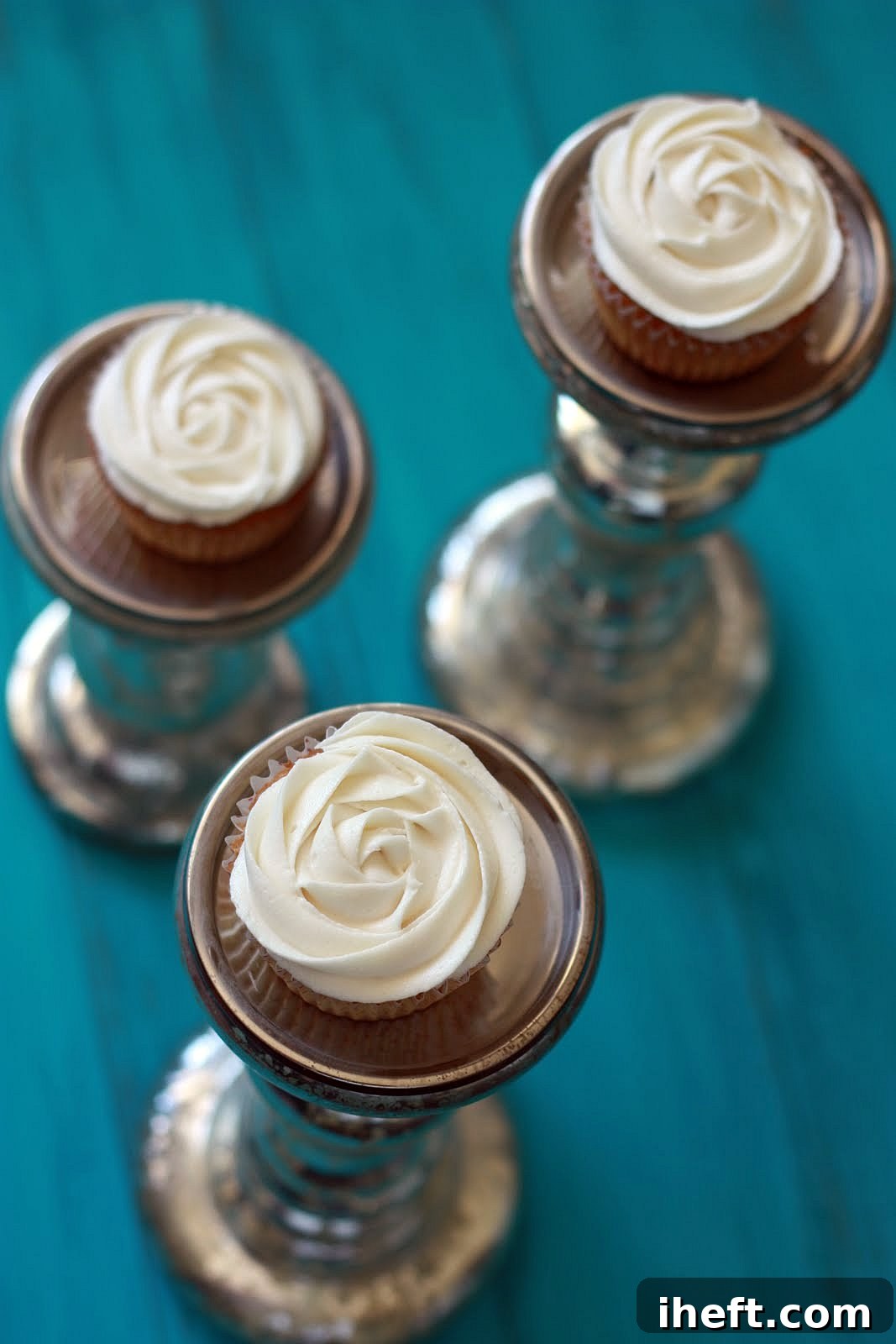
Mastering the Art of Rose Frosting: Elegant Cupcakes with Magnolia Bakery’s Classic Vanilla Recipe
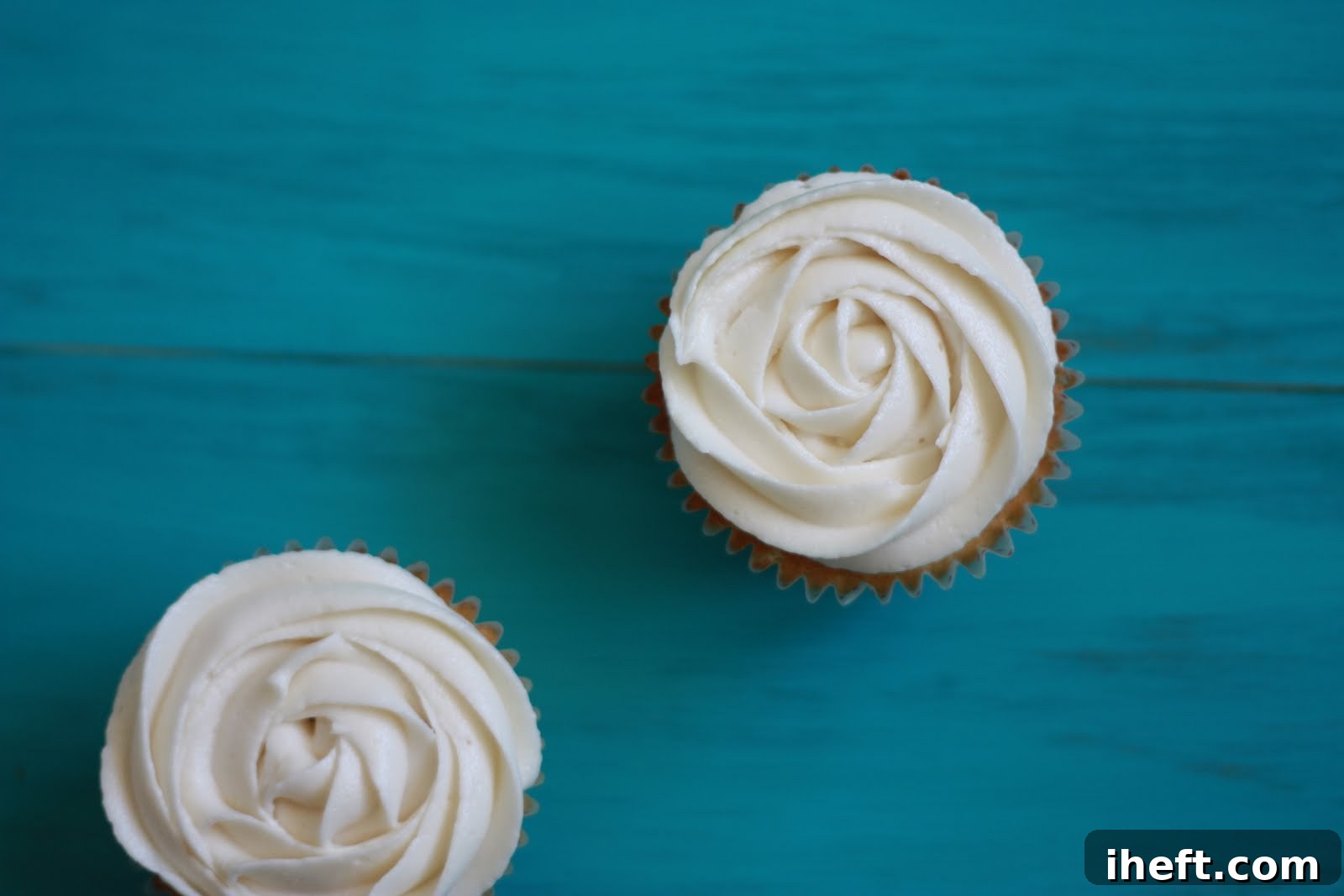
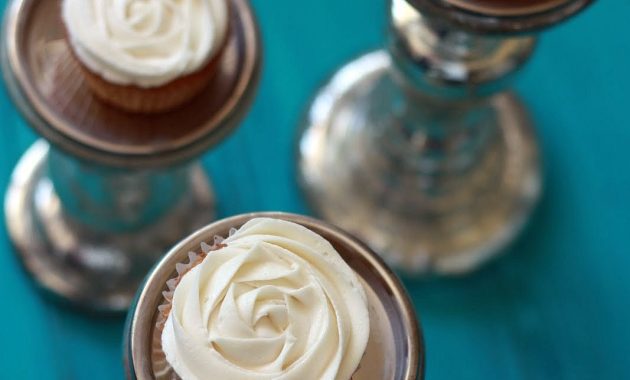
Remember the breathtaking rose cake that captivated everyone with its simple yet sophisticated frosting technique? We’re thrilled to reveal that this same ridiculously easy method, which produces such a fancy and professional finish, works absolutely wonders on cupcakes too! If you’re looking to elevate your dessert game without spending hours in the kitchen, this rose frosting technique is an absolute must-try.
This past weekend, I had the delightful opportunity to contribute to a bake sale table at a GSF fundraiser. Fundraisers often demand treats that are both visually appealing and delicious, capable of drawing attention and encouraging generous contributions. With the need to quickly whip up a large batch of cupcakes that looked impressive and tasted heavenly, the rose frosting technique immediately came to mind. It offers such a refreshing and elegant change from the typical swirled frosting, even when using the very same piping tip. It’s a secret weapon for creating stunning desserts that look far more complex than they actually are.
Whether you’re preparing for a special occasion, a charity event, or simply want to impress guests with homemade delights, these rose-frosted cupcakes are guaranteed to be a hit. Not only do they look like miniature works of art, but they’re also incredibly fun to make. Let’s dive into how you can achieve this gorgeous effect and bake the most delicious vanilla cupcakes to go with them, using a recipe from a truly iconic bakery.
What You’ll Need for Perfect Rose Frosting
Gathering your tools and ingredients before you begin is key to a smooth and enjoyable decorating experience. Here’s a comprehensive list to get started:
- 1 Batch of Baked & Cooled Cupcakes: Ensure your cupcakes are completely cool before you even think about frosting them. Warm cupcakes will cause your frosting to melt and slide right off, ruining your beautiful rose design.
- 1 Batch of Stiff Frosting: The consistency of your frosting is paramount for successful rose piping. It needs to be stiff enough to hold its intricate shape without drooping or losing definition. A classic American buttercream or a cream cheese frosting (if firm enough) works wonderfully. We’ll be using a fantastic vanilla buttercream recipe below that’s perfect for this technique.
- Wilton 1M Open Star Icing Tip: This is the star of the show! The 1M tip is incredibly versatile and creates stunning star, swirl, and, of course, rose patterns with ease. It’s readily available at most craft stores, specialty baking shops, or conveniently online. You can find it on Amazon (click image for direct link). Invest in a good quality tip; it will be a staple in your baking arsenal.
- Pastry Bag or Sturdy Ziploc Bag: A good quality reusable pastry bag is ideal for consistent piping, but a sturdy gallon-sized Ziploc bag with a corner snipped off can work in a pinch for a casual baker. Ensure whatever bag you use is robust enough to handle the pressure of piping stiff frosting.
- Large Glass: Useful for holding your pastry bag upright while you fill it with frosting, keeping your hands clean and minimizing mess.
- Food Coloring (Optional): If you desire colored roses, gel food coloring is recommended as it won’t thin out your frosting like liquid dyes can.
Directions for Piping Exquisite Rose Frosting
This technique is surprisingly straightforward and incredibly forgiving, making it perfect for beginners and seasoned bakers alike. Follow these steps for beautiful rose-frosted cupcakes every time:
- Prepare Your Piping Bag: If using a disposable pastry bag, place the 1M tip into the narrow end of the bag. Push it down firmly until about half of the tip emerges from the opening. Snip off the very end of the bag just enough so that the tip fits snugly through the hole. If using a reusable bag, follow the same procedure or use a coupler for easier tip changes.
- Fill the Bag: Open the pastry bag wide and place it into a large glass, folding the top edges over the rim. This creates a stable opening, making it much easier to spoon your prepared frosting into the bag without getting frosting all over the edges. Fill the bag about two-thirds full to prevent overflow and allow for better control. Twist the top of the bag to seal the frosting and prevent it from squeezing out the wrong end.
- Position the Tip: Hold the piping bag directly over the center of a cooled cupcake, with the 1M tip slightly above the surface. Apply gentle, consistent pressure to the bag.
- Start the Spiral: Begin piping a small circle in the very center of the cupcake. This forms the tight “bud” of your rose.
- Expand Outwards: Without lifting the tip, continue piping in a spiral motion, working outwards from your initial center circle. Overlap your frosting slightly as you go, creating the look of unfurling petals. Maintain steady pressure and a consistent pace for the most uniform results.
- Complete the Rose: Continue the spiral until you reach the edge of the cupcake. Once you’ve completed your desired rose shape, stop applying pressure and quickly lift the tip away to create a clean finish.
- Practice Makes Perfect: Don’t be discouraged if your first few roses aren’t flawless! The beauty of this technique is its simplicity. Practice on a piece of parchment paper or a plate; you can even scrape the frosting back into the bag and reuse it until you get the hang of it. You’ll be creating stunning floral designs in no time!
It doesn’t get any simpler than that for such an elegant result! The 1M tip is truly a game-changer for cupcake decorating.
The Perfect Pairing: Magnolia Bakery’s Legendary Vanilla Cupcakes & Frosting
For my bake sale, I wanted a flavor combination that would appeal to absolutely everyone, a true crowd-pleaser that evokes comfort and nostalgia. That’s why I chose to make the classic Vanilla Cupcakes with Vanilla Frosting, utilizing the incredibly famous and beloved recipe from Magnolia Bakery. Their Vanilla-Vanilla is renowned for a reason – it’s consistently their best seller, and for good reason! The moist, tender crumb of their vanilla cupcake paired with their signature, rich vanilla frosting is simply irresistible.
This recipe has earned its place as a quintessential American classic. It delivers a perfect balance of sweetness and rich vanilla flavor, making it the ideal canvas for our beautiful rose frosting. Plus, the slight density of the cupcake holds up perfectly to a generous dollop of buttercream. Preparing these from scratch truly makes a difference, offering a homemade taste that store-bought versions simply can’t match. You can find a printable version of this recipe here for your convenience!
Magnolia’s Classic Vanilla Cupcake Recipe
(Recipe adapted from foodnetwork.com)
Cupcake Ingredients:
- 1 1/2 cups self-rising flour
- 1 1/4 cups all-purpose flour
- 1 cup (2 sticks) unsalted butter, softened to room temperature
- 2 cups granulated sugar
- 4 large eggs, also at room temperature
- 1 cup whole milk
- 1 teaspoon pure vanilla extract (use good quality for best flavor)
For the Icing:
- Vanilla Buttercream (recipe follows immediately after cupcake directions)
Cupcake Baking Directions
Step 1: Prepare Your Oven and Muffin Tins. Preheat your oven to 350 degrees F (175 degrees C). Line two standard 12-cup muffin tins with paper cupcake liners. This recipe typically yields about 24 cupcakes.
Step 2: Combine Dry Ingredients. In a medium bowl, whisk together the self-rising flour and all-purpose flour until well combined. This ensures the leavening agents are evenly distributed throughout the batter. Set this aside for later.
Step 3: Cream Butter and Sugar. In a large mixing bowl, using an electric mixer set to medium speed, cream the softened unsalted butter until it is smooth and light. Gradually add the granulated sugar, beating continuously for about 3 minutes until the mixture is light, fluffy, and pale in color. This creaming process incorporates air, which contributes to the cupcakes’ tender texture.
Step 4: Incorporate Eggs. Add the large eggs to the butter-sugar mixture, one at a time. Beat well after each addition, ensuring each egg is fully incorporated before adding the next. Scrape down the sides of the bowl as needed to ensure everything is evenly mixed.
Step 5: Alternate Wet and Dry Ingredients. In three separate additions, gradually add the dry flour mixture to the wet ingredients, alternating with the milk and vanilla extract. Begin and end with the dry ingredients. With each addition, beat on low speed just until the ingredients are incorporated. Be careful not to overmix the batter, as this can lead to tough cupcakes. Overmixing develops the gluten too much.
Step 6: Final Mix and Fill Liners. Using a rubber spatula, give the batter a final gentle scrape down from the sides and bottom of the bowl to ensure all ingredients are well blended. Carefully spoon the batter into the prepared cupcake liners, filling each about three-quarters full. This allows room for them to rise without overflowing.
Step 7: Bake. Bake for 20 to 25 minutes, or until a wooden skewer or cake tester inserted into the center of a cupcake comes out clean. The tops should be lightly golden and spring back when gently touched.
Step 8: Cool Completely. Allow the cupcakes to cool in their tins for about 15 minutes before carefully removing them. Transfer them to a wire rack to cool completely. This crucial step prevents them from becoming soggy and ensures your frosting will adhere beautifully without melting.
Magnolia Bakery’s Vanilla Buttercream Recipe
- A Note on Vanilla Buttercream: The delectable vanilla buttercream used at Magnolia Bakery, and shared here, is technically an old-fashioned confectioners’ sugar and butter frosting, often referred to as American buttercream. It’s distinctly different from traditional meringue-based buttercreams but delivers an undeniably rich, sweet, and creamy texture that perfectly complements the vanilla cupcakes. Be sure to beat the icing for the full amount of time specified in the recipe to achieve its signature creamy and airy consistency. This extended beating incorporates air, making it wonderfully fluffy and easy to pipe.
Buttercream Ingredients:
- 1 cup (2 sticks) unsalted butter, completely softened to room temperature
- 6 to 8 cups confectioners’ sugar (powdered sugar), sifted if clumpy
- 1/2 cup whole milk
- 2 teaspoons pure vanilla extract
- Optional: A few drops of gel food coloring for vibrant hues
Buttercream Preparation Directions
Step 1: Cream the Butter. Place the softened butter in a large mixing bowl. Using an electric mixer on medium speed, beat the butter for 1-2 minutes until it is smooth and creamy. Ensure there are no lumps.
Step 2: Combine Initial Ingredients. Add 4 cups of the confectioners’ sugar to the butter, followed by the milk and vanilla extract. Starting on low speed to avoid a sugar cloud, gradually increase to medium speed. Beat the mixture until it is smooth and wonderfully creamy, which typically takes about 3 to 5 minutes. Scrape down the sides of the bowl frequently to ensure all ingredients are well incorporated.
Step 3: Adjust Consistency. Gradually add the remaining confectioners’ sugar, about 1 cup at a time, beating well after each addition for approximately 2 minutes. Continue this process until the icing reaches your desired thick and pipeable consistency. You may not need to use all 8 cups of sugar, or you might need a little more; adjust based on the humidity and your preference. The frosting should be stiff enough to hold its shape for piping roses.
Step 4: Add Color (Optional). If you wish to color your frosting, add a few drops of gel food coloring at this stage. Mix thoroughly on low speed until the color is evenly distributed and vibrant. Gel colors are best as they don’t add excess liquid.
Step 5: Storage and Usage. This icing is best used and stored at room temperature, as it will set and become very firm if chilled. If it becomes too stiff while piping, you can beat it for a minute or two to loosen it slightly. Leftover icing can be stored in an airtight container for up to 3 days. If chilled, allow it to come to room temperature and re-whip it before use.
Yield: This recipe yields enough luscious buttercream to generously frost approximately 2 dozen cupcakes or cover one 9-inch layer cake. You’ll have plenty for your beautiful rose designs!
Tips for Success and Variations
- Room Temperature Ingredients: For both cupcakes and frosting, ensuring your butter and eggs are at room temperature is crucial. This allows them to emulsify properly, creating a smoother batter and creamier frosting.
- Don’t Overmix: While beating is essential for aeration, overmixing gluten-containing flour can lead to tough baked goods. Mix just until combined for the cupcakes.
- Quality Vanilla: Since vanilla is the star flavor, use a good quality pure vanilla extract for both the cupcakes and the frosting. It makes a noticeable difference.
- Coloring Your Roses: To create a stunning ombré effect or a garden of different colored roses, divide your buttercream into separate bowls and tint each with a different gel food coloring. Pink, lavender, yellow, and green can create a lovely pastel palette.
- Cupcake Variations: While vanilla is a classic, feel free to experiment with other cupcake flavors. Chocolate, lemon, or even a subtle almond cupcake could be equally delightful with a rose frosting. Just ensure the cupcake recipe yields a sturdy base.
- Garnishes: A sprinkle of edible glitter, a small edible pearl, or a few sugar leaves can add an extra touch of sophistication to your finished rose cupcakes.
Creating these rose-frosted cupcakes is a truly rewarding experience, offering both visual beauty and incredible flavor. Whether you’re baking for a special event or simply indulging a craving, this recipe and decorating technique will undoubtedly become a treasured favorite in your kitchen. Enjoy the process of bringing these delightful edible roses to life!