Delicious Homemade Baked Donuts
The Irresistible Allure of Homemade Baked Donuts: A Journey to Culinary Perfection
In the evolving landscape of sweet treats, donuts have transcended their humble origins to become a true culinary sensation. Move over cupcakes and macarons; the donut reigns supreme, captivating palates with its endless variations. While the traditional fried donut holds a special place in many hearts, there’s a growing appreciation for its lighter, often more customizable, baked counterpart. For those of us who cherish the rich flavor and tender crumb of a donut but shy away from the greasy aftermath of deep-frying, baking presents the perfect solution. This journey into homemade baked donuts is not just about a recipe; it’s about embracing a healthier approach without sacrificing a single ounce of deliciousness.
The thought of baking my own donuts was incredibly exciting, promising a fresh take on a beloved classic. And I’m sure if you’re a staunch supporter of the traditional fried variety, you might be skeptical. While there’s no denying the deliciousness of a perfectly fried donut, the heavy, fat-laden texture often leaves me feeling a bit queasy. It’s a sensory experience that, for me, can quickly shift from delight to discomfort. Baking, however, transforms the donut into something altogether different – lighter, airier, and a canvas for endless flavor creativity.
The Quest for the Perfect Baked Donut Recipe: From Inspiration to Innovation
My quest for the ultimate baked donut began with a discovery from a truly inspiring source: 101 Cookbooks. Heidi’s original recipe, coated in a comforting cinnamon sugar, immediately caught my eye. It provided a robust foundation, yet I was keen to infuse it with a brighter, more vibrant essence, something that echoed the fresh, lively spirit of summer. This led to my first creative adaptation: omitting the nutmeg and replacing it with the aromatic seeds from a single vanilla bean. The subtle floral notes of vanilla promised to elevate the donut’s flavor profile, making it a perfect complement to lighter fruit glazes.
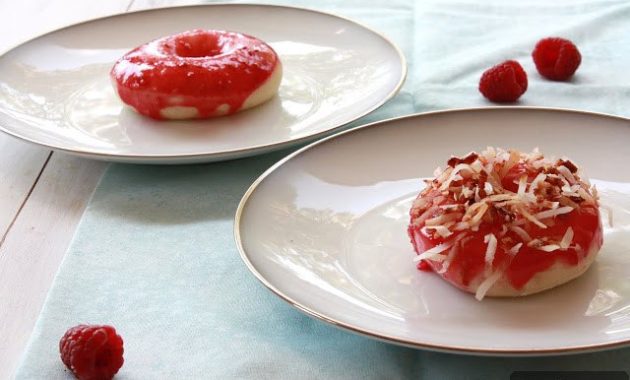
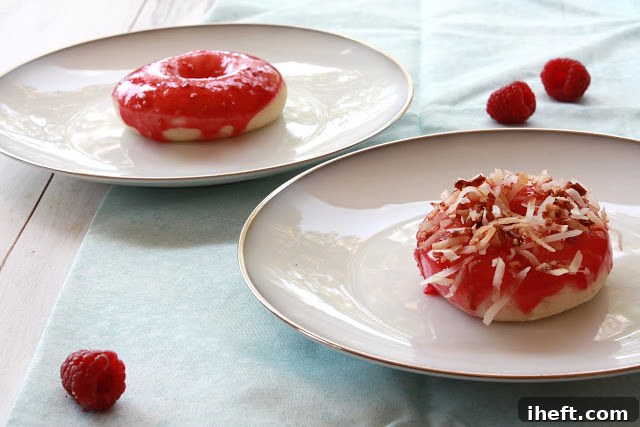
With the dough perfected, my next venture was into the realm of glazes. Driven by that summery vibe, I envisioned a fresh raspberry glaze. My initial attempt involved pureed raspberries, powdered sugar, and a squeeze of lemon juice. The result was undeniably beautiful and bursting with fresh flavor. However, despite its visual appeal and delicious taste, it never quite achieved the firm, set consistency I was hoping for. It was a wonderful learning experience, reminding me that even in baking, not every experiment yields perfect results on the first try. But that’s part of the fun – adapting, learning, and refining.
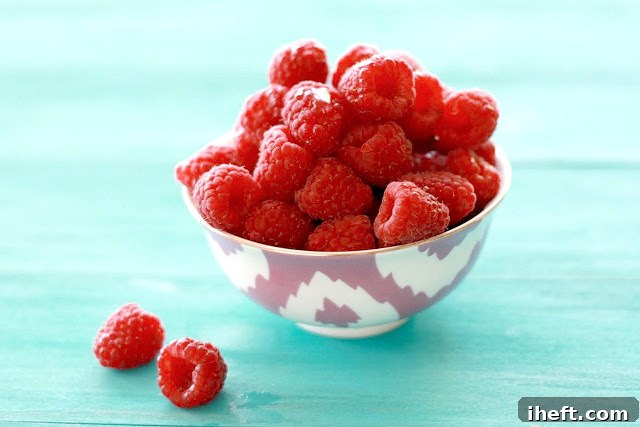
The beauty of homemade treats lies in this continuous pursuit of perfection. While my first raspberry glaze didn’t set as desired, its flavor was a revelation. It taught me invaluable lessons about the delicate balance between fruit content, sugar, and setting agents. Rest assured, I’ve since found a more reliable raspberry glaze recipe that promises both vibrant taste and a beautiful, stable finish, which I’ll gladly share later in this guide. The journey to culinary mastery is paved with such delightful trials and delicious triumphs.
Mastering the Art of Baked Donut Making: Tips for Success
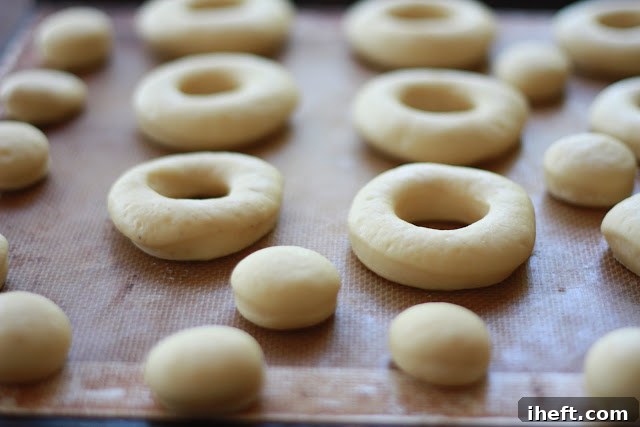
Donuts about to go into the oven
One crucial characteristic of baked donuts, distinct from their fried counterparts, is their tenderness. Because they aren’t deep-fried, they tend to remain tender for a shorter period. This isn’t a drawback but rather a charming feature, emphasizing that these delectable treats are best enjoyed shortly after they emerge from the oven, still warm and wonderfully soft. There’s truly nothing quite like a freshly baked donut, its aroma filling your kitchen and its tender crumb melting in your mouth.
This ephemeral quality means that baked donuts are perfect for immediate indulgence. While they can be stored in an airtight container for a day or two, their peak deliciousness is undeniably right after baking. This makes them ideal for weekend breakfasts, special brunches, or an afternoon treat enjoyed with family and friends. For this particular recipe, classic toppings like a rich chocolate glaze or a comforting cinnamon sugar coating work exceptionally well, enhancing the donut’s inherent sweetness and soft texture. And speaking from experience, the addition of toasted coconut flakes adds an irresistible crunch and a tropical note that truly elevates the experience.
The magic of baking donuts lies in the hands-on process – from activating the yeast to shaping each perfect ring. It’s a therapeutic and rewarding experience that culminates in a treat far superior to anything store-bought, brimming with homemade love and freshness. Let’s dive into the recipe that will guide you to these fluffy, delightful creations.
The Ultimate Baked Donut Recipe: Soft, Fluffy, and Utterly Delicious
Crafting the perfect baked donut starts with a balanced recipe and attention to detail. This yeast-risen dough yields light, airy donuts with a tender crumb, ready to be adorned with your favorite glazes and toppings. Prepare to impress your taste buds and loved ones with this incredible homemade treat.
Ingredients: Crafting the Perfect Dough
Each ingredient plays a vital role in achieving that desirable texture and flavor. Using fresh ingredients is key to the success of your donuts.
- 1 1/3 cups warm milk, 95 to 105 degrees F (divided) – The perfect temperature is crucial for yeast activation.
- 1 packet active dry yeast (2 1/4 teaspoons) – Ensure your yeast is fresh and active.
- 2 tablespoons unsalted butter, softened – Adds richness and tenderness to the dough.
- 2/3 cup granulated sugar – Sweetens the dough and feeds the yeast.
- 2 large eggs – Contributes to moisture, richness, and structure.
- 5 cups all-purpose flour (Note: White whole wheat flour can also be used for a slightly healthier alternative, though it may result in a denser texture.) – Provides the main structure of the donut.
- A pinch or two of freshly grated nutmeg (for a traditional flavor, or substitute with the seeds from one vanilla bean for a brighter, summery twist) – Enhances the overall aroma.
- 1 teaspoon fine grain sea salt – Balances the sweetness and strengthens the gluten.
Instructions: Step-by-Step Guide to Fluffy Perfection
- Activate the Yeast: In the bowl of your electric stand mixer, pour 1/3 cup of the warm milk. Sprinkle the active dry yeast over the milk and let it sit for about five to ten minutes. You’ll know the yeast is active when it becomes foamy and fragrant, indicating it’s alive and ready to work. Ensure your milk is not too hot, as this can kill the yeast and prevent your dough from rising.
- Combine Wet Ingredients: In a separate small bowl, melt the butter and stir in the remaining 1 cup of warm milk and the granulated sugar until the sugar is dissolved. Add this mixture to the activated yeast mixture in the mixer bowl.
- Initial Dough Mixing: Using a fork, gently stir in the eggs, all-purpose flour, nutmeg (or vanilla bean seeds), and sea salt into the wet ingredients. Mix just until the flour is mostly incorporated and a shaggy dough forms.
-
Knead the Dough: Attach the dough hook to your stand mixer. Begin beating the dough at medium speed for several minutes, typically 5-7 minutes. This is where you’ll need to observe and adjust:
- If your dough appears overly sticky and isn’t pulling away from the sides of the bowl, add flour one tablespoon at a time until it reaches the desired consistency.
- If the dough seems too dry or stiff, add milk a teaspoon at a time until it becomes more pliable.
The goal is to achieve a dough that pulls cleanly away from the sides of the mixing bowl and eventually becomes supple, smooth, and elastic.
- First Rise (Bulk Fermentation): Turn the dough out onto a lightly floured countertop. Knead it a few times by hand – it should be barely sticky. Shape the dough into a smooth ball. Transfer the dough to a lightly buttered or oiled bowl, turning it once to coat. Cover the bowl with plastic wrap or a clean kitchen towel. Place it in a warm spot (a good trick is to turn your oven on for a minute or two, then turn it off, and place the bowl on top of the warm oven) and let it rise for about an hour, or until the dough has roughly doubled in size.
- Shape the Donuts: Once the dough has risen, gently punch it down to release the air. Lightly flour your countertop and roll the dough out to about a 1/2-inch thickness. Most home bakers, myself included, don’t have a dedicated donut cutter. Instead, use a 2-3 inch round cookie cutter to stamp out the donut shapes. Carefully transfer these circles to a parchment-lined baking sheet, spacing them a couple of inches apart. Now, using a smaller round cutter (like a piping tip, a small bottle cap, or even a thimble), stamp out the smaller inner circles to create the classic donut hole. It’s crucial to cut the inner holes after transferring the larger circles to the baking sheet, as cutting them earlier can distort their shape when you move them.
- Second Rise (Proofing): Loosely cover the shaped donuts on the baking sheet with a clean cloth. Allow them to rise for another 45 minutes. This second rise will make them light and fluffy.
- Baking: Preheat your oven to 375 degrees F (190 degrees C). Bake the donuts for 8 to 10 minutes, or until their bottoms are just golden brown. Start checking around the 8-minute mark to prevent overbaking. The tops might not be deeply golden, but the bottoms will give you a good indication of doneness.
Yield: This recipe typically makes 1 1/2 – 2 dozen medium-sized donuts, perfect for sharing or savoring!
Original recipe inspiration from 101 Cookbooks.
Dazzling Glazes and Toppings: Elevating Your Baked Donuts to New Heights
The beauty of baked donuts truly shines when they’re adorned with a fantastic glaze or coating. From classic sugar finishes to decadent chocolate, the possibilities are endless. Here are a few tried-and-true favorites, including an improved raspberry glaze, to make your homemade donuts truly shine.
Classic Cinnamon Sugar Coating
Simple, timeless, and utterly comforting, a cinnamon sugar coating is a perfect choice for showcasing the tender texture of your baked donuts. It’s an easy, quick finish that allows the donut’s inherent flavor to take center stage.
Cinnamon Sugar (Inspired by 101 Cookbooks)
- 1/2 cup unsalted butter, melted
- 1 1/2 cups granulated sugar
- 1 tablespoon ground cinnamon
Instructions:
- While your donuts are still baking or have just come out of the oven, prepare your coating stations. Place the melted butter in one shallow bowl and combine the granulated sugar and ground cinnamon thoroughly in a separate, wider shallow bowl.
- Once the donuts have cooled for just a minute or two (they should still be warm but not hot), dip each one individually into the melted butter, ensuring it’s fully coated. The warmth of the donut helps the butter adhere.
- Immediately transfer the butter-dipped donut to the cinnamon sugar mixture. Toss gently but quickly to coat all sides evenly.
- Serve warm and enjoy this quintessential donut experience, enhanced by the comforting aroma of cinnamon and sugar.
Rich Chocolate Glaze
For the chocolate lovers, this glaze offers a luxurious, decadent finish. It’s incredibly easy to make and transforms your simple baked donuts into a gourmet treat that’s hard to resist.
Decadent Chocolate Glaze
- 1/2 cup heavy cream
- 8 ounces good quality semisweet chocolate chips (or finely chopped chocolate bar for a smoother melt)
Instructions:
- Using a double boiler, or a heatproof bowl set over a saucepan of simmering water (ensure the bowl does not touch the water), combine the heavy cream and chocolate chips.
- Stir continuously and gently until the chocolate is completely melted and the mixture is smooth, glossy, and uniform.
- Remove the bowl from the heat. Allow the glaze to cool slightly to a dipping consistency. Dip the warm (but not hot) donuts into the chocolate glaze, allowing any excess to drip off. For an extra touch of flair, you can sprinkle with chopped nuts, sprinkles, or a drizzle of white chocolate before the glaze fully sets.
Vibrant Raspberry Glaze (The Improved Version)
This improved raspberry glaze offers a beautiful color, bright fruity flavor, and a better setting consistency, making it ideal for a fresh, summery donut. The lemon adds a perfect zesty counterpoint to the sweet raspberries.
Perfect Raspberry Glaze (Adapted from Bon Appetit)
- 1 1/2 cups powdered sugar (confectioners’ sugar), sifted
- 2 tablespoons fresh lemon juice
- 1 1/2 teaspoons finely grated lemon peel (zest)
- 1 tablespoon good quality raspberry jam (seedless preferred, or strain if desired, for the smoothest glaze)
Instructions:
- In a small bowl, whisk together the sifted powdered sugar, fresh lemon juice, and finely grated lemon peel until the mixture is smooth and lump-free.
- Stir in the raspberry jam until it is fully incorporated and the glaze achieves a uniform color and consistency. The jam not only boosts the raspberry flavor but also aids in the glaze’s setting quality.
- Adjusting Consistency: If the glaze appears too thick for dipping, add a tiny bit more lemon juice (a quarter teaspoon at a time) until it reaches your desired pourable or dippable consistency. If it’s too thin, sift in a little more powdered sugar until it thickens.
- Dip your fully cooled donuts into the glaze. Let them sit on a wire rack placed over a sheet of parchment paper for the glaze to set completely. This prevents sticking and ensures a clean finish.
- *Note: You may need to double this recipe if glazing a large batch of donuts or if you prefer a thicker coating.
Beyond Glazes: Creative Topping Ideas
Don’t stop at glazes! A simple sprinkle or garnish can add texture, flavor, and visual appeal, turning your baked donuts into works of art.
- Toasted Coconut Flakes: A simple yet elegant addition. Lightly toast shredded coconut in a dry pan over medium-low heat until golden brown and fragrant. Sprinkle over glazes immediately after dipping for an irresistible crunch and nutty aroma.
- Colorful Sprinkles: Especially fun for celebrations, holidays, or appealing to children. Apply immediately after glazing while the glaze is still wet to ensure they stick.
- Chopped Nuts: Almonds, walnuts, pecans, or pistachios add a delightful texture and a rich, earthy flavor. Lightly toast them beforehand for enhanced taste.
- Lemon Zest or Other Citrus Zest: A bright, fresh finish for fruit-based glazes like raspberry or plain sugar glazes, adding a burst of aromatic citrus.
- Crushed Freeze-Dried Berries: For an intense burst of concentrated fruit flavor and a beautiful visual pop. Simply crush them into a fine powder or small pieces and sprinkle on top.
Frequently Asked Questions About Baked Donuts
- Q: Can I make these donuts ahead of time?
- A: While baked donuts are undoubtedly at their best when enjoyed fresh and warm from the oven, you can prepare the dough the night before. After the first rise, punch down the dough, cover it tightly, and let it rise slowly in the refrigerator overnight. The next day, bring it back to room temperature for about 30-60 minutes before shaping and baking. Once baked, donuts can be stored in an airtight container at room temperature for up to 2 days, though they will gradually lose some of their initial tenderness.
- Q: What if I don’t have a specific donut cutter?
- A: No problem at all! As mentioned in the recipe, you can easily use common kitchen items. A 2-3 inch round cookie cutter works perfectly for the outer donut shape. For the inner hole, you can use a smaller round cutter, such as a piping tip, the cap from a small bottle, or even a thimble. Alternatively, you can simply make “donut holes” by baking the small inner circles, or even the larger circles without an inner hole for a different shape.
- Q: My yeast isn’t activating or my dough isn’t rising, what went wrong?
- A: The most common culprits are milk that is either too hot (which can kill the yeast) or too cold (which inhibits its activity). Ensure your milk is comfortably warm to the touch, ideally between 95-105°F (35-40°C). Another frequent issue is inactive or expired yeast. Always check the expiration date on your yeast packet and ensure it creates a foamy layer after sitting in the warm milk. If it doesn’t foam, your yeast may be dead, and you’ll need a new batch.
- Q: Can I use different types of flour for this recipe?
- A: All-purpose flour is recommended for its consistent and reliable results, producing a light and airy donut. As noted, white whole wheat flour can be used for a slightly healthier option, but be aware that it might result in a denser texture and may require minor adjustments to the liquid content. Using other specialty flours could significantly alter the dough’s texture and overall outcome, so it’s best to stick with all-purpose for your first few attempts.
- Q: How can I tell if my baked donuts are cooked through?
- A: Baked donuts should be lightly golden brown on the bottoms and edges. When gently touched, they should spring back. It’s important to avoid overbaking, as this can lead to dry and tough donuts. Begin checking them at the 8-minute mark, and pull them out as soon as they meet these criteria.
Embrace the Joy of Homemade Baked Donuts
There’s an undeniable magic in creating something delicious from scratch, and these homemade baked donuts are a testament to that joy. From the initial mix of ingredients to the moment you take that first bite of a warm, perfectly glazed donut, the entire process is a rewarding culinary adventure. Whether you opt for the comforting simplicity of cinnamon sugar, the rich indulgence of chocolate, or the vibrant freshness of a raspberry glaze, these donuts are sure to bring smiles and satisfaction.
So, roll up your sleeves, gather your ingredients, and embark on your own journey to baked donut perfection. You’ll not only enjoy a healthier and incredibly flavorful treat but also the immense satisfaction of creating something truly special in your own kitchen. Happy baking!