Four Creative Ways to Cook Spaghetti Squash
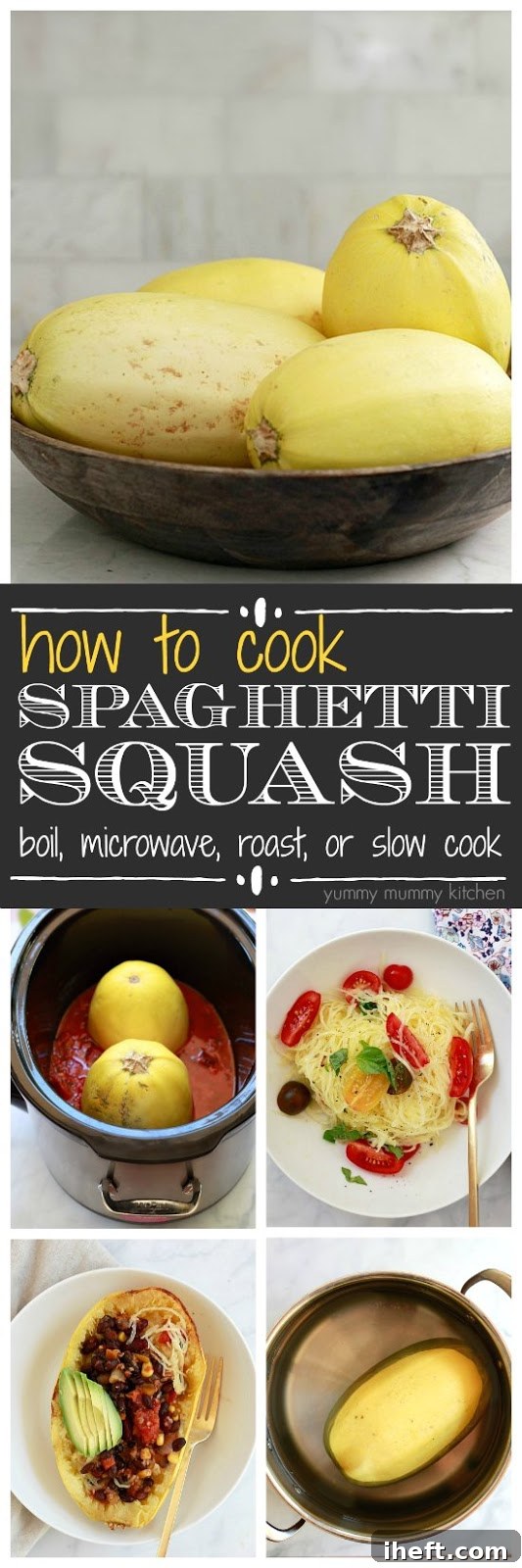
Unlock the full potential of spaghetti squash! Discover the easiest and most effective ways to cook this versatile winter vegetable, ensuring perfect, pasta-like strands every time. Whether you prefer roasting, boiling, microwaving, or a hands-off approach with your slow cooker, we’ve got you covered.
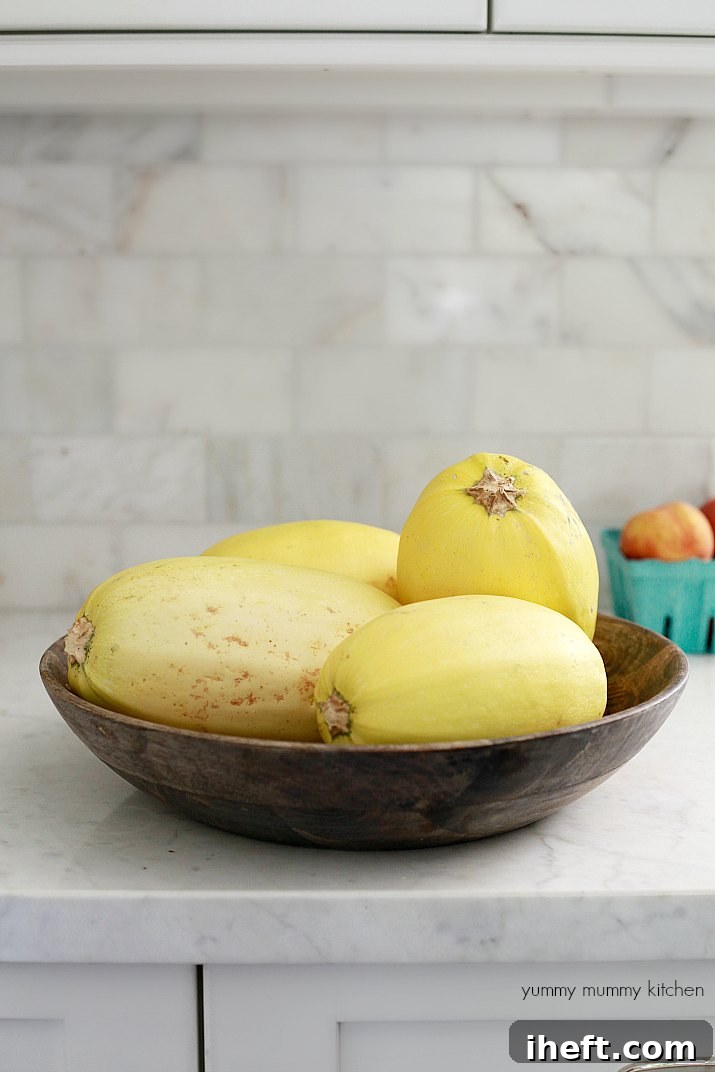
As the crisp air of autumn arrives and transitions into the chill of winter, our kitchens naturally gravitate towards hearty, comforting produce. Among the vibrant array of seasonal gourds – from pumpkins and acorn squash to delicata – spaghetti squash stands out as a unique and exceptionally fun option. Its distinct characteristic lies in its flesh, which, when cooked, magically separates into delicate, spaghetti-like strands. This makes it an incredibly popular and healthy alternative to traditional pasta, offering a lower-carb, nutrient-rich base for countless meals.
However, for many home cooks, including myself, spaghetti squash can present a few initial challenges. Common questions often arise: “What’s the best way to cook spaghetti squash?”, “How long does spaghetti squash need to cook?”, and perhaps most daunting, “How do you even open this incredibly hard vegetable without losing a finger?” Fear not! This comprehensive guide is designed to demystify spaghetti squash, providing you with all the knowledge and techniques needed to prepare it perfectly, every single time.
Beyond spaghetti squash, this season also offers an abundance of other delicious vegetables to explore. You might also want to master how to make homemade pumpkin puree or learn new ways to prepare Brussels sprouts to round out your seasonal culinary adventures. But for now, let’s dive deep into the world of spaghetti squash.
Why Spaghetti Squash? Health Benefits and Versatility
Spaghetti squash isn’t just a culinary novelty; it’s a powerhouse of nutrition and an incredibly versatile ingredient in healthy eating. Rich in vitamins A and C, fiber, and potassium, it supports immune health, digestion, and overall well-being. Its naturally mild flavor makes it a fantastic canvas for a variety of sauces and seasonings, easily adapting to both savory and sweet preparations. For those looking to reduce their carbohydrate intake or simply incorporate more vegetables into their diet, spaghetti squash serves as an excellent gluten-free and low-calorie substitute for pasta, rice, or even potatoes. From hearty casseroles to light salads, the possibilities are truly endless, making it a staple for healthy and delicious meals.
How to Select and Store Spaghetti Squash
Choosing the right spaghetti squash is the first step to a successful dish. Look for squashes that are firm, heavy for their size, and have a vibrant, even yellow color. Avoid any with soft spots, bruises, or cracks. A dull, matte skin is usually a good sign of ripeness. Once you’ve picked your perfect squash, storing it correctly will ensure it stays fresh for weeks, or even months, if kept in ideal conditions. Uncut spaghetti squash should be stored in a cool, dark, and dry place, away from direct sunlight and extreme temperatures. A pantry, cellar, or even a countertop away from heat sources works well. Once cut, wrap the remaining half tightly in plastic wrap and store it in the refrigerator, where it will last for about 3-5 days. Always make sure to scoop out the seeds from the cut portion before refrigerating to prevent premature spoilage.
Conquering the Tough Exterior: How to Safely Open Spaghetti Squash
For many, the most intimidating part of cooking spaghetti squash isn’t the cooking itself, but the initial battle against its rock-hard rind. I’ve been there – it can feel like a wrestling match! Its round, wobbly shape combined with its dense texture poses a significant cutting challenge, elevating the risk of accidental slips and cuts. To minimize this danger, approach it with caution and precision, much like carving a pumpkin.
Essential Tips for Safe Cutting:
- Stabilize Your Squash: Place the squash on a cutting board that won’t slide. If it’s particularly wobbly, you can trim a tiny slice off one side (not too deep) to create a flat, stable base.
- Choose the Right Knife: A large, sharp chef’s knife or a sturdy serrated knife works best. A serrated knife can “saw” through the tough skin more easily, providing better control.
- Go Slow and Steady: Don’t try to force the knife through in one go. Apply gentle, steady pressure, using a rocking or sawing motion to gradually cut through the squash. Keep your fingers well clear of the blade’s path.
Lengthwise vs. Crosswise Cuts:
The direction you cut your spaghetti squash can actually influence the length of your “noodles.”
- Lengthwise Cut: If you’re planning to serve the squash in its own “boat” (perfect for stuffing!), cut it in half lengthwise. While this is great for presentation, be aware that the natural orientation of the strands runs crosswise through the squash. Cutting lengthwise means you’ll be cutting across these strands, resulting in shorter “noodles.”
- Crosswise Cut: For maximum noodle length, cut the spaghetti squash crosswise into rings or halves. This method allows you to scrape out the longest possible strands, making them even more spaghetti-like. This is ideal if you plan to transfer the cooked squash to a bowl and toss it with sauce.
Once you’ve successfully cut into the squash, use a spoon to scoop out the seeds and any stringy bits. Now, your spaghetti squash is prepped and ready for cooking!
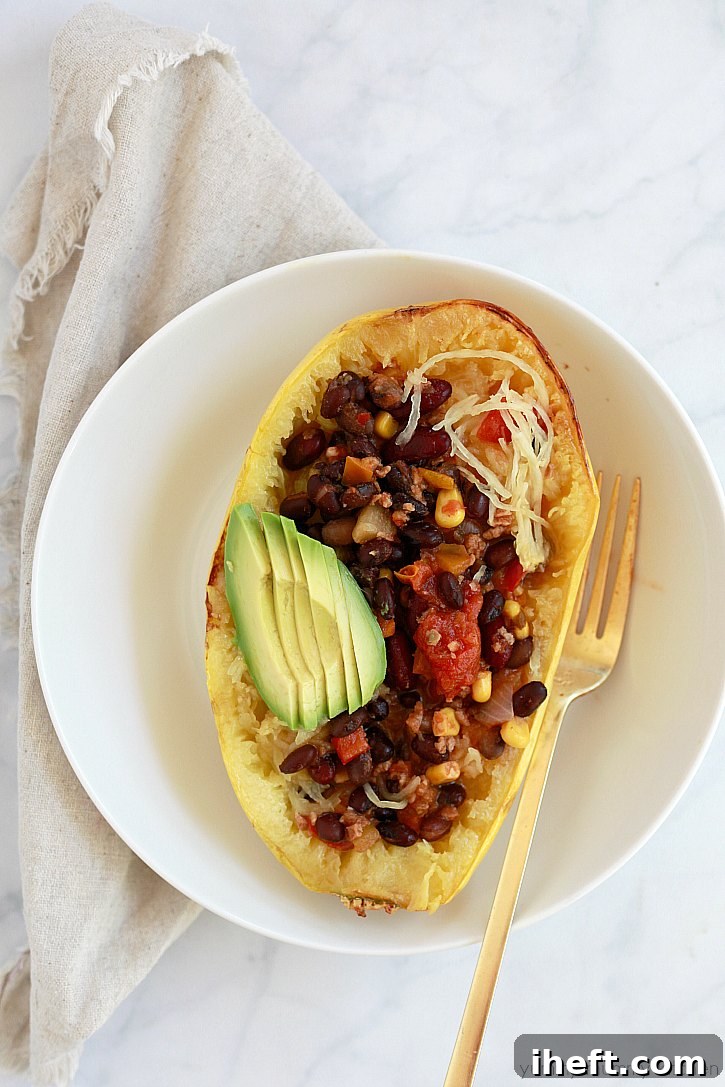
Method 1: How to Cook Spaghetti Squash in the Oven (Roasting)
Roasting is arguably the most popular method for cooking spaghetti squash, and for good reason. It brings out a subtle sweetness and a slightly nutty flavor that other methods don’t quite achieve. It’s also my personal favorite, especially when I want to serve the squash right in its own skin, creating perfect edible “boats” for savory fillings.
Steps for Oven Roasting:
- Preheat & Prep: Preheat your oven to 350°F (175°C). Carefully cut your spaghetti squash in half lengthwise and scoop out all the seeds and fibrous bits.
- Season: Drizzle the cut sides with a little extra virgin olive oil, then season generously with sea salt and freshly ground black pepper. You can also add a sprinkle of garlic powder, dried herbs like oregano or thyme, or a touch of paprika for extra flavor.
- Arrange: Place the squash halves on a baking dish. You can place them cut-side up or cut-side down. I prefer cut-side up; I find it helps prevent the squash from becoming overly mushy by allowing excess moisture to evaporate, resulting in a better texture.
- Roast: Bake for approximately 35-45 minutes, or until the flesh is tender when pierced with a fork. The cooking time can vary depending on the size of your squash. A larger squash might need closer to 50-60 minutes.
- Shred & Serve: Once cooked, let the squash cool slightly until it’s safe to handle. Use a fork to gently scrape the flesh, pulling it away from the skin to form the spaghetti-like strands. Serve directly in the squash boats or transfer to a serving bowl.
Why We Love Roasted Spaghetti Squash:
Roasted spaghetti squash is incredibly versatile. The “boats” are ideal for stuffing with an array of delicious fillings. Think hearty chili, a rich lentil Bolognese, creamy lasagna fillings, or a vibrant mix of roasted vegetables and grains. The slight caramelization from roasting adds depth of flavor that’s hard to beat.
Method 2: How to Cook Spaghetti Squash in the Microwave (Quick & Easy)
When time is of the essence, the microwave is your best friend for cooking spaghetti squash. This method is incredibly fast and efficient, perfect for busy weeknights when you need a healthy meal on the table in minutes. It may not offer the same roasted flavor, but it delivers tender, ready-to-eat strands in a fraction of the time.
Steps for Microwaving:
- Prep: Carefully cut the spaghetti squash in half lengthwise and scoop out the seeds and fibrous bits.
- Season & Water: Lightly season the cut sides with a pinch of salt and pepper. Place the squash halves cut-side up in a microwave-safe dish. Add about half an inch of water to the bottom of the dish.
- Cover: Cover the dish with a microwave-safe lid or plastic wrap (vent one corner to allow steam to escape).
- Cook: Microwave on high for about 8-12 minutes, depending on the size of your squash. A good starting point is 10 minutes, then check for tenderness. If it’s not fork-tender, continue microwaving in 2-minute increments.
- Rest & Shred: Carefully remove the hot dish from the microwave (be cautious of steam!). Let the squash rest for a few minutes before using a fork to scrape out the strands.
Microwave Method Benefits:
This method is fantastic for meal prep or when you’re in a rush. It softens the squash quickly and efficiently, making it ready for tossing with your favorite sauces or ingredients. It’s a lifesaver when you crave a healthy, comforting meal but have no time to spare.
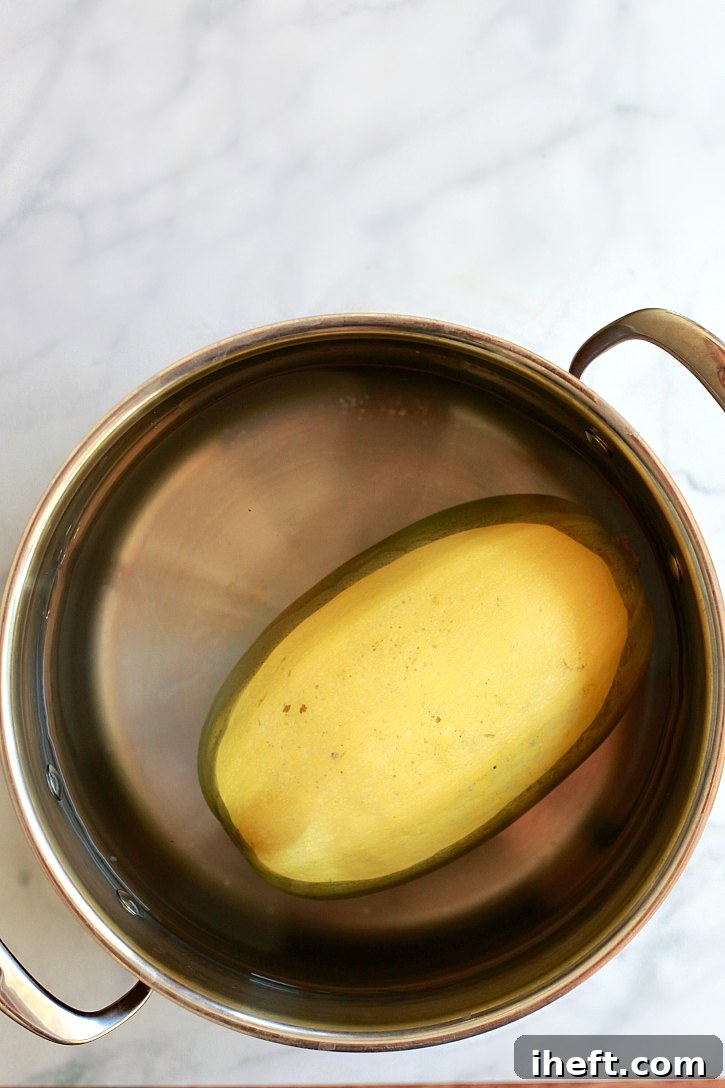
Method 3: How to Boil Spaghetti Squash (No Cutting Required!)
If the thought of cutting a raw, hard spaghetti squash fills you with dread, this method is for you! Boiling a whole spaghetti squash is an ingenious trick that allows the squash to soften significantly before you even have to touch it with a knife. While boiling isn’t always my preferred method for other vegetables that benefit from caramelization, spaghetti squash takes well to it, yielding wonderfully tender and long strands.
Steps for Boiling Whole Spaghetti Squash:
- Prepare the Squash: Wash the exterior of the whole spaghetti squash thoroughly.
- Choose Your Pot: Select a very large, deep pot that can comfortably accommodate the entire squash. Fill the pot with enough water to submerge most of the squash without overflowing when it’s added.
- Simmer: Carefully place the whole squash into the pot. Bring the water to a low simmer. The squash will float, and that’s perfectly normal.
- Even Cooking: To ensure even cooking, turn the squash every 10-15 minutes. Partially cover the pot with a lid, allowing some steam to escape.
- Cook Until Tender: Simmer for approximately 30-45 minutes, or until the squash is fork-tender all the way through. The cooking time will depend entirely on the size of your squash. For a very large squash, it might take up to an hour.
- Drain & Cool: Carefully remove the hot squash from the pot using tongs or a slotted spoon and place it in a colander to drain. Allow it to cool for about 10-15 minutes until it’s safe to handle.
- Cut & Shred: Once cool enough, carefully cut the squash in half (or crosswise for longer strands). Scoop out the seeds and then use a fork to scrape out the delicious spaghetti-like flesh.
Boiling Method Advantages:
This method is a fantastic choice for those who are hesitant to cut raw spaghetti squash. It produces consistently tender strands and is perfect for incorporating into dishes where the squash is meant to be a soft, noodle-like component. The long strands you get from a crosswise cut (after boiling) are particularly impressive!
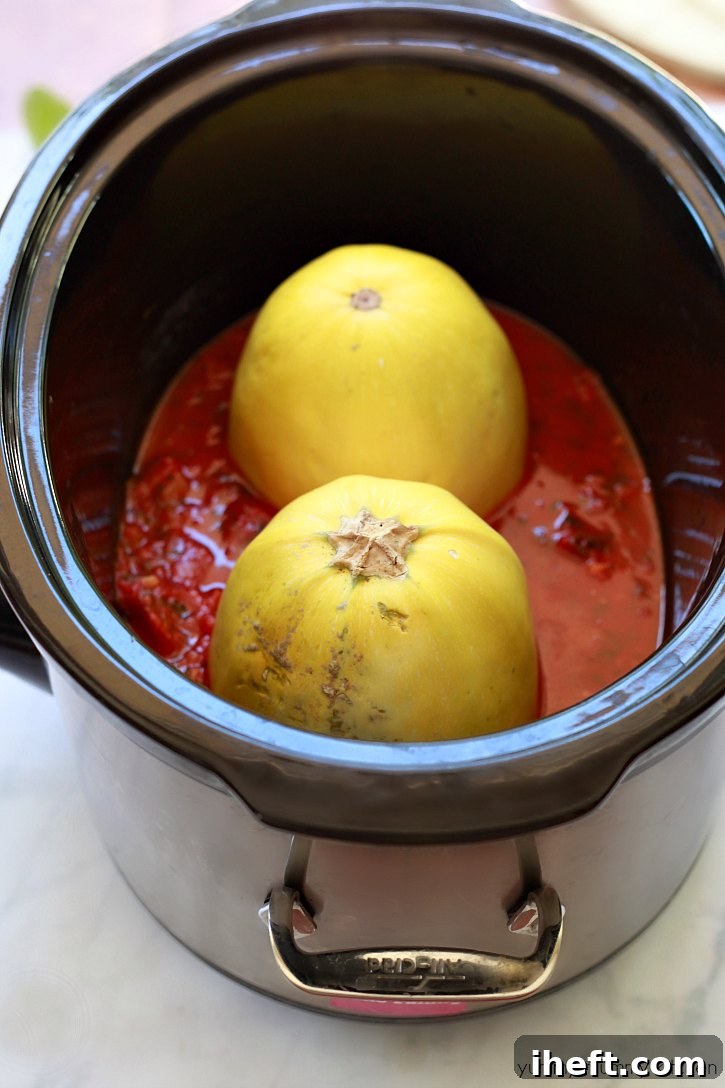
Method 4: How to Cook Spaghetti Squash in a Slow Cooker (Crock Pot)
For the ultimate hands-off cooking experience, your slow cooker is an excellent tool for preparing spaghetti squash. This method is incredibly convenient, allowing you to “set it and forget it,” and come home to perfectly cooked squash. It’s ideal for meal prepping or busy days when you want a healthy component ready with minimal effort.
Steps for Slow Cooker Preparation:
- Whole Squash Method (Easiest):
- Wash the squash thoroughly.
- Using a sharp knife, liberally prick the entire surface of the squash all the way through. This is crucial to prevent steam buildup and a potential “squash explosion.”
- Add about 1 inch of water to the bottom of your slow cooker.
- Place the whole, pricked spaghetti squash into the slow cooker.
- Cover and cook on high for 4 hours, or on low for 6-8 hours, until the squash is tender when pierced.
- Once cooked, carefully remove, let cool, then cut, de-seed, and shred.
- Halved Squash Method (For Sauce Integration):
- Carefully cut the spaghetti squash in half crosswise (for longer strands) or lengthwise. Scoop out the seeds and fibrous bits.
- Add about 1 inch of water or your favorite marinara sauce (if you want the squash to cook *in* the sauce) to the bottom of the slow cooker crock.
- Place the spaghetti squash halves cut-side down on top of the liquid or sauce.
- Cover and cook on high for 3-4 hours or on low for 5-6 hours, until tender.
- If using sauce, be mindful that the squash will release its own moisture, potentially thinning your sauce. Consider using a thicker sauce that can handle a little extra liquid, or simply cook with water and add sauce later.
Slow Cooker Advantages:
This method shines for its sheer convenience. It frees up oven space and allows you to attend to other tasks while your spaghetti squash cooks to perfection. It’s also great for larger squashes that might not fit easily in the microwave or a standard pot. Just remember that crucial step of pricking the whole squash!
Serving Suggestions and Flavor Pairings
Once your spaghetti squash is cooked and ready, the real fun begins! Its mild flavor makes it incredibly versatile, ready to absorb the tastes of any cuisine. Here are some ideas:
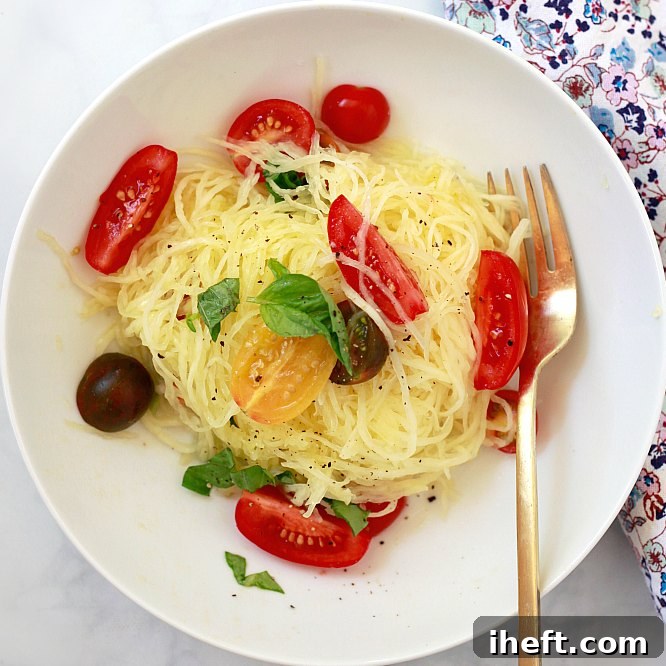
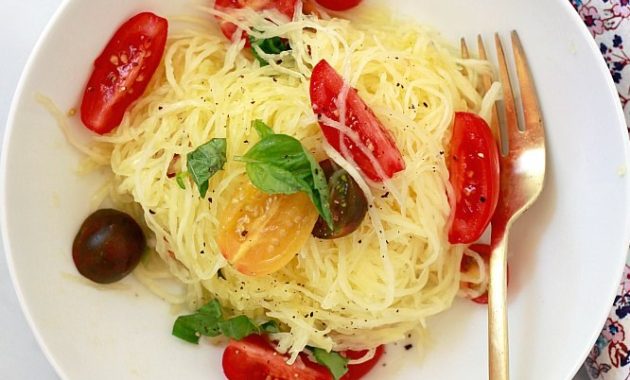
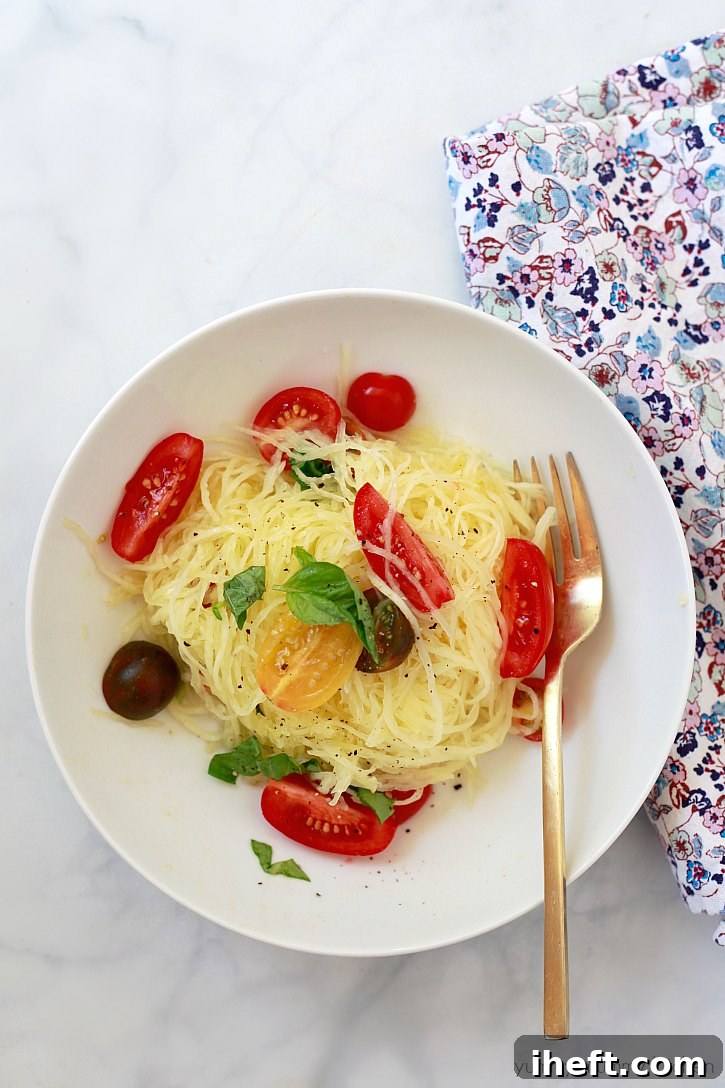
- Simple & Fresh: For a light and vibrant meal, toss the warm spaghetti squash strands with a drizzle of extra virgin olive oil, a squeeze of fresh lemon juice, a sprinkle of sea salt, black pepper, and fresh herbs like basil or parsley. Add some halved mini heirloom tomatoes, chickpeas, or olives for added texture and flavor, as pictured above (a perfect example of strands from the boiling method!).
- Pasta Substitute: Treat it exactly like pasta! Top with your favorite rich and hearty sauces like marinara, pesto, Alfredo, or a savory meat or lentil Bolognese.
- Stuffed Boats: As mentioned, the roasted halves make excellent edible bowls. Fill them with chili, taco meat, quinoa and black bean mixture, or even a creamy chicken and spinach filling.
- Asian-Inspired: Toss with a sesame-ginger dressing, soy sauce, shredded carrots, bell peppers, and grilled chicken or tofu for a healthy noodle bowl.
- Breakfast Hash: Mix cooked spaghetti squash with sautéed onions, peppers, and sweet potatoes, then top with a fried egg for a unique breakfast or brunch.
- Gratins & Casseroles: Combine with cheese, cream, and other vegetables, then bake until bubbly and golden for a comforting side or main dish.
Frequently Asked Questions About Spaghetti Squash
Let’s address some common queries to ensure you’re a spaghetti squash pro!
Q: Can you eat the skin of spaghetti squash?
A: While the skin of spaghetti squash is technically edible, it’s generally not recommended as it’s quite tough and fibrous, especially when cooked. Most recipes call for discarding the skin and eating only the tender flesh.
Q: How do I avoid watery spaghetti squash?
A: To prevent watery squash, especially with boiling or slow cooking, consider these tips:
- Roasting Cut-Side Up: As mentioned, this allows moisture to evaporate.
- Drain Well: After cooking by any method, let the squash sit in a colander for a few minutes to drain any excess water before scraping out the strands.
- Don’t Overcook: Overcooking can lead to mushy, watery squash. Cook just until fork-tender.
Q: How long does cooked spaghetti squash last in the refrigerator?
A: Cooked spaghetti squash can be stored in an airtight container in the refrigerator for 3-5 days. It’s excellent for meal prepping!
Q: Can you freeze cooked spaghetti squash?
A: Yes! Cooked spaghetti squash freezes well. Once the strands are scraped out, let them cool completely. Place them in a single layer on a baking sheet and freeze for about an hour until solid. Then transfer to a freezer-safe bag or container. This prevents the strands from clumping together. It can be stored for 3-6 months. Thaw in the refrigerator overnight and reheat gently.
Q: What’s the best way to reheat spaghetti squash?
A: Reheat gently in the microwave or on the stovetop over medium-low heat. Be careful not to overcook, as it can become mushy. A little olive oil or broth can help keep it from drying out.
There you have it! Four simple, yet distinct, ways to prepare spaghetti squash, offering versatility for every schedule and culinary preference. Each method yields delicious, healthy strands ready to be transformed into your next favorite meal. Whether you prefer the oven’s subtle caramelization, the microwave’s speed, the boiling pot’s no-cut convenience, or the slow cooker’s hands-off ease, mastering spaghetti squash is now within your grasp.
Which method will you try first? Have you experimented with all four? Share your favorite spaghetti squash creations with us!
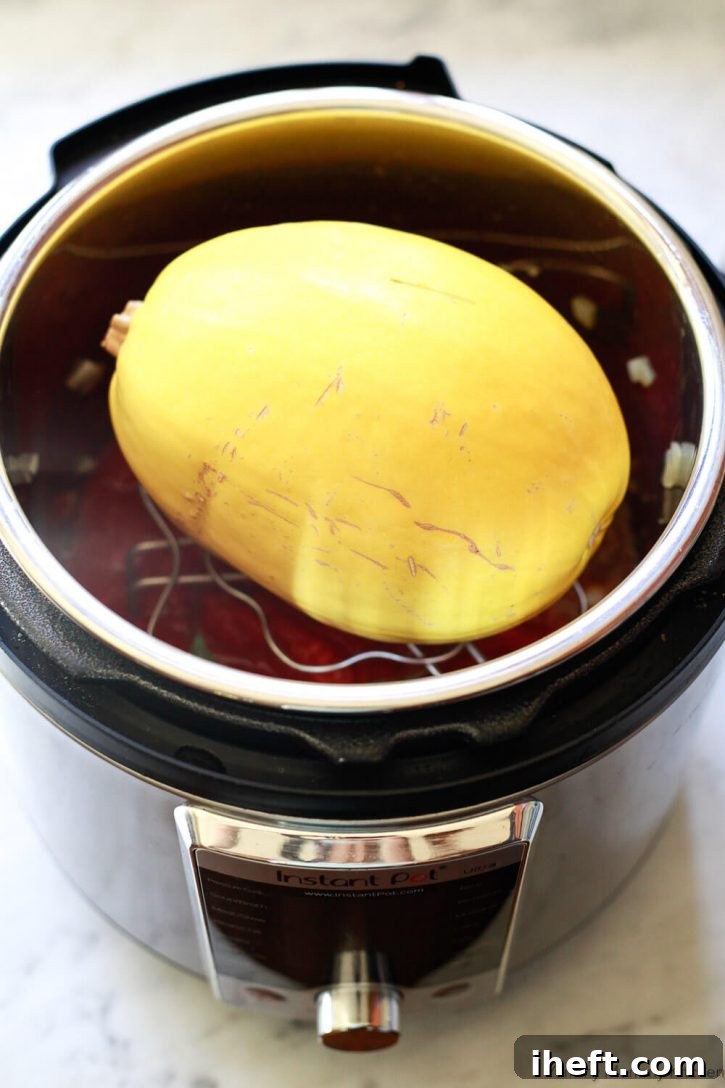
Update 2019: How to Cook Spaghetti Squash in the Instant Pot!
How to Cook Spaghetti Squash: 4 Essential Methods
5 minutes
35 minutes
40 minutes
Explore the best four ways to cook spaghetti squash for perfect, pasta-like strands every time. A healthy and delicious alternative to traditional pasta, ready for your favorite sauces.
Ingredients
- 1 medium spaghetti squash
- 2 tablespoons extra virgin olive oil (optional, for roasting)
- sea salt, to taste
- black pepper, to taste
- prepared marinara sauce (optional, for serving)
Instructions
- To Roast Spaghetti Squash: Preheat oven to 350°F (175°C). Carefully cut the squash in half lengthwise and scoop out the seeds. Brush the cut sides with olive oil and season with salt and pepper. Place on a baking dish, cut-side up or down, and roast until tender, about 35-45 minutes. Let cool slightly, then use a fork to scrape out the strands. Top with your favorite sauce.
- To Boil Spaghetti Squash (Whole): Wash the squash and place it in a large, deep pot. Add enough water to nearly cover the squash without overflowing. Bring to a low simmer and turn the squash every 10-15 minutes to ensure even cooking. Cook with the lid partially on until fork-tender, about 30-45 minutes (longer for larger squash). Drain in a colander. Carefully cut in half crosswise, scoop out seeds, and then scrape out the flesh.
- To Microwave Spaghetti Squash: Carefully cut the squash in half lengthwise and scoop out the seeds. Season with salt and pepper. Place cut-side up in a microwaveable dish with about 1/2-inch of water at the bottom. Cover (vented) and cook on high for 8-12 minutes, or until tender, checking every few minutes.
- To Cook Spaghetti Squash in a Slow Cooker:
- Halved Method: Cut in half crosswise, scoop out seeds. Add marinara sauce or about 1 inch of water to the slow cooker and place halves cut-side-down. Cook on high for 3-4 hours or low for 5-6 hours until tender.
- Whole Method: Prick the whole squash all over with a knife to prevent bursting. Add an inch of water to the bottom of the slow cooker. Place the whole squash inside. Cook on high for 4 hours or low for 6-8 hours until tender.
Once cooked by either method, cool slightly, then scrape out the strands.
Nutrition Information (Per Serving):
Yield: 6 servings
Serving Size: 1 cup (approx.)
Amount Per Serving:
Calories: 95Total Fat: 5gSaturated Fat: 1gTrans Fat: 0gUnsaturated Fat: 4gCholesterol: 0mgSodium: 222mgCarbohydrates: 12gFiber: 3gSugar: 5gProtein: 1g