Nourishing Lunchbox Inspiration
The Bento Box Revolution: Transforming School Lunches for Healthier Kids
The delightful trend of bento boxes for school lunches has exploded in popularity, and for very good reason. As someone who spent years in the classroom, witnessing firsthand the alarming frequency of children arriving at school with “lunches” that often consisted solely of soda, chips, and cookies – I am not exaggerating, this was a surprisingly common sight – I can confidently say this movement towards thoughtfully packed meals is a breath of fresh air. It represents a significant shift towards prioritizing children’s nutrition and well-being, moving away from convenience foods towards more balanced and engaging options.
For my own daughter, B (now 3.5), I regularly pack her lunches in bento-style containers. While there are fantastic options like those from Laptop Lunches, the market is brimming with innovative and fun possibilities, each designed to make healthy eating an exciting adventure for kids. The beauty of the bento box lies not just in its practicality but also in its ability to transform an ordinary meal into an appealing, organized, and nutritionally balanced presentation.
Why Bento Boxes Are a Game-Changer for Kids’ Nutrition
The rise of bento boxes is more than just a passing trend; it’s a strategic approach to fostering better eating habits from a young age. These compartmentalized lunch containers offer a multitude of benefits that extend far beyond simply holding food:
- Balanced Nutrition: The segmented design naturally encourages parents to pack a variety of food groups – proteins, carbohydrates, fruits, and vegetables – ensuring children receive a comprehensive range of nutrients essential for their growth and cognitive development. It makes it easier to visualize a balanced meal.
- Portion Control: Bento boxes help regulate portion sizes, preventing both overeating and undereating. Each compartment holds a sensible amount, teaching kids about appropriate servings without them even realizing it.
- Reduced Food Waste: Kids are notoriously picky eaters. However, food presented neatly and appealingly in separate compartments is often more enticing. When foods don’t touch, and everything looks fresh, children are more likely to try and finish their meals, leading to less uneaten food.
- Engagement and Creativity: Bento boxes turn lunch into a fun experience. Parents can get creative with food shapes, colors, and arrangements, which can significantly increase a child’s enthusiasm for healthy foods. Children can also get involved in packing their lunches, fostering a sense of ownership and excitement.
- Eco-Friendly: By using reusable bento containers, we drastically cut down on single-use plastic bags, wraps, and disposable packaging, contributing to a more sustainable lifestyle and teaching children about environmental responsibility.
Getting Started: Bento Tools and Endless Inspiration
Diving into the world of bento packing can seem daunting at first, but it’s simpler than you think. The key is to find the right tools and embrace the vast ocean of inspiration available:
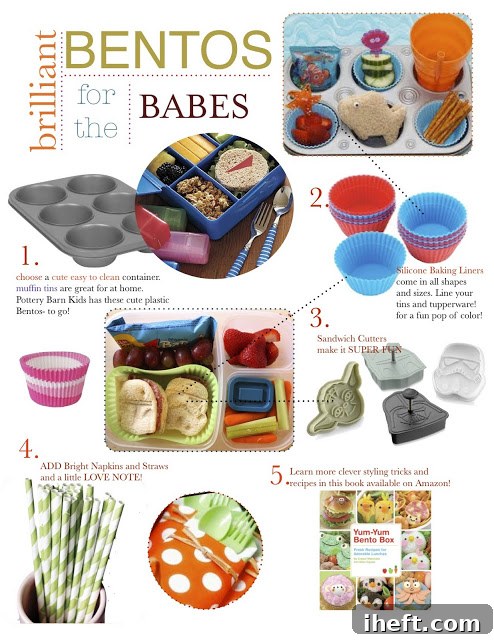
Inspiration board borrowed from one of my new favorite blogs, Signature Style by Anne Book. I could spend hours ooohing and ahhhing over all the gorgeous inspiration on this site. Click here for her sources.
- Choosing Your Container: From stainless steel to BPA-free plastic, single-tier to multi-compartment, the options are plentiful. Consider leak-proof seals for yogurt or sauces, and insulated bags to keep food at the right temperature. Brands like Yumbox, Bentgo, and LunchBots are popular for their durability and thoughtful designs.
- Fun Accessories: Small silicone cups, food picks, vegetable cutters, and mini sauce containers can elevate a simple meal into a work of art. These accessories aren’t just for aesthetics; they also help separate foods and keep them fresh.
- Finding Inspiration: The internet is a treasure trove of bento ideas! Blogs, Pinterest, Instagram, and even YouTube channels are dedicated to creative lunch packing. You’ll find everything from elaborate character bentos to quick, minimalist designs. Don’t be afraid to start simple and gradually experiment.

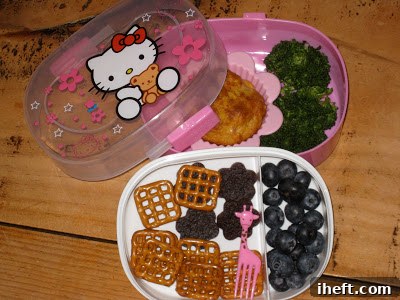
A Hello Kitty bento made by my friend Jenn, showcasing how a little creativity can make lunch irresistible.
Crafting a Balanced Bento: Essential Components
When planning a bento box, my general rule of thumb is to ensure there’s a good balance of fruit, veggies, and protein. Since my daughter has always been a “carb girl,” I don’t typically worry about that component too much – she’ll always find and enjoy her carbohydrates! However, for a truly well-rounded meal, it’s good to consider all macronutrients.
Protein Powerhouses: Fueling Growing Bodies
- Hard-boiled eggs: A simple, portable, and complete protein source. Easy to peel and pack.
- Nuts and seeds: (Always check school allergy policies first!) Almonds, cashews, sunflower seeds, or pumpkin seeds offer healthy fats and protein.
- Lean meats: Sliced turkey or chicken (leftovers work wonderfully!), small meatballs, or mini sausages.
- Legumes and beans: Roasted chickpeas, edamame, or black beans.
- Dairy/Dairy alternatives: Cheese cubes, string cheese, or yogurt (in a leak-proof container).
- Hummus: Excellent for dipping veggies or spreading in wraps.
Vibrant Veggies & Fresh Fruits: Essential Vitamins and Fiber
- Small or chopped fruit: Berries (strawberries, blueberries, raspberries), grapes (halved for younger children), melon cubes, apple slices (toss with a little lemon juice to prevent browning), orange segments.
- Chopped veggies: Cucumber slices, cherry tomatoes, baby carrots, bell pepper strips, snap peas, broccoli florets (lightly steamed).
- Dips: Pair veggies with a small container of ranch dressing, hummus, or cream cheese dip to encourage consumption.
Wholesome Carbs: Sustained Energy
- Whole-wheat bread/crackers: Sandwiches, mini pizzas on pita, or crackers for dipping.
- Pasta/Quinoa: Cold pasta salad or quinoa salad provides complex carbohydrates.
- Rice: Brown rice, wild rice, or rice cakes.
- Pretzels: A crunchy snack that can be a good carb source.
My Go-To Healthy Lunchbox Ideas for Busy Parents
To help you get started, here are some of my favorite practical and healthy combinations that have been a hit in our household:
- Dinner Leftovers Reinvented: This is a lifesaver! Portion out kid-friendly dinner leftovers like roasted chicken, pasta with sauce, or stir-fried rice. A small thermos can keep warm foods hot, while cold leftovers like quinoa salad or chicken salad are perfect as is.
- Protein-Packed Power Eggs: A hard-boiled egg provides excellent protein. Pair it with whole-wheat crackers, cucumber slices, and a handful of berries for a simple yet satisfying meal.
- Nutty Delight (with allergy awareness): If your school permits nuts, a small serving of almonds or walnuts offers healthy fats and protein. Combine with apple slices and a few cheese cubes. *Always double-check school nut allergy policies before packing any nut products.* For nut-free schools, consider roasted chickpeas or sunflower seeds.
- Mediterranean Pasta Salad: Cooked whole-wheat pasta tossed with cherry tomatoes, diced bell peppers, a drizzle of olive oil, and a sprinkle of feta cheese or diced cooked chicken. Add a side of grapes.
- Fresh Fruit and Veggie Medley: An assortment of small or chopped fruits and veggies is always a winner. Think cherry tomatoes, berries, sliced cucumber, and bell pepper strips. Offer a small pot of hummus or a favorite dip.
- Peanut Butter & Dippers Fun: Spread peanut butter (or sunbutter for nut-free options) into a separate compartment and include dippers like apple slices, celery sticks, carrot sticks, or whole-wheat pretzels.
- Wholesome Hummus Wrap: Spread hummus generously on a whole-wheat tortilla, then layer with thin slices of cucumber, tomato, shredded carrots, or spinach. Roll it up tightly and slice into pinwheels for easy eating.
- Mini Bean & Cheese Burritos: Warm a small whole-wheat tortilla, spread with refried beans, sprinkle with shredded cheese, and fold into a small burrito. Include a side of corn and avocado slices.
- Veggies & Quinoa Bowl: Cooked quinoa mixed with steamed green beans, corn, diced bell peppers, and a light vinaigrette dressing or a touch of olive oil and herbs.
- Hearty Brown Rice Salad: A refreshing salad made with cooked brown rice, black beans, corn kernels, cherry tomatoes, and fresh basil, dressed lightly with lime juice and olive oil. This is wonderfully filling and nutritious.
Tips for Bento Box Success
- Meal Prep Ahead: Dedicate some time on a Sunday to chop vegetables, cook grains, and hard-boil eggs. This makes packing during busy mornings a breeze.
- Get Kids Involved: Let your children help choose what goes into their bento boxes. They are far more likely to eat a lunch they’ve had a hand in preparing.
- Keep it Simple: You don’t need elaborate designs every day. A few colorful items arranged neatly are often enough to pique their interest.
- Prioritize Food Safety: Always use insulated lunch bags with ice packs to keep perishable foods cool and safe until lunchtime.
- Rotate Options: Introduce variety to prevent boredom. Try new fruits, different types of protein, or new veggie combinations regularly.
- Communicate with School: Stay informed about your school’s allergy policies, especially concerning nuts or other common allergens.
Join the Healthy Lunch Movement!
Embracing the bento box trend is a wonderful step towards ensuring our children receive nutritious, appealing, and well-balanced meals at school. It’s a simple change that can have a profound impact on their health, energy levels, and concentration throughout the school day. We’ve seen firsthand how much kids enjoy opening a visually exciting and tasty lunch, making mealtime something to look forward to.
Do you have any fantastic healthy lunchbox ideas or bento packing tips that your kids love? I would absolutely love to hear them! Please share your creative suggestions and triumphs in the comments below, and let’s inspire each other to pack even more wonderful lunches for our little ones.