Greek Fasolada: A Hearty White Bean Tradition
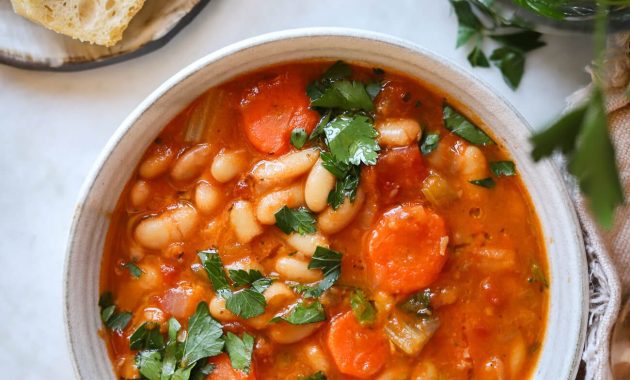
Authentic Greek White Bean Soup (Fasolada): A Wholesome Blue Zone Delicacy
Learn how to make authentic Greek White Bean Soup with this simple Fasolada recipe. It’s a healthy, hearty, and inherently plant-based classic Greek dish that perfectly embodies the principles of a Blue Zone diet. Discover the rich flavors and nutritional benefits of this beloved staple, perfect for a comforting and wholesome meal.
Embracing the Blue Zone Lifestyle: The Power of Legumes
In the heart of Greek and Blue Zone kitchens, legumes and beans stand as undisputed pillars of nutrition and longevity. These versatile ingredients are not just budget-friendly; they are powerhouses of fiber and exceptional sources of plant-based protein. This makes them a fundamental component of diets known for promoting long, healthy lives, such as those found in the world’s Blue Zones.
Our culinary journey into Greek plant-based traditions continues with other beloved recipes, like our savory Greek Lentil Soup (Fakes) and the delightful baked giant beans known as Gigantes Plaki. Each dish showcases the incredible potential of simple, wholesome ingredients to create deeply satisfying and nourishing meals.
What is Fasolada? Greece’s National Comfort Food
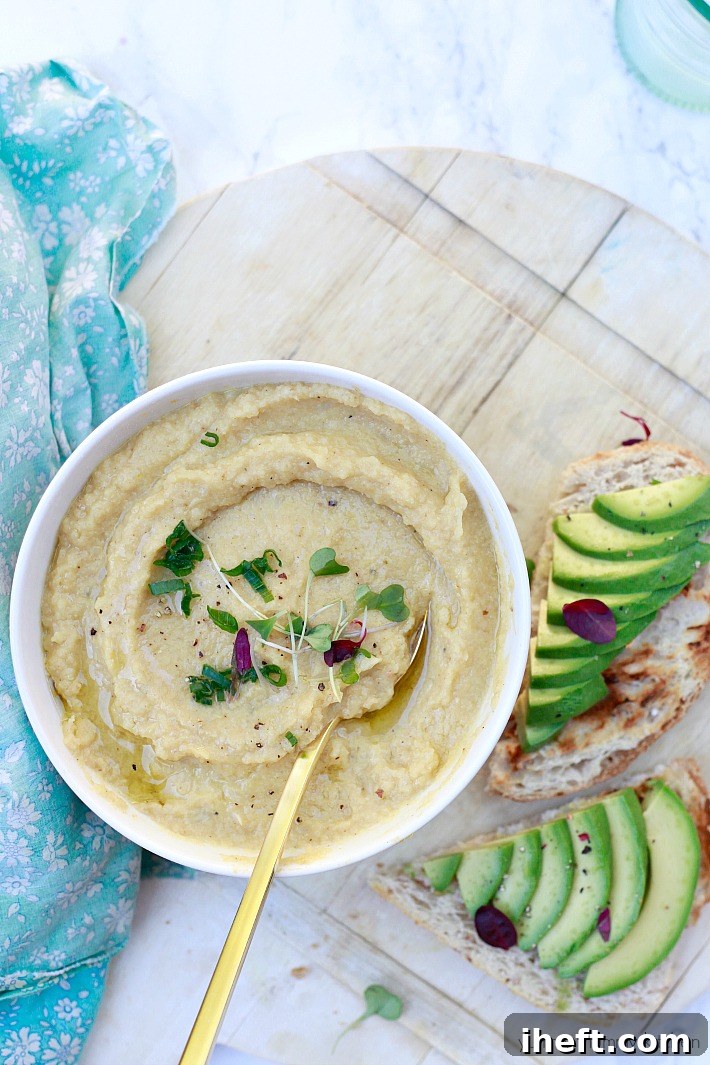
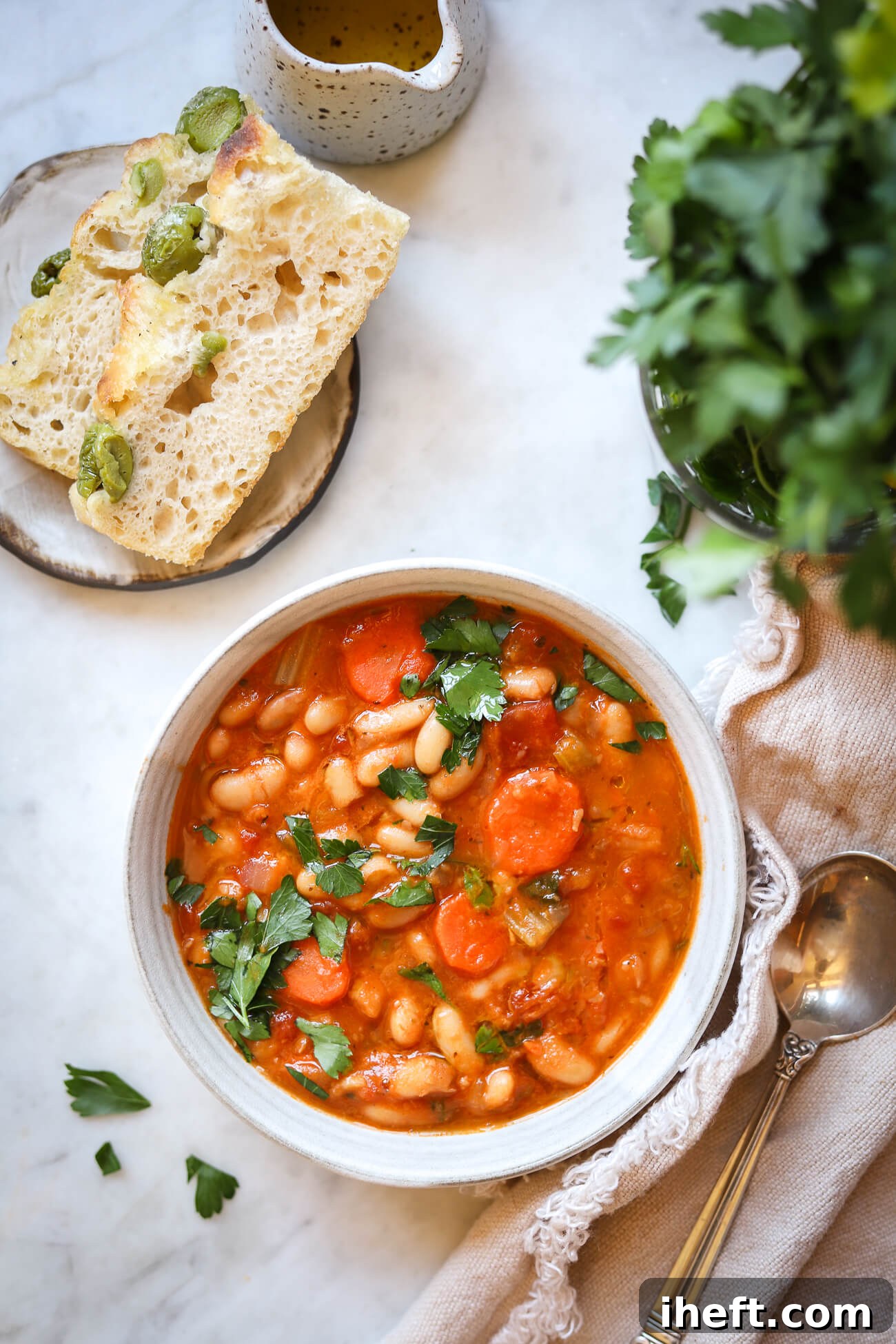
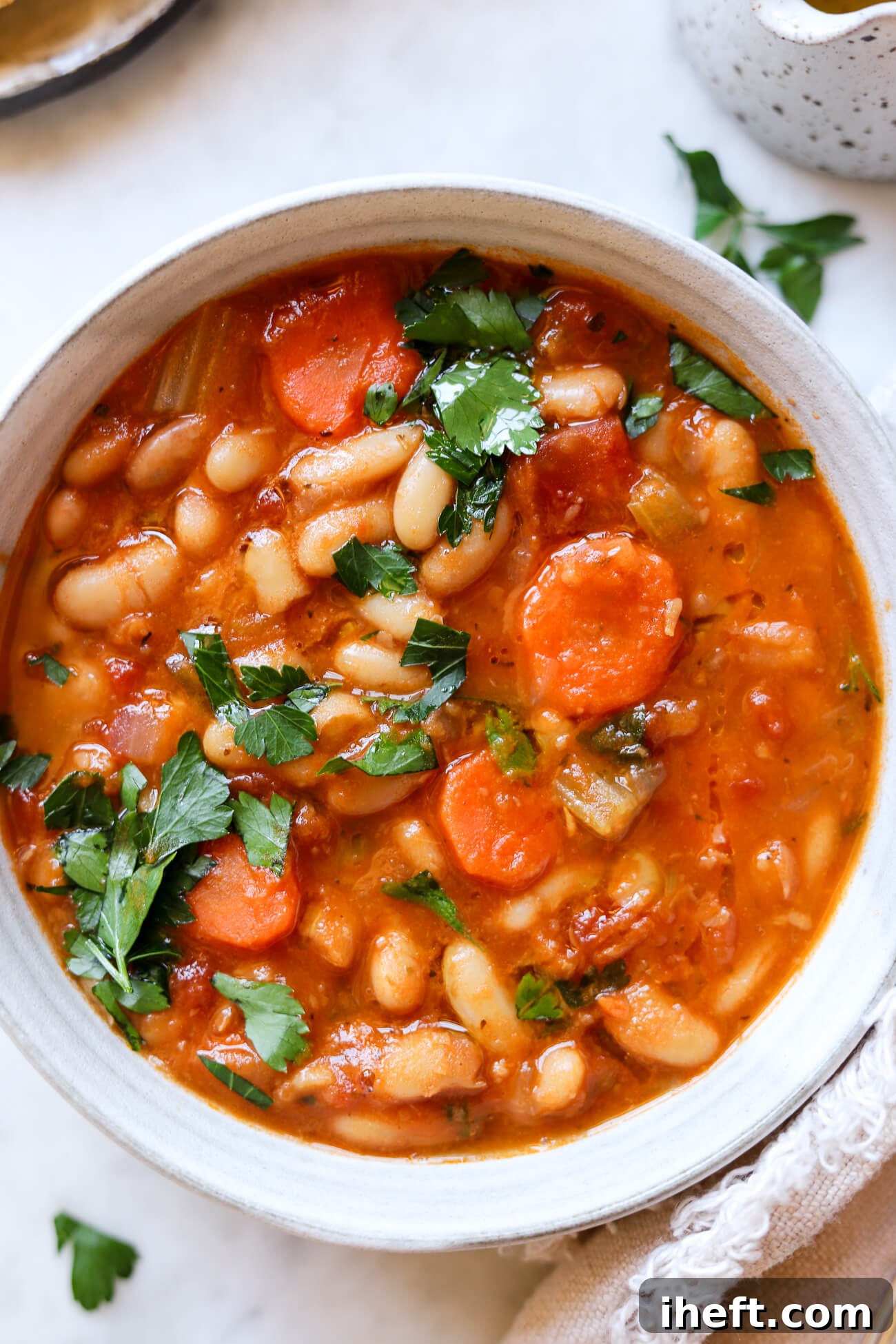
Fasolada (Φασολάδα), often dubbed the national dish of Greece, is far more than just a white bean soup; it’s a bowl of comforting tradition. This classic Greek recipe features a mild yet incredibly flavorful broth, brimming with tender white beans and aromatic vegetables. Its simplicity is its strength, crafted from humble ingredients that come together to create a profoundly satisfying culinary experience.
The origins of this particular recipe are rooted in community and heritage, adapted from a cherished cookbook compiled by our neighborhood Greek Orthodox Church. Such cookbooks are often treasure troves of authentic, time-honored family recipes, passed down through generations, ensuring each spoonful carries the essence of genuine Greek home cooking. Fasolada represents the Mediterranean diet at its finest – wholesome, flavorful, and incredibly nourishing.
Choosing the Perfect Beans for Your Fasolada
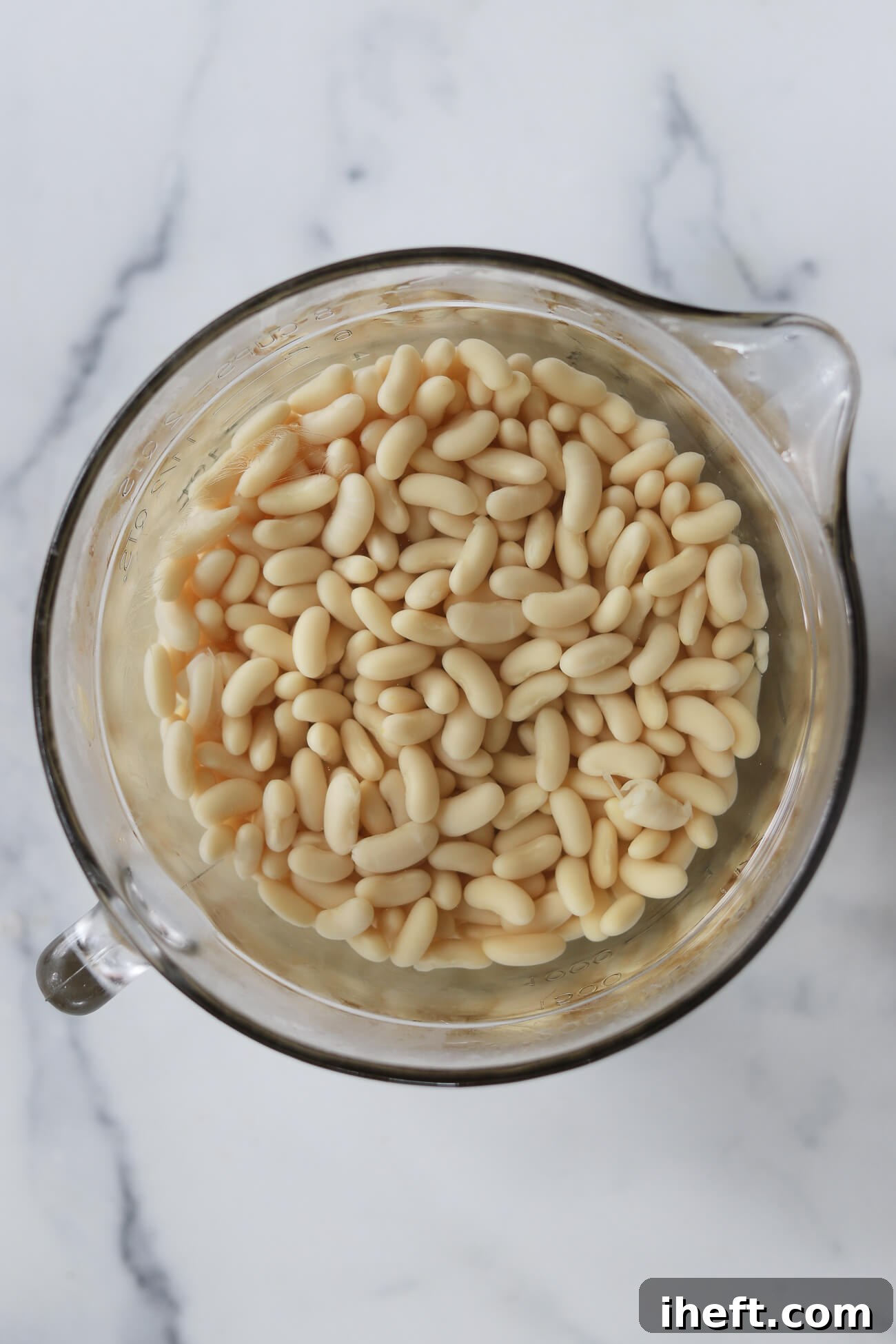
The choice of beans is paramount in achieving the characteristic creamy texture and mild flavor profile of an authentic Fasolada. Traditionally, Greek cooks favor varieties like Navy beans, Great Northern beans, or Cannellini beans. These particular white bean varieties are prized for their ability to soften beautifully during cooking, creating a luscious texture without disintegrating. Their mild, earthy flavor perfectly complements the other ingredients in the soup, ensuring a harmonious balance where no single component overpowers another.
The Importance of Soaking Dried Beans
For the best results with dried beans, it is crucial to soak them overnight before cooking. This step rehydrates the beans, significantly reducing their cooking time and helping them cook more evenly. Soaking also helps to break down complex sugars, which can make beans easier to digest for some individuals, leading to a more pleasant culinary experience. Simply place the dried beans in a large bowl, cover them with several inches of water, and let them rest at room temperature for at least 8 hours, or preferably overnight. After soaking, remember to drain and thoroughly rinse the beans before adding them to your soup pot.
Dried vs. Canned: A Deep Dive into Bean Choices
While dried beans offer the most authentic texture and flavor for Fasolada, sometimes time is of the essence. If you opt for the convenience of cooked or canned beans, the soaking step can be entirely skipped. To substitute, you will need two standard 15-ounce cans of drained and rinsed white beans, such as Great Northern or cannellini beans. These pre-cooked beans can be added directly to the soup alongside your other ingredients.
However, an important adjustment to consider is the cooking time. Since canned beans are already tender, they only need to be heated through and allowed to meld with the soup’s flavors. This typically requires a significantly shorter simmering time compared to dried beans. When using canned beans, you might also need to adjust the amount of liquid. It’s often best to reduce the initial amount of vegetable broth and water, adding more gradually only if the soup becomes too thick, to prevent a watery consistency. This flexibility allows you to enjoy the comforting flavors of Fasolada even on busy weeknights, without compromising too much on its authentic essence.
Crafting Your Authentic Fasolada: Step-by-Step Guide
Creating a truly authentic Greek White Bean Soup, or Fasolada, is a delightful journey that begins with simple, fresh ingredients and ends with a deeply satisfying meal. While the basic steps remain consistent, feel free to make minor adjustments to suit your personal preference for seasoning, texture, and soup thickness.
Essential Ingredients for a Flavorful Fasolada
To embark on your Fasolada adventure, gather these key components:
- 2 cups dried cannellini or white navy beans
- 1/4 cup extra virgin olive oil (preferably Greek)
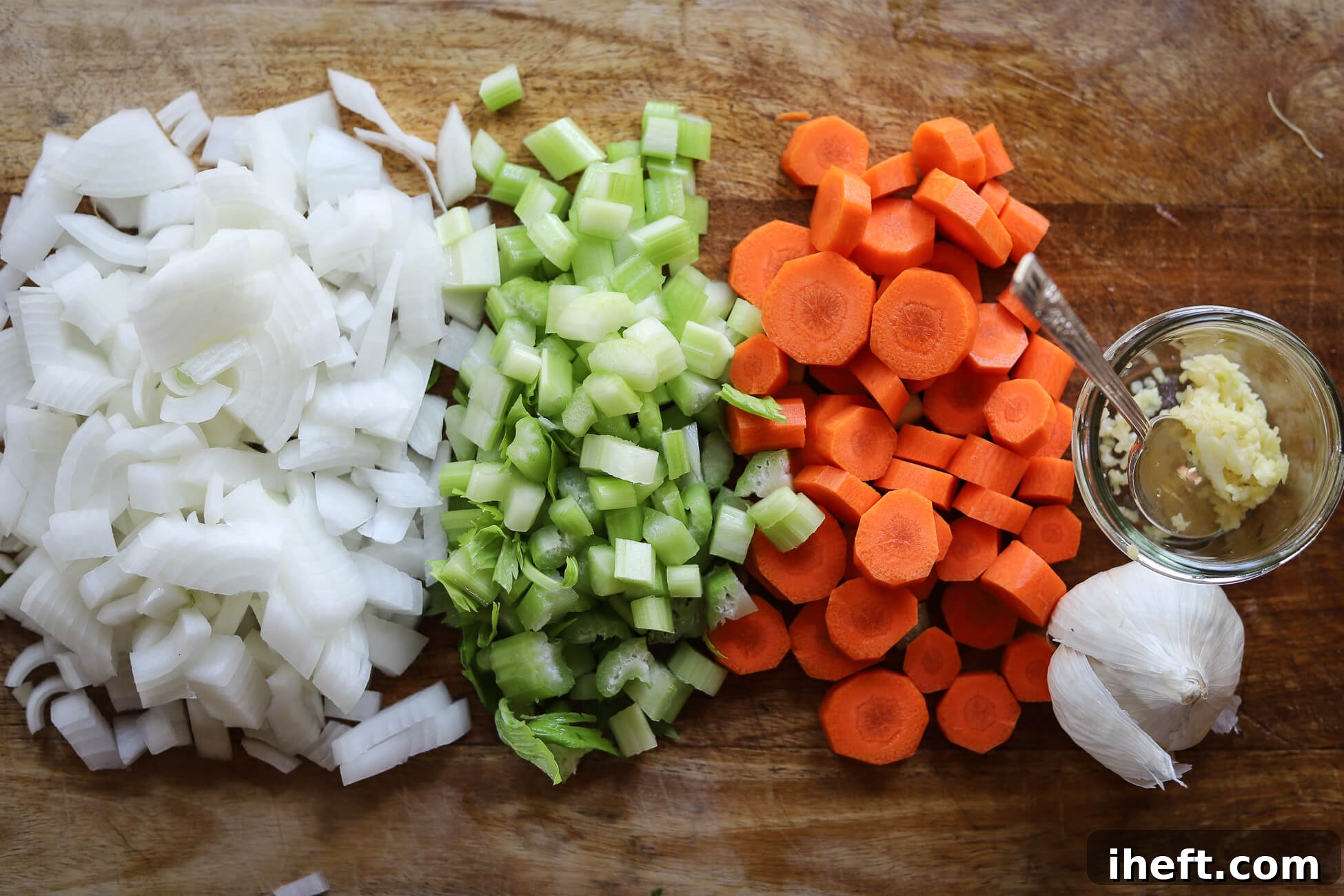
- 1 large white onion, diced
- 4 cloves garlic, minced
- 3 carrots, peeled and sliced crosswise (approximately 1½ cups)
- 3 celery stalks, chopped (approximately 1½ cups)
- 1 (15 oz.) can diced tomatoes (undrained)
- 4 cups vegetable broth
- 4 cups water, plus more as needed
- 1 tablespoon dried oregano
- 1-2 teaspoons sea salt (to taste)
- ½ teaspoon black pepper or red pepper flakes (for a touch of heat)
- ¼ cup fresh Italian parsley, chopped (for garnish and fresh flavor)
Detailed Cooking Instructions for Greek White Bean Soup
- Prepare the Beans: Begin by rinsing and carefully picking over the dried beans to remove any small stones or debris. Place the cleaned beans in a large bowl and cover them generously with water. Allow them to soak overnight (for a minimum of 8 hours) at room temperature. This crucial step ensures even cooking and reduces overall cooking time. Once fully soaked, drain the beans and rinse them thoroughly once more under cold water.
- Sauté the Aromatics: In a large, heavy-bottomed soup pot or Dutch oven, heat the olive oil over medium heat. Add the diced onion, minced garlic, sliced carrots, and chopped celery to the pot. Sauté these vegetables for about 5 to 7 minutes, stirring occasionally, until they begin to soften and become fragrant. Don’t worry about cooking them through completely at this stage; they will finish cooking as the beans simmer.
- Combine and Simmer: To the sautéed vegetables, add the drained and rinsed beans, diced tomatoes (with their juice), vegetable broth, and 4 cups of water. Stir in the dried oregano, 1 teaspoon of sea salt, and the black pepper or red pepper flakes. Bring the mixture to a rolling boil over medium-high heat.
- Slow Cook to Perfection: Once boiling, reduce the heat to low, cover the pot partially, and let the soup simmer gently. This slow simmering process allows the beans to become wonderfully tender and the flavors to meld beautifully. The cooking time for beans can vary depending on their size and age, but generally, it will take about 1 to 1.5 hours. Check the beans periodically; if the soup becomes too thick or the liquid level drops significantly, add more water, about half a cup at a time, to maintain your desired consistency.
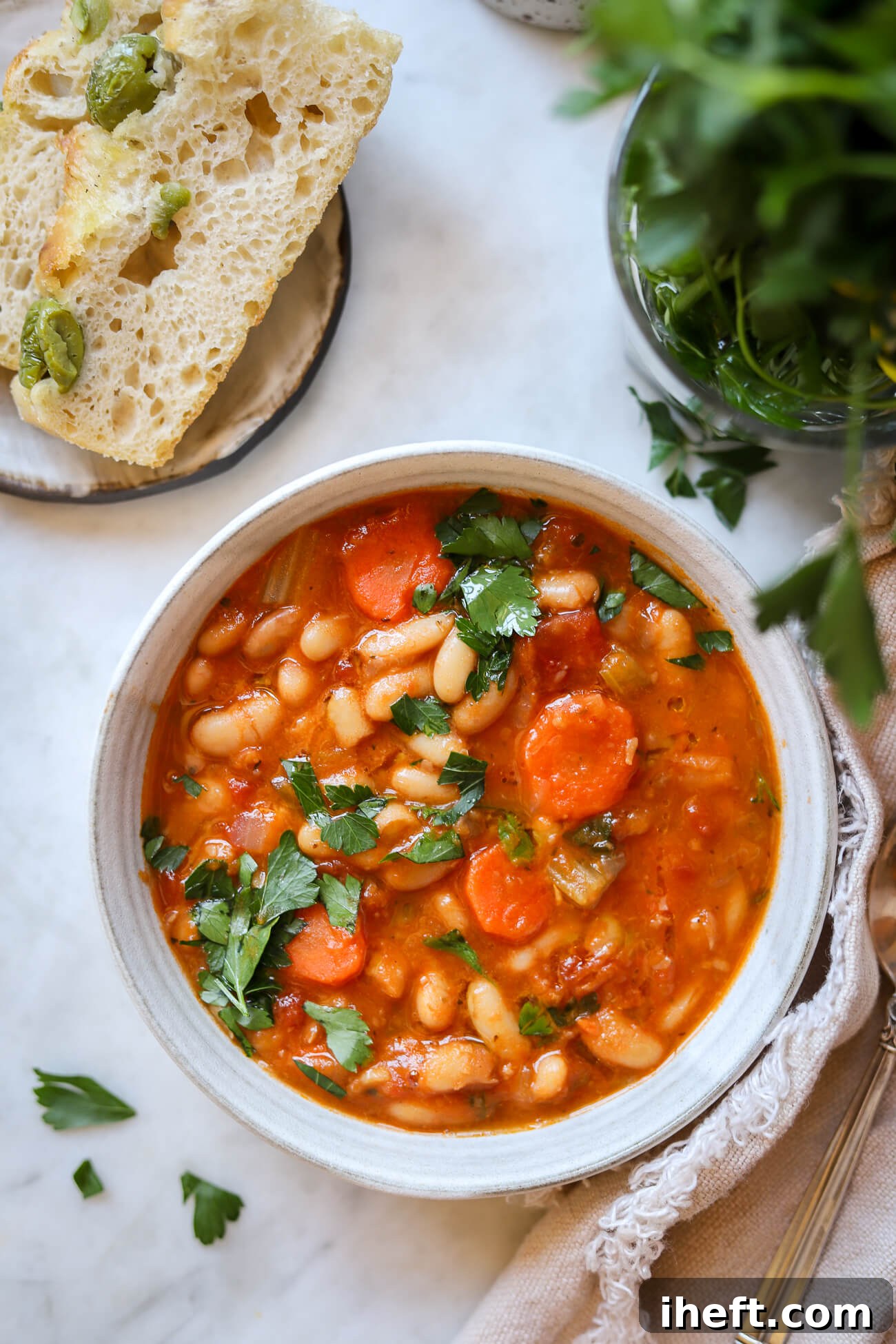
- Season and Serve: Once the beans are cooked through and tender, taste the soup and adjust the seasonings as needed. This is your opportunity to add more salt, pepper, or oregano to suit your palate. Ladle the hot Fasolada into individual bowls. Garnish each serving generously with fresh chopped Italian parsley. Serve immediately with a hearty piece of crusty bread for dipping.
Elevating Your Fasolada: Serving Suggestions & Pairings
Fasolada, in its beautiful simplicity, can be a meal in itself, especially when accompanied by a robust piece of crusty bread perfect for soaking up the flavorful broth. However, to truly create a “Greek feast” and fully embrace the Mediterranean dining experience, consider pairing it with a selection of complementary dishes.
Imagine a spread featuring the rich, savory flavors of this white bean soup alongside:
- Spanakopita: Flaky phyllo pastry filled with a spinach and feta mixture adds a wonderful textural contrast.
- Olives: A bowl of assorted Greek olives provides a briny, salty counterpoint to the soup’s earthiness.
- Greek Feta Cheese and Pita: Crumbled feta offers a tangy, salty burst, while warm pita bread is ideal for scooping.
- Traditional Greek Salad (Horiatiki): A vibrant salad with tomatoes, cucumbers, onions, bell peppers, olives, and feta, dressed simply with olive oil and red wine vinegar, brings freshness and acidity.
- Homemade Olive Focaccia: The airy, olive-studded bread is an exquisite choice for dipping and adds a rustic charm.
- Homemade Pita Chips: Crispy and seasoned, these provide a satisfying crunch that complements the soft texture of the beans.
Whether enjoyed as a standalone dish or as part of a larger spread, Fasolada truly shines, offering warmth, sustenance, and a taste of Greek hospitality.
The Health Benefits of Fasolada: Why It’s a Blue Zone Staple
Fasolada isn’t just delicious; it’s a nutritional powerhouse that perfectly aligns with the principles of the Blue Zone diet, which emphasizes plant-forward eating for longevity and well-being. Here’s why this Greek white bean soup is incredibly good for you:
- Rich in Plant-Based Protein: White beans are an excellent source of protein, making Fasolada a complete and satisfying meal for vegetarians and vegans. Protein is essential for muscle repair, growth, and overall bodily functions.
- High in Dietary Fiber: Legumes are renowned for their high fiber content. The fiber in Fasolada aids digestion, promotes gut health, helps regulate blood sugar levels, and contributes to a feeling of fullness, which can support weight management.
- Packed with Vitamins and Minerals: The beans themselves, along with the generous amounts of carrots, celery, and onions, provide a wealth of essential vitamins and minerals. These include B vitamins, iron, magnesium, potassium, and zinc, all vital for energy production, immune function, and nerve health.
- Heart-Healthy Fats: The use of extra virgin olive oil, a cornerstone of the Mediterranean diet, adds healthy monounsaturated fats. These fats are known to reduce bad cholesterol levels and support cardiovascular health.
- Antioxidant Properties: The vegetables, herbs like oregano and parsley, and even the beans themselves are rich in antioxidants. These compounds help protect the body’s cells from damage caused by free radicals, potentially reducing the risk of chronic diseases.
- Low Glycemic Index: The complex carbohydrates in beans contribute to a low glycemic index, meaning they cause a slower and steadier rise in blood sugar compared to refined carbohydrates. This is beneficial for energy levels and managing diabetes.
By incorporating Fasolada into your diet, you’re not just enjoying a traditional Greek dish; you’re investing in your long-term health, savoring a meal that is both comforting and profoundly nourishing, just as the centenarians of the Blue Zones have done for generations.
Tips for Storing and Reheating Fasolada
Fasolada is one of those wonderful dishes that often tastes even better the next day, as the flavors have more time to meld and deepen. Proper storage and reheating will ensure you can enjoy your delicious Greek white bean soup for days to come.
- Storing Leftovers: Allow the soup to cool completely to room temperature before transferring it to an airtight container. Store it in the refrigerator for 3 to 4 days. Avoid leaving the soup at room temperature for extended periods to prevent bacterial growth.
- Reheating on the Stovetop: For the best results, reheat Fasolada gently on the stovetop over medium-low heat. Stir occasionally to prevent sticking and ensure even heating. If the soup has thickened too much in the refrigerator, you may want to add a splash of vegetable broth or water to achieve your desired consistency.
- Reheating in the Microwave: If you’re in a hurry, individual portions can be reheated in the microwave. Place the soup in a microwave-safe bowl and heat in 1-minute intervals, stirring in between, until heated through. Be cautious not to overheat, as this can alter the texture of the beans.
- Freezing Fasolada: Fasolada freezes exceptionally well, making it perfect for meal prep. Once cooled, transfer the soup to freezer-safe containers or heavy-duty freezer bags, leaving some headspace for expansion. It can be frozen for up to 3 months. Thaw overnight in the refrigerator before reheating.
With these simple tips, you can extend the enjoyment of your homemade Fasolada, ensuring a healthy and delicious meal is always within reach.
Conclusion: Savoring the Simplicity of Greek Cuisine
Fasolada is a testament to the beauty of simple, wholesome ingredients transforming into a dish of profound flavor and nourishment. As Greece’s beloved national soup, it embodies the spirit of the Mediterranean diet and the wisdom of Blue Zone living – proof that eating for longevity can be incredibly delicious and deeply satisfying. From the careful selection of creamy white beans to the aromatic dance of vegetables and herbs, every step in making Fasolada contributes to a meal that warms the body and soul.
Whether you’re seeking a comforting weeknight dinner, a healthy plant-based option, or simply a taste of authentic Greek tradition, this Fasolada recipe offers a journey into the heart of Greek culinary heritage. Prepare a pot today and experience the simple elegance and robust flavors of this timeless classic, a dish that has nourished generations and continues to inspire healthy eating around the world. Kali Orexi!