A Culinary A-List
Are you on a culinary quest to broaden your palate? Perhaps you’re simply seeking inspiration for delicious new recipes or healthier food choices. Whatever your motivation, exploring ingredients is a fantastic way to invigorate your cooking and dining experiences. This comprehensive guide introduces you to 17 fantastic foods that begin with the letter ‘A’, complete with insights on their uses, benefits, and how to incorporate them into your meals. Prepare to discover familiar favorites and exciting new additions to your grocery list!
Do you often find yourself sticking to the same limited range of meals, whether dining out or cooking at home? Many people do! Stepping outside your comfort zone and embracing new ingredients can feel daunting, especially when familiar dishes offer such comforting predictability. However, a desire to explore the diverse world of food is a wonderful inclination, signaling a readiness to embark on exciting gastronomic adventures. While you’re likely familiar with popular choices like apples, have you ever considered the unique flavors of arame or the nutritional power of amaranth?
When this culinary curiosity strikes, the sheer number of options available can seem overwhelming. That’s why focusing on a specific category, like “foods that start with A,” can provide an excellent starting point for your exploration. This curated list is designed to spark your imagination, whether you’re looking to introduce a new ingredient into your favorite meals or venture into entirely new culinary territory. Keep reading to unlock a world of flavor and nutrition!
Unlocking the A-List: Delicious Foods That Start With A
From vibrant spices to versatile grains and essential produce, this list is packed with diverse options. Whether your goal is to add a fresh twist to everyday recipes or delve into new global cuisines, you’re guaranteed to find something inspiring. Let’s dive right into our amazing selection of A-foods!
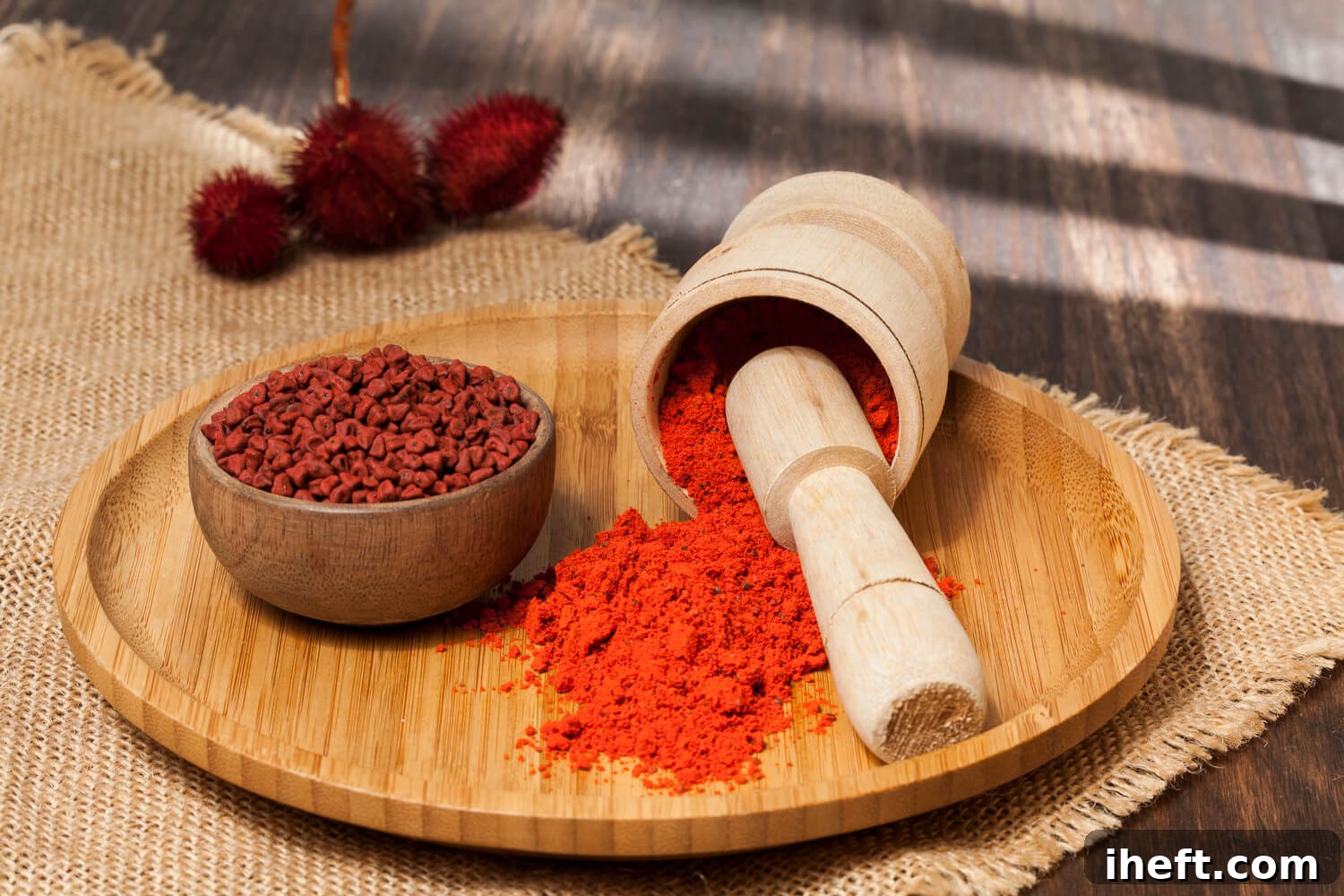
Achiote Seeds
Also widely known as Annatto, achiote seeds are a vibrant, versatile ingredient primarily celebrated for their rich, earthy color and subtle, peppery flavor. Originating from the tropical regions of the Americas, particularly the Yucatán Peninsula, these small reddish-orange seeds have been a staple in Mesoamerican cuisine for centuries. In the United States, they are commonly recognized as a natural food coloring, responsible for the inviting hue of products like cheddar cheese and margarine. However, their culinary applications extend far beyond mere aesthetics.
Achiote is fundamental to Mexican cooking, especially in creating achiote oil or paste, which imparts a distinctive taste and color to stews, rice dishes, and marinated meats. It’s a key ingredient in iconic dishes such as cochinita pibil, a slow-roasted pork from Yucatán. To prepare achiote oil, simply infuse the seeds in a hot oil of your choice, straining them out once the color and flavor have been extracted. This oil can then be used as a base for various dishes. Beyond their culinary appeal, achiote seeds are rich in antioxidants and possess anti-inflammatory properties, making them a healthy and flavorful addition to your kitchen.
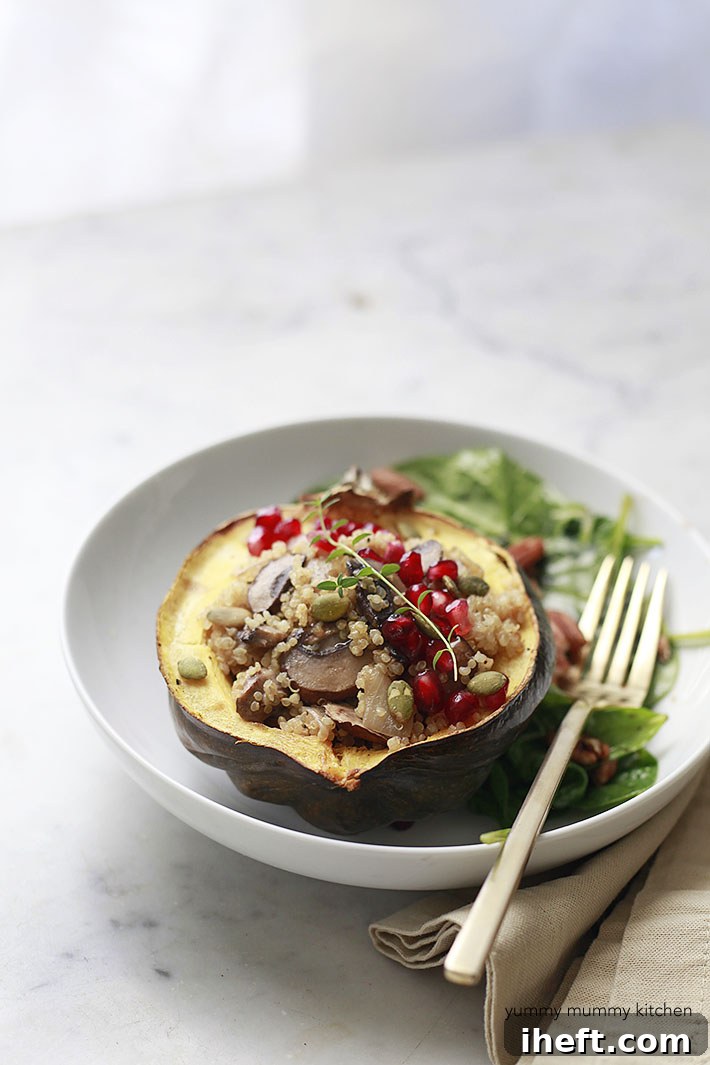
Acorn Squash
A true jewel of the autumn and winter seasons, acorn squash is beloved for its striking green rind and tender, sweet yellow-orange flesh. This hard-shelled winter squash boasts a delightful nutty flavor that makes it incredibly versatile in the kitchen. It’s fantastic when roasted as a simple side dish, adding a touch of sweetness and depth to any meal. Cubed and added to salads, it provides a hearty texture and vibrant color. One of its most popular uses is being stuffed with a variety of fillings, from savory grains and vegetables to sweet fruit and nuts, turning it into a comforting and visually appealing main course.
Beyond its delicious taste, acorn squash is a nutritional powerhouse. It’s packed with Vitamin C, essential B Vitamins like folate, and numerous other vitamins and minerals, including potassium and magnesium. It offers a healthy dose of complex carbohydrates and dietary fiber, promoting digestive health and sustained energy. For a wholesome and satisfying meal, try this Quinoa Stuffed Acorn Squash recipe, which perfectly highlights its rich flavor and comforting qualities. Whether baked, roasted, or pureed into a creamy soup, acorn squash is a superb choice for healthy and delicious eating.

Almonds
Recognized globally for their delicate, mild flavor and satisfying crunch, almonds are undoubtedly one of the most versatile and celebrated nuts. These small, nutrient-dense kernels are enjoyed in countless forms across cultures. As a simple snack, they offer a quick energy boost and a dose of healthy fats. They make a fantastic addition to salads, providing texture and a subtle richness, or can be ground into a creamy almond butter for spreads and baking. Almonds are also a cornerstone of plant-based cuisine, transformed into popular dairy alternatives like almond milk and various plant-based cheeses.
Like other tree nuts, almonds are an excellent source of plant-based protein, healthy monounsaturated fats, and dietary fiber. They are also rich in Vitamin E, magnesium, and calcium, contributing to heart health, bone strength, and skin vitality. California is a major producer of almonds, which are available year-round in shelled, blanched, slivered, or flour forms. Their adaptability shines in both sweet and savory dishes. Explore their potential with these delightful recipes:
- Gluten-Free Almond Biscotti
- Healthy Brownies made with Almond Flour
- Homemade Chocolate Almond Milk
- Vegan Ricotta made with Raw Almonds!
Anchovies
Anchovies are small, silvery saltwater fish, typically consumed filleted and cured, often packed in oil or salt. Despite their diminutive size, these fish deliver an incredibly potent burst of salty, briny, and umami flavor that has made them a beloved staple in Mediterranean cooking for centuries. Their intense taste means a little goes a long way, transforming dishes with a depth of flavor that’s hard to replicate.
While some find their assertive flavor polarizing – you either love them or hate them – anchovies are incredibly versatile. They are famously used to add a savory kick to salads (most notably in Caesar dressing), and as a topping for pizzas. However, their culinary reach extends much further: they can be melted into pasta sauces, used as a secret ingredient in stews and marinades to enhance richness, or form the base of dips like bagna càuda. High in omega-3 fatty acids, protein, and essential minerals, anchovies are not just a flavor enhancer but also a nutritious addition to your diet.
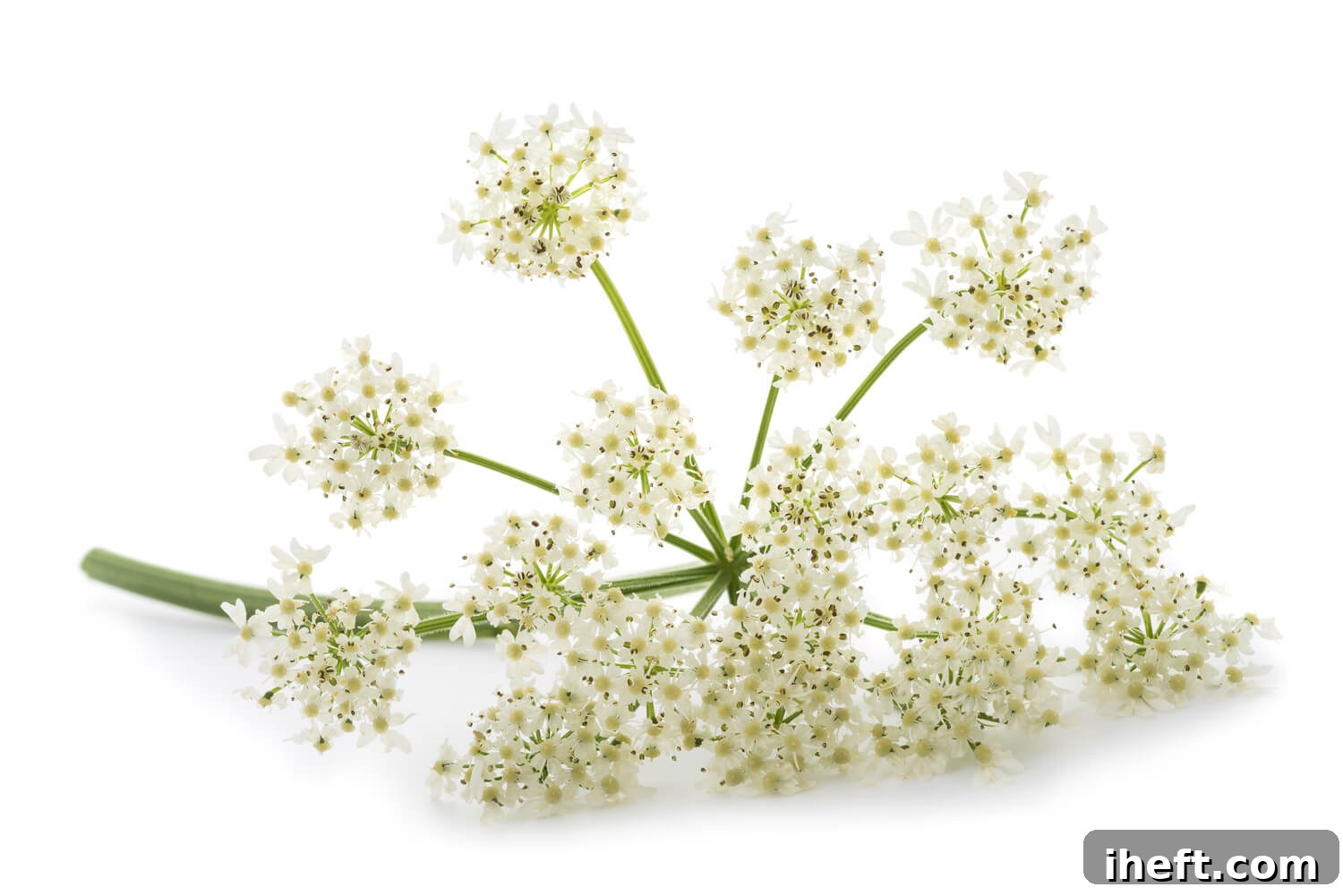
Angelica
Angelica, a fascinating herb often referred to as wild celery, boasts a complex flavor profile that is simultaneously bitter, sweet, and intensely aromatic. Its distinctive taste makes it a unique addition to both savory and sweet dishes, pairing exceptionally well with other strong flavors such as ginger, lavender, rhubarb, apricots, cream, and almonds. Historically, angelica has been valued not only for its culinary uses but also for its medicinal properties, particularly in traditional European and Asian herbal medicine.
You can enjoy angelica much like you would celery: the fresh stalks and tender leaves are delicious when eaten raw in salads, offering a crisp texture and intriguing flavor. The stalks can also be cooked, much like rhubarb, in stews, soups, or even baked goods, where their unique taste can truly shine. Consider adding some finely chopped angelica to your next Strawberry Rhubarb Crisp for an unexpected twist, or use its candied stems as a garnish for desserts. The roots and seeds are also used, particularly in the distillation of certain liqueurs like Chartreuse and Benedictine, showcasing its aromatic versatility.
Anise
Anise, often called aniseed, is a flowering plant native to the Eastern Mediterranean region and Southwest Asia, cherished globally for its warm, distinct licorice-like flavor. Its aromatic seeds are a cornerstone in various cuisines, used either whole or ground, adding a sweet and spicy note to a wide array of dishes. While often confused with star anise due to similar flavors, they are botanically distinct species; star anise comes from an evergreen tree and has a stronger, more pungent taste.
In cooking, anise seeds are particularly popular in baked goods such as cookies, cakes, and bread, where they impart a comforting, sweet aroma. Beyond desserts, they can also be found in savory applications, including certain sausages, stews, and fish dishes, especially in Mediterranean and Middle Eastern cooking. Anise is also a common ingredient in teas, often lauded for its digestive benefits and ability to soothe an upset stomach or alleviate coughs. Its essential oil is used in confectionery and spirits, highlighting its broad appeal and aromatic potency.
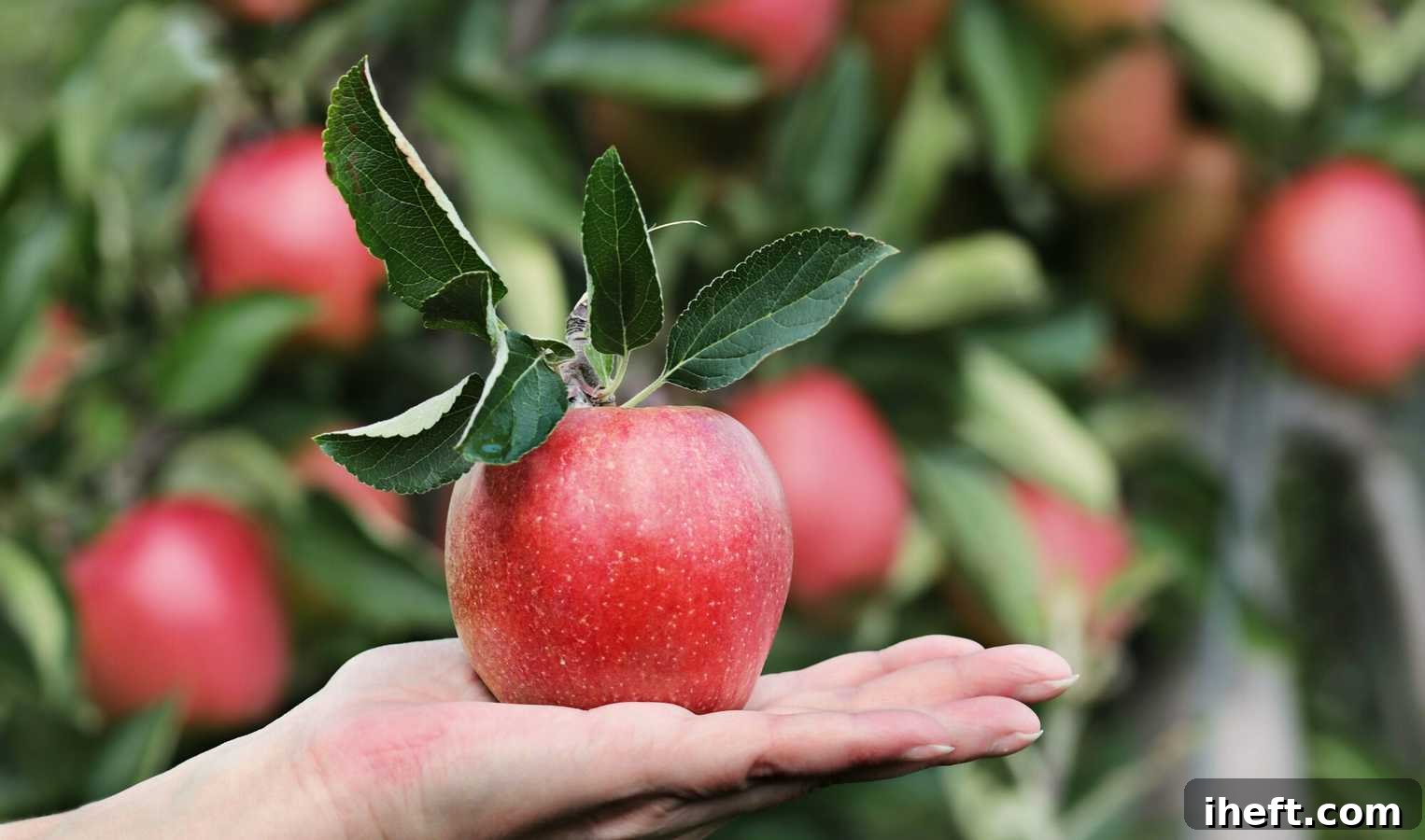
Apples
When one thinks of “foods that start with A,” the crisp, juicy apple is often the first to spring to mind, and for good reason! This ubiquitous fruit is not only delicious but also incredibly healthy and remarkably versatile, making it a perennial favorite around the world. With thousands of varieties, from the tart Granny Smith to the sweet Fuji, Gala, and Honeycrisp, there’s an apple for every palate and every culinary purpose.
Apples are a nutritional powerhouse, rich in dietary fiber (especially soluble fiber, which is great for heart health), antioxidants, and Vitamin C. They are perfect for a quick, healthy snack eaten fresh, but their uses extend far beyond. They are a staple in baking, starring in pies, crumbles, and tarts, and are foundational to making homemade applesauce, apple cider, and apple cider vinegar. The versatility of apples means they can be incorporated into both sweet and savory dishes, from salads to roasted pork. Discover new ways to enjoy this classic fruit with these creative recipes:
- Apple Cider Vinegar Drink
- How to Make Apple Cider from Scratch
- Applesauce in the Slow Cooker
- Apple Crumble Pie
- Autumn Apple Maple Scones
Arugula
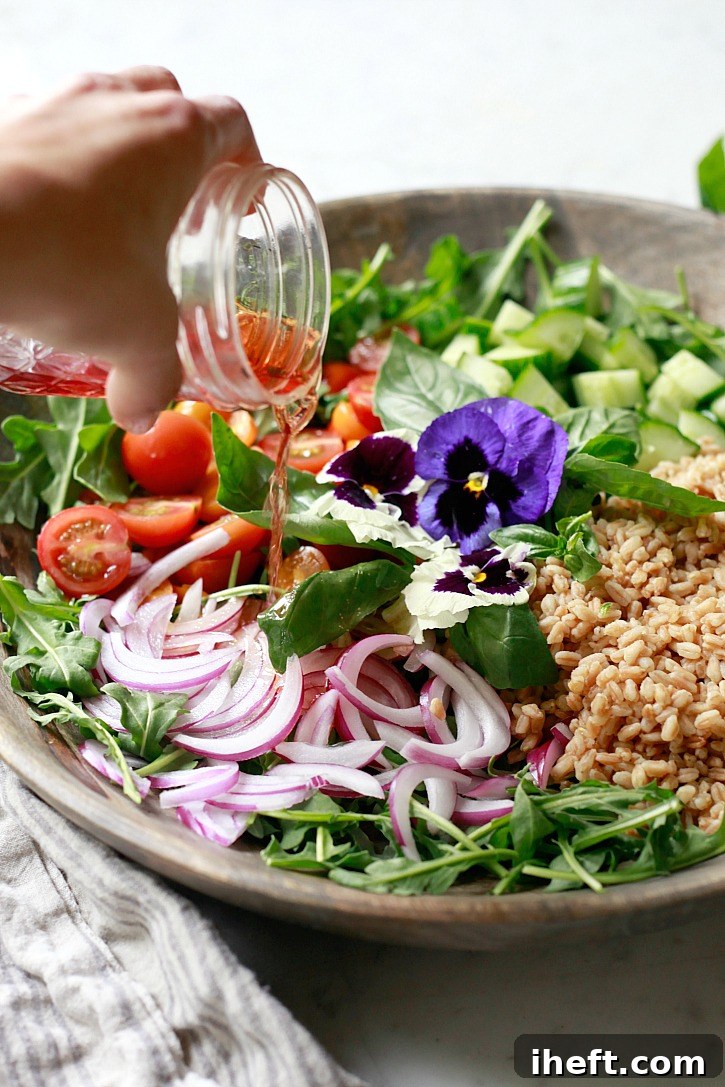
Known also as rocket, arugula is a vibrant, leafy green belonging to the cruciferous vegetable family, celebrated for its distinctive fresh, peppery, and slightly bitter taste. This bold flavor profile makes it an exceptional choice for elevating a wide range of dishes, especially salads, where its zest adds a lively contrast to milder greens. Its delicate, tender leaves are best enjoyed fresh, adding a sophisticated edge to simple preparations.
Beyond its common use in salads, arugula’s peppery bite makes it a fantastic topping for pizzas, where its freshness cuts through the richness of cheese and sauce. It’s also excellent when folded into pasta dishes just before serving, blended into a vibrant pesto, or tucked into sandwiches and wraps for an added layer of flavor. Nutritionally, arugula is a low-calorie vegetable packed with vitamins K, C, and A, as well as folate and calcium, making it a healthy and flavorful addition to any meal. Explore the versatility of fresh arugula in these tantalizing recipes:
- Farro Salad
- Panzanella
- Watermelon Feta Salad
- Atop Homemade Pizza

Asparagus
Asparagus, a quintessential springtime perennial vegetable, signals the arrival of warmer weather with its elegant, tender spears shooting straight up from the ground. While the most common variety is vibrant green, you can also find delicate white and striking purple asparagus in markets, each offering a slightly different flavor and texture profile. Its delicate, slightly earthy, and subtly sweet taste makes it a highly prized ingredient that can be prepared in numerous ways to highlight its natural deliciousness.
Whether lightly sautéed, perfectly roasted to achieve tender-crisp perfection, or grilled for a smoky char, asparagus is always a delightful side dish. It can also be pureed into a luxurious, creamy soup or incorporated into risottos and pasta dishes. For a truly elegant and memorable meal, consider preparing this Asparagus Tart, perfect for brunch or a light lunch. Nutritionally, asparagus is an excellent choice: it’s exceptionally high in essential nutrients like folate, Vitamin K, and antioxidants, while remaining remarkably low in calories. It also provides a good source of dietary fiber, supporting digestive health. Enjoy this seasonal delight while it lasts!
Avocados
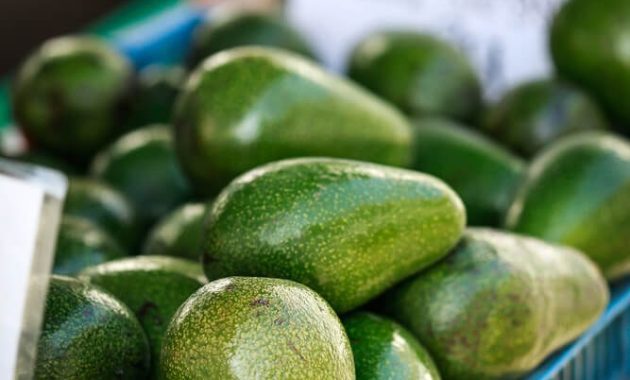
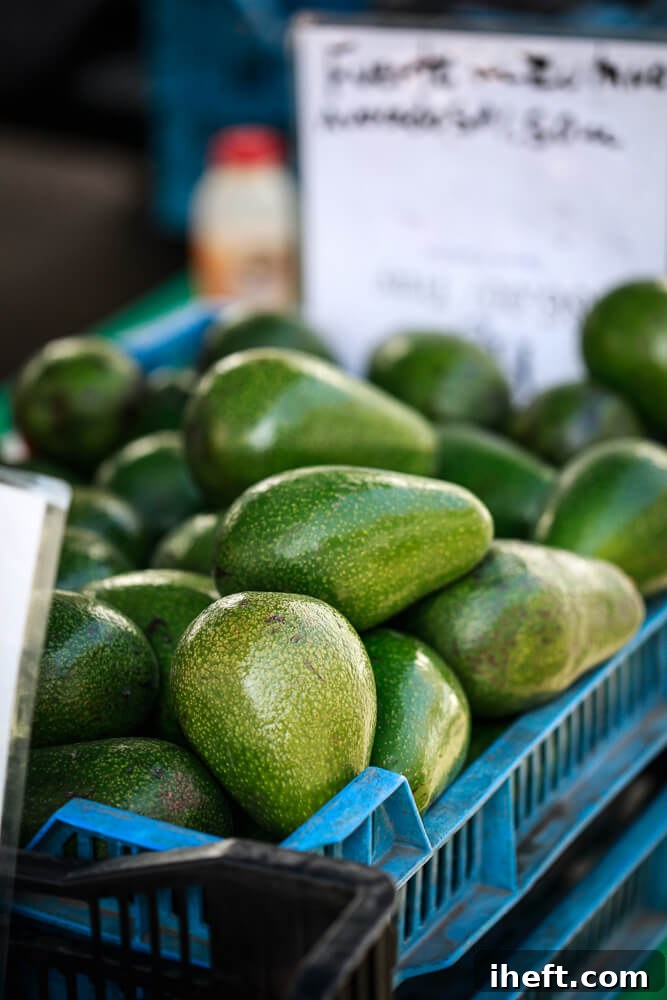
In recent years, avocados have absolutely captivated the culinary world, becoming a social media darling and a staple in healthy eating. From being crocheted into adorable plushies to starring in catchy slogans and dominating Instagram feeds, this versatile fruit has truly taken the globe by storm! What might surprise many is that the history of human consumption of avocados dates back an astonishing 10,000 BC in Mesoamerica. Primarily cultivated in Mexico, avocados are also grown in regions further south, as well as in places like California and parts of southern Europe.
The true magic of avocados lies in their incredible versatility. They are renowned for their creamy texture and mild, nutty flavor, making them suitable for an endless array of dishes. Rich in healthy monounsaturated fats (particularly oleic acid), potassium, fiber, and various vitamins (C, E, K, B-6), avocados are a powerhouse of nutrition, promoting heart health, satiety, and glowing skin. Learn the best techniques for cutting and freezing avocados, then explore these exciting ideas to incorporate them into your diet:
- Avocado Egg Rolls
- Stuffed Avocados
- Avocado Caprese Sandwich
- Mango Avocado Salsa
- The Best Guacamole
The possibilities for integrating avocados into meals, snacks, and even unexpected desserts are truly endless. Their creamy texture can replace fats in baking, and their mild flavor pairs well with both sweet and savory ingredients. Don’t hesitate to try some of these delightful recipes and experience the joy of cooking with avocados!
Apricots
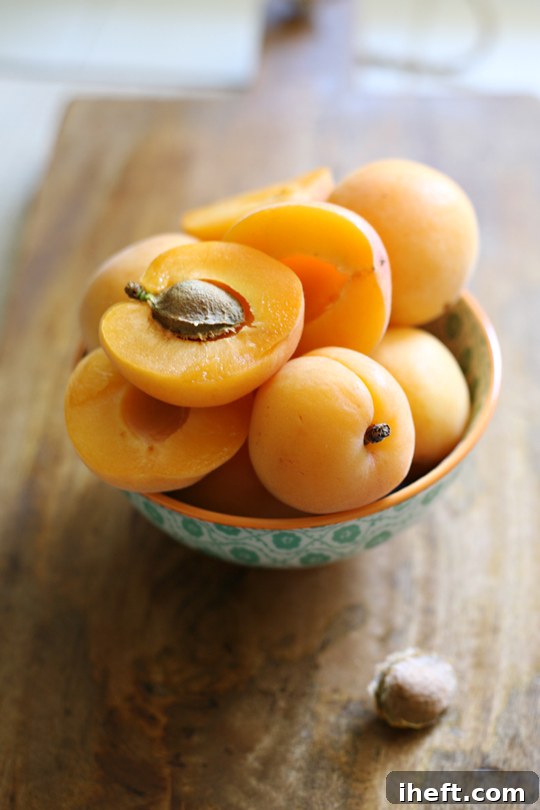
Did you know that apricots, with their velvety skin and sweet-tart flesh, trace their origins to Central Asia and China, where they have been cultivated for thousands of years? Even more surprising to many is the fact that this delicious fruit is a member of the rose family, making it a close botanical cousin to peaches, plums, almonds, and cherries! This kinship explains its stone fruit characteristics and delicate flavor profile.
Apricots are one of the most delightful “A” foods, enjoyed fresh during their brief summer season, or dried for year-round enjoyment. Their natural sweetness and slight tartness make them ideal for creating homemade jellies and jams, a perfect summer activity. They are also highly nutritious, rich in vitamins A and C, fiber, and antioxidants, contributing to vision health, immune support, and digestion. For those looking to incorporate healthy, naturally sweet options into their diet, apricots serve as a fantastic sugar substitute in many recipes. Here are some more inspiring ways to enjoy apricots:
- Apricot Almond Bars
- Grilled Apricot Arugula Salad
- Apricot-Plum Almond Tart (a true celebration of the rose family!)
- Orange Cranberry Apricot Bread
These recipes are definitely worth a trip to your local market. Whether fresh or dried, apricots offer a burst of flavor and a host of health benefits, making them a must-try for any adventurous eater.
Artichokes
The artichoke, a majestic and intriguing vegetable, has a surprisingly mysterious past. While its exact origins remain unknown, historical evidence suggests that artichokes were enjoyed and cultivated by Ancient Greeks, Egyptians, and Romans in the Mediterranean region. This rich history hints at a long-standing appreciation for its unique flavor and impressive nutritional profile. Today, artichokes have found a cherished home in American cuisine and are celebrated for their distinctive earthy, slightly nutty, and subtly sweet taste.
Preparing a whole fresh artichoke involves trimming its thorny leaves and cooking until tender, often by steaming or boiling, then peeling away the leaves to eat the fleshy base and, finally, the prized “heart.” Canned and frozen artichoke hearts are also widely available, offering convenience without sacrificing much flavor. Artichokes are incredibly healthy, boasting high levels of fiber, antioxidants, and essential vitamins and minerals like Vitamin C, Vitamin K, and folate. They are particularly beneficial for digestive health. Their versatility shines in a variety of savory dishes. Here are some beloved preparations:
- Potato Artichoke Frittata
- Healthy Spinach Artichoke Dip
- Gluten-Free Artichoke Zucchini Risotto
- Artichoke and Pea Risotto
If you’re in search of a savory, satisfying dish with a touch of gourmet flair, these artichoke-infused recipes are sure to impress your palate.
Acai Berries
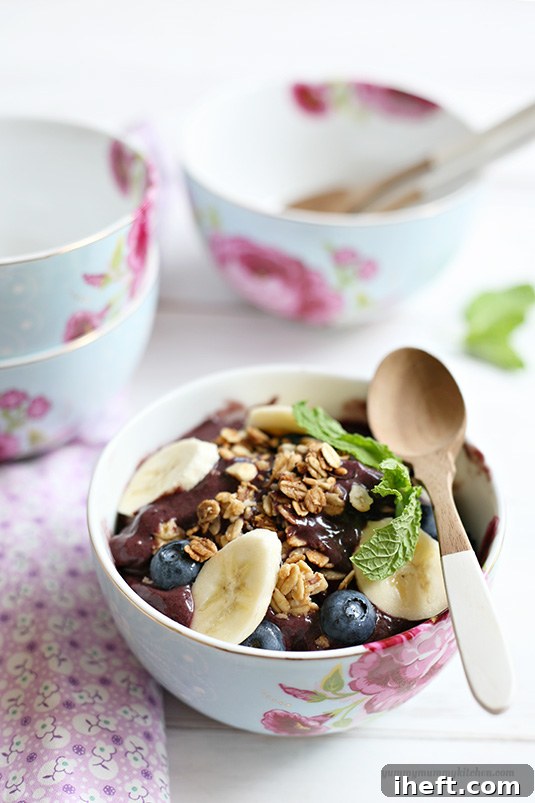
Next on our list of incredible foods that start with A are acai berries, tiny purple powerhouses that have achieved superfood status globally. What makes their journey so remarkable is their relative invisibility in the Western world until the 1990s. While other “A” foods have millennia of documented history, these little berries have only been a prominent feature in Western diets for about three decades – a surprisingly short time given their immense popularity!
Indigenous tribes of the Amazon Rainforest have long recognized and utilized acai berries for their profound health benefits, consuming them as a staple food. They understood that these berries not only strengthened the immune system but also protected the heart. Modern science has confirmed many of these traditional beliefs, highlighting the numerous benefits of acai berries:
- Exceptionally rich in antioxidants, helping to combat oxidative stress.
- May contribute to improved cholesterol levels, supporting cardiovascular health.
- Potential to boost brain health and cognitive function.
- Loaded with healthy fats, fiber, and essential nutrients.
These scrumptious, nutrient-dense berries are typically enjoyed blended into a thick, refreshing acai smoothie bowl, often topped with granola, fresh fruit, coconut flakes, and other wholesome additions. They also make a fantastic base for smoothies, juices, and even desserts, offering a subtly earthy, berry-like flavor. Incorporating acai into your diet is an easy and delicious way to boost your nutrient intake and enjoy a taste of the Amazon.
Amaranth
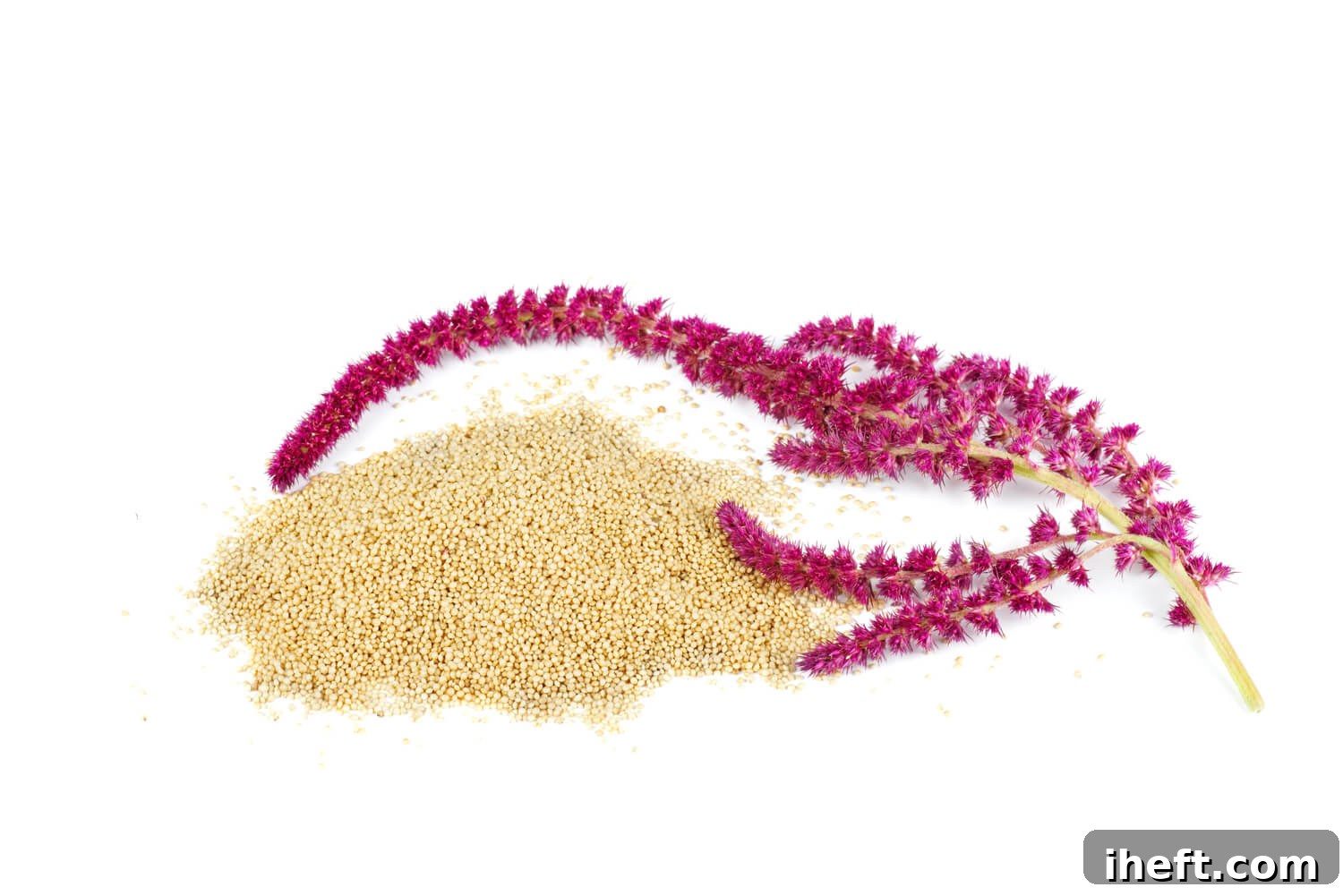
Amaranth is an ancient grain, or more accurately, a pseudocereal, that has been a dietary staple for civilizations like the Aztecs and Incas for thousands of years. Resembling quinoa in its tiny size and versatility, amaranth boasts a delightful nutty, earthy, and mild flavor that makes it incredibly adaptable in the kitchen. It can be cooked in a similar fashion to other grains, absorbing liquids to create a porridge-like consistency or a fluffy side dish, making it suitable for both sweet and savory preparations.
What truly sets amaranth apart is its exceptional nutritional profile. It is naturally gluten-free, making it an excellent choice for individuals with celiac disease or gluten sensitivity. Furthermore, amaranth is one of the few plant-based foods considered a complete protein, containing all nine essential amino acids. It’s also remarkably high in dietary fiber, iron, magnesium, phosphorus, and calcium, contributing to bone health, energy levels, and digestive wellness. You can use amaranth as a hearty breakfast porridge, as a nutritious base for salads, or even popped like popcorn for a unique snack. Its flour is also used in baking to add moisture and protein to gluten-free recipes, showcasing its incredible versatility.
Arame
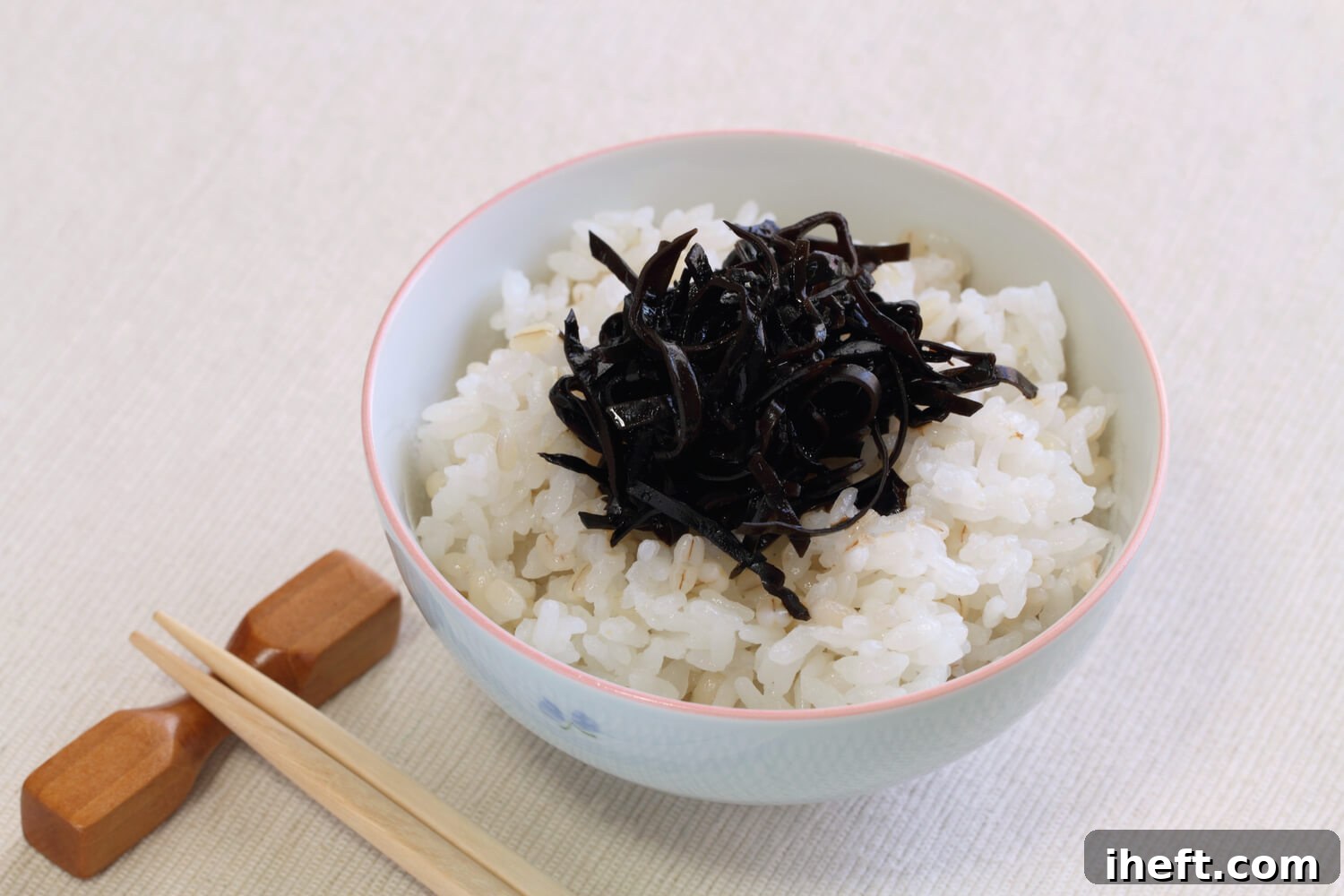
Does the idea of incorporating a sea vegetable into your diet intrigue you? If you’re looking to expand your culinary horizons, arame might be just the ingredient you need! Mostly popular in Japanese cuisine, arame is a delicate, edible brown seaweed, prized for its mild, subtly sweet flavor and pleasant, slightly firm texture. Unlike some stronger-flavored seaweeds, arame offers a gentle introduction to marine vegetables, making it a great choice for beginners.
Typically sold in dried, shredded strands, arame needs to be rehydrated before use, which softens its texture and expands its volume. It’s often used as an elegant garnish for various dishes or served as a flavorful side dish, particularly alongside rice or noodles. Additionally, arame is sometimes enjoyed on its own, lightly sautéed with other vegetables or simply boiled and dressed. This remarkable veggie from the depths of the sea is surprisingly rich in essential vitamins and minerals, including a significant amount of iron, calcium, magnesium, and iodine, which is crucial for thyroid health. Its mild taste also makes it easy to blend into stir-fries, soups, and salads, adding a nutritious boost and unique umami flavor without overpowering other ingredients.
Alfredo Sauce
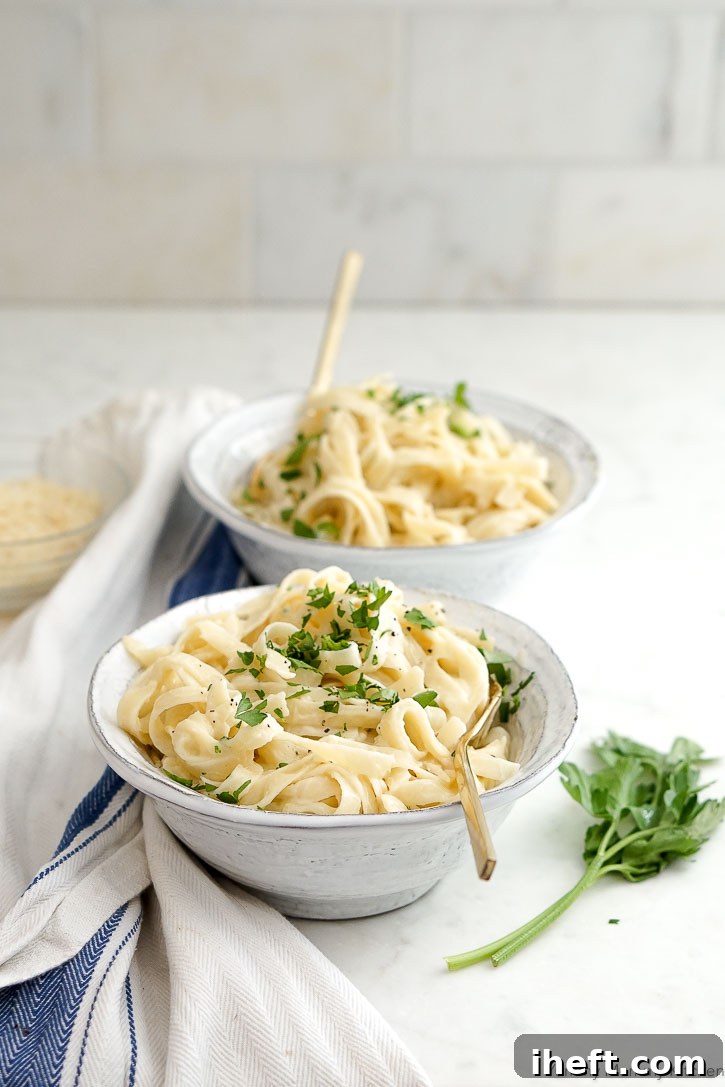
Pasta: a universally beloved, often simple-to-make meal perfect for busy weeknights, offering comfort and satisfaction to nearly everyone. While acidic tomato sauces are a classic choice, sometimes it’s wonderful to switch things up and indulge in a richer, creamier experience. That’s precisely where Alfredo sauce steps in to deliver a truly luxurious dining experience.
This iconic Italian creation is undoubtedly one of the best “A” foods when it comes to sauces. Originating from Rome, traditional Alfredo sauce is remarkably simple, typically made with just butter, Parmigiano-Reggiano cheese, and a little pasta water to create a silky emulsion that coats pasta beautifully. Its creamy, thick texture, often paired with fettuccine, is so irresistibly delicious that you’ll undoubtedly find yourself reaching for seconds. Modern variations often include heavy cream, garlic, and sometimes nutmeg, allowing for an even richer profile. Alfredo sauce is incredibly versatile, pairing wonderfully with various types of pasta and providing a delightful base for adding vegetables, grilled chicken, or shrimp. If you’re already an Alfredo admirer or looking for a healthier take, try this innovative cauliflower fettuccine Alfredo recipe. It offers all the creamy indulgence with a wholesome twist, and it will certainly not disappoint!
Agave
If you frequent health-conscious cafes or enjoy natural sweeteners, you might already be familiar with agave. This remarkable plant, native to the Caribbean and Mexico, has been utilized by indigenous peoples for millennia. In Mesoamerican times, the agave plant was revered, with every part serving a purpose. From its robust leaves, ancient Mesoamericans crafted durable ropes, sandals, and even fuel. The heart of the plant, often roasted, provided a nourishing feast. Can you think of any other “A” foods that offered such comprehensive utility?
Today, agave is most widely recognized for its nectar (or syrup), a natural sweetener extracted from the plant’s core. Agave nectar is often used as a substitute for refined sugar or high-fructose corn syrup in drinks and foods, celebrated for its lower glycemic index compared to table sugar, though it is still high in fructose. It has a neutral flavor profile, making it a versatile addition to beverages, desserts, and even savory glazes. Beyond the nectar, the agave plant is also famously the source of tequila and mezcal, spirits deeply rooted in Mexican culture. With its rich history and diverse applications, agave truly stands out as a fascinating and multi-faceted ingredient that begins with the letter A.
A-Foods: A World of Flavor Awaits You!
From the ancient grains of amaranth to the globally beloved avocado, this exploration of “A” foods has surely opened your eyes to a wealth of culinary possibilities. Some of these ingredients may be familiar staples, while others might have been entirely new discoveries, catching you deliciously by surprise. Regardless of your prior knowledge, the most important takeaway is this: A-foods are for everyone – and yes, that absolutely includes you!
Imagine the delightful dance your tastebuds will perform as you savor a new recipe featuring achiote-spiced chicken, or the comforting satisfaction of a hearty acorn squash stuffed with flavorful grains. These foods are not just ingredients; they are invitations to experiment, to be creative, and to infuse your meals with fresh excitement and unparalleled nutrition. The sheer variety and versatility of these “A” items mean you can easily integrate them into your daily diet, whether you’re aiming for healthier eating, exploring international cuisines, or simply having fun in the kitchen.
So, what are you waiting for? Get cracking with the fun! Embrace the adventure of trying something new, and let these amazing A-foods transform your cooking. For even more invigorating ways to discover and love healthy food, click here to subscribe to the Yummy Mummy Kitchen today!