Cinnamon Sugar Delights
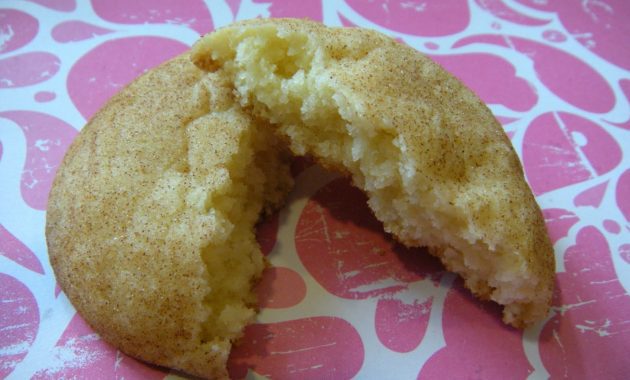
The Ultimate Snickerdoodle Recipe: Classic Comfort Without Cream of Tartar
There’s nothing quite like the embrace of a cool autumn day, a gentle breeze rustling through golden leaves, and the promise of warmth emanating from your kitchen. It’s the kind of day that instinctively calls for baking, for filling your home with those irresistible aromas that only cinnamon and sugar can provide. And what better way to answer that call than with a batch of perfectly baked Snickerdoodle cookies?
Snickerdoodles hold a special place in the pantheon of classic American cookies. Their distinctive crackled surface, the generous coating of cinnamon sugar, and that perfect balance of a slightly crisp exterior giving way to a wonderfully soft and chewy interior make them utterly irresistible. They evoke a sense of nostalgia, comfort, and simple, wholesome joy.
A Twist on Tradition: Snickerdoodles Without Cream of Tartar
Traditionally, Snickerdoodle recipes call for cream of tartar, an ingredient often lauded for contributing to the cookie’s signature tangy flavor and its unique chewy texture, while also helping to prevent the sugar from crystallizing too much. However, sometimes you find yourself in a situation where your pantry is missing this particular ingredient. Or, like many savvy bakers, you might prefer to stick to more common staples.
That was precisely the scenario that led to the discovery of this truly remarkable recipe. When faced with an empty cream of tartar jar, the search began for an alternative that wouldn’t compromise on the beloved Snickerdoodle experience. It was a pleasant surprise to stumble upon Martha Stewart’s rendition, a recipe that boldly omits cream of tartar yet still delivers an impeccable cookie. This innovative approach relies on baking powder to achieve the perfect lift and texture, proving that you don’t always need every traditional ingredient to create a masterpiece.
This particular recipe masterfully ensures that your cookies retain their shape beautifully in the oven. Unlike some recipes that can lead to thin, overly spread-out cookies, these Snickerdoodles maintain a delightful “meatiness.” The result is a substantial cookie with a satisfying slightly crisp outside that gives way to a wonderfully soft and tender inside. It’s a texture profile that is truly the hallmark of a perfectly executed Snickerdoodle.
Why This Snickerdoodle Recipe Will Become Your Go-To
Beyond the convenience of not requiring cream of tartar, this recipe shines for several reasons. It’s straightforward, uses readily available ingredients, and yields consistently delicious results. It’s ideal for bakers of all skill levels, ensuring a successful batch of cookies every time. Whether you’re baking for a holiday gathering, a casual family treat, or simply to fill your home with comforting aromas, these Snickerdoodles are a guaranteed hit.
The magic truly happens with the simple combination of butter, sugar, eggs, and flour, expertly brought together to create a dough that’s easy to handle. The final flourish, the generous roll in cinnamon sugar, is what elevates these cookies from great to truly iconic. Each bite offers a burst of warm spice, perfectly balanced by the sweet, buttery cookie.
Snickerdoodles: A Perfect Fall Indulgence
While Snickerdoodles are a joy to bake and eat year-round, there’s an undeniable synergy between these cookies and the crisp air of autumn. The scent of cinnamon is intrinsically linked with fall, evoking images of cozy evenings, pumpkin patches, and warm beverages. Serving these cookies alongside a cup of hot apple cider, a pumpkin spice latte, or a simple glass of cold milk makes for an ultimate fall indulgence. They are, without a doubt, a perfect fall cookie.
The Best Snickerdoodles (Without Cream of Tartar)
(Adapted from Martha’s Holiday Cookies 2005)
This recipe yields approximately 20 larger cookies, or up to 40 smaller, bite-sized delights if you choose to make the balls very small. Adjusting the size can impact baking time slightly, so keep an eye on them!
Ingredients:
- 2 3/4 cups all-purpose flour
- 2 teaspoons baking powder
- 1/2 teaspoon salt
- 1 cup (2 sticks) unsalted butter, softened
- 1 1/2 cups granulated sugar
- 2 large eggs
For the Cinnamon-Sugar Coating:
- 2 tablespoons granulated sugar
- 2 teaspoons ground cinnamon
Instructions:
-
Prepare Your Oven and Dry Ingredients: Preheat your oven to 350°F (175°C). Line several baking sheets with parchment paper; this prevents sticking and helps ensure even baking. In a medium bowl, sift together the all-purpose flour, baking powder, and salt. Sifting helps to aerate the flour and remove any lumps, resulting in a lighter, more tender cookie. Set this mixture aside for later.
-
Cream the Wet Ingredients: In the bowl of an electric mixer fitted with the paddle attachment, combine the softened unsalted butter and 1 1/2 cups of granulated sugar. Beat on medium speed for about 3 minutes, or until the mixture becomes pale in color and takes on a light, fluffy consistency. This step, known as creaming, incorporates air into the butter and sugar, which contributes to the cookies’ texture. Next, beat in the two large eggs, one at a time, ensuring each is fully incorporated before adding the next. Scrape down the sides of the bowl as needed to ensure everything is well combined.
-
Combine Wet and Dry Mixtures: Reduce the mixer speed to low. Gradually add the reserved flour mixture to the wet ingredients, mixing just until combined. Be careful not to overmix the dough, as overmixing can develop the gluten in the flour too much, leading to tough cookies. Mix only until no streaks of flour remain.
-
Prepare the Cinnamon-Sugar Coating: In a small, shallow bowl, stir together the remaining 2 tablespoons of granulated sugar and 2 teaspoons of ground cinnamon. Make sure the cinnamon is evenly distributed throughout the sugar.
-
Shape and Coat the Cookies: Shape the dough into uniform balls. For larger cookies, aim for about 20 balls, each approximately 1 3/4 inches in diameter. If you prefer smaller cookies, you can make 40 smaller balls. Roll each dough ball generously in the cinnamon-sugar mixture, ensuring it’s fully coated. The more coating, the better the classic Snickerdoodle appearance and flavor! Place the coated dough balls on the prepared baking sheets, spacing them about 3 inches apart to allow for proper spreading.
-
Bake to Golden Perfection: Bake the cookies in the preheated oven for 12 to 15 minutes. For even baking, it’s a good practice to rotate the baking sheets halfway through the baking time. The cookies are ready when their edges are golden brown and the centers are just set. They may still look slightly soft in the middle, but they will firm up as they cool. Avoid overbaking, as this can lead to dry, crumbly cookies. For that perfect crisp-chewy texture, err on the side of slightly underbaked.
-
Cool and Enjoy: Once baked, remove the cookies from the oven and let them cool on the baking sheets for a few minutes before transferring them to a wire rack to cool completely. This allows them to firm up without breaking. Serve them warm for an ultimate comforting treat, or store them in an airtight container at room temperature for up to 3-4 days to enjoy later.
Tips for Snickerdoodle Success
- Butter Temperature is Key: Ensure your unsalted butter is genuinely softened, but not melted. It should yield easily to a gentle press but still hold its shape. Cold butter won’t cream properly, and melted butter will lead to greasy, flat cookies.
- Don’t Overmix: After adding the flour, mix only until just combined. Overmixing develops gluten, which can make your cookies tough.
- Uniform Balls for Even Baking: Using a cookie scoop or weighing your dough balls can help ensure they are all the same size, leading to consistent baking times and results.
- Parchment Paper is Your Friend: It prevents sticking, makes cleanup a breeze, and promotes even browning on the bottom of the cookies.
- Adjust Baking Time for Your Oven: Ovens can vary. Start checking your cookies at the 10-minute mark and adjust accordingly.
- Storage: Store cooled Snickerdoodles in an airtight container at room temperature to maintain their softness and freshness. If they start to dry out, placing a slice of bread in the container with them can help reintroduce moisture.
Variations to Explore
While the classic Snickerdoodle is perfect as is, you can always experiment with subtle variations:
- Spice It Up: Add a pinch of nutmeg or cardamom to your cinnamon-sugar coating for an extra layer of warmth.
- Extracts: A touch of vanilla bean paste or almond extract in the dough can deepen the flavor profile.
- Pumpkin Spice: For an ultimate fall twist, add a teaspoon of pumpkin pie spice to your dry ingredients, and use a pumpkin spice blend in your coating.
- Cookie Sandwiches: Once cooled, spread a layer of cream cheese frosting or salted caramel between two cookies for an indulgent treat.
Embrace the joy of baking and the simple pleasure of a homemade cookie. This Snickerdoodle recipe, free from the constraint of cream of tartar, proves that sometimes, a slight deviation from tradition can lead to an equally, if not more, delightful outcome. Gather your ingredients, preheat your oven, and prepare to fill your home with the most comforting scents and tastes of the season.