45+ Quintessential Italian Dishes to Savor
Embark on a culinary journey through Italy, exploring 47 of the most exquisite and authentic Italian foods, from tantalizing antipasti to delightful dolci. Discover the heart and soul of Italian cuisine, celebrated globally for its incredible flavors and diverse regional traditions.

Italian food – it’s a phrase that evokes images of sun-drenched vineyards, bustling trattorias, and the comforting aroma of garlic and olive oil. Renowned worldwide, Italian cuisine isn’t just about delicious meals; it’s a way of life, deeply interwoven with family, history, and regional pride. Having lived in and visited Italy extensively, the food always stands out as a highlight. This guide will introduce you to the authentic Italian foods you absolutely need to know, delving into their regional origins and cultural significance.
The Best Italian Food by Region: A Culinary Tapestry
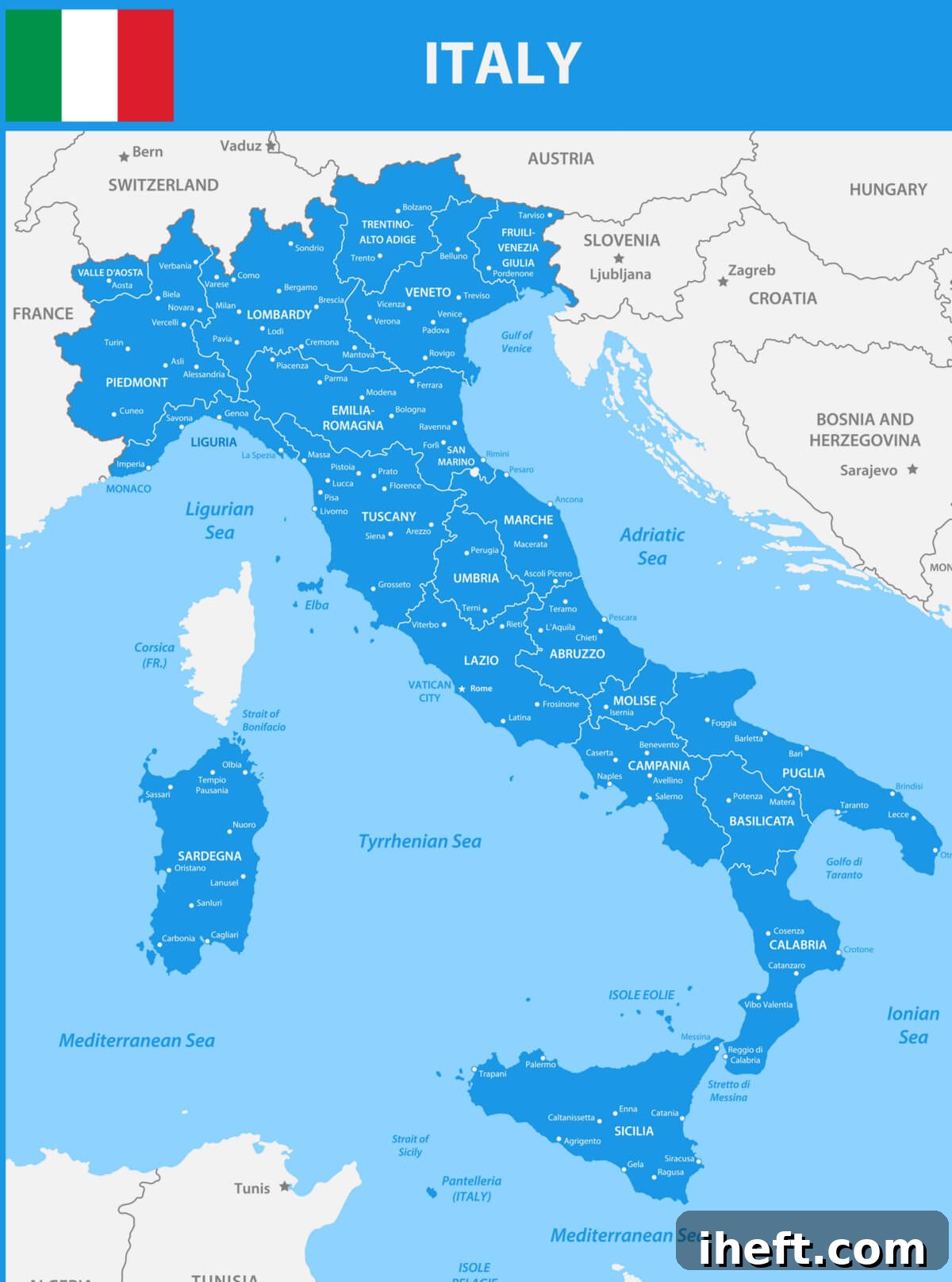
To truly appreciate the depth of Italian gastronomy, one must understand its profound regionality. Lumping all “Italian food” into a single category would be a disservice, as the culture and cuisine vary dramatically from one region to another. Italy’s diverse geography, from the Alpine north to the sun-kissed coasts of the south, coupled with centuries of varied historical influences, has forged distinct culinary identities across its twenty regions. While staples like pasta and gelato are universally cherished and popular throughout the country, many recipes are unique to particular areas, reflecting local produce, traditions, and historical connections.
My own culinary education began while living in Florence, where I immersed myself in traditional Tuscan dishes. Learning to prepare delights such as crisp bruschetta, refreshing Panzanella salad, hearty pappardelle al ragu, and classic biscotti, all while sipping a glass of Chianti Classico, was an unforgettable experience. When visiting friends in Bologna, the heart of Emilia-Romagna, you’re likely to encounter exquisite Tortellini in Brodo, a staple of local family tables. Further north, during trips to Lake Garda, the distinct German influence on the cuisine becomes apparent, showcasing Italy’s porous culinary borders.
Traditional Italian foods are profoundly influenced by surrounding countries, the local climate, and the specific history of each region. Some beloved Italian dishes have origins shrouded in mystery, with multiple regions often fiercely fighting to claim credit for their invention, highlighting the deep pride Italians take in their culinary heritage.
Most Popular Italian Food: Essential Ingredients
The commitment to quality and authenticity in Italian cuisine is paramount, often safeguarded by protections such as the DOP (Denominazione d’Origine Protetta) label. This strict designation guarantees that many Italian foods are produced within specific geographical areas, adhering to traditional methods and using only local ingredients. For example, Prosciutto di Parma must originate from Parma, Basamico di Modena must be produced in Modena, and Parmigiano Reggiano cheese is strictly regulated to be made within the Parmigiano Reggiano DOP mandates. Similarly, San Marzano tomatoes must be grown and packaged in the specific volcanic soils of Campania, and Chianti Classico wine must be made from grapes cultivated solely within the Chianti region. This unwavering attention and dedication to authenticity and quality are precisely what make Italian food so deeply cherished and globally admired.
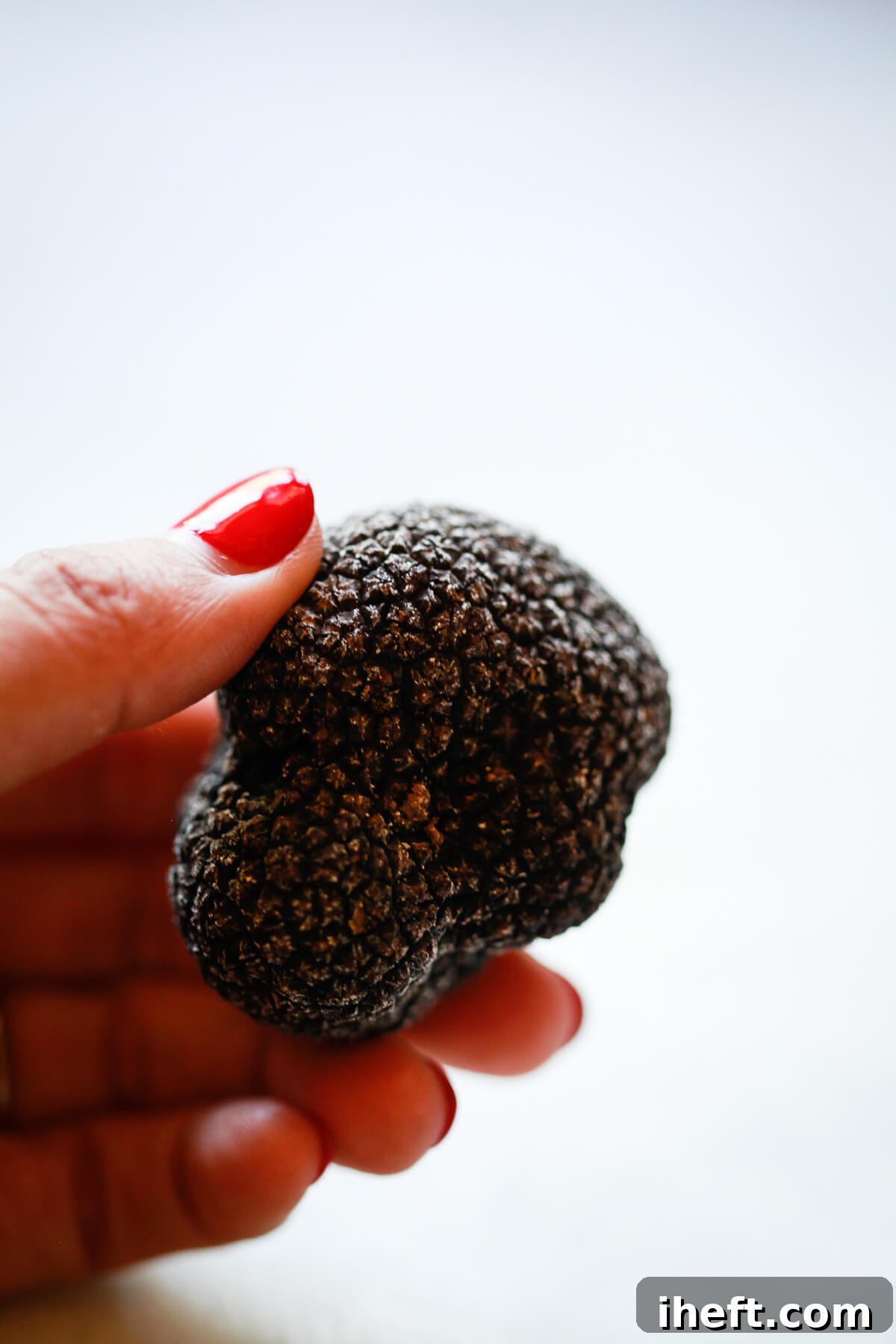
Some of the most popular and foundational Italian ingredients that form the backbone of countless dishes include: premium olive oil, a variety of vinegars (especially balsamic and robust red wine vinegar), prized truffles, sun-ripened tomatoes and their rich derivatives like tomato sauce (such as vibrant marinara and savory pizza sauce), aromatic pesto, nutritious legumes (particularly farro, chickpeas, and white beans), artisanal bread, an endless array of pasta, diverse meats (including wild boar, beef, chicken, rabbit, veal, and pork), exquisite cured meats (salami, prosciutto), fresh fish and seafood, seasonal fruits, a bounty of fresh vegetables, and fragrant herbs.
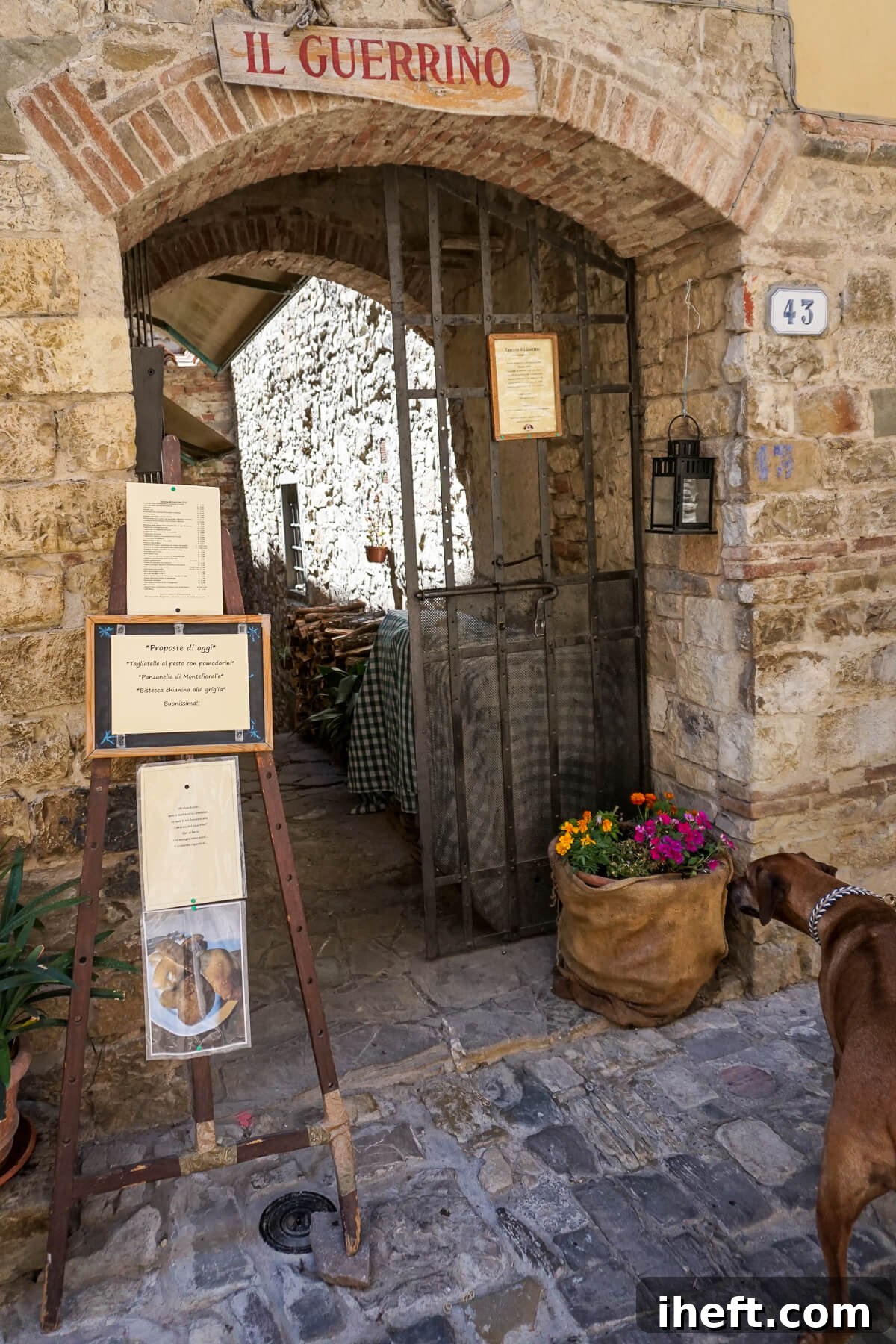
Il Gurrino restaurant in Montefioralle, Tuscany, Italy.
Most Popular Italian Foods by Course: A Traditional Italian Meal
A traditional Italian menu is thoughtfully structured, typically guiding diners through a multi-course culinary experience. It begins with appetizers (antipasti), followed by the first course (primi piatti), then the second course (secondi piatti), accompanied by side dishes (contorni), and concluding with delightful desserts (dolci). This structured approach allows for a gradual unfolding of flavors and textures, making each meal a comprehensive and memorable event.
Antipasti are perfect for enjoying during happy hour with a glass of local wine or as an enticing prelude to dinner. Primi piatti usually include salads, various pasta dishes, or other lighter, carbohydrate-based preparations, though they can often be substantial enough to be ordered as a main dish. There can be some delightful overlap in categories; for instance, a fresh salad might be considered either a primi or a contorni, depending on its composition and the flow of the meal.
ANTIPASTI | Starters: Awakening the Palate
Antipasto, meaning “before the meal,” is the delightful first course of a traditional Italian dinner. It typically consists of small, flavorful bites designed to stimulate the appetite without overwhelming it. These can be served individually or as a grand platter, much like a charcuterie board, offering a variety of tastes and textures. Lighter options, such as a fresh Caprese salad, can also be elegantly presented as an antipasto.
1. VENETIAN CICHETTI
Region: Veneto
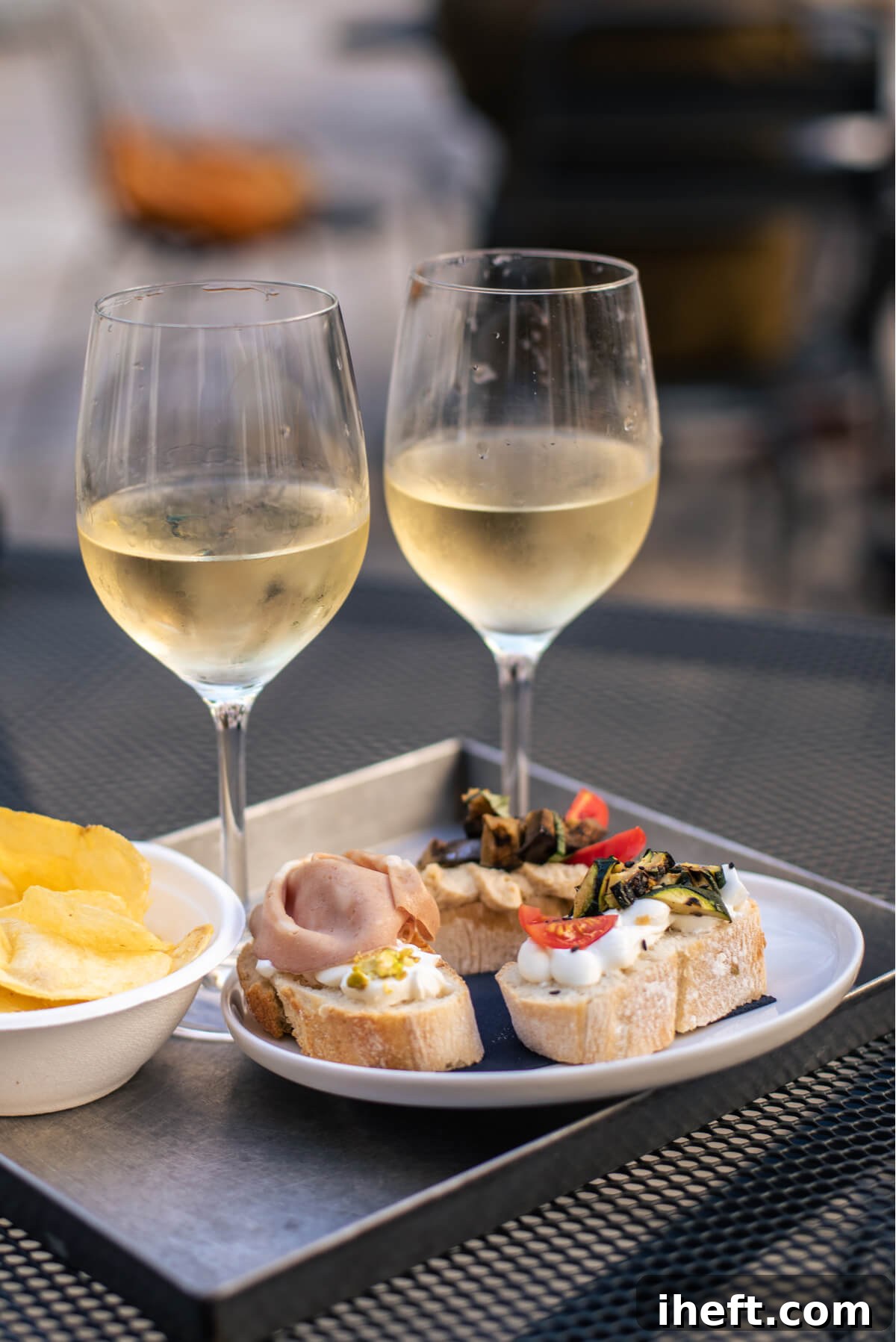
Cichetti are a quintessential Venetian aperitivo, small savory snacks often enjoyed with a refreshing glass of local wine or a vibrant Spritz at a charming wine bar. Similar to bruschetta, these delightful bites feature slices of bread topped with an imaginative array of ingredients, from cured meats and seafood to fresh vegetables and cheeses. For some of the best and most creative Cicchetti in Venice, be sure to visit All’Arco.
2. FRIED SEAFOOD (FRITTO MISTO DI MARE OR CALAMARI)
Region: All coastal regions
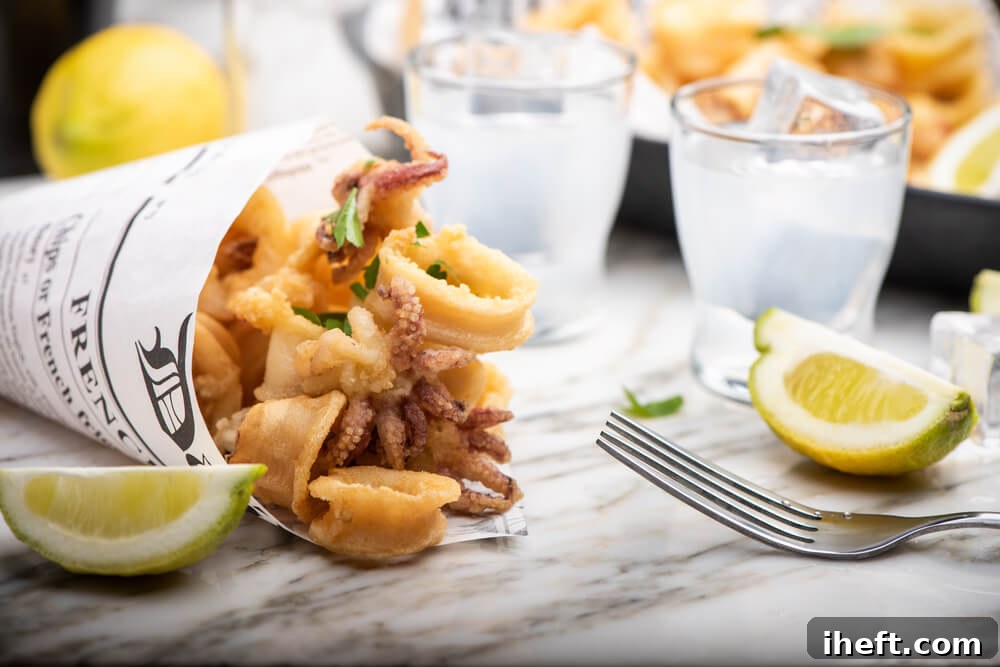
Fried seafood, known as Fritto Misto di Mare, is a popular delicacy found in many Italian coastal regions. Squid, or calamari, is a particularly favored ingredient, prepared by lightly battering and frying it to a crispy golden perfection, then served with a generous squeeze of fresh lemon juice. This delightful dish is often enjoyed as convenient street food; I’ve personally savored paper cones of fritto misto purchased at vibrant farmer’s markets around Lake Garda, making for a perfect casual seaside treat.
3. TOMATO BRUSCHETTA (BRUSCHETTA AL POMODORO)
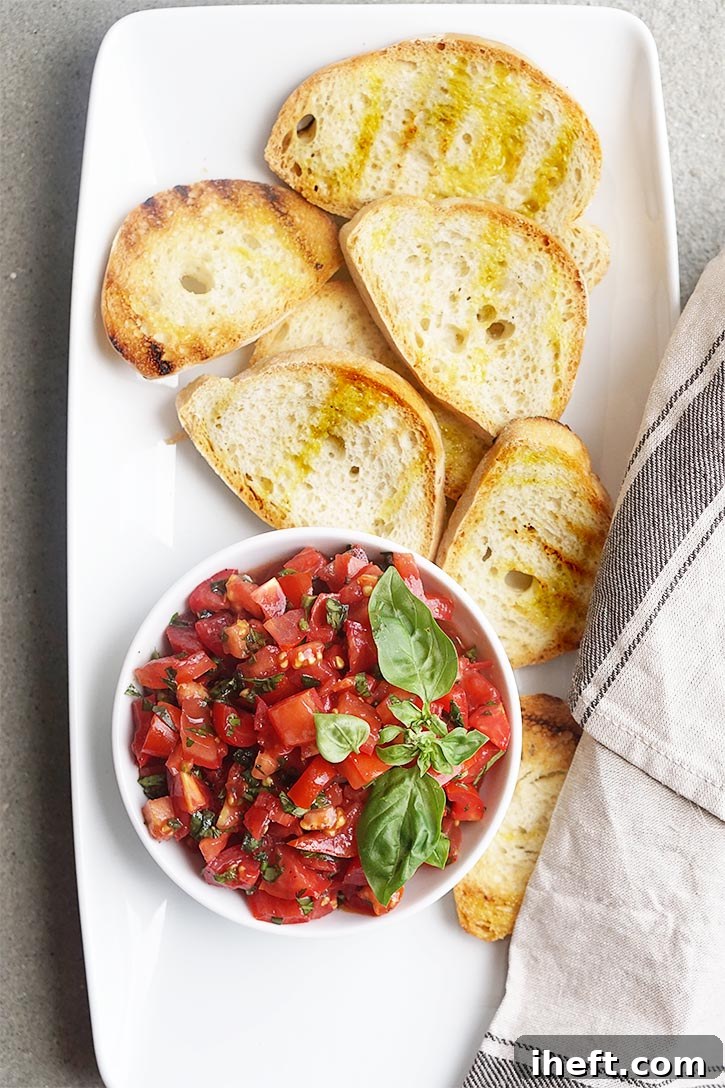
Region: Lazio, Abruzzo, and Tuscany
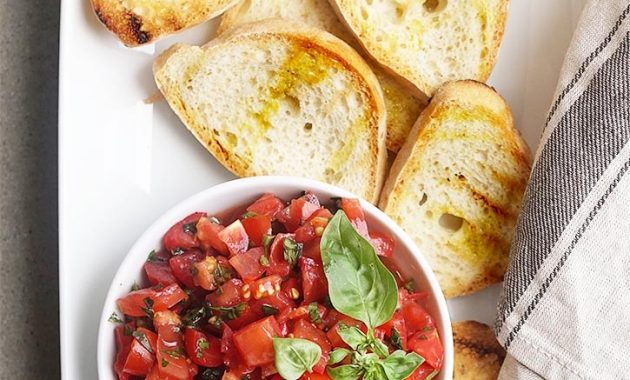
Contrary to common belief, the term “bruschetta” refers specifically to the toasted bread, often rubbed with garlic and drizzled with olive oil, not the tomato topping itself. In Tuscany, this simple preparation is affectionately known as Fettunta. While there are numerous varieties of bruschetta, my personal favorite in Tuscany is the creamy white bean bruschetta. However, Bruschetta al Pomodoro, with its fresh tomato, basil, and garlic topping, remains undeniably the most popular and widely recognized rendition of this classic Italian appetizer.
4. ARTICHOKES (CARCIOFI)
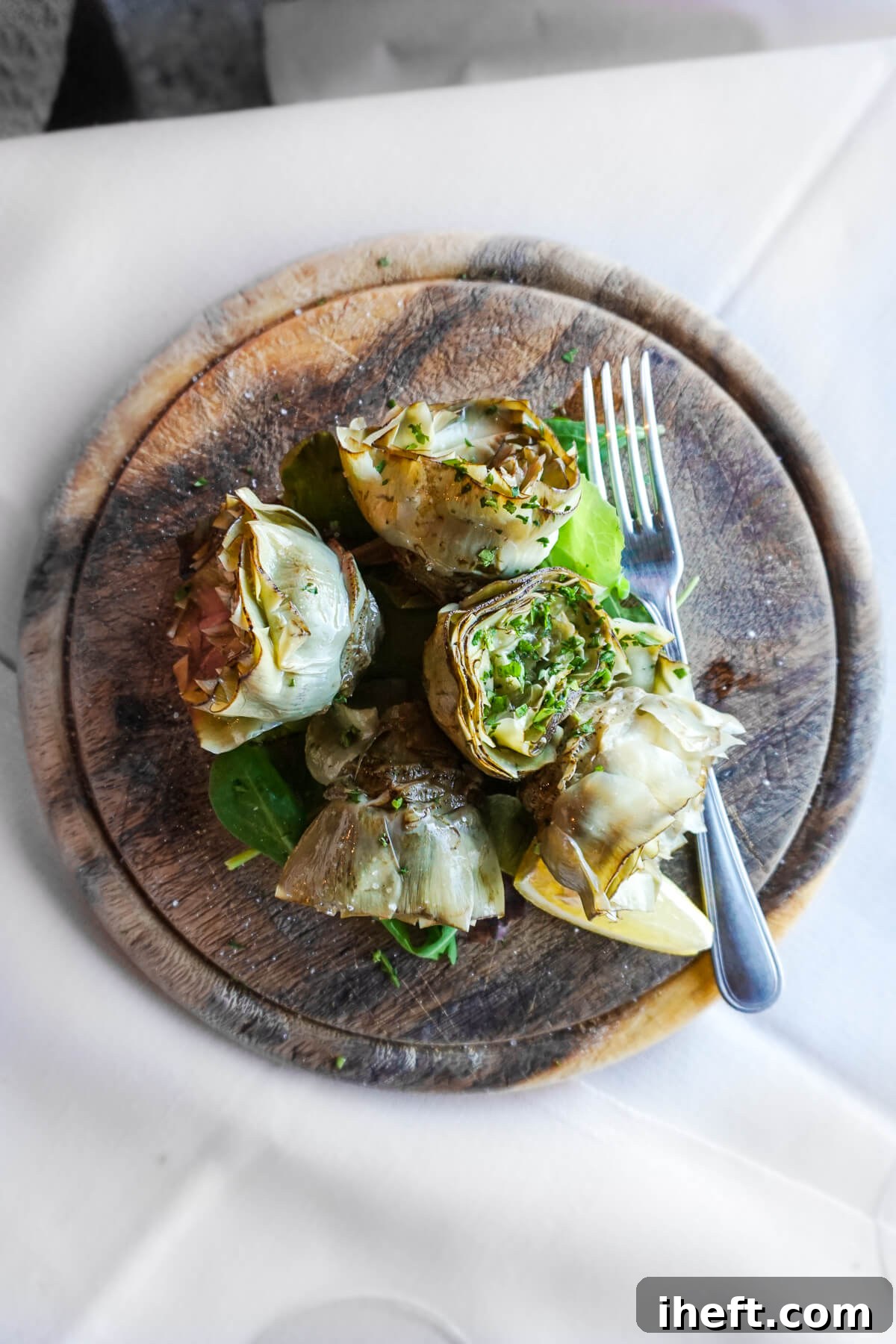
Region: Tuscany and Lazio
Artichokes, or Carciofi, are a celebrated vegetable in Italian cuisine, particularly prominent in the regions of Tuscany and Lazio. They are prepared in various delicious ways, from Roman-style (Carciofi alla Romana) to Jewish-style (Carciofi alla Giudia). The artichokes pictured above, sampled at Cantinetta de Rignana in Tuscany, were arguably the most delicious I had ever tasted, perfectly showcasing their delicate flavor and tender texture when prepared with care.
5. PROSCIUTTO E MELONE
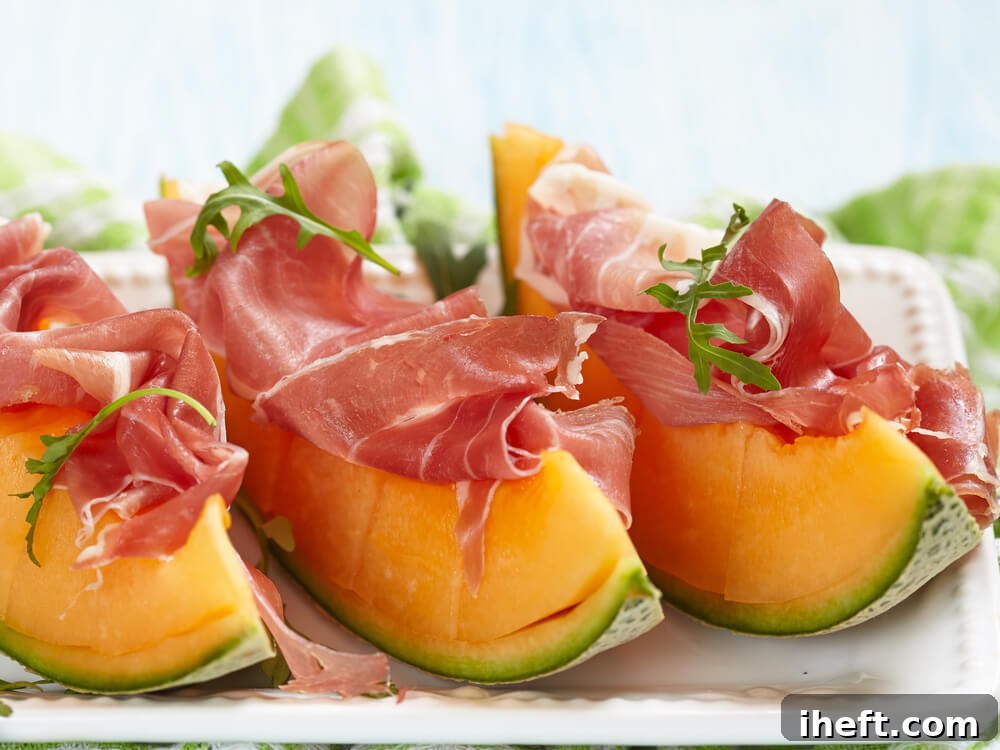
Region: Emilia-Romagna
Cured meats, such as exquisite salami and delicate prosciutto, are immensely popular throughout Italy, representing a cornerstone of Italian antipasti. One particularly famous and delightful pairing is Prosciutto e Melone, combining the salty, savory notes of thinly sliced prosciutto with the sweet, refreshing juiciness of cantaloupe. This classic combination creates a harmonious balance of flavors, making it a perfect light and elegant starter, especially popular during the warmer months.
6. BAGNA CAUDA
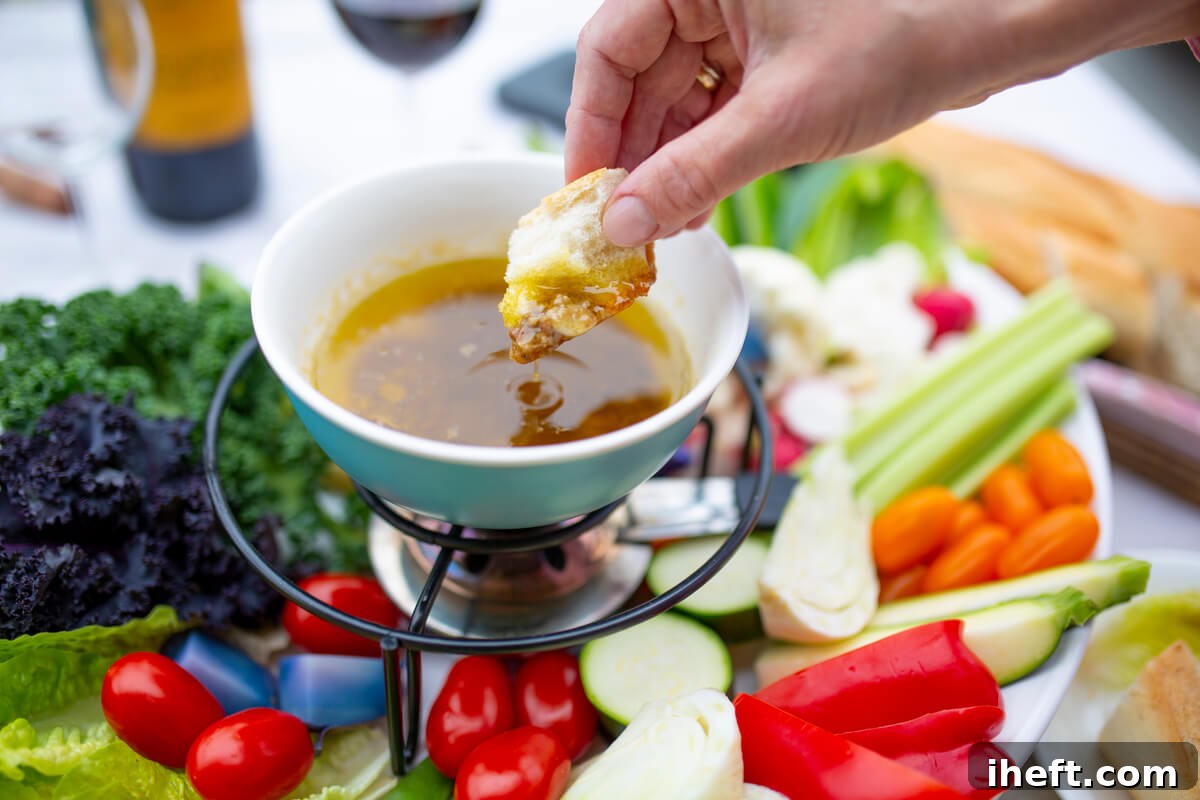
Region: Piedmont
Bagna Cauda is a traditional Italian specialty originating from the Piedmont region in Northwest Italy. This unique and flavorful antipasto is a warm, pungent dip made primarily with olive oil, anchovies, and garlic, slowly simmered to create a rich and aromatic sauce. It is traditionally served hot, much like a fondue, with an assortment of raw and cooked vegetables (such as cardoons, bell peppers, celery, and fennel) for dipping, offering a wonderfully communal and rustic dining experience.
PRIMI | First Courses: The Heart of the Meal
First courses, or Primi Piatti, in an Italian dinner typically comprise a substantial yet lighter dish than the main course. This category prominently features various pasta preparations, comforting soups, or refreshing salads. While they are officially classified as “Primi Piatti” on menus, it is perfectly acceptable and common to order one as a standalone main course, especially when seeking a satisfying yet not overly heavy meal. These dishes truly showcase the diversity and artistry of Italian culinary traditions.
7. CAPRESE SALAD
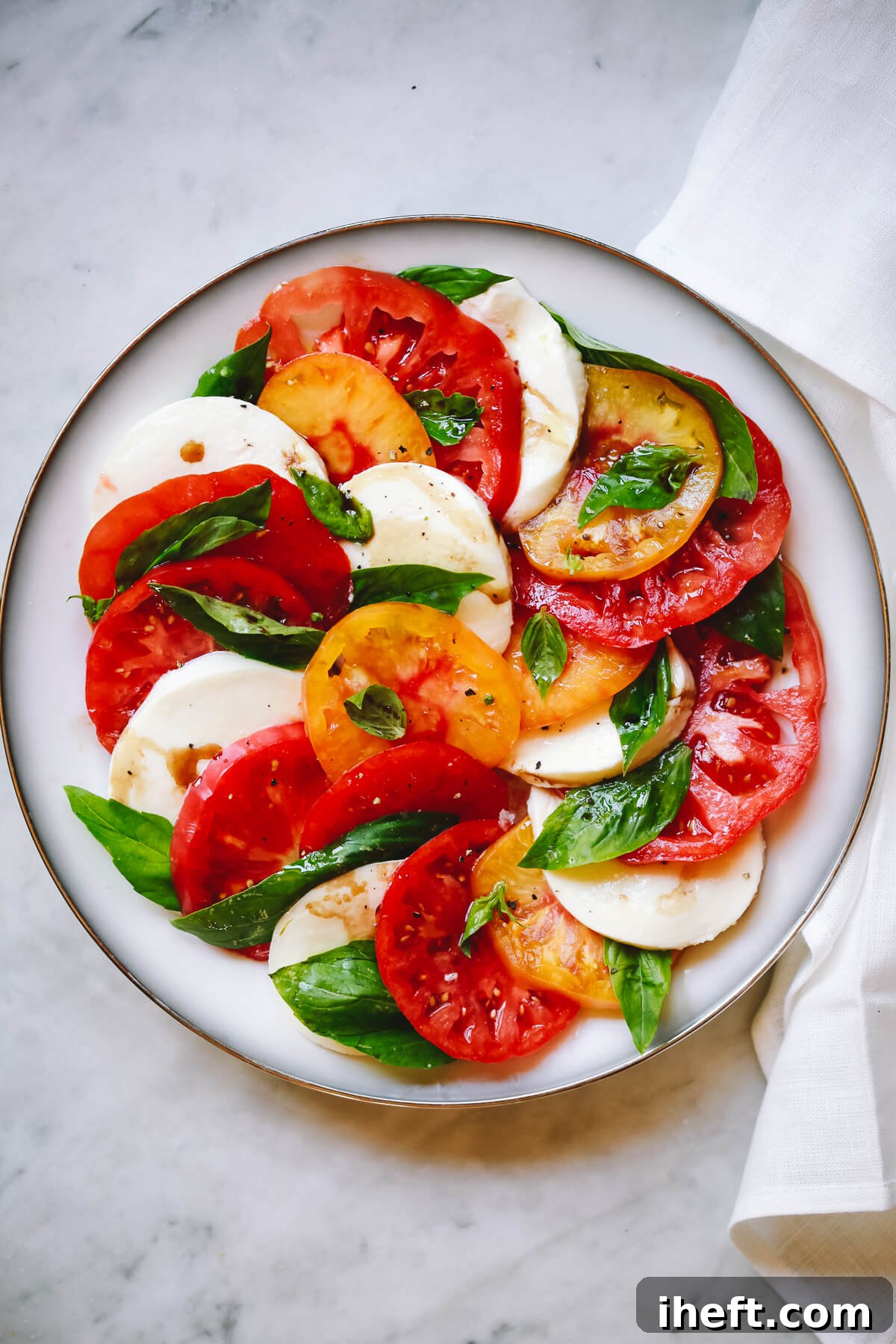
Region: Campania
Caprese Salad, a simple yet elegant dish, first gained fame on the picturesque Island of Capri in Campania. Legend has it that a patriotic stone worker created it to represent the vibrant colors of the Italian flag: red tomatoes, white mozzarella, and green basil. This fresh and light salad can be served either as a refreshing antipasto to begin the meal or as a delightful primi, offering a burst of Mediterranean flavors.
8. PIZZA
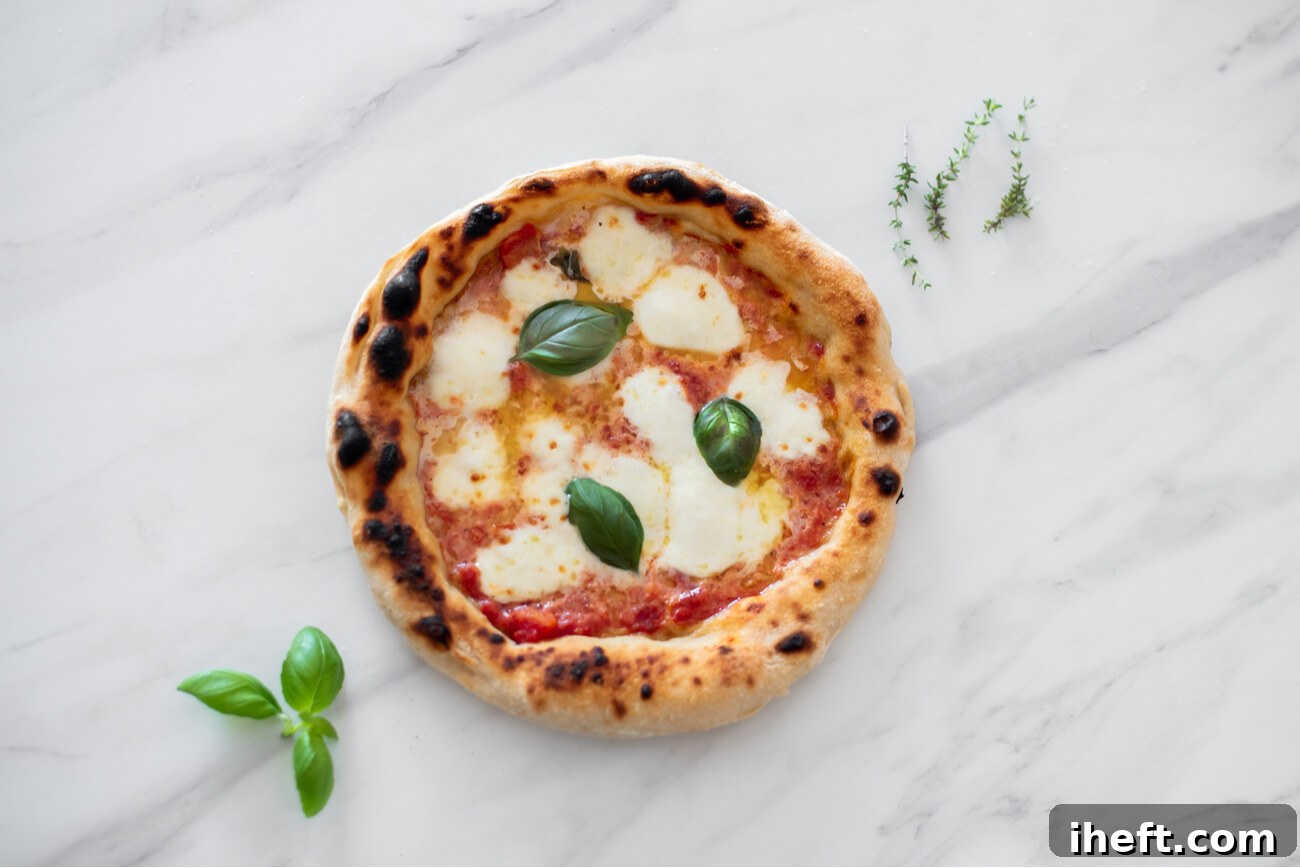
Region: Campania
Perhaps the most famous of all Italian foods, pizza’s true home is the bustling city of Naples, in the Campania region. Here, the traditional Neapolitan pizza, particularly the Margherita, is a testament to culinary simplicity and perfection, featuring a thin, soft crust, San Marzano tomatoes, fresh mozzarella, basil, and a drizzle of olive oil. Its creation is deeply rooted in local history and tradition, recognized globally as a masterpiece of authentic Italian cuisine. Why not try making your own authentic Italian Pizza Dough and flavorful Sauce at home?
9. PANZANELLA
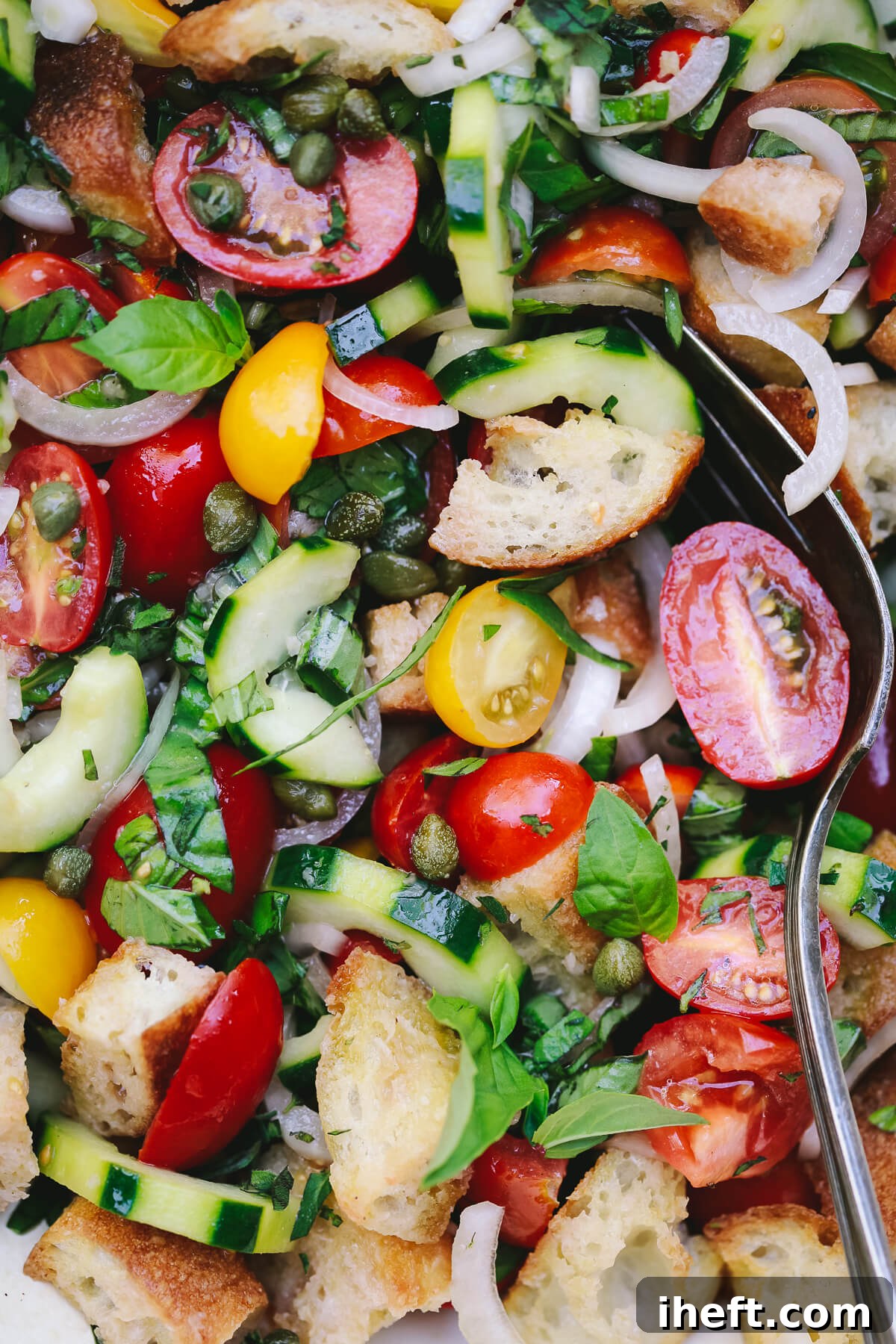
Region: Tuscany
Panzanella salad is a refreshing and ingenious Tuscan dish, commonly found in cafes across Tuscany during the warm summer months. This typical Italian recipe, made with day-old bread, is a superb example of *cucina povera* – “poor kitchen” cooking – showcasing how resourceful Tuscan cooks cleverly prevent food waste. The stale bread soaks up the vibrant flavors of fresh tomatoes, cucumbers, onions, and basil, all tossed in a zesty vinaigrette, creating a wonderfully satisfying and flavorful salad.
10. POLENTA
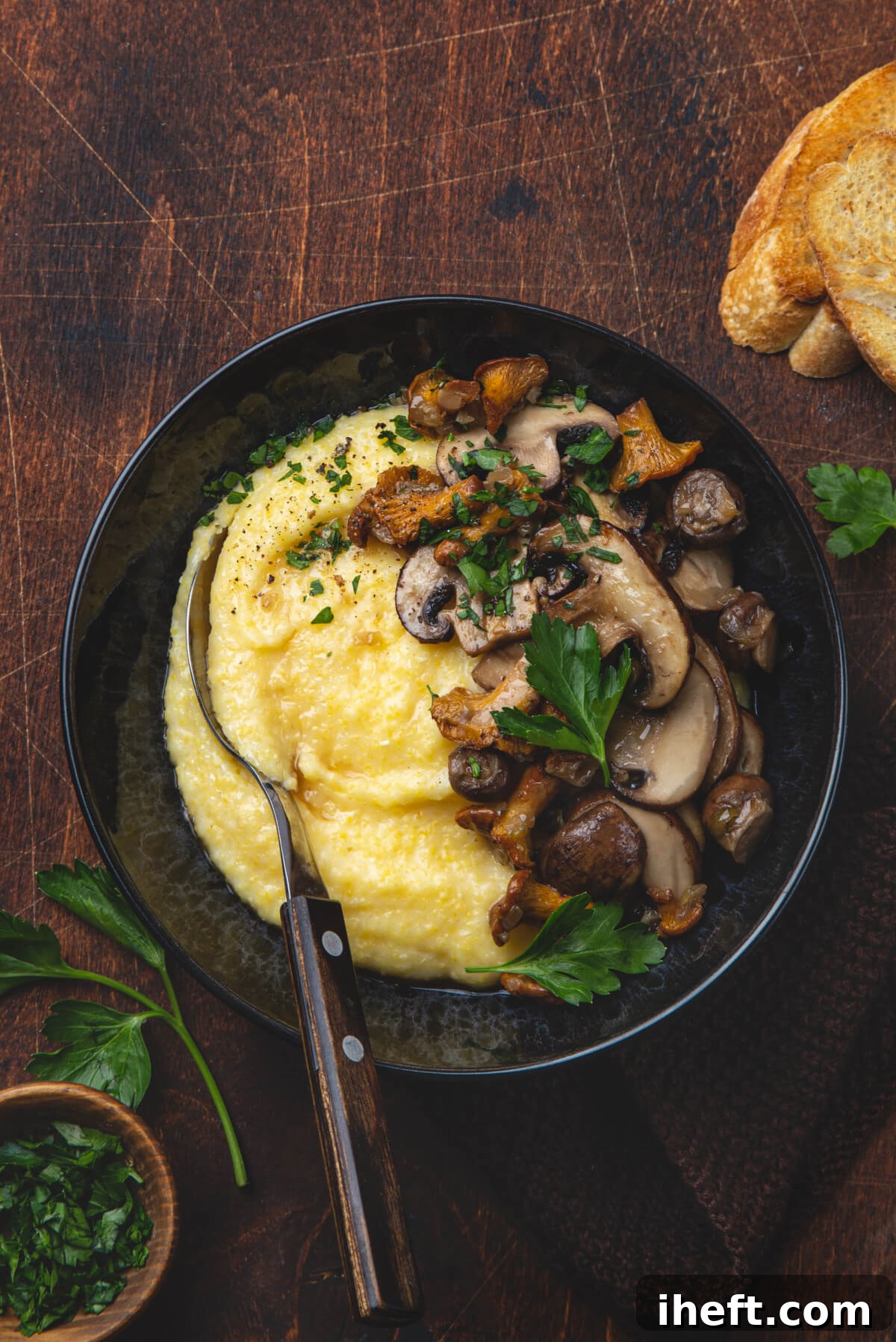
Region: Veneto, Friuli, Lombardy, and Piedmont
Creamy polenta is a classic warm and comforting Italian recipe, originating from the colder Northern regions of Italy. This versatile dish is essentially a cornmeal porridge, traditionally slow-cooked until wonderfully thick and smooth. It’s often served as a hearty base, beautifully topped with a rich ragu, or (my personal favorite) tender sautéed mushrooms. Polenta can also be allowed to set, then grilled or fried, offering a different texture and serving style.
11. TORTELLINI IN BRODO
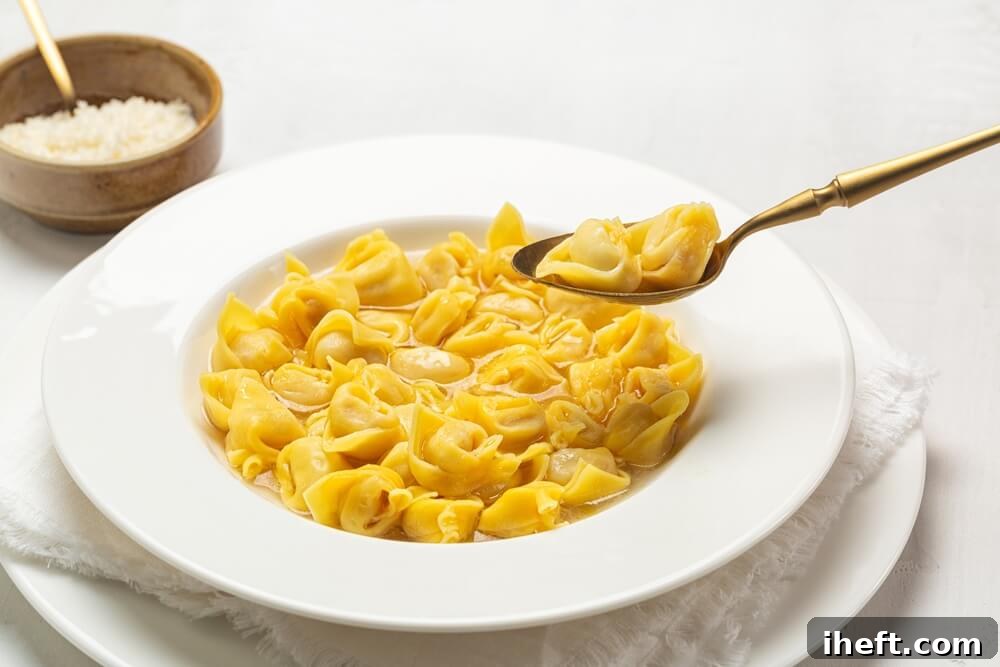
Region: Emilia-Romagna
Tortellini in Brodo is a deceptively simple yet profoundly warm and satisfying primi piatto, an iconic dish of Emilia-Romagna, particularly prevalent in Bologna. This delicate dish features small, ring-shaped pasta filled with savory meat, typically served in a clear, flavorful capon broth. The first time I savored this comforting delicacy was at Ristorante Diana in Bologna, where I enjoyed it as a main course alongside a fresh salad, a perfect testament to its fulfilling nature.
12. PASTA WITH WILD BOAR SAUCE (PAPPARDELLE AL RAGÙ DI CINGHIALE)
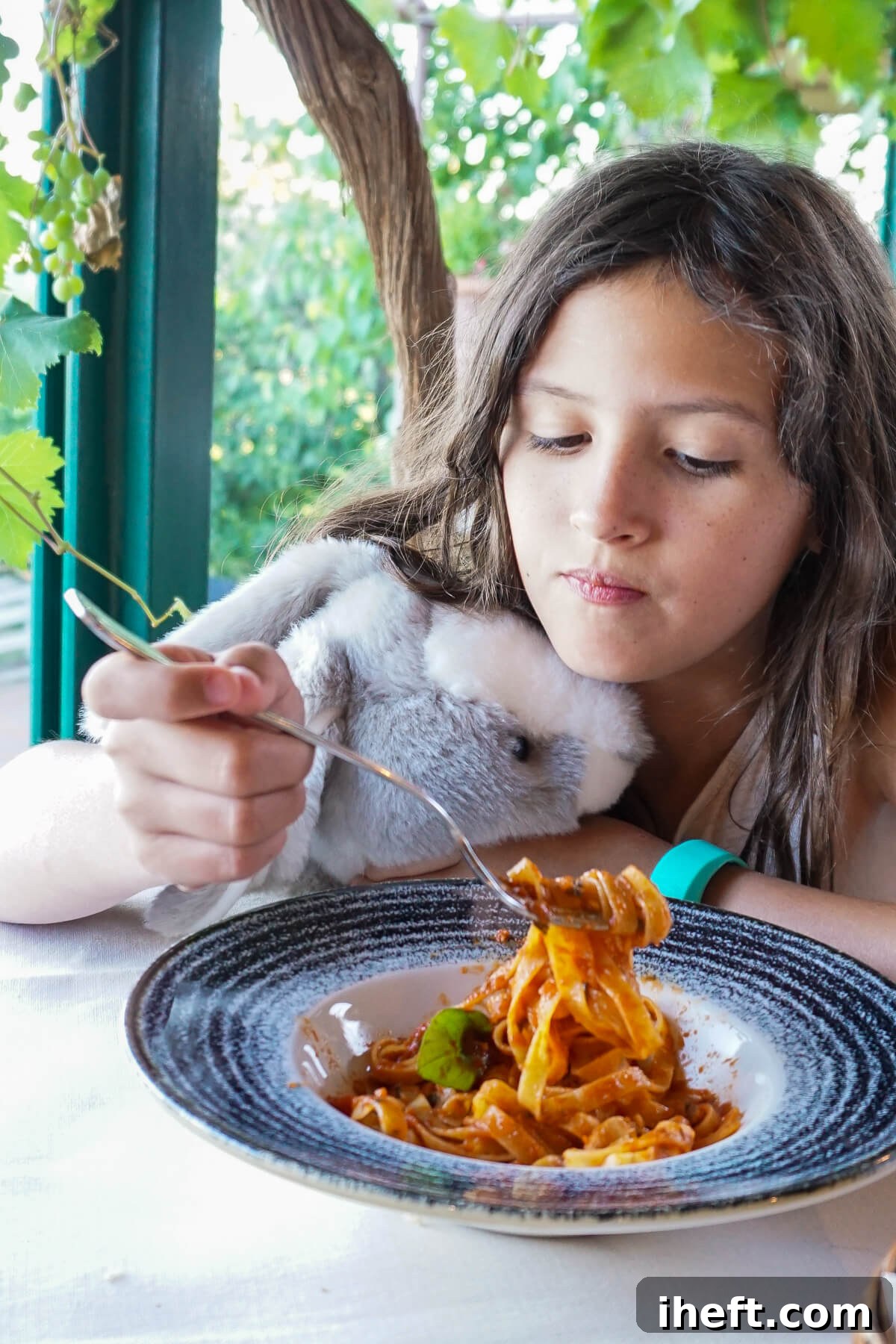
Region: Tuscany & Umbria
One of the most famous and distinctive Italian foods in Tuscany and Umbria is wild boar, or Cinghiale. While I personally don’t partake in this dish as a vegetarian, local hunters and chefs often emphasize the necessity of managing the wild boar population. Pappardelle al Ragù di Cinghiale is prepared by slow-cooking the boar meat until it transforms into a tender, rich ragu, which is then generously tossed with broad, flat pappardelle pasta, creating a deeply flavorful and robust dish cherished by meat-eaters in the region.
13. HALF-MOON RAVIOLI WITH MUSHROOMS AND TRUFFLES (MEZZELUNE AL TARTUFO)
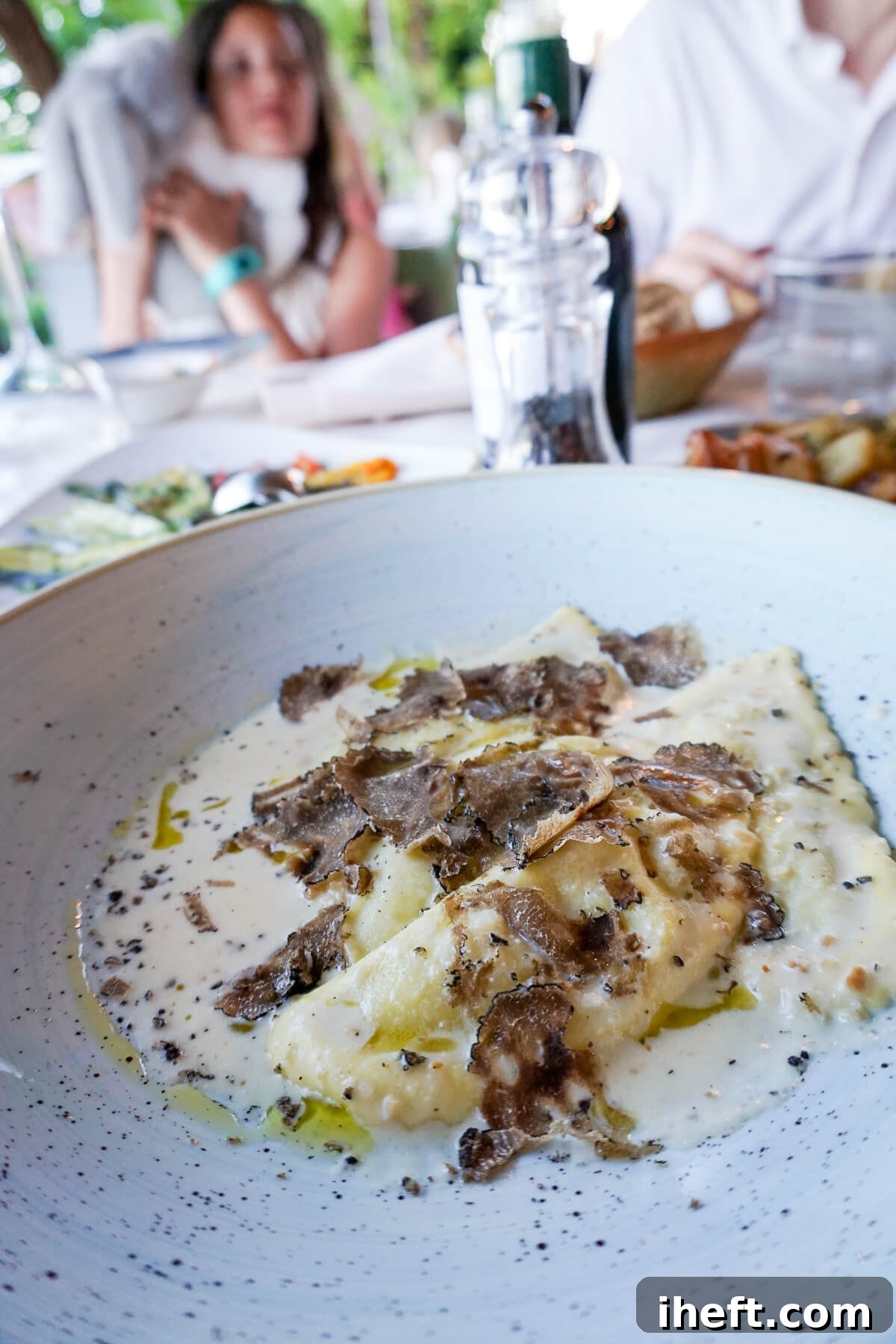
Region: Tuscany and Umbria
In the culinary heartlands of Tuscany and Umbria, a region famed for its elusive and aromatic truffles, nearly every restaurant menu proudly features some type of truffle pasta. Truffles pair exceptionally well with earthy mushrooms, and therefore, truffle and mushroom ravioli, often in a delicate half-moon shape known as mezzelune, is an incredibly popular and luxurious dish. The rich, savory notes of the truffles elevate the simple pasta to an extraordinary gastronomic experience.
14. PESTO PASTA (PASTA AL PESTO)
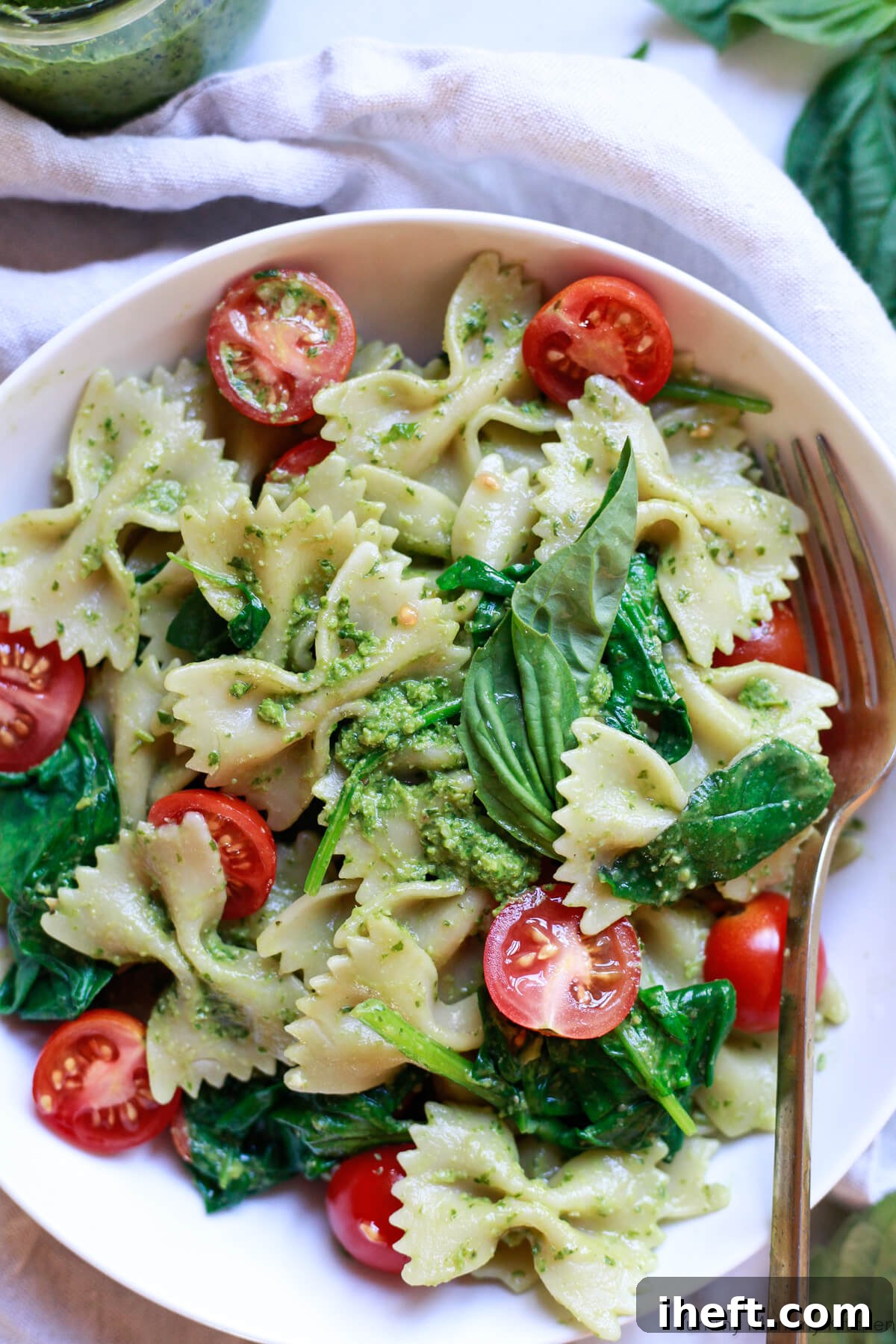
Region: Liguria
Pesto, a vibrant green sauce, is a famous Italian recipe originating from Genoa, the capital of the Liguria region. This incredibly flavorful sauce is traditionally crafted from a harmonious blend of fresh basil leaves, pine nuts, garlic, grated Parmigiano Reggiano cheese, and high-quality olive oil. It’s remarkably easy to prepare at home using a food processor. Pesto is a versatile ingredient, perfect for enhancing the flavor of pasta, spreading on pizza bases, or topping bruschetta. Try making traditional Pesto alla Genovese or a delightful Vegan Pesto at home!
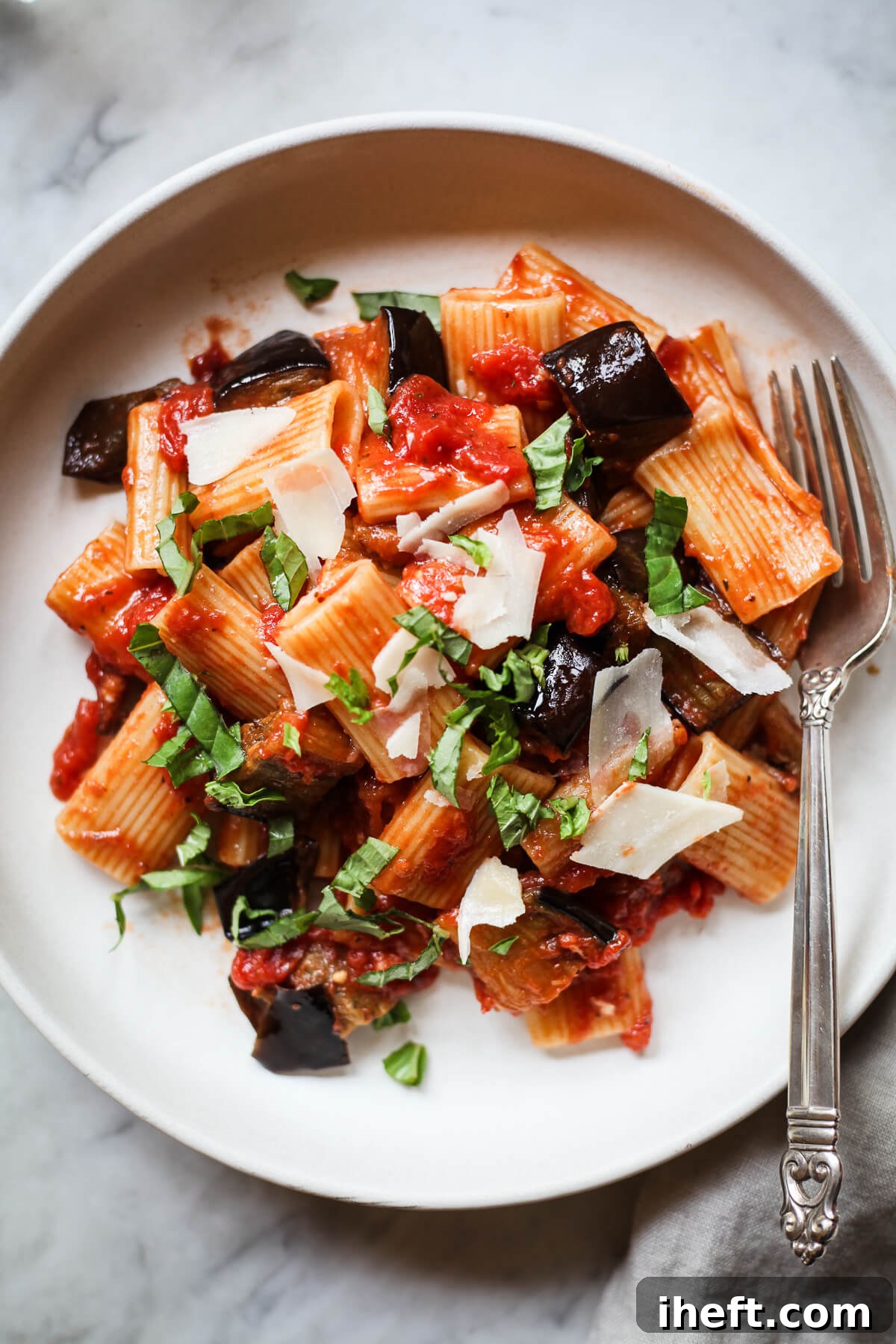
15. PASTA ALLA NORMA
Region: Sicily
Pasta alla Norma is a simple yet incredibly delicious and iconic Italian recipe hailing from Sicily. This vegetarian delight consists of a rich, savory eggplant ragu, typically made with ripe tomatoes, fried eggplant, and basil, tossed with your favorite pasta (often rigatoni or macaroni). It’s traditionally crowned with grated ricotta salata, adding a salty, tangy counterpoint to the sweet tomatoes and tender eggplant, making it a true taste of Sicilian sunshine.
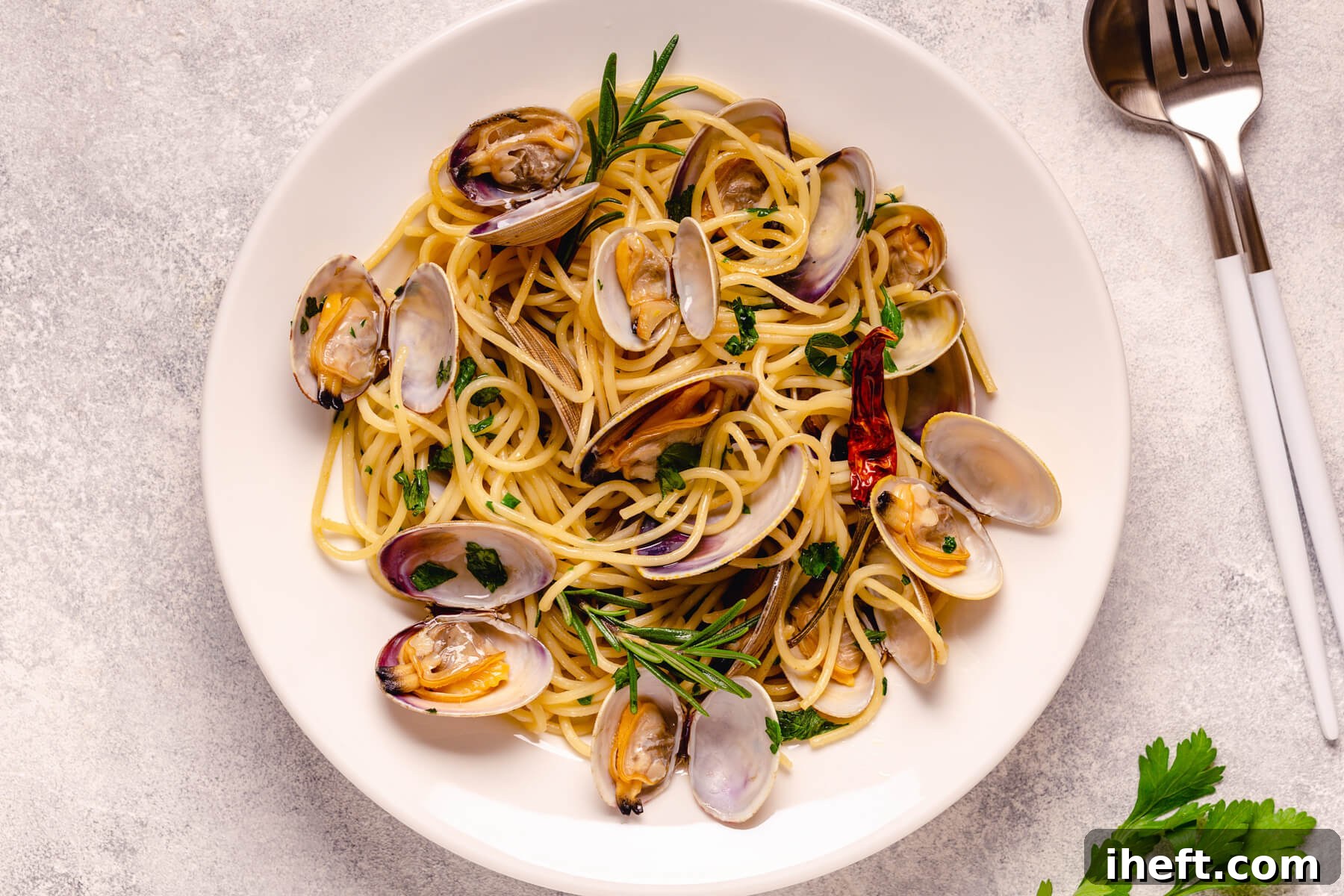
16. SPAGHETTI WITH CLAMS (SPAGHETTI ALLE VONGOLE)
Region: Campania
A classic Mediterranean dish, Spaghetti alle Vongole is a simple yet profoundly flavorful pasta loaded with an abundance of fresh clams. This elegant dish is usually prepared with a light, aromatic sauce based on high-quality olive oil, thinly sliced garlic, a splash of white wine, and sometimes a hint of chili flakes. The briny sweetness of the clams perfectly complements the delicate pasta, creating a taste of the Italian coast that is both comforting and sophisticated.
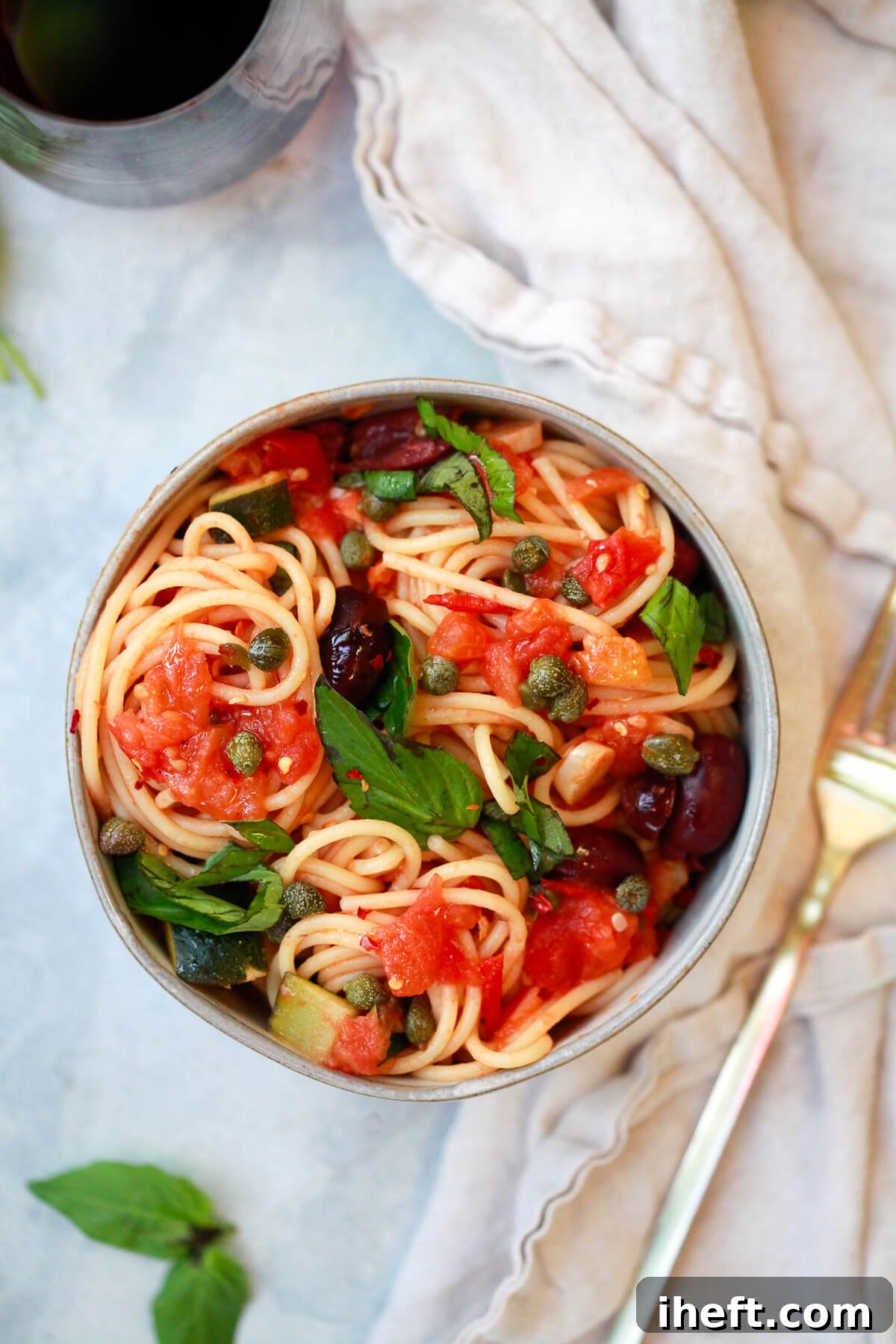
17. PUTTANESCA
Region: Campania and Lazio
Puttanesca is a famous Italian pasta sauce renowned for its bold and intensely savory flavor profile, derived from a robust combination of ripe tomatoes, briny capers, pungent olives, and aromatic garlic, often with a hint of anchovy and chili. The name “Puttanesca” literally translates to “lady of the night” and carries a rather interesting and colorful history, adding a dash of intrigue to this already captivating dish. It’s a quick and easy sauce to prepare, perfect for a flavorful weeknight meal.
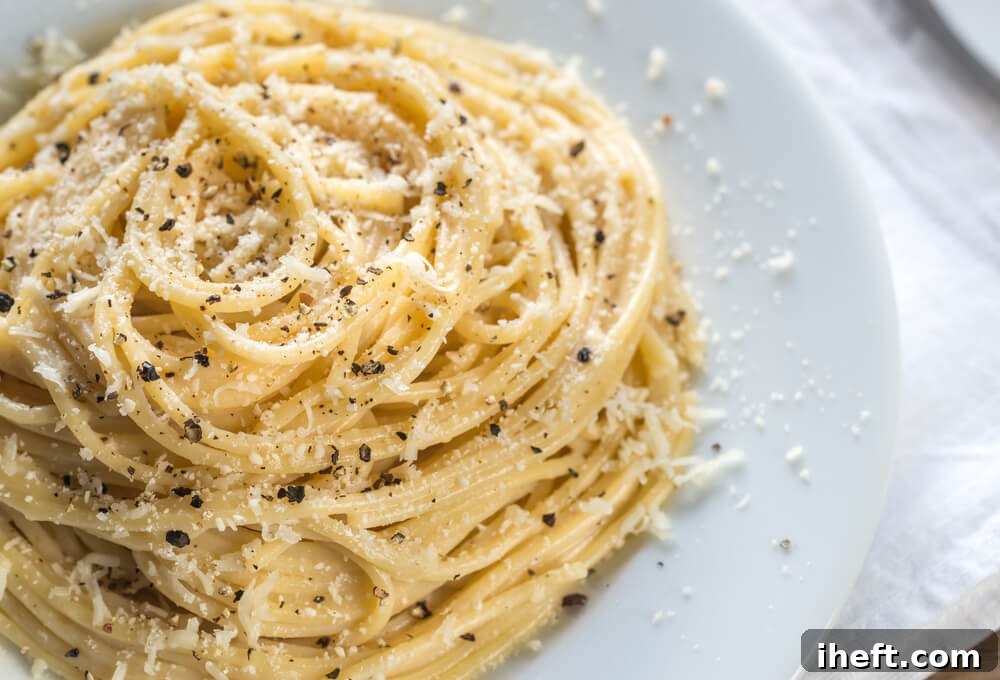
18. CHEESE AND PEPPER PASTA (CACIO E PEPE)
Region: Lazio
Cacio e Pepe, meaning “cheese and pepper,” is one of the most famous and deceptively simple Roman pasta dishes, embodying the essence of Italian minimalism. It’s incredibly easy to make, requiring only a few ingredients: Pecorino Romano cheese, freshly ground black pepper, and pasta (traditionally spaghetti or tonnarelli). The magic lies in vigorously stirring the cheese and pepper with a little pasta cooking water into the freshly cooked spaghetti, creating a remarkably creamy and intensely flavorful emulsified sauce.
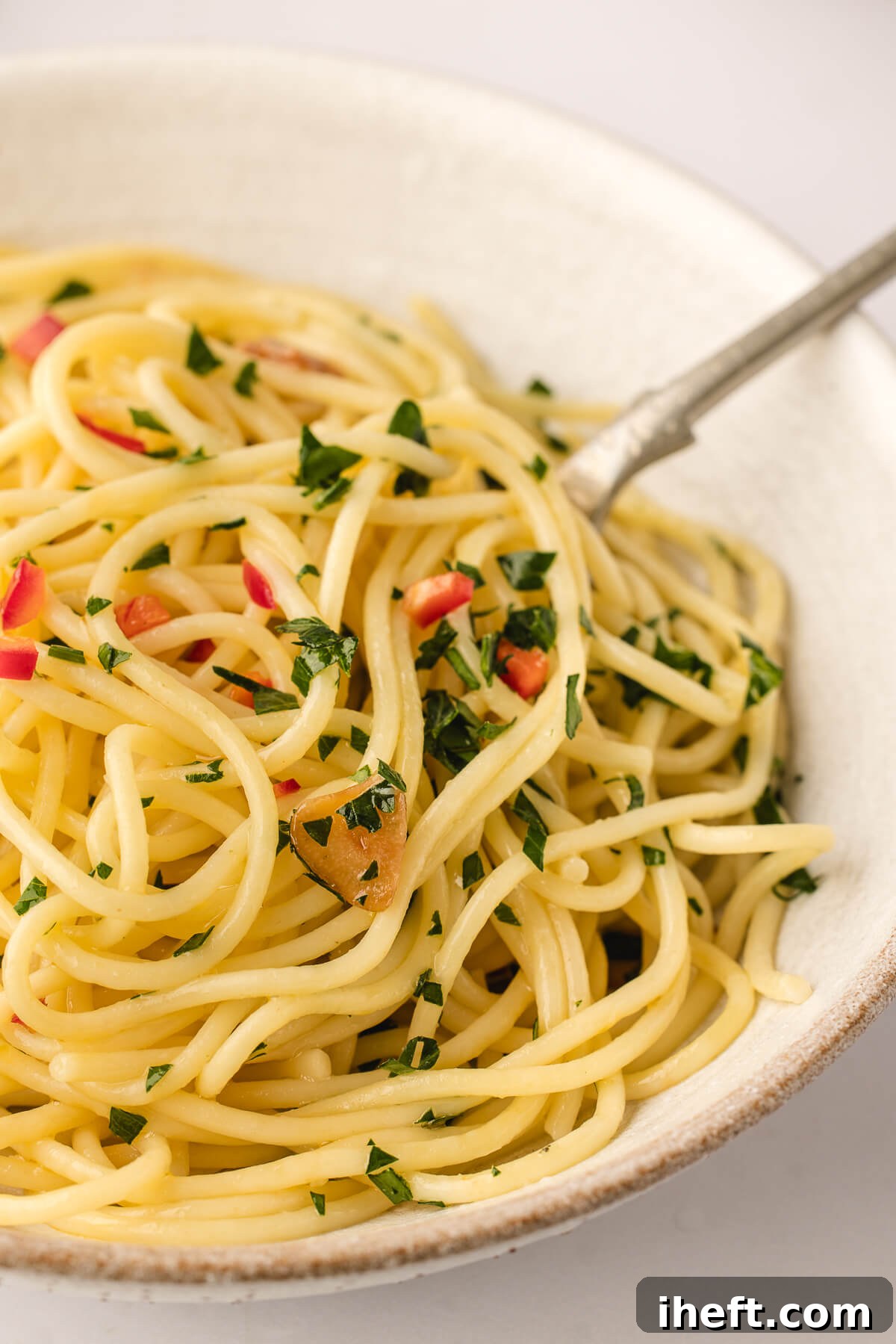
19. PASTA WITH GARLIC AND OIL (AGLIO E OLIO)
Region: Campania
Pasta with Aglio e Olio, meaning “garlic and oil,” is as straightforward and timeless as its name suggests, representing the purest form of Italian peasant cooking. This classic dish is prepared by simply sautéing thinly sliced garlic in high-quality olive oil until fragrant, sometimes with a pinch of red pepper flakes (peperoncino), and then tossing it with freshly cooked spaghetti. It’s a testament to the fact that extraordinary flavor can be achieved with just a few, well-chosen ingredients. Try our recipe for Pasta Aglio Olio e Peperoncino!
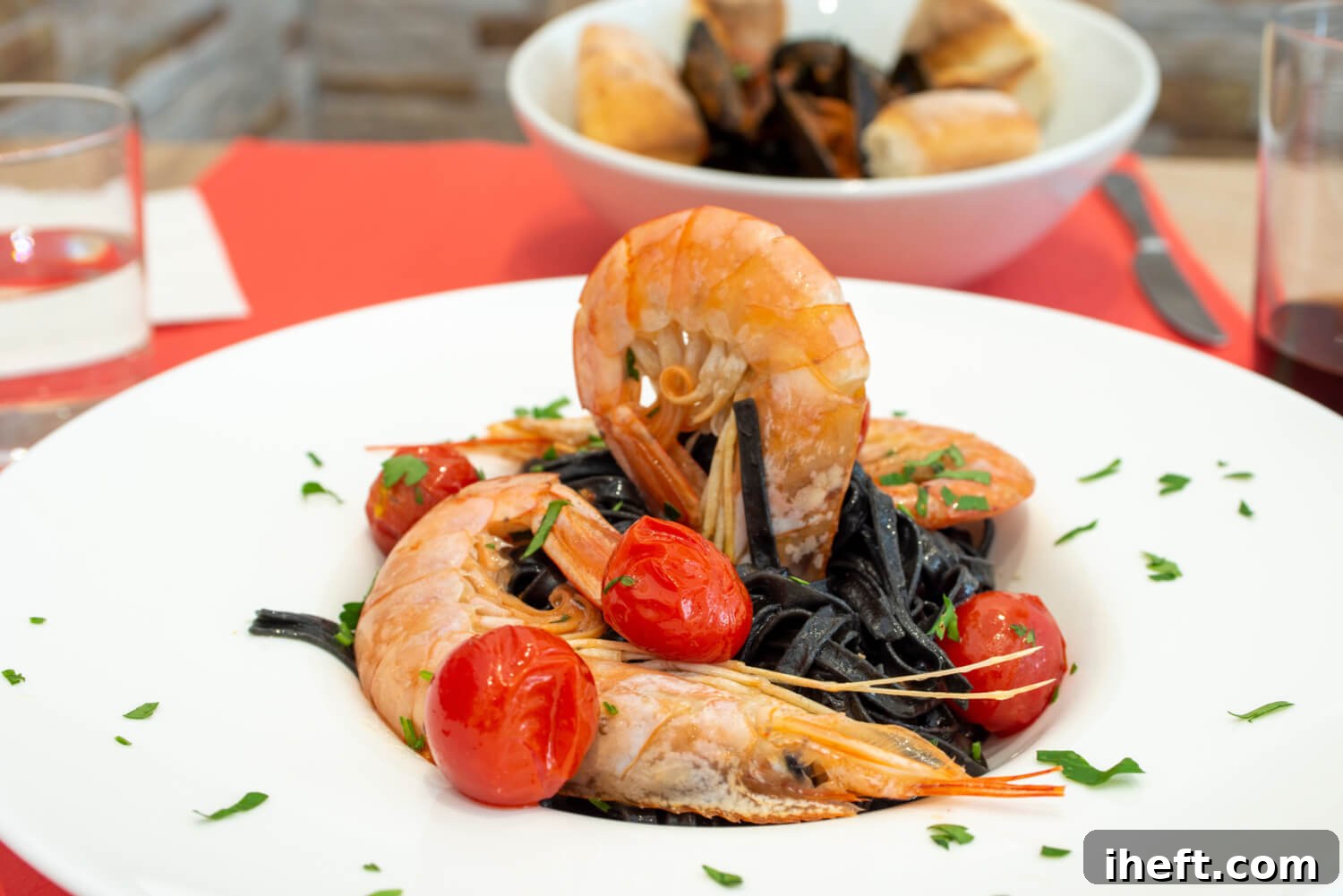
20. SQUID INK SEAFOOD PASTA
Region: Veneto
Squid Ink Seafood Pasta, a visually striking and uniquely flavorful dish, is a popular culinary offering in Venice, Italy, particularly cherished in the Veneto region. The rich, dark ink from cuttlefish is traditionally used to color and flavor the pasta itself, resulting in dramatic black spaghetti or tagliolini. This visually stunning pasta is then typically tossed with a delicate seafood sauce, often featuring calamari, shrimp, and other fresh catch, creating a dish that is as beautiful to behold as it is delicious to taste.
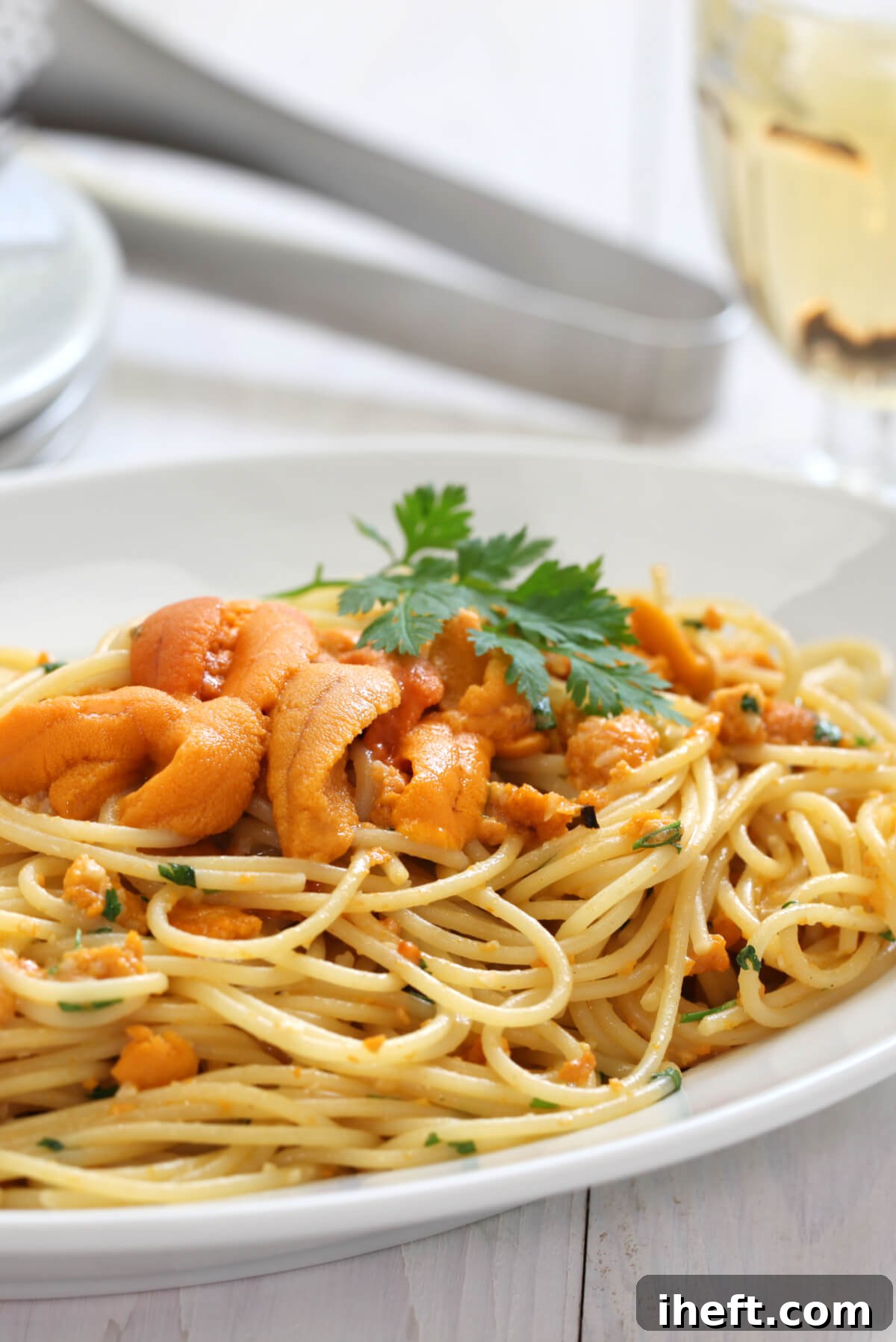
21. SPAGHETTI WITH SEA URCHIN (RICCI DI MARE)
Region: Puglia, Campania, Sardinia, Sicily
While Uni (sea urchin) is widely recognized and very popular in Japanese cuisine, often enjoyed as sushi, it also holds a significant place in the coastal regions of Southern Italy. Here, sea urchin is treasured for its delicate, briny, and subtly sweet flavor. The most famous Italian food made with sea urchin is a luxurious and creamy spaghetti dish, where the fresh uni is gently incorporated into the pasta, creating a truly exquisite and memorable seafood experience that speaks of the Mediterranean Sea.
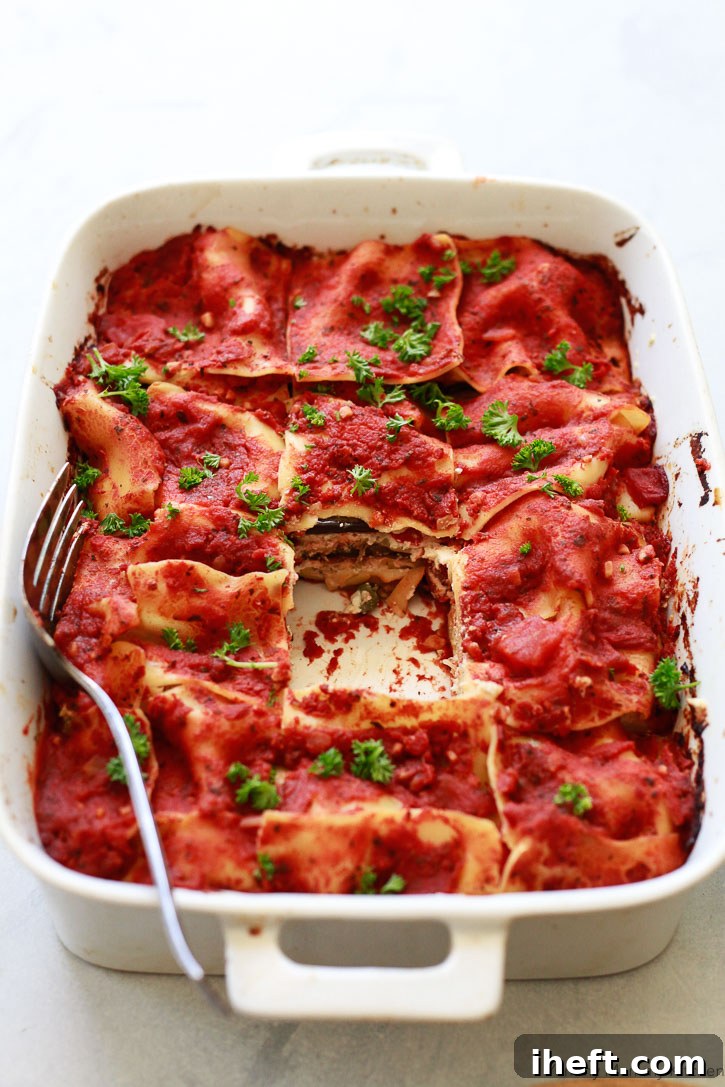
22. LASAGNA
Region: Campania
Lasagna, a layered pasta masterpiece, is another world-famous Italian food that enjoys universal adoration. Like many other beloved dishes featuring the sweet and robust San Marzano tomatoes and rich sauce, this iconic Italian food originated in Naples, Campania. There are countless ways to prepare lasagna, whether with meat ragu, vegetables, or a rich ricotta and béchamel filling. I particularly enjoy making a hearty Vegan Lasagna, incorporating a creamy almond-based ricotta to create a satisfying and flavorful plant-based version.
23. POTATO GNOCCHI (GNOCCHI DI PATATE)
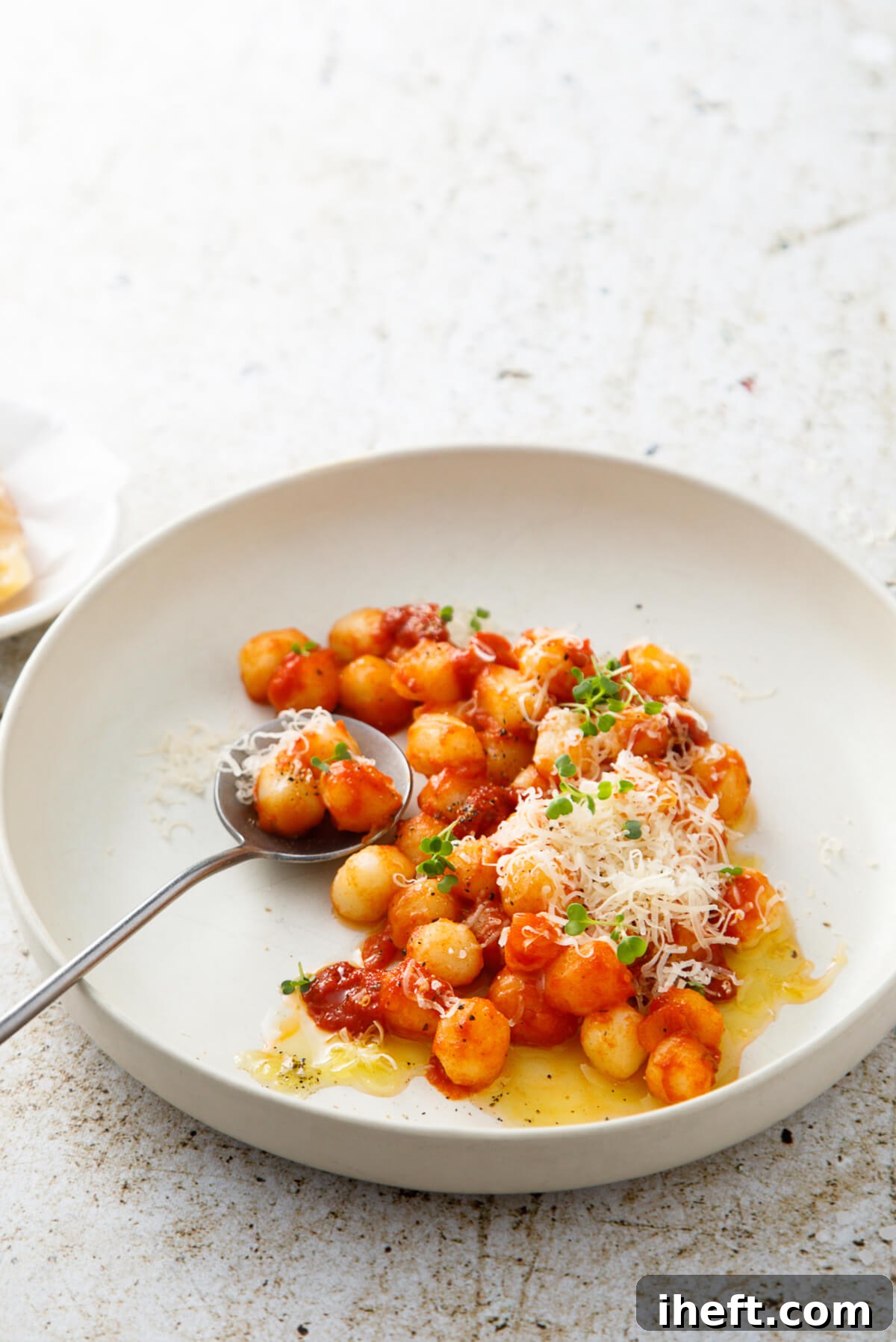
Region: Lombardy
Gnocchi, small and tender potato dumplings, are a beloved traditional Italian food that offers a delightful alternative to pasta, especially prominent in the northern region of Lombardy. Made primarily from mashed potatoes, flour, and sometimes egg, gnocchi are typically served with a variety of sauces, ranging from a simple tomato sauce and aromatic pesto to rich cream-based sauces. Their soft, pillowy texture makes them incredibly comforting and a popular choice for a satisfying primi piatto.
24. FARRO SALAD
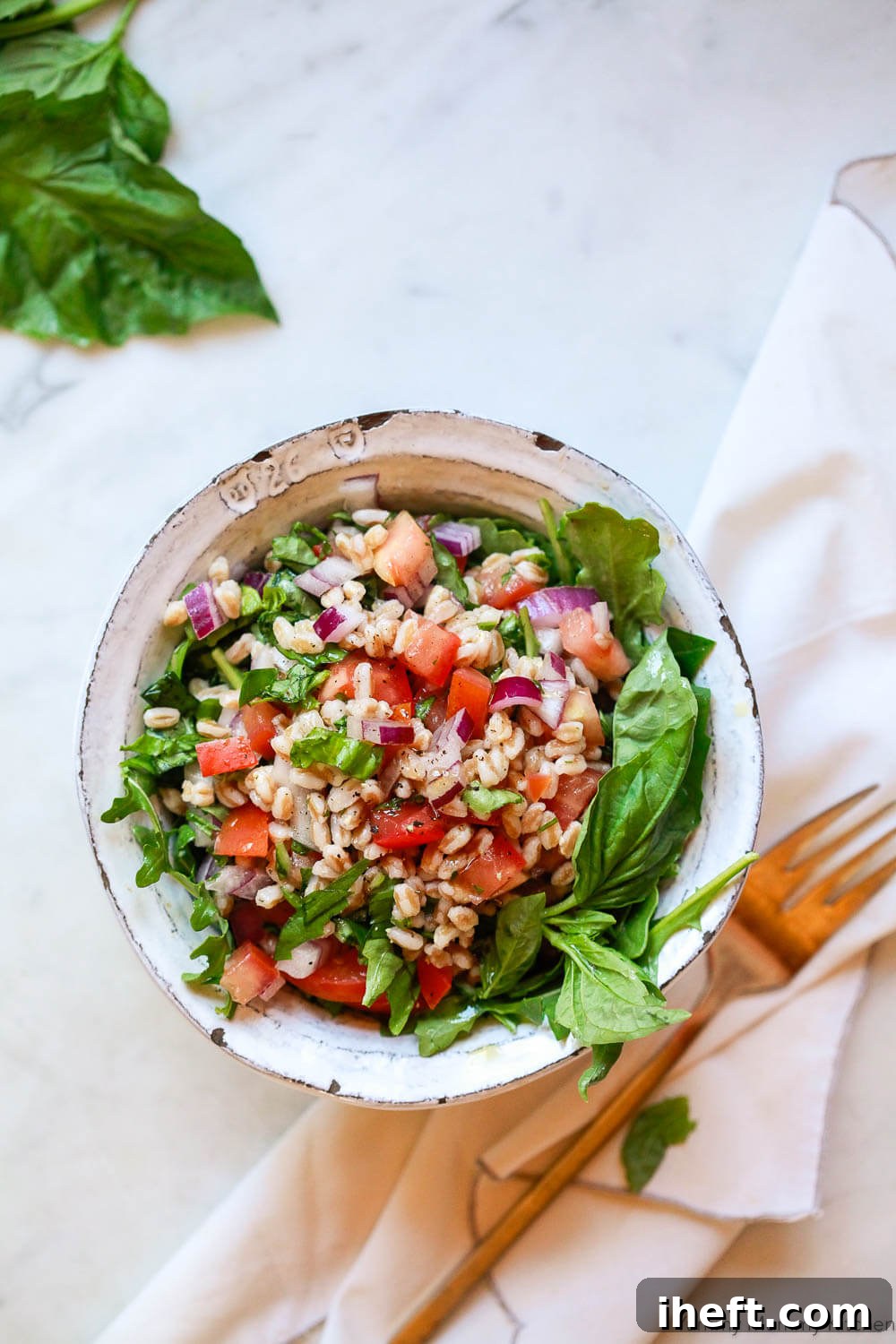
Region: Tuscany
Much like Panzanella, farro salad is a very common and refreshing dish found throughout Tuscany during the warm summer months. This ancient grain, farro, forms the wholesome base of the salad, typically tossed with generous amounts of high-quality olive oil, ripe tomatoes, fresh basil, and often other seasonal vegetables. It’s a wonderfully healthy and invigorating salad that perfectly embodies the rustic, produce-driven spirit of Tuscan cooking, making it an ideal light primi or side dish.
25. RISOTTO
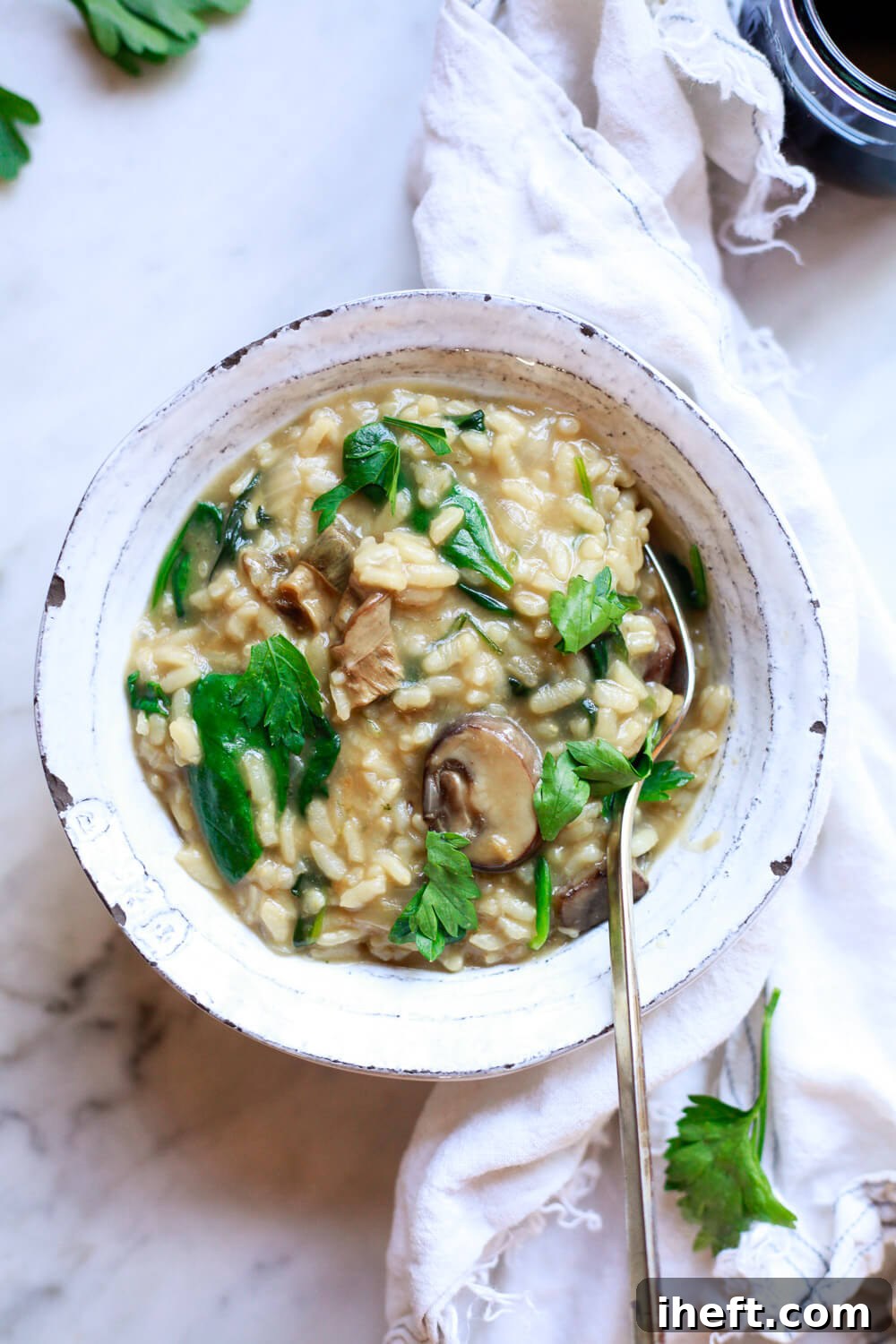
Region: Lombardy
Warm, creamy, and utterly comforting, risotto is a celebrated rice dish originating from the colder Northern regions of Italy, particularly Lombardy. The main ingredient is arborio rice, a short-grain variety known for its high starch content, which lends risotto its characteristic creamy texture when slowly cooked with broth. Risotto can be prepared with an endless variety of ingredients, from earthy mushrooms to vibrant seafood or seasonal vegetables. Try our delicious Mushroom Risotto, which is surprisingly easy to make in the Instant Pot.
26. PIADINA
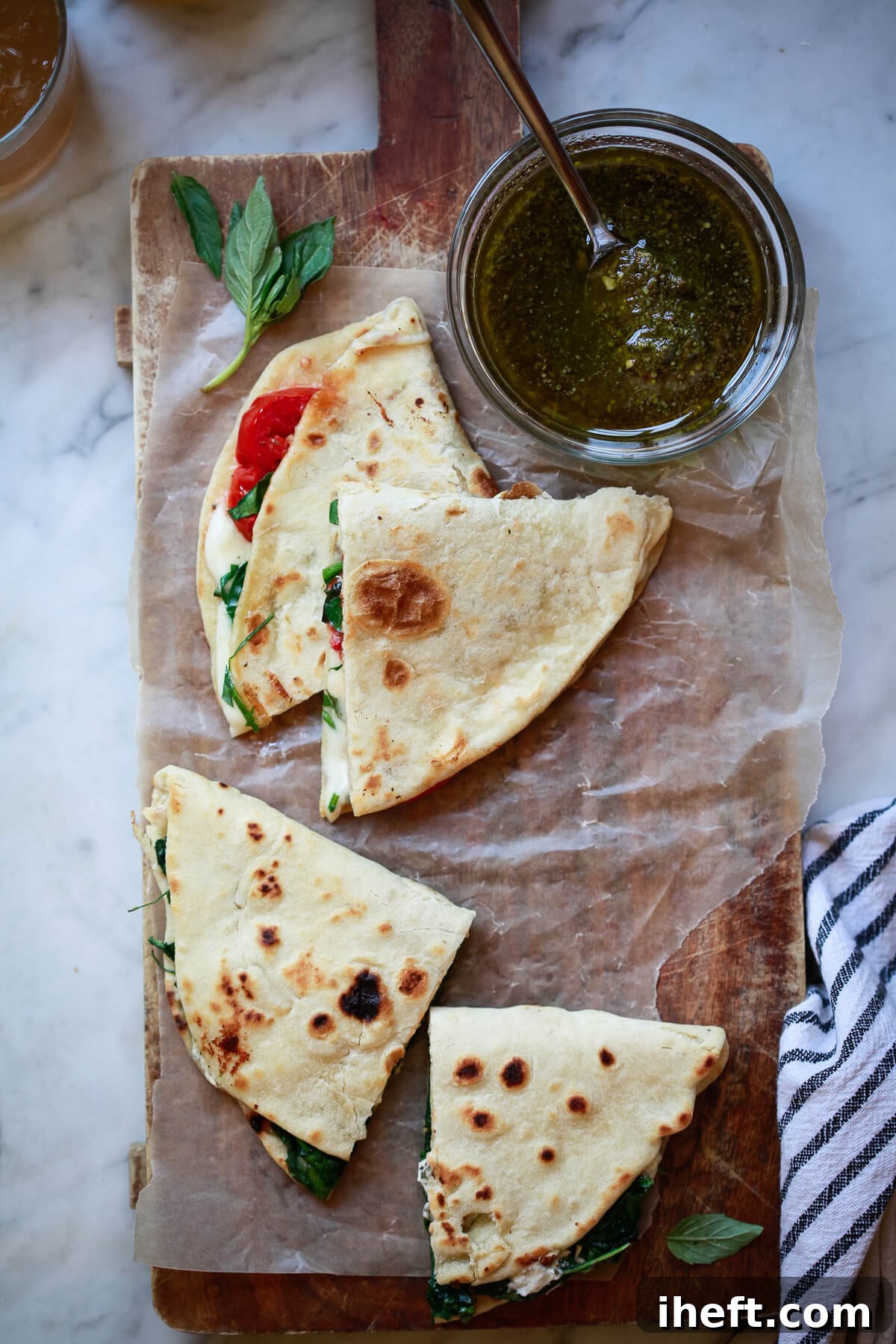
Region: Emilia-Romagna
Piadina is a traditional Italian flatbread, a culinary specialty of the Emilia-Romagna region, particularly popular in Romagna. This versatile and delicious bread is typically griddled until golden and then filled with a variety of tasty ingredients, such as cured meats (prosciutto, salami), soft cheeses (squacquerone), and fresh vegetables (arugula, tomatoes). Similar to a sandwich or a wrap, piadina is commonly found as street food or in grab-and-go cafes, offering a quick yet authentic taste of regional Italian cuisine.
27. BREAD AND TOMATO SOUP (PAPPA AL POMODORO)
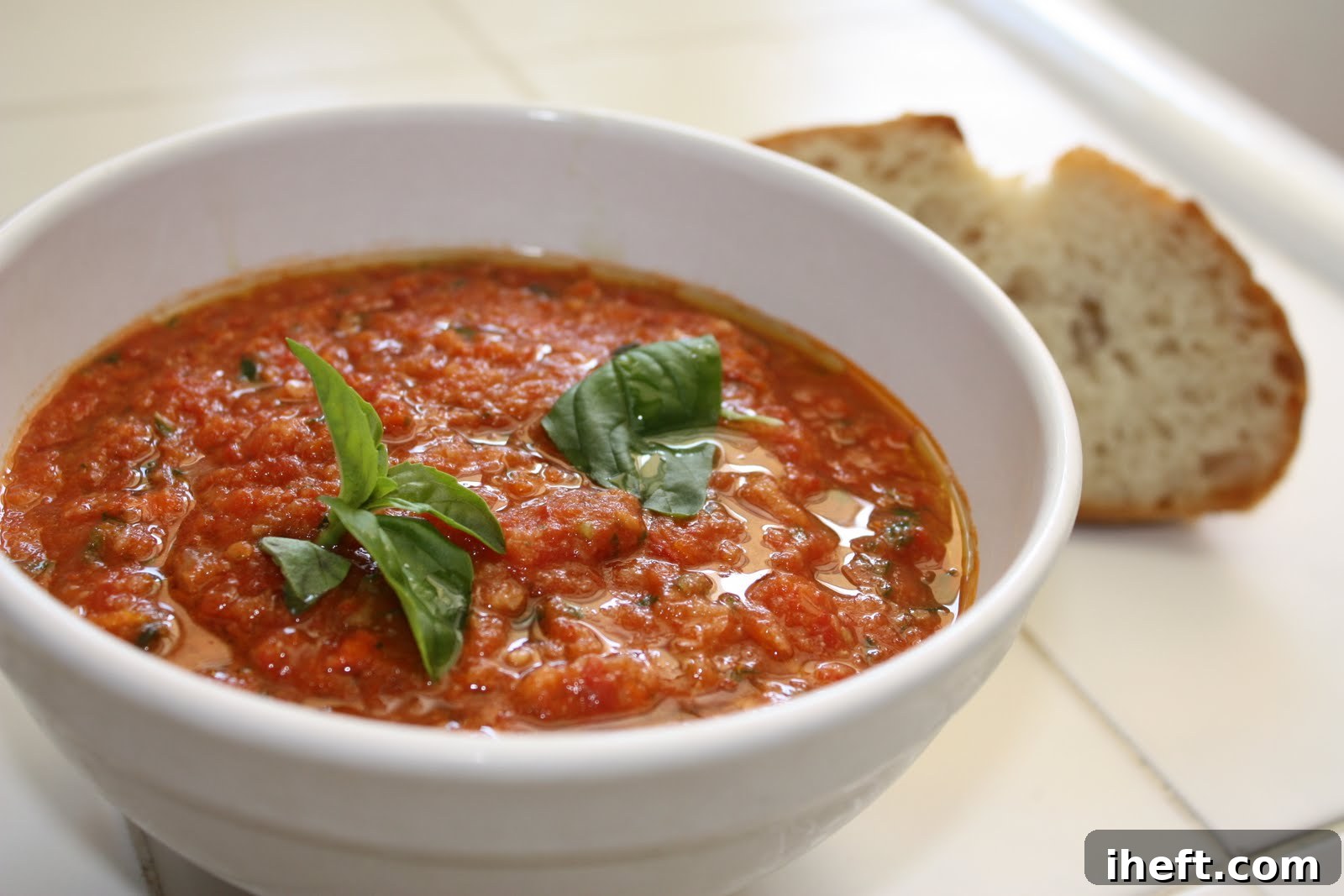
Region: Tuscany
Here’s another traditional and famous Italian food that epitomizes *cucina povera*: Pappa al Pomodoro, a comforting bread and tomato soup from Tuscany. While it might sound unusual to use day-old bread as a primary ingredient, this dish is absolutely delicious and very common in the region. The stale bread absorbs the flavors of ripe tomatoes, garlic, basil, and olive oil, thickening into a wonderfully hearty and rustic soup that is both nourishing and deeply flavorful, especially when served warm.
28. RIBOLLITA
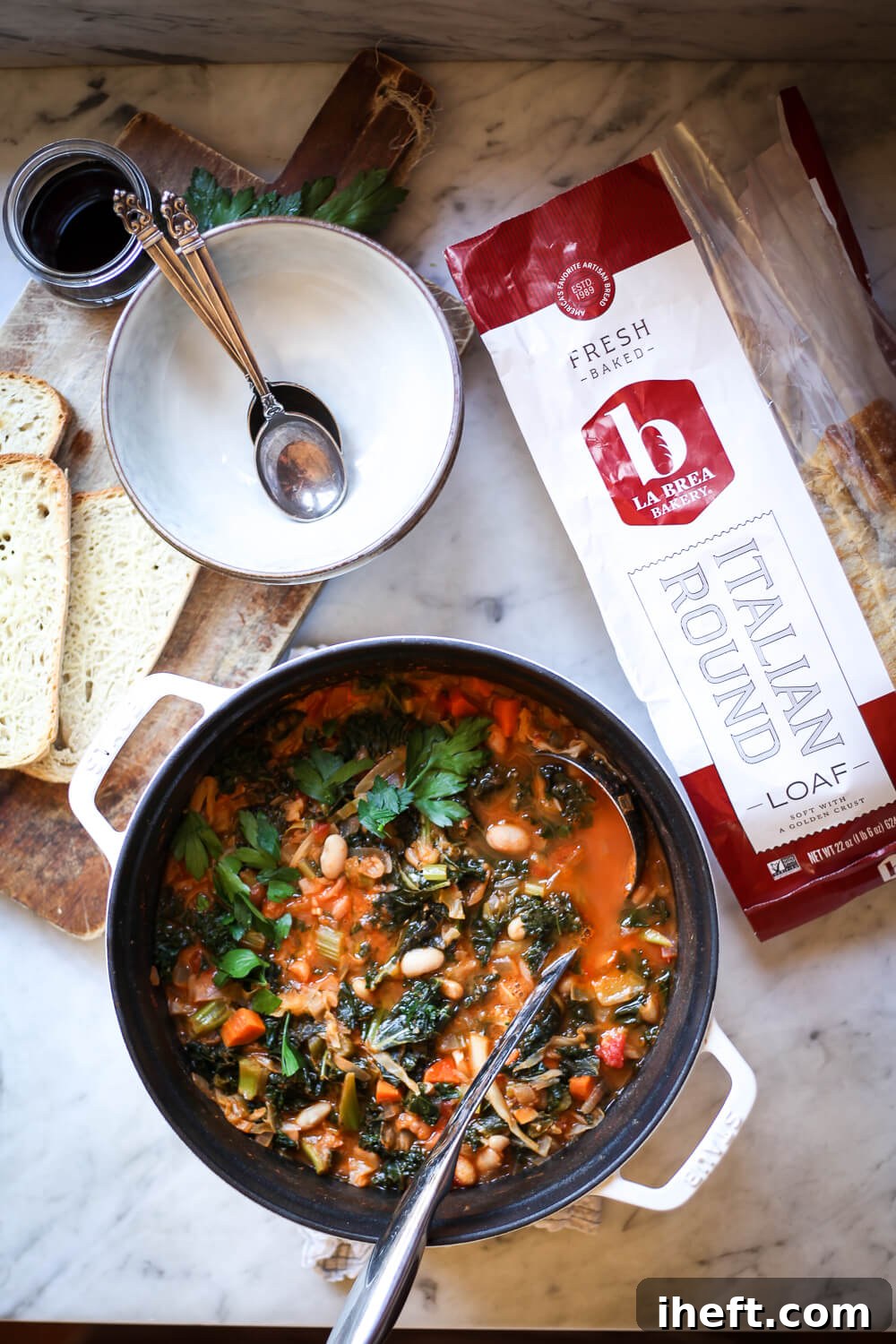
Region: Tuscany
Ribollita, meaning “reboiled,” is yet another iconic *cucina povera* recipe from Tuscany, creatively designed to utilize leftover bread and vegetables. This is a classic Tuscan peasant soup, renowned for its hearty and nourishing qualities, loaded with wholesome ingredients like dark leafy kale, cannellini beans, cabbage, and other seasonal vegetables. The soup is traditionally made in large batches, then reheated (reboiled) the next day, which is said to enhance its rich, comforting flavors even further, making it a beloved staple in the region.
29. FARRO VEGETABLE SOUP
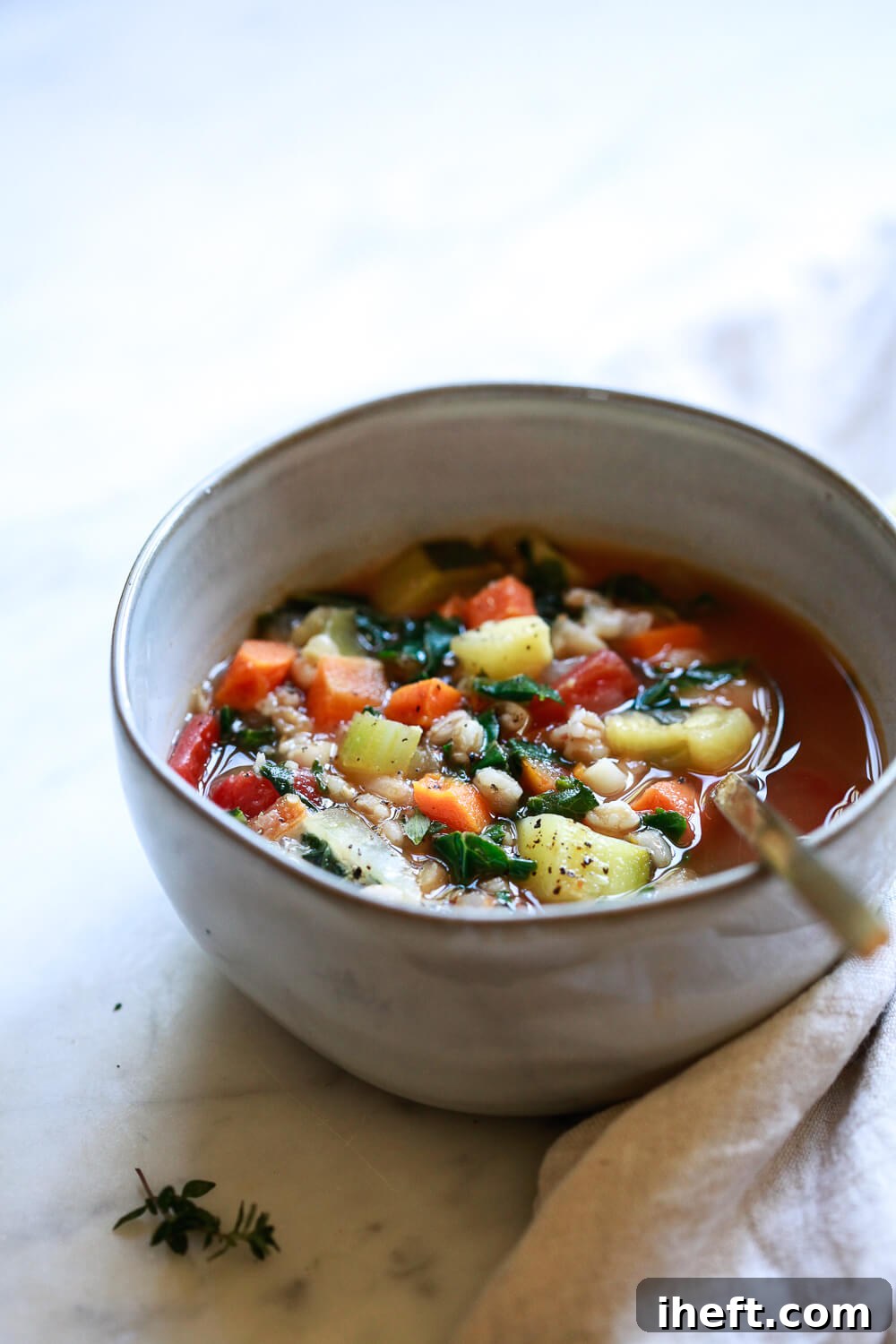
Region: Tuscany
This nourishing Italian Vegetable Soup with Farro is one of my favorite Italian soups ever, offering a perfect blend of wholesome ingredients and comforting flavors. While traditional minestrone is popular, the addition of farro makes this vegetable soup significantly heartier and more filling, transforming it into a complete and satisfying meal. It’s packed with fresh vegetables, herbs, and the distinctive nutty chewiness of farro, making it a beloved Tuscan staple, especially during cooler seasons.
SECONDI | Main Courses: The Heartiest Offerings
Main courses in Italy, known as Secondi Piatti, are typically served à la carte, meaning they do not automatically come with side dishes. Contorni, or side dishes, are explicitly meant to be ordered separately to complement the main course. Italian food main courses usually consist of some type of grilled or roasted fish, poultry, or various meats. However, it’s quite common for many diners, myself included, to opt for a primi piatto such as a hearty pasta or risotto as their main course, especially when seeking a fulfilling yet less meat-centric meal.
30. EGGPLANT PARMESAN (PARMIGIANA DI MELANZANE)
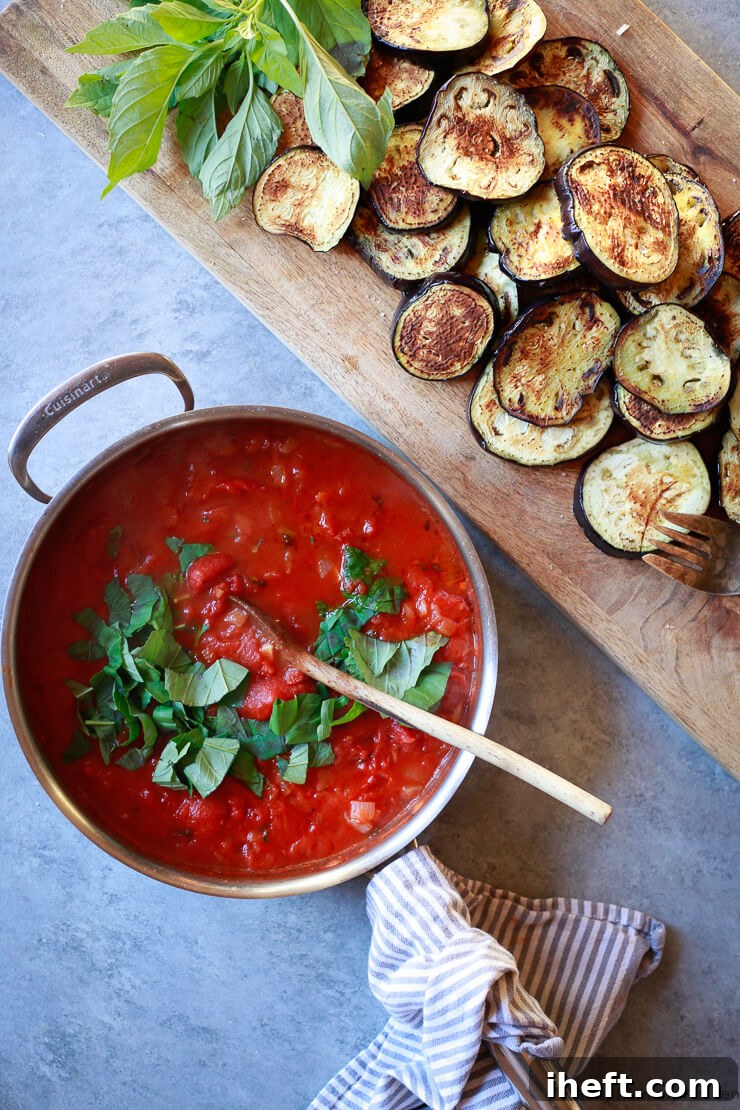
Region: Calabria, Campania, and Sicily
Eggplant is a particularly popular and versatile ingredient in Southern Italy, celebrated in dishes like Parmigiana di Melanzane. This famous Italian food is a layered casserole featuring tender slices of fried or baked eggplant, rich tomato sauce, fresh basil, and generous amounts of mozzarella and Parmesan cheese, baked until bubbly and golden. It’s a perfect and satisfying option for vegetarians and can also be easily adapted to be vegan, offering a rich and comforting experience. Here’s my recipe for a healthier baked Eggplant Parmesan.
31. MEATBALLS (POLPETTE)
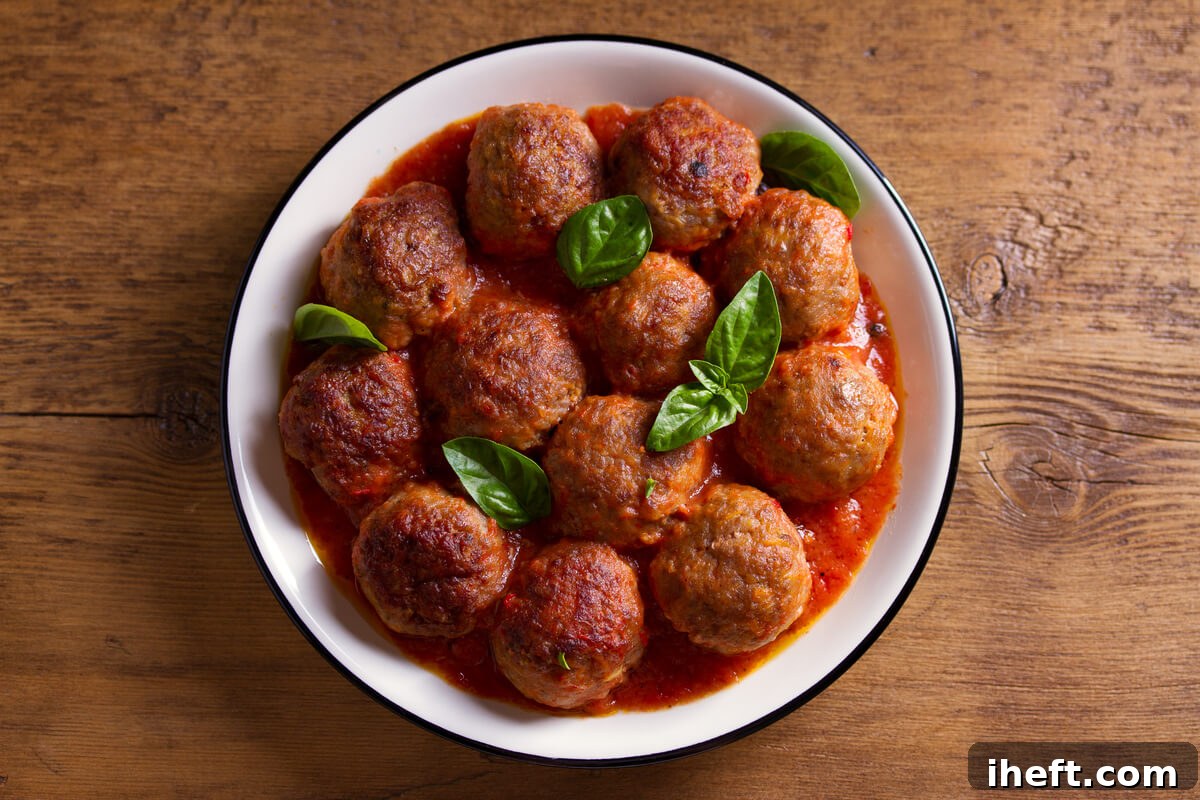
Region: Veneto or Lazio
In Italy, meatballs, or Polpette, are traditionally served as a secondi (main course) rather than with pasta. This distinction is crucial to authentic Italian dining; the popular dish “spaghetti with meatballs” is, in fact, an entirely American invention, a testament to culinary adaptation. Italian polpette are typically smaller, often made from a mixture of ground meat, breadcrumbs, eggs, and herbs, and served simply in a light tomato sauce or sometimes fried, allowing their savory flavors to shine as a standalone protein.
32. BRANZINO
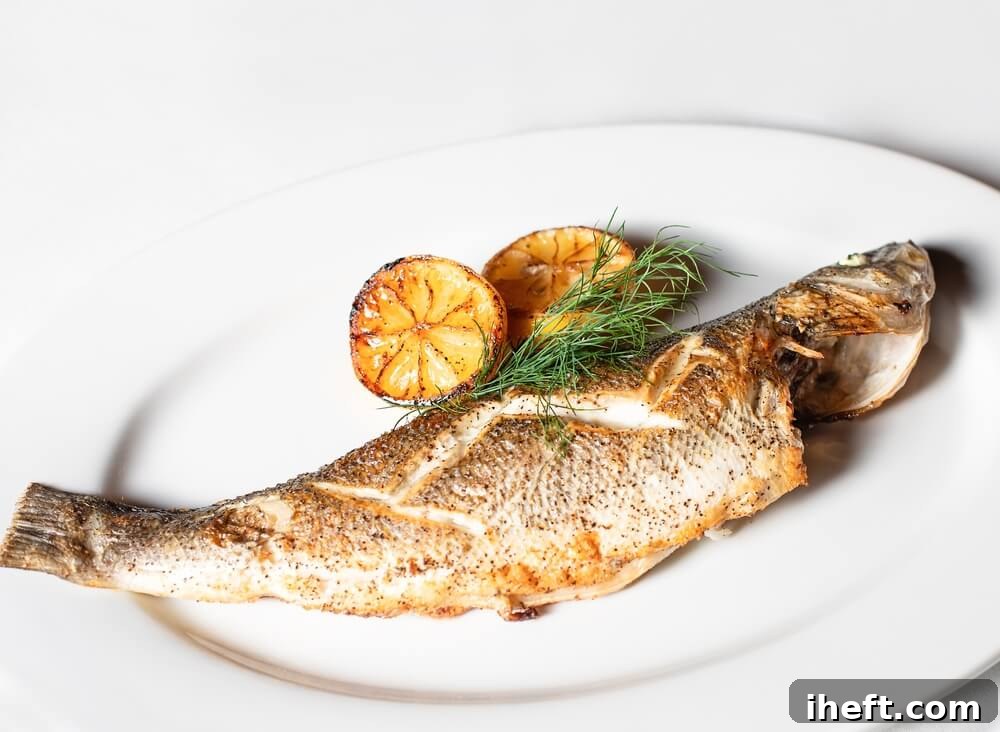
Region: Coastal Regions
Branzino, or European sea bass, is a highly prized fish found along Italy’s extensive coastal regions. It is typically served whole, either simply roasted or grilled, and often accompanied by fresh lemon and herbs to enhance its delicate, flaky white flesh. In some areas, branzino is famously baked in a salt crust, a technique that masterfully locks in moisture and prevents the fish from drying out, resulting in an incredibly tender and flavorful dish that highlights the freshness of the sea.
33. FLORENTINE STEAK (BISTECCA ALLA FIORENTINA)
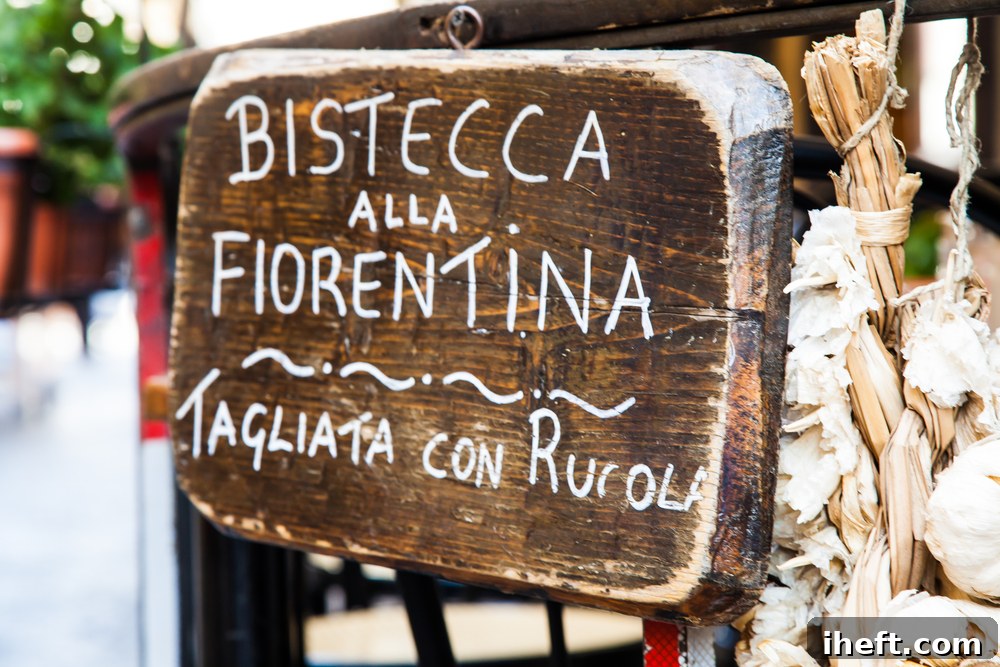
Region: Tuscany
Tuscany is widely regarded as the BBQ capital of Italy, renowned for its exceptional grilled meats. My favorite restaurant in Chianti, Cantinetta di Rignana, boasts an open kitchen where chefs can be seen grilling impressive pieces of meat throughout the night. Among these, Bistecca alla Fiorentina is the most popular and iconic: a thick-cut, traditionally rare T-bone or porterhouse steak, often from Chianina cattle, seasoned simply with salt and pepper and grilled over hot coals. Its smoky flavor and tender texture make it an unmissable Tuscan experience.
34. MILANESE
Region: Lombardy
“Milanese” simply refers to a style of cooking characteristic of Milan, in the Lombardy region. This method involves preparing meat by dredging thin slices in a mixture of eggs and breadcrumbs, which are then pan-fried until golden and crispy. This famous Northern Italian food is most often prepared with delicate veal (Cotoletta alla Milanese) or tender chicken (Chicken Milanese). The result is a flavorful, crunchy exterior encasing moist, tender meat, often served with a wedge of lemon to brighten the flavors.
CONTORNI | Side Dishes: Perfect Companions
As main Italian food dishes (secondi) do not typically come with accompanying sides, “contorni” are essential and usually ordered separately to complete the meal. These side dishes are designed to complement the richness of the main course with fresh, often simply prepared vegetables or starches, offering balance and variety to the palate.
35. GRILLED VEGETABLES (VERDURE GRIGLIATE)
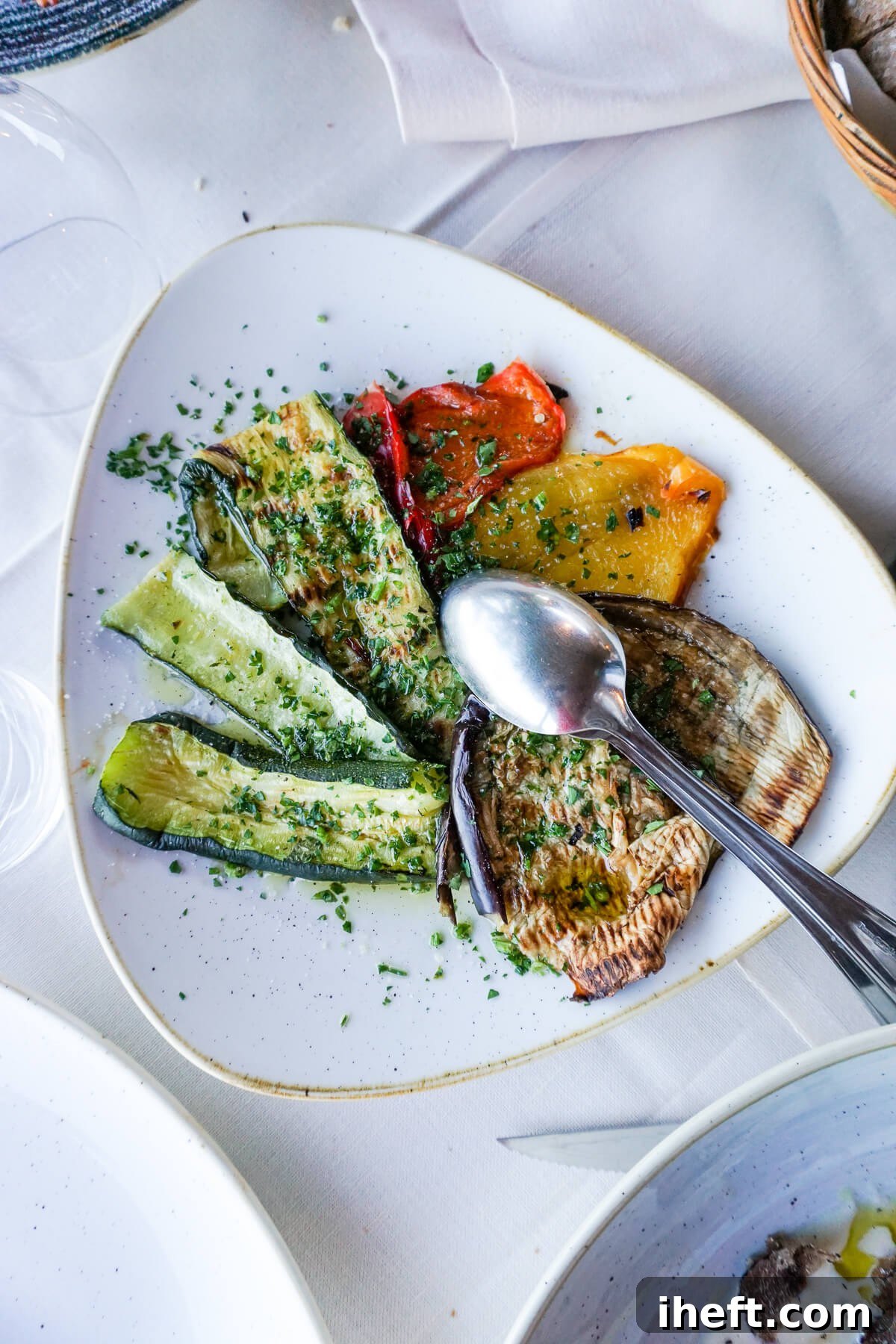
Contorni most often consist of simply cooked seasonal vegetables, allowing their natural flavors to shine. This vibrant platter of grilled zucchini, eggplant, and bell peppers, enjoyed at a charming restaurant in the Chianti area of Tuscany, is a perfect example of a typical and widely appreciated side dish, showcasing the freshness of Italian produce.
36. SAUTEED SPINACH (SPINACI ALL’AGRO)
Spinaci all’Agro refers to spinach quickly sautéed with garlic, olive oil, and often a splash of lemon juice or vinegar (agro), providing a bright and zesty counterpoint to its earthy flavor. This simple preparation is a healthy and popular side dish across Italy.
37. BROCCOLINI
Broccolini, often lightly blanched or steamed and then sautéed with garlic and chili, is a favored green vegetable served as a contorno. Its slightly bitter notes and tender-crisp texture make it a refreshing accompaniment to richer main courses.
38. ROASTED POTATOES (PATATE AL FORNO)
Patate al Forno are simple yet irresistibly delicious roasted potatoes, often seasoned with rosemary, garlic, and sea salt. Cooked until golden and crispy on the outside and fluffy on the inside, they provide a comforting and satisfying starch side.
39. WHITE BEANS (FAGIOLI BIANCHI ALLA MANIERA ANTICA)
White beans, particularly cannellini beans, are a staple in Tuscan cuisine. Prepared “alla maniera antica” (in the ancient way), they are typically slow-cooked with sage, garlic, and olive oil, resulting in a creamy, flavorful side dish that pairs wonderfully with grilled meats.
40. MIXED SALAD (INSALATA MISTA)
A simple Insalata Mista is a common and refreshing contorno, consisting of mixed green leaves, often with a few cherry tomatoes, carrots, or cucumber slices, dressed lightly with olive oil and vinegar. It provides a crisp, palate-cleansing element to any meal.
DOLCI | Desserts: A Sweet Conclusion
Italy, a nation celebrated for its incredible savory dishes, also boasts some of the world’s most exquisite and beloved desserts, known as dolci. These sweet creations offer a perfect conclusion to any Italian meal, leaving a lasting impression of indulgence and culinary artistry. Here are some of the most famous and delightful Italian desserts.
41. GELATO
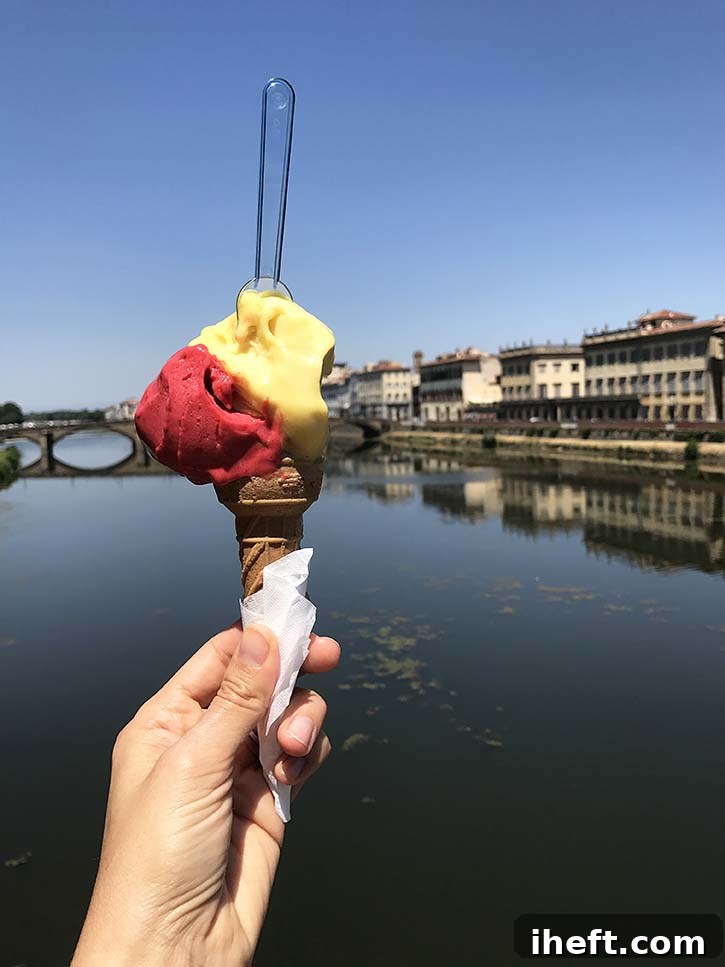
Region: Sicily
Gelato is arguably the most famous food Italy is renowned for, a true icon of Italian sweetness. While Sicily is historically acknowledged as the birthplace of gelato, its popularity is universal, with artisanal gelaterias found on almost every street corner across Italy. Distinct from ice cream, gelato is made with less cream, more milk, and churned at a slower rate, resulting in a denser, silkier texture and a more intense flavor profile that is truly irresistible.
42. AFFOGATO
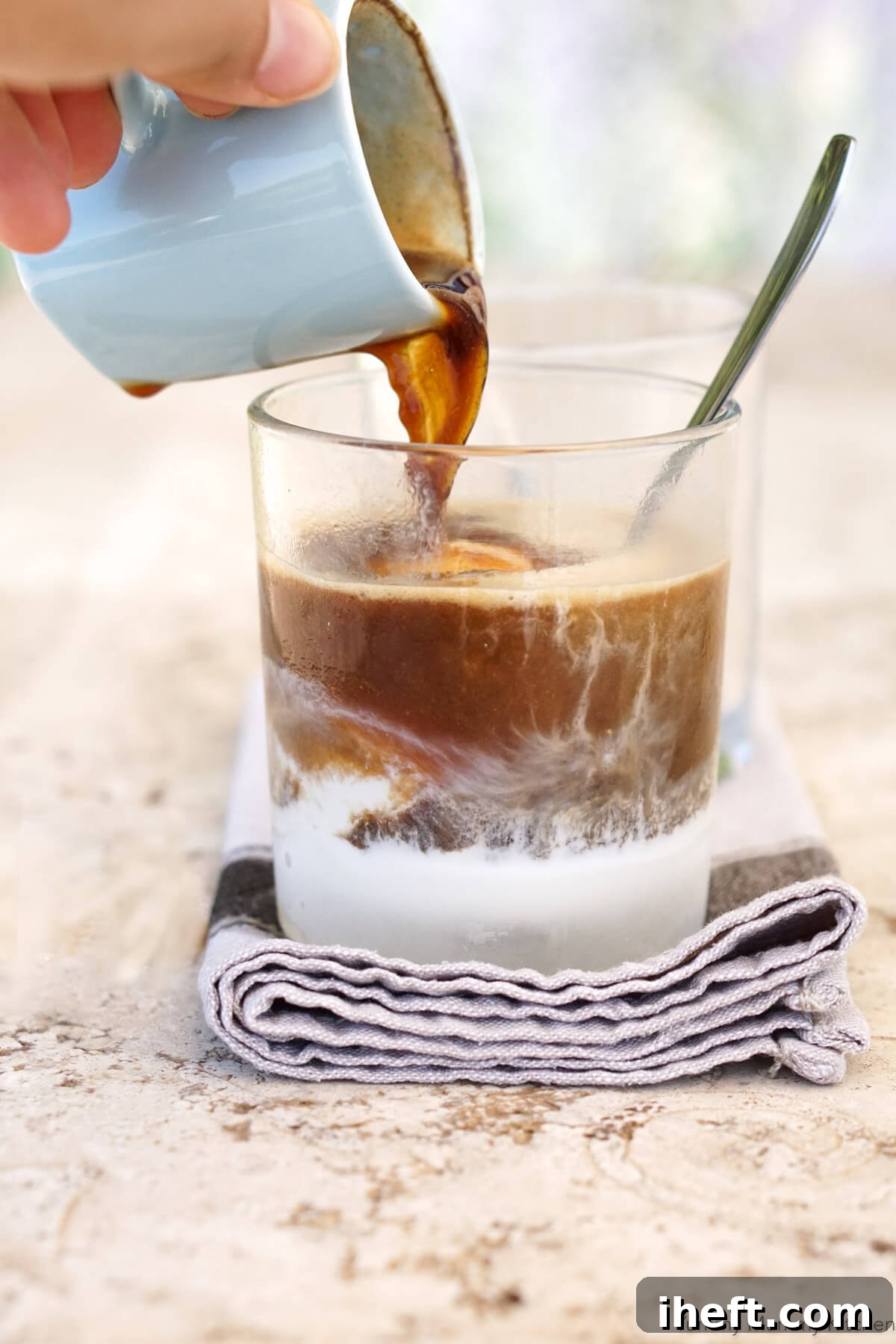
Region: Unknown
Affogato, a simple yet profoundly delicious dessert, beautifully marries two Italian culinary staples: robust espresso and creamy gelato. The word “affogato” translates to “drowned” in English, which perfectly describes this delightful treat, as a scoop of vanilla gelato (or sometimes other flavors) is literally drowned in a piping hot shot of freshly brewed espresso. This Italian dessert recipe is wonderfully easy to make at home, requiring only good quality gelato and strong espresso for a delightful contrast of hot and cold, bitter and sweet. Learn how to make your own Affogato.
43. TIRAMISU
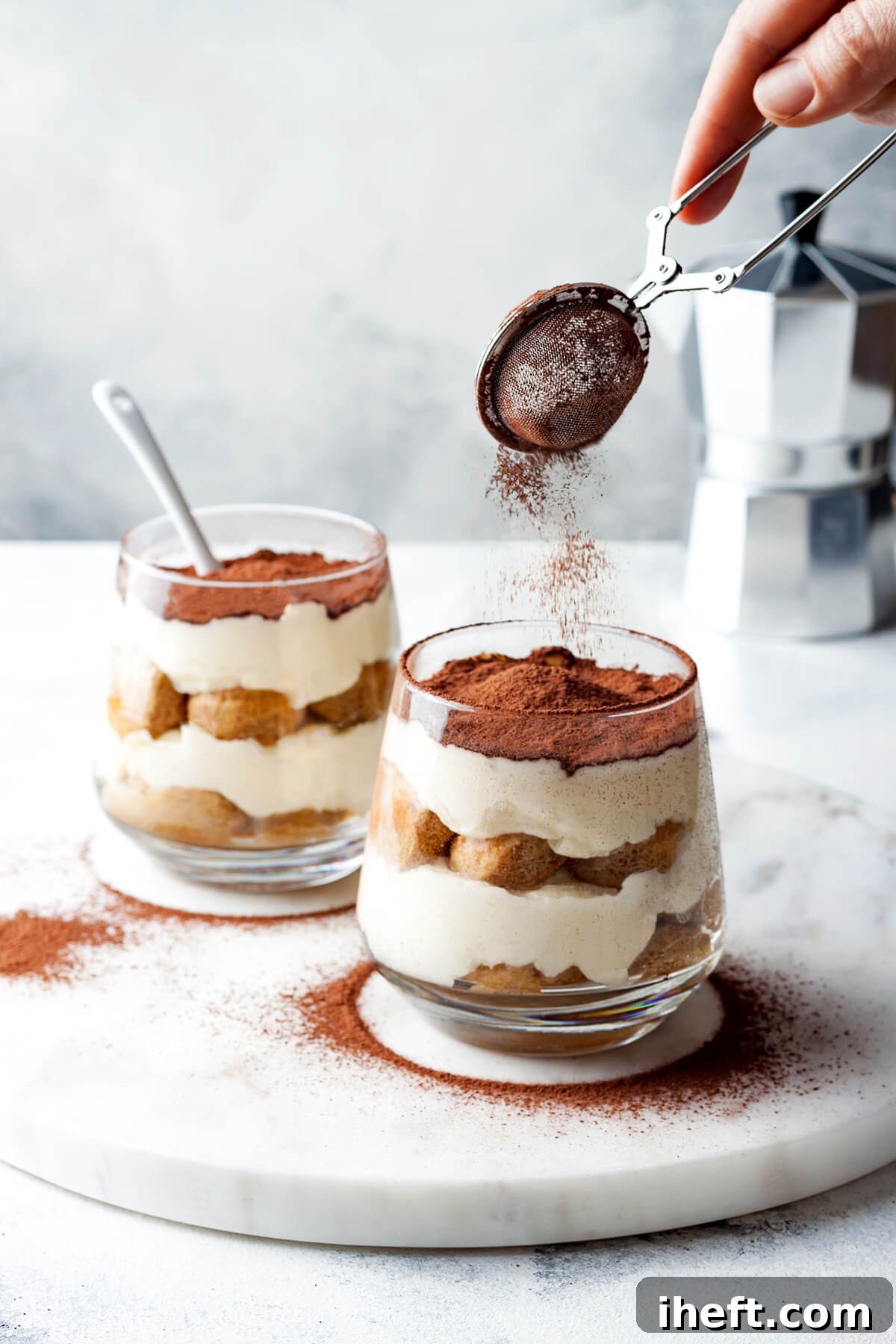
Region: Veneto
Tiramisu is undeniably one of the most famous and beloved Italian desserts, cherished worldwide for its rich flavors and delicate layers. The name “Tiramisu” translates fittingly to “pick me up” or “cheer me up,” a nod to its energizing combination of coffee and cocoa. This exquisite dessert is crafted by layering delicate ladyfinger biscuits, generously soaked in strong espresso, with a rich, creamy mixture of whipped eggs, sugar, and mascarpone cheese. It is then elegantly topped off with a dusting of cocoa powder, creating a decadent, multi-textured experience akin to an Italian trifle.
44. CANNOLI
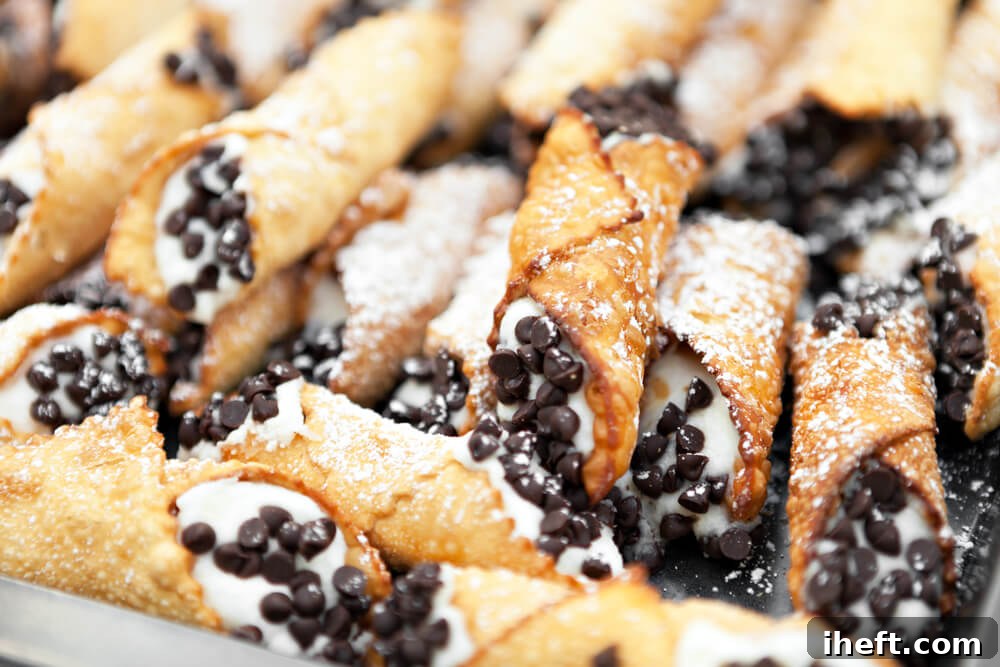
Region: Sicily
Cannoli, originating from Sicily, are iconic Italian pastries that are as delicious as they are distinctive. The word “cannolo” translates to “little tube” in English, perfectly describing their form. These delightful desserts consist of fried pastry dough shells, typically shaped into tubes, which are then filled with a creamy, sweet ricotta cheese filling. Often studded with candied fruit, chocolate chips, or pistachios, and dusted with powdered sugar, cannoli offer a wonderful combination of crispy shell and rich, smooth filling, making them an indispensable part of Sicilian culinary tradition.
45. PIZZELLE
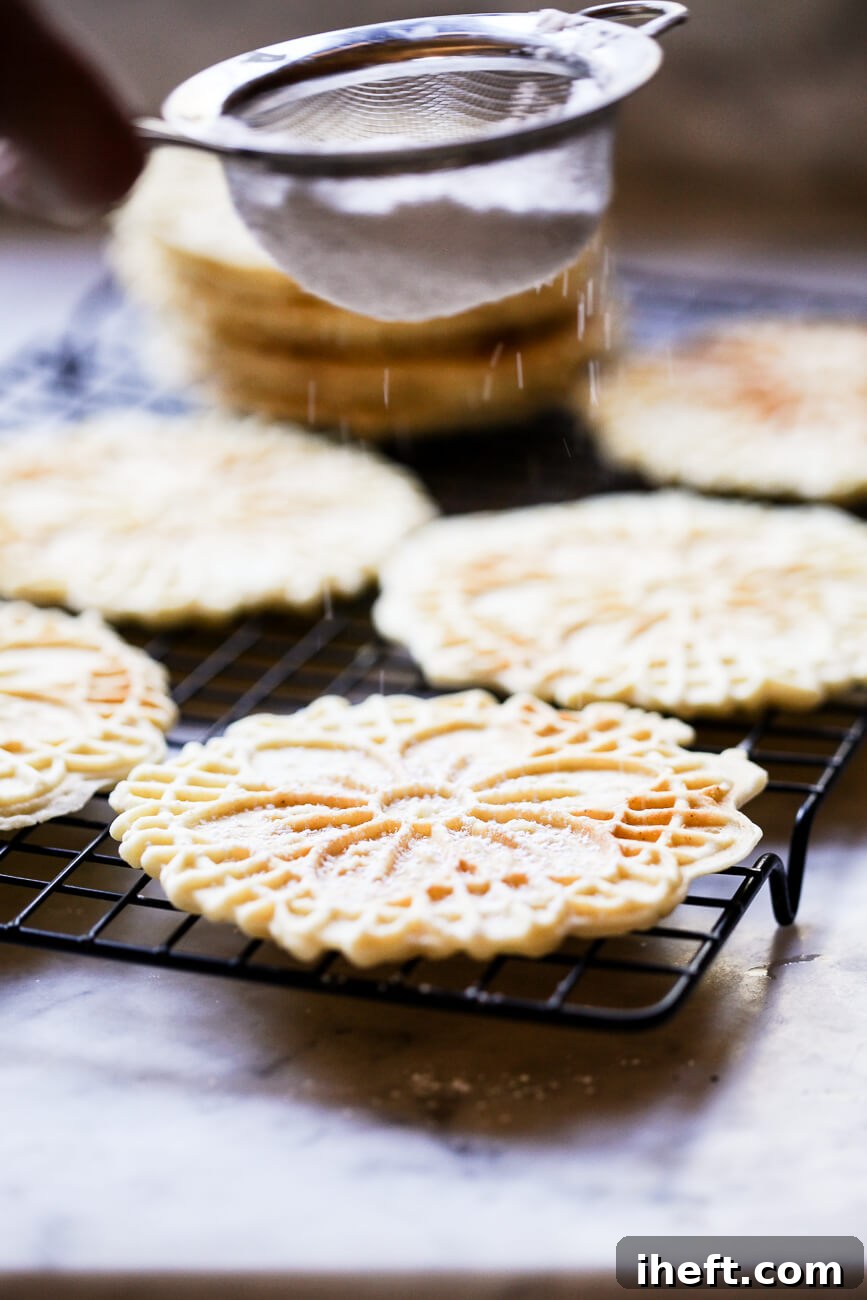
Region: Abruzzo
Some culinary historians suggest that Pizzelle might be among the oldest cookies in history, with origins dating back centuries, particularly in the Abruzzo region. These thin, delicate Italian cookies are traditionally made by pressing a sweet dough in a special iron, similar to a waffle maker, which imprints them with intricate patterns. Pizzelle are delicious as a snack or dessert on their own, but their versatility allows them to be shaped into bowls or cones while still warm and then filled with pastry cream, gelato, or fresh fruit, offering a delightful and customizable treat.
46. CANTUCCI

Region: Tuscany
Cantucci, also widely known as biscotti, are hard, almond-studded cookies that are exceptionally popular throughout Tuscany. These twice-baked biscuits are characterized by their dry, crunchy texture, perfect for dipping. They are often served at the end of an Italian meal with a small glass of Vin Santo, a sweet dessert wine, into which the cantucci are traditionally dunked to soften them and enhance their nutty flavor. This delightful ritual provides a classic Tuscan culinary experience, a sweet and simple conclusion to a meal.
Final Thoughts on Authentic Italian Food
While pizza and pasta may be the most globally recognized foods that Italy is famous for, authentic Italian cuisine extends far beyond these beloved staples. As we’ve explored, the culinary landscape of Italy is a rich tapestry woven with diverse regional specialties, ancient traditions, and an unwavering dedication to fresh, high-quality ingredients. Each dish tells a story of its origin, reflecting the unique history, climate, and culture of its region. The next time you find yourself in Italy, or dining at an authentic Italian restaurant, you’ll now be equipped with the knowledge to navigate the menu with confidence, ordering a selection of antipasti, primi, secondi, and dolci that truly capture the essence of Italian gastronomy. Embrace the adventure, savor every bite, and discover the true depth of Italy’s unparalleled culinary heritage.